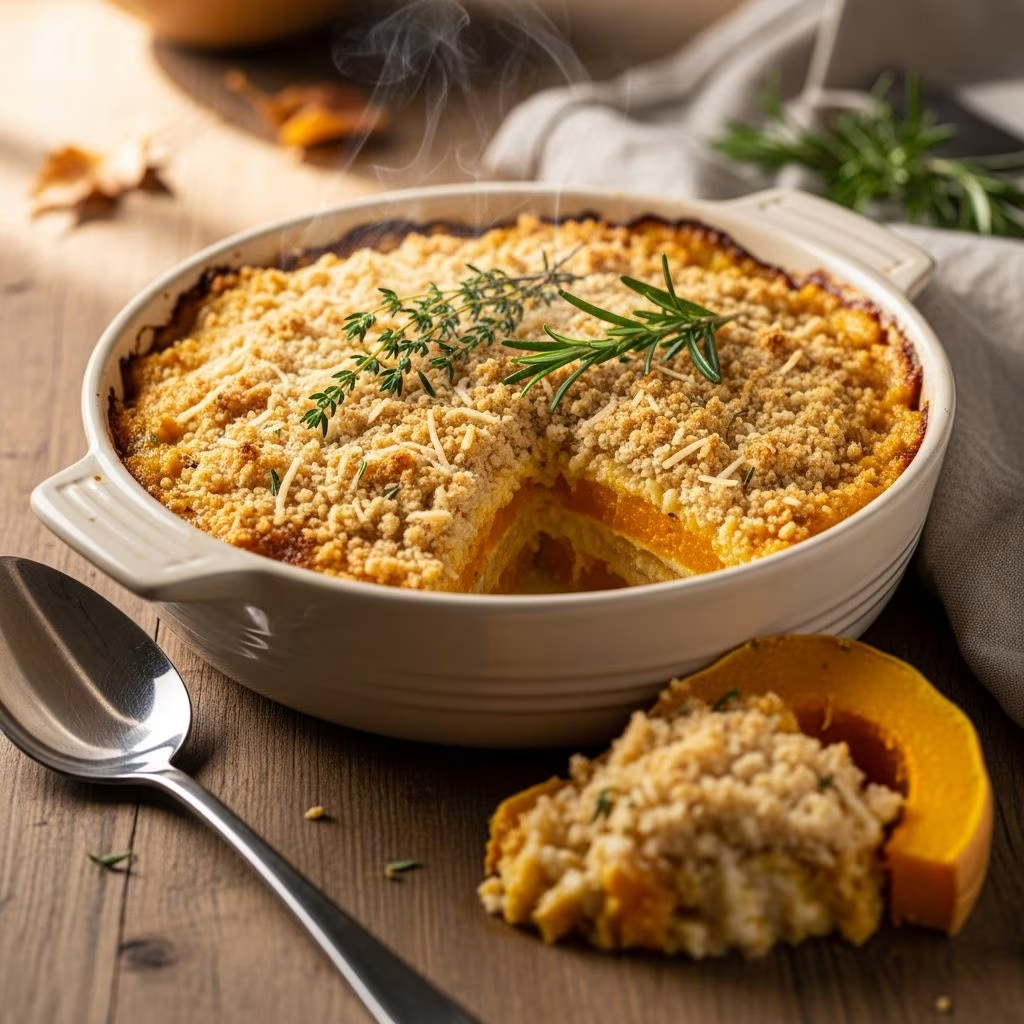
Butternut squash casserole represents a versatile and satisfying dish that appeals to home cooks across all skill levels. This beloved preparation combines the natural sweetness of roasted squash with complementary ingredients to create a side dish suitable for weeknight dinners or festive holiday gatherings. Whether you prefer creamy preparations, savory vegetable combinations, or topped finishes, butternut squash casserole adapts to numerous flavor profiles and cooking preferences.
Understanding Butternut Squash as Your Main Ingredient
Butternut squash serves as the foundation for this dish, offering a mild, slightly sweet flavor profile that works well in both savory and subtly sweet preparations. The vegetable’s dense flesh provides a hearty texture that maintains its structure throughout the cooking process. When properly prepared, butternut squash contributes natural creaminess and nutritional density to casserole dishes.
Selecting quality butternut squash ensures better results in your final dish. Choose specimens that feel heavy for their size, display a uniform tan or golden exterior, and show no soft spots or blemishes. Store whole squash in a cool, dark place for extended shelf life before preparation.
Preparation Methods: From Raw to Roasted
The method you choose for preparing butternut squash significantly impacts both the texture and flavor intensity of your casserole. Different techniques produce varying results, allowing you to customize your dish based on personal preferences and available time.
The Roasting Approach
Roasting butternut squash halves develops caramelization and intensifies natural sweetness. Cut the squash lengthwise, remove seeds, place cut-side down on a parchment-lined baking sheet, and roast at 375–400°F for 45 minutes to 1.5 hours until the flesh becomes tender enough to pierce easily with a fork. The longer roasting creates deeper caramelization and more concentrated flavor. Once cooled sufficiently, scoop the softened flesh into your mixing bowl for further combination with other ingredients.
The Cubing Strategy
Cutting butternut squash into uniform cubes before roasting offers advantages for texture development and visual presentation. Peel and remove seeds from the raw squash, then cut into half-inch to three-quarter-inch cubes. Toss with olive oil, salt, and pepper, then spread in a single layer on a baking sheet. Roast at 400°F for approximately 25–35 minutes, stirring halfway through, until pieces become fork-tender and edges begin browning slightly.
The Boiling Method
For those preferring faster preparation, boiling peeled and cubed butternut squash in water until tender takes approximately 15–20 minutes. Drain thoroughly before using in your casserole base. This method produces softer squash suitable for mashing but may dilute flavor compared to roasting techniques.
Flavor Profile Categories: Finding Your Preferred Direction
Butternut squash casseroles fall into distinct flavor categories, each offering unique taste experiences and ingredient combinations.
Sweet and Creamy Preparations
These casseroles emphasize butternut squash’s natural sweetness by combining mashed or pureed squash with brown sugar, maple syrup, vanilla extract, warming spices, eggs, and heavy cream or milk. The resulting texture becomes smooth and pudding-like, reminiscent of sweet potato casserole variations. Cinnamon, nutmeg, and ginger provide aromatic complexity. Baking at 350°F for 30–40 minutes produces a lightly set casserole with a subtle golden top.
Savory and Vegetable-Forward Options
These versions celebrate butternut squash alongside other vegetables like kale, onions, mushrooms, and fresh herbs. Preparation typically involves roasting cubed squash with olive oil and aromatics, then combining with sautéed leafy greens, cooked vegetables, and cheese. Sage, thyme, and rosemary provide herbaceous notes. This category produces heartier casseroles suitable as main dishes or substantial sides.
Gratin-Style Preparations
Thinly sliced butternut squash layered with heavy cream infused with garlic, thyme, and bay leaves creates an elegant gratin. This method requires approximately quarter-inch-thick slices arranged in buttered dishes with cream poured between layers. Baking covered at 350°F for 30 minutes, then uncovered for additional time, allows the cream to reduce and thicken while the squash becomes tender.
Essential Ingredients and Flavor Combinations
| Ingredient Category | Common Selections | Flavor Impact |
|---|---|---|
| Spices (Sweet) | Cinnamon, nutmeg, ginger, cloves | Warm, aromatic, autumnal |
| Spices (Savory) | Thyme, sage, rosemary, garlic powder | Earthy, herbaceous, sophisticated |
| Sweeteners | Brown sugar, maple syrup, honey | Caramelized, complex sweetness |
| Dairy Components | Heavy cream, butter, cheese, eggs | Richness, binding, structure |
| Vegetables | Kale, onions, mushrooms, parsnips | Textural contrast, flavor depth |
| Protein Additions | Bacon, nuts, seeds | Savory accent, textural crunch |
Step-by-Step Preparation Process
Understanding the fundamental steps helps ensure success regardless of which specific flavor profile you select.
Initial Squash Preparation
- Select a butternut squash weighing 2–3 pounds for most casserole recipes
- Wash the exterior under running water and pat dry
- Cut in half lengthwise or cube according to your chosen method
- Remove seeds and stringy portions with a sturdy spoon
- Proceed with roasting, boiling, or other cooking methods
Flavor Development
- Toss roasted squash cubes or prepared squash with oil, salt, and pepper
- Add chosen seasonings and aromatics during the cooking phase
- Allow flavors to meld if time permits before assembly
- Taste and adjust seasonings before combining with other components
Component Integration
- Combine prepared squash with dairy products and binding agents in a large bowl
- Fold in cooked vegetables, proteins, or other mix-ins
- Distribute mixture evenly in a buttered baking dish
- Add toppings if using cheese, nuts, or breadcrumb components
Baking and Finishing
- Bake at 350°F for sweet preparations or 375°F for savory versions
- Bake covered with foil to prevent excessive browning if needed
- Uncover during final 10–15 minutes for golden top development
- Cool for 5–10 minutes before serving for better structure
Topping Options and Finishing Touches
The final layer of your casserole contributes both visual appeal and flavor complexity. Sweet casseroles benefit from streusel-style toppings combining oats, brown sugar, nuts, and butter baked until golden. Savory versions work well with grated cheese like parmesan or mozzarella, broiled until melted and slightly browned. Breadcrumb and herb combinations add textural contrast. Fresh herbs scattered over the finished dish provide brightness and aromatic appeal.
Cooking Times and Temperature Considerations
Butternut squash casserole cooking times vary based on several factors. Square casserole dishes cook more evenly than rectangular ones due to their shape. Depth of filling affects cooking duration, with thicker casseroles requiring additional time. Temperature consistency matters significantly; maintaining steady oven temperature ensures even cooking throughout.
Most casseroles reach completion within 30–45 minutes at standard temperatures. The casserole should bubble gently around the edges and show a set but slightly jiggly center. If using eggs as a binder, ensure adequate cooking without overbaking, which produces a rubbery texture.
Make-Ahead and Storage Strategies
Butternut squash casserole accommodates advance preparation well. Assemble the casserole completely up to 24 hours ahead, cover with foil, and refrigerate. Bake directly from cold storage, adding 10–15 minutes to the standard cooking time. Fully cooked casserole keeps refrigerated for 3–4 days in an airtight container. Reheat gently at 325°F for 15–20 minutes, covered, until warmed through.
Butternut squash can be prepared and frozen individually. Roast squash cubes or halves, cool completely, transfer to freezer bags, and freeze for up to three months. Defrost in the refrigerator overnight before incorporating into your casserole recipe.
Troubleshooting Common Issues
Watery Casserole
Excess moisture typically results from insufficient cooking of the initial squash preparation or from vegetables releasing liquid during baking. Ensure squash reaches complete tenderness before combining with other ingredients. If using frozen or thawed squash, drain thoroughly. Reduce any cream or milk called for in the recipe slightly.
Undercooked Center
Uneven cooking often occurs when casserole components aren’t cut uniformly. Cut all vegetable pieces to similar sizes for consistent cooking. Use an oven thermometer to verify actual cooking temperature. Ensure oven racks are positioned appropriately for even heat circulation.
Overly Brown Top
Cover the casserole with foil during cooking if the top browns excessively. Tent loosely with foil rather than sealing tightly to allow steam escape. Lower oven temperature by 25°F if browning occurs before the casserole reaches completion.
Frequently Asked Questions
Can I substitute canned butternut squash puree for fresh squash?
Yes, canned butternut squash puree works well in sweet casserole preparations. One 15-ounce can typically equals approximately 1.75 cups puree. For recipes requiring cubed or chunky squash texture, fresh preparation produces better results. Drain canned puree if excessive liquid is present.
What dishes pair well alongside butternut squash casserole?
Sweet casseroles complement roasted turkey, ham, or prime rib. Savory versions pair with grilled chicken, herb-roasted pork, or vegetarian mains. Both styles work well alongside simple green salads and crusty bread.
How do I prevent the casserole from drying out?
Adequate liquid binding through cream, milk, or eggs prevents dryness. Cover the casserole with foil during initial baking and uncover only briefly if browning is desired. Allow the casserole to rest 5–10 minutes after removal from the oven before serving, which helps retain moisture.
Can butternut squash casserole be frozen after baking?
Yes, cooled cooked casserole freezes well for up to three months when properly stored in freezer containers. Thaw in the refrigerator and reheat at 325°F until warmed through.
Conclusion
Butternut squash casserole offers remarkable versatility for home cooks seeking reliable, satisfying dishes. Whether you embrace traditional sweet preparations with warming spices or explore contemporary savory interpretations with fresh vegetables and herbs, this casserole adapts to numerous occasions and preferences. With proper technique, quality ingredients, and understanding of the fundamental preparation principles, you can confidently create butternut squash casseroles that impress family and guests while remaining manageable within typical kitchen timelines.
References
- Butternut Squash Casserole — Wholesome Yum. Accessed April 10, 2026. https://www.wholesomeyum.com/butternut-squash-casserole/
- How To Make Butternut Squash Casserole Recipe — The Pioneer Woman. Accessed April 10, 2026. https://www.thepioneerwoman.com/food-cooking/recipes/a36982103/butternut-squash-casserole-recipe/
- Simple Mashed Butternut Squash Casserole Recipe — Pine and Palm Kitchen. Accessed April 10, 2026. https://www.pineandpalmkitchen.com/simple-mashed-butternut-squash-casserole-recipe/
- Brown Butter Butternut Squash Casserole — A Southern Soul. Accessed April 10, 2026. https://www.asouthernsoul.com/brown-butter-butternut-squash-casserole/
- Butternut Squash Casserole (Gratin) — Vikalinka. Accessed April 10, 2026. https://vikalinka.com/butternut-squash-dauphinoise/
- Butternut Squash Casserole, Thanksgiving Recipe — Baker Bettie. Accessed April 10, 2026. https://bakerbettie.com/butternut-squash-praline-casserole/
- Butternut Squash Casserole — Saving Room for Dessert. Accessed April 10, 2026. https://www.savingdessert.com/butternut-squash-casserole/