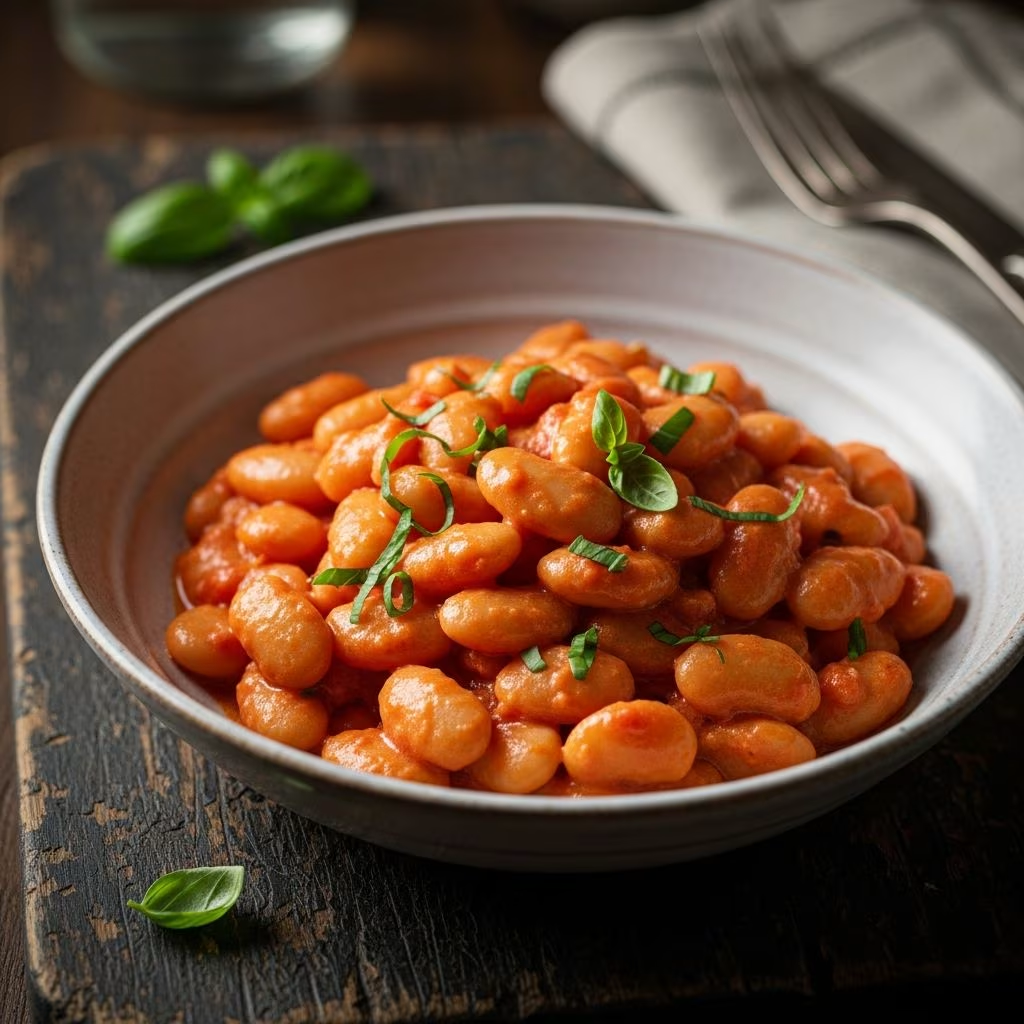
Butter beans alla vodka represents a contemporary take on traditional Italian cooking that has gained considerable popularity in home kitchens worldwide. This dish transforms humble canned beans into an elegant, restaurant-quality meal through the application of classic sauce-making techniques and simple, quality ingredients. The combination of tomato, cream, and a splash of spirits creates a sophisticated flavor profile that feels indulgent while remaining accessible to home cooks of varying skill levels.
Understanding the Appeal of This Dish
The enduring popularity of butter beans alla vodka stems from its remarkable versatility and straightforward preparation method. Unlike more complex recipes that demand specialized equipment or rare ingredients, this dish relies on pantry staples that most households keep on hand. Butter beans, available year-round in canned form, provide a protein-rich base that absorbs flavors beautifully while offering a naturally creamy texture when cooked properly.
The sauce itself works through a time-tested culinary principle: layering flavors through stages of cooking. By building the sauce incrementally rather than combining all ingredients simultaneously, cooks develop depth and complexity that would be impossible to achieve otherwise. This methodical approach teaches fundamental cooking skills while delivering restaurant-worthy results.
Essential Components and Their Functions
The Aromatic Foundation
Every exceptional sauce begins with properly prepared aromatics. Onions and garlic form the flavor base, providing savory undertones that support the other ingredients. When onions are cooked slowly over medium heat until they turn translucent and develop subtle sweetness, they contribute complexity beyond their raw sharpness. Garlic, added after the onions have softened, releases its aromatic oils into the cooking fat, infusing the entire sauce with its distinctive character.
The choice between yellow onions and shallots affects the final flavor profile slightly. Shallots offer a more delicate, refined quality with gentle sweetness, while yellow onions provide robust, straightforward flavor that stands up to the other robust components. Both approaches work excellently; the choice depends on personal preference and availability.
Tomato Paste as the Flavor Anchor
Tomato paste serves multiple functions in this preparation. This concentrated ingredient provides umami depth, natural acidity, and intense tomato flavor without requiring fresh tomatoes. Cooking tomato paste in fat for several minutes before adding liquids is a crucial technique that develops its flavor through caramelization. This step transforms sharp tomato flavor into something rounder and more integrated with other sauce components.
The Role of Spirits in Cooking
Vodka functions as more than a trendy addition to this dish. When alcohol meets heat, it evaporates while leaving behind flavor compounds that enhance other ingredients. The brief cooking period after adding vodka—typically one to two minutes—ensures that the alcohol content dissipates completely, leaving only the subtle flavoring benefits. For those preferring to avoid alcohol entirely, water serves as a functional substitute without significantly compromising the final result.
Cream as the Finishing Touch
Heavy cream transforms the tomato-based sauce from acidic and thin to luxurious and coating. The fat in cream tempers tomato acidity while contributing richness that makes every spoonful feel indulgent. For dietary modifications, alternative creams such as coconut cream or cashew-based versions provide similar textural results while accommodating different eating preferences.
Step-by-Step Preparation Guide
Building Your Base Layer
Begin by selecting a large skillet or saucepan that provides sufficient surface area for ingredients to cook evenly. Melt butter over medium heat—this temperature point proves crucial, as heat that is too high burns the butter while heat that is too low results in greasy rather than flavorful aromatics. Once the butter foams slightly, add diced onion and cook for five to seven minutes, stirring occasionally, until the onion becomes completely translucent and develops a subtle golden hue.
Developing Flavor Through Toasting
Add minced garlic and cook for approximately one minute, stirring frequently to distribute it evenly throughout the hot butter. The garlic should become fragrant but never brown, as browned garlic develops bitter flavors that negatively impact the finished dish. Immediately follow this with tomato paste, stirring constantly while it cooks. This darkening phase, which takes three to four minutes, concentrates tomato flavors and creates fond—the flavorful browned bits—that will later dissolve into the sauce.
Deglazing and Reducing
Pour in your chosen spirit and use a wooden spoon to scrape up the fond from the pan bottom. This deglazing process dissolves concentrated flavors into the liquid, distributing them throughout the sauce. Allow the liquid to reduce by approximately half its volume, which typically requires one to two minutes of simmering. This reduction concentrates flavors and permits alcohol to evaporate completely.
Creating the Creamy Foundation
Add your liquid components—water and cream—and stir thoroughly to ensure even incorporation. The mixture should look somewhat separated initially, with oil-based and water-based elements distinct. Continued stirring and gentle heating causes these elements to emulsify, creating a smooth, cohesive sauce. This emulsification process represents a fundamental cooking principle that transforms separate ingredients into unified whole.
Incorporating the Beans
Drain and rinse canned butter beans thoroughly before addition. This step removes excess sodium and starch that would cloud the sauce and contribute unwanted flavors. Gently fold the beans into the sauce rather than stirring vigorously, which can break them apart. Allow the sauce to return to a gentle simmer and cook for several additional minutes, permitting the beans to absorb surrounding flavors while the sauce reduces slightly and develops a glossy appearance.
Customization Options and Variations
Heat Level Adjustments
Red pepper flakes introduce gentle heat that complements the creamy sauce without overwhelming other flavors. Begin with a quarter teaspoon and adjust upward based on personal heat tolerance. Those enjoying more pronounced spice can increase this quantity or substitute fresh chili peppers sliced thinly.
Protein Additions
While butter beans provide sufficient protein for a vegetarian meal, those seeking additional protein can incorporate sautéed mushrooms, tofu cubes, or traditional protein sources like shrimp or chicken. These additions should be cooked separately to maintain proper texture, then folded in during the final stages.
Dairy Alternatives
Vegans and those with lactose sensitivity can substitute heavy cream with coconut cream, cashew cream, or oat-based alternatives. Each option contributes slightly different flavor notes while maintaining the dish’s luxurious texture. Nutritional yeast provides a savory, umami quality that partially compensates for the missing dairy element.
Serving Suggestions and Pairings
Bread-Based Accompaniments
Crusty bread serves multiple functions in this meal. It provides textural contrast to the creamy beans, permits diners to capture remaining sauce from their plates, and contributes substantial satisfaction. Sourdough, focaccia, or garlic-rubbed bread all pair beautifully. For maximum impact, toast bread lightly and rub with a cut garlic clove before serving.
Vegetable Pairings
Roasted vegetables such as broccoli, zucchini, or bell peppers complement the richness of the sauce while providing nutritional balance. These vegetables can be prepared simultaneously with the sauce, requiring minimal additional attention. Raw vegetable options like arugula or fresh spinach add brightness and textural variety when served alongside the warm beans.
Finishing Elements
Freshly grated Parmesan cheese contributes salty, umami complexity that enhances all other flavors. Fresh basil or parsley, added just before serving, introduces brightness and prevents the overall dish from feeling too heavy. A final drizzle of quality olive oil provides silky mouthfeel and subtle fruity notes.
Frequently Asked Questions
Can I prepare this dish in advance?
Yes, butter beans alla vodka actually improves when made ahead, as flavors continue developing during storage. Prepare the complete dish, cool to room temperature, and refrigerate in an airtight container for up to three days. Reheat gently over medium-low heat, adding a small amount of water if the sauce has thickened excessively during storage.
What type of vodka works best?
Since the vodka cooks off completely, premium brands offer no advantage over standard varieties. Select whatever vodka is available and affordable. The spirit functions as a flavoring agent rather than a showcase ingredient, so budget options work perfectly well.
How can I make this dish without alcohol?
Replace vodka with an equal amount of water or vegetable broth. The sauce will lack the subtle depth that alcohol provides, but will remain delicious and fully functional. Some cooks prefer adding a splash of vinegar to introduce similar complexity.
Are canned beans preferable to dried beans?
Canned beans offer convenience, consistent texture, and reliable cooking times that suit weeknight preparation perfectly. If using dried beans, soak overnight, cook until tender (typically one to two hours), and proceed with the recipe. The result proves equally delicious but requires substantially more time investment.
Can I freeze leftover butter beans alla vodka?
Yes, this dish freezes excellently for up to two months. Allow the prepared dish to cool completely, portion into freezer-safe containers, and freeze. Thaw overnight in the refrigerator and reheat gently over medium-low heat, adding water if needed to restore desired sauce consistency.
Nutritional Considerations
Butter beans provide valuable plant-based protein, dietary fiber, and essential minerals including iron and potassium. The cream and butter contribute calories and saturated fat, making this an indulgent choice appropriate for occasional meals rather than daily consumption. Those seeking lighter versions can reduce cream quantities or substitute with lower-fat alternatives, though this compromises the dish’s signature luxurious texture.
Timeline and Practical Execution
From start to finish, this recipe requires approximately thirty-five to forty minutes of active time. Most of this duration involves gentle simmering that requires minimal attention. The actual hands-on cooking time totals roughly fifteen minutes, making this an efficient option for weeknight dinners when time constraints matter. Advance preparation of ingredients—dicing onions and garlic, draining beans—reduces active cooking time further.
Conclusion
Butter beans alla vodka represents accessible sophistication, demonstrating that impressive home-cooked meals need not demand extensive culinary expertise or rare ingredients. By understanding fundamental cooking principles and applying them methodically, home cooks create dishes that rival restaurant versions while controlling ingredients and preparation methods. This recipe serves as an excellent foundation for culinary confidence, teaching transferable techniques applicable across numerous recipes and cuisines.
References
- Butter Beans alla Vodka — The Splendid Table. 2024-10-25. https://www.splendidtable.org/story/2024/10/25/butter-beans-alla-vodka
- Best Butter Beans Alla Vodka Recipe — Delish. https://www.delish.com/cooking/recipe-ideas/a62786345/butter-beans-alla-vodka-recipe/
- Creamy Butter Beans Alla Vodka Recipe — Romy London. https://www.romylondonuk.com/butter-beans-alla-vodka/
- Butter Beans alla Vodka — 12 Tomatoes. https://12tomatoes.com/butter-beans-alla-vodka/
- Beans Alla Vodka — Carolina Gelen. https://carolinagelen.com/beans-alla-vodka/