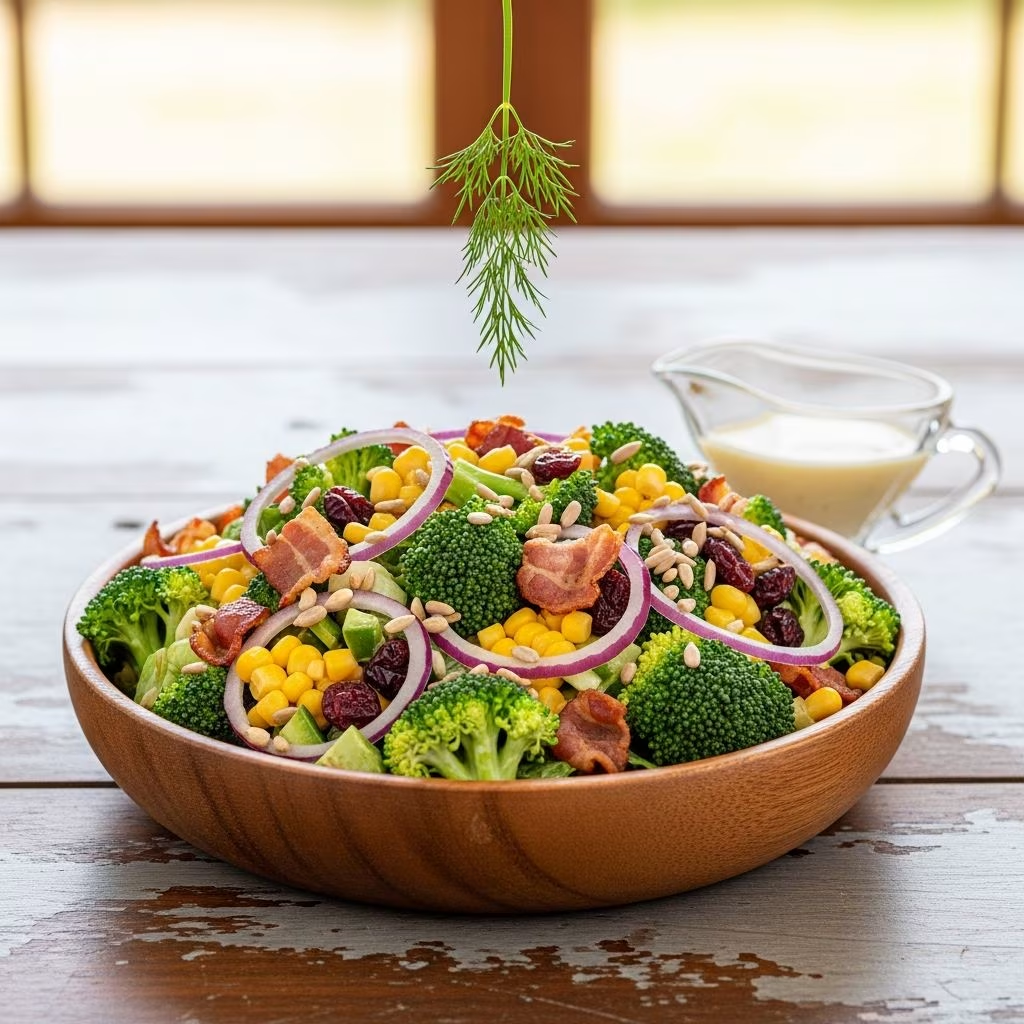
Broccoli salad represents one of the most versatile and beloved side dishes in contemporary cuisine, earning its place at family gatherings, potlucks, barbecues, and dinner tables across diverse culinary traditions. This dish brilliantly combines the wholesome nutrition of fresh vegetables with indulgent, creamy elements that appeal to a wide range of palates. The beauty of broccoli salad lies not merely in its simplicity, but in its remarkable ability to transform humble ingredients into something truly memorable. Whether you’re preparing a meal for a large crowd or seeking a nutritious weekday side dish, understanding the fundamentals of excellent broccoli salad preparation will elevate your cooking repertoire.
Understanding the Foundation: Selecting Quality Broccoli
The foundation of any outstanding broccoli salad begins with thoughtful ingredient selection, particularly the broccoli itself. Fresh broccoli florets should display a vibrant deep green color with tightly closed clusters, indicating peak freshness and nutritional density. When shopping for broccoli, inspect the cut surfaces for bright green coloring rather than yellowing or browning, which signals aging. The stems, often overlooked, provide an excellent culinary opportunity; when properly trimmed and diced, they add textural variety and prevent waste.
Preparation techniques significantly impact the final salad’s quality. Broccoli requires thorough washing under cool running water to remove any residual soil or debris. Pat the florets completely dry using paper towels or a salad spinner, as excess moisture can dilute the dressing and compromise the texture. Cut florets into uniform bite-sized pieces—approximately half-inch pieces work well for most preparations—ensuring even distribution throughout the salad. Don’t discard the stems; instead, remove any tough outer layers and cut the remaining tender flesh into quarter-inch dice for consistent sizing.
The Protein and Texture Elements: Building Complexity
While broccoli provides the nutritional backbone and structural foundation, supplementary ingredients introduce crucial textural contrasts and flavor dimensions. Proteins and crunchy elements transform a simple vegetable into a complete, satisfying dish.
Exploring Protein Options
Bacon remains the traditional protein choice, offering smoky, salty notes that complement the sweet, tangy dressing beautifully. When incorporating bacon, cook it until it achieves a crispy texture, then crumble or chop it into small pieces to distribute evenly throughout. For those seeking healthier alternatives, roasted nuts such as almonds or pecans provide protein along with beneficial healthy fats. These can be lightly seasoned with tamari and smoked paprika, then toasted until golden to create a sophisticated bacon substitute with comparable textural qualities.
Nuts and Seeds for Satisfying Crunch
Sunflower seeds, pepitas, and sliced almonds contribute essential crunch that balances the creamy dressing. These elements should be added thoughtfully—either directly incorporated into the salad or reserved for topping just before serving to maintain optimal texture. Unsalted varieties allow better dressing seasoning control, though lightly roasted versions add deeper flavor dimensions. Consider experimenting with different varieties to discover personal preferences.
Sweet and Savory Elements: Achieving Flavor Balance
Dried fruits introduce natural sweetness that harmonizes with the acidic dressing components. Dried cranberries represent the most popular choice, their tartness providing sophisticated complexity. Alternatives such as raisins, currants, or dried apricots offer different flavor profiles worth exploring. Red onion adds sharp, peppery notes that cut through richness, while cheddar cheese—preferably a sharp variety—contributes umami depth and creamy mouthfeel when the salad sits for several hours.
Mastering the Dressing: The Salad’s Soul
The dressing represents the component that truly distinguishes exceptional broccoli salad from mediocre versions. This creamy element coats every piece of broccoli, delivering consistent flavor and creating the distinctive texture that defines the dish.
Core Dressing Components
Quality mayonnaise serves as the dressing’s primary base, providing richness and emulsification. Approximately three-quarters to one cup of mayonnaise works well for most six to eight cup broccoli salad recipes. Sour cream can supplement mayonnaise in equal parts, offering tang while reducing overall richness—this substitution particularly appeals to those seeking lighter versions. Apple cider vinegar or white wine vinegar adds brightness and balances sweetness, typically in two to three tablespoon quantities.
Seasoning and Sweet Elements
Sugar balances acidity from vinegar and dressing components, creating pleasant depth. Most recipes incorporate two to four tablespoons of sugar, though this should be adjusted according to personal preference and the tartness of your vinegar selection. Dijon mustard adds complexity and slight sharpness without overwhelming, typically one to two teaspoons sufficing. Minced fresh garlic introduces aromatic pungency, while salt and freshly ground black pepper complete the foundational seasoning profile.
Dressing Preparation Technique
Always prepare dressing in a separate bowl before combining with broccoli and other ingredients. Whisk dressing components vigorously to ensure complete incorporation and emulsification. This preliminary preparation allows flavors to meld while ensuring consistent dressing texture before introduction to vegetables. Pour the prepared dressing over the broccoli mixture and toss thoroughly, ensuring every piece receives adequate coating.
Assembly and Timing: Developing Optimal Flavor
Successful broccoli salad preparation requires understanding how time affects final results. Unlike many salads that should be consumed immediately, broccoli salad improves significantly with refrigeration time, typically requiring at least one hour before serving.
Immediate Assembly Process
Combine prepared broccoli florets, protein elements, seeds or nuts, dried fruits, and diced onion in a large mixing bowl. Create a gentle mound, leaving space for the dressing. Pour the prepared dressing directly into the center, then toss thoroughly using two large spoons or salad servers, ensuring every broccoli piece receives adequate dressing coverage. This technique prevents bruising while guaranteeing even distribution.
The Critical Refrigeration Period
Refrigerate the assembled salad for at least one hour, preferably two to four hours, allowing flavors to meld and the dressing to create a cohesive, integrated whole. The prolonged refrigeration also softens the raw broccoli slightly, creating a more tender mouthfeel than immediately served versions. Before presenting the salad, give it a final gentle toss to redistribute ingredients and dressing.
Customization: Adapting to Preferences and Dietary Needs
| Dietary Approach | Modifications | Key Considerations |
|---|---|---|
| Vegetarian | Omit bacon; use nuts or seeds for protein and crunch | Ensure adequate salt content from other sources |
| Vegan | Use vegan mayonnaise and skip cheese; rely on nuts and seeds | May require additional seasoning for depth |
| Lower Fat | Substitute half mayonnaise with Greek yogurt | Reduce cheese quantity; maintain adequate dressing volume |
| Lower Sugar | Use sugar alternatives in dressing; select unsweetened dried fruits | Adjust acid balance as sugar substitutes affect flavor dynamics |
Storage and Make-Ahead Strategies
Broccoli salad demonstrates excellent make-ahead qualities, making it ideal for busy hosts. Prepare broccoli florets up to four days in advance, storing them in airtight containers. The dressing can be assembled twenty-four hours ahead, kept refrigerated until combining with broccoli. The complete salad maintains quality for two to three days when properly covered and refrigerated, though texture gradually softens as the broccoli absorbs additional dressing.
For events where you cannot prepare the salad far in advance, consider a split strategy: prepare the dry ingredients (broccoli, nuts, seeds, dried fruit, onion, and cheese) in a container up to one day ahead, keeping the dressing in a separate sealed container. Combine approximately two hours before serving, allowing adequate flavor development while maintaining optimal texture.
Frequently Asked Questions
Should broccoli be cooked before adding to the salad?
No, broccoli salad specifically calls for raw broccoli florets. Cooking would compromise the crisp texture that defines this dish. The raw broccoli’s firm structure provides essential contrast against the creamy dressing.
Can I make this salad ahead for an event?
Yes, though timing matters for optimal results. The complete salad can be assembled up to four hours in advance. For longer storage, prepare individual components separately and combine two to three hours before serving to balance flavor development with texture preservation.
What are suitable bacon substitutes for vegetarians?
Roasted nuts seasoned with smoked paprika and tamari effectively replicate bacon’s smoky, salty qualities. Coconut bacon offers another creative alternative, providing textural crunch with distinct flavor dimensions.
How can I lighten this traditionally rich dish?
Replace half the mayonnaise with plain Greek yogurt, reduce cheese quantity, and emphasize nuts and seeds over bacon. This approach maintains the dish’s essential character while reducing fat and calorie content.
Can different vegetables be added to this salad?
While broccoli remains the star ingredient, complementary additions include shredded carrots for color, diced celery for additional crunch, or chopped bell peppers for sweetness. Add cautiously to maintain the salad’s essential identity.
Serving Suggestions and Pairing Considerations
Broccoli salad’s versatility makes it suitable for numerous occasions and meal contexts. Serve it alongside grilled proteins at barbecues, featuring it prominently at picnics, or present it as a component of potluck spreads. The salad pairs exceptionally well with barbecued chicken, burgers, and grilled fish, while also standing confidently as part of vegetarian meal compositions. Its cool, refreshing qualities make it particularly appealing during warm weather entertaining.
The salad works equally well in informal family dinners as sophisticated outdoor gatherings. Its crowd-pleasing nature ensures broad appeal across age groups and taste preferences, making it an intelligent choice when planning meals for diverse groups with varying dietary restrictions.
Conclusion: Elevating a Simple Classic
Mastering broccoli salad preparation elevates this humble side dish into an impressive contribution worthy of any table. Through careful ingredient selection, understanding dressing chemistry, and respecting timing considerations, you can create versions that impress both casual diners and more sophisticated palates. Whether you adhere to traditional recipes or explore creative variations, the fundamental principles of quality broccoli salad remain constant: fresh, crisp vegetables; properly balanced, silky dressing; and thoughtful incorporation of complementary textures and flavors. With these guidelines, you’re equipped to create broccoli salad that becomes the memorable standout at your next gathering.
References
- Broccoli Salad Recipe — Love and Lemons. Accessed April 2026. https://www.loveandlemons.com/broccoli-salad/
- Easy Broccoli Salad — Southern Bite. Accessed April 2026. https://southernbite.com/easy-broccoli-salad/
- Broccoli Salad — Sugar Spun Run. Accessed April 2026. https://sugarspunrun.com/broccoli-salad/
- Easy Broccoli Salad Recipe — The Modern Proper. Accessed April 2026. https://themodernproper.com/broccoli-salad
- The Best Broccoli Salad Recipe — Spend With Pennies. Accessed April 2026. https://www.spendwithpennies.com/broccoli-salad/