Broccoli rabe, also known as rapini, stands as one of Italy’s most celebrated green vegetables, prized for its distinctive bitter notes and tender florets. When combined with sharp, nutty pecorino cheese, this humble cruciferous vegetable transforms into an elegant side dish that elevates any meal. This comprehensive guide explores everything you need to know about preparing this timeless combination, from ingredient selection through plating.
Understanding Your Ingredients
The beauty of this dish lies in its simplicity—just a handful of quality ingredients working in harmony. Broccoli rabe serves as the star, offering an earthy, slightly bitter flavor that contrasts beautifully with creamy and salty elements. Unlike its cousin broccoli, which features large florets, broccoli rabe presents smaller, more delicate clusters alongside tender stems that are entirely edible when properly prepared.
Pecorino Romano cheese provides the essential savory backbone. This hard, aged sheep’s milk cheese delivers a pungent, salty flavor that complements the vegetable’s bitterness rather than masking it. The sharpness of pecorino creates complexity that simple mild cheeses cannot achieve. Fresh garlic acts as an aromatic bridge, its pungent compounds becoming mellow and sweet when gently cooked, adding depth without overwhelming the palate.
Quality olive oil serves as the cooking medium and flavor carrier. Extra virgin varieties work best for finishing touches, while standard olive oil suits the initial cooking process. Lemon juice brightens the entire composition, cutting through richness and emphasizing the vegetable’s natural flavors. Red chili peppers introduce subtle heat, a traditional Italian approach that enhances perception of other flavors.
The Importance of Proper Blanching
Before sautéing, blanching represents a critical preparatory step that many home cooks overlook. This technique involves briefly submerging the vegetable in rapidly boiling salted water, which serves multiple purposes simultaneously.
Blanching accomplishes several important functions in vegetable preparation. First, it begins breaking down cell walls, making the vegetable more tender while preserving a pleasant textural contrast. Second, the process neutralizes compounds responsible for excessive bitterness, resulting in more balanced flavor. Third, blanching sets the vegetable’s vibrant green color by halting enzymatic browning reactions.
The process requires precision: one minute of blanching proves optimal for broccoli rabe. This brief window prevents overcooking while achieving the desired textural and flavor modifications. Immediately following blanching, transferring the vegetable to an ice bath halts all cooking processes instantly. This shock-cooling method preserves the bright green color and maintains a slight firmness that becomes tender but not mushy during subsequent sautéing.
After the ice bath, thorough drying becomes essential. Excess water remaining on the vegetable prevents proper browning and dilutes flavors during sautéing. A clean kitchen towel or paper towels effectively absorb residual moisture, preparing the broccoli rabe for the pan.
Mastering the Sauté Technique
Sautéing represents the final cooking stage, where flavors meld and develop complexity. The technique requires attention and proper heat management to achieve optimal results.
Combining butter and olive oil creates an ideal cooking medium. Butter contributes richness and promotes browning through its milk solids, while olive oil raises the smoke point and prevents burning. Heating this mixture over medium heat (not high) allows garlic to cook gently without scorching—a crucial distinction that separates refined preparation from careless cooking.
Adding thinly sliced garlic to the warm fat releases its aromatic compounds gradually. When properly executed, the garlic becomes golden and fragrant within one minute, achieving a toasted quality without bitterness. Adding crushed red pepper flakes to this mixture infuses the oil with gentle heat, distributing spice evenly throughout the final dish.
The pre-blanched broccoli rabe enters the pan next, spending approximately two minutes sautéing. This time allows the vegetable to absorb the garlic-infused oil while achieving a tender-crisp texture. Seasoning at this stage—with salt and pepper—allows these essential flavors to penetrate fully during the brief cooking window. A squeeze of fresh lemon juice added at the end brightens the entire preparation, enhancing perception of flavors and cutting through richness.
Building Layers of Flavor and Texture
| Component | Function | Quantity Guide |
|---|---|---|
| Broccoli Rabe | Primary vegetable, provides structure and bitter notes | 1 bunch (approximately 10 ounces) |
| Garlic | Aromatic foundation, adds savory depth | 2-3 medium cloves, thinly sliced |
| Pecorino Romano | Salty, nutty finish, adds richness | 2 ounces, shaved |
| Olive Oil | Cooking medium and flavor carrier | 3 tablespoons total |
| Butter | Promotes browning, adds richness | 1 tablespoon |
| Lemon Juice | Brightens flavors, cuts richness | 1/2 lemon |
| Red Chili Peppers | Subtle heat, flavor enhancement | 1 fresh or dried, to taste |
The finished dish succeeds through careful balance of complementary elements. The bitter-sweet tension inherent in broccoli rabe becomes more sophisticated rather than harsh when paired with rich, salty pecorino. Garlic’s savory notes bridge these extremes, creating harmony. Citrus introduces freshness, while subtle heat encourages the palate to appreciate subtle flavor variations.
Variations and Adaptations
While the classic preparation with garlic and pecorino remains timeless, several variations offer interesting departures. Professional chefs and home cooks have developed interpretations that maintain the core concept while introducing new dimensions.
Some preparations incorporate crushed red pepper flakes or fresh sliced chilies, emphasizing heat and providing visual contrast against the dark green vegetable. Others add anchovy paste to the initial fat, introducing umami depth that transforms the dish entirely—though this requires careful handling to avoid overwhelming other flavors.
Creative cooks sometimes introduce anchovy-free additions like caramelized garlic, which develops sweet, almost nutty qualities through slow cooking. Others experiment with different cheeses, such as Parmigiano-Reggiano for a slightly milder profile, though traditional recipes specifically call for pecorino’s sharper character.
Broccoli rabe’s cousins—broccolini, gai lan, turnip greens, and mustard greens—all respond well to identical preparation techniques, each bringing distinct flavor profiles to the same basic template.
Selection and Storage Guidance
Choosing quality broccoli rabe at market significantly impacts final results. Fresh bunches display bright green color throughout, with no yellowing or wilting. Firm stems snap cleanly when bent, indicating proper moisture content and youth. Avoid bunches with flowering clusters or visible discoloration, which signal age and potential bitterness.
Store broccoli rabe wrapped in damp paper towels inside a sealed plastic bag, refrigerated. Consumed within three to four days of purchase ensures optimal flavor and texture. Proper storage extends the vegetable’s brief season, allowing multiple preparations before quality diminishes.
Serving Suggestions and Pairing Strategies
Broccoli rabe with pecorino functions beautifully as a side dish accompanying grilled meats, roasted poultry, or baked fish. The vegetable’s boldness complements rich proteins without overwhelming delicate flavors. For vegetarian meals, serve alongside creamy risotto, polenta, or aged cheeses as part of an antipasto spread.
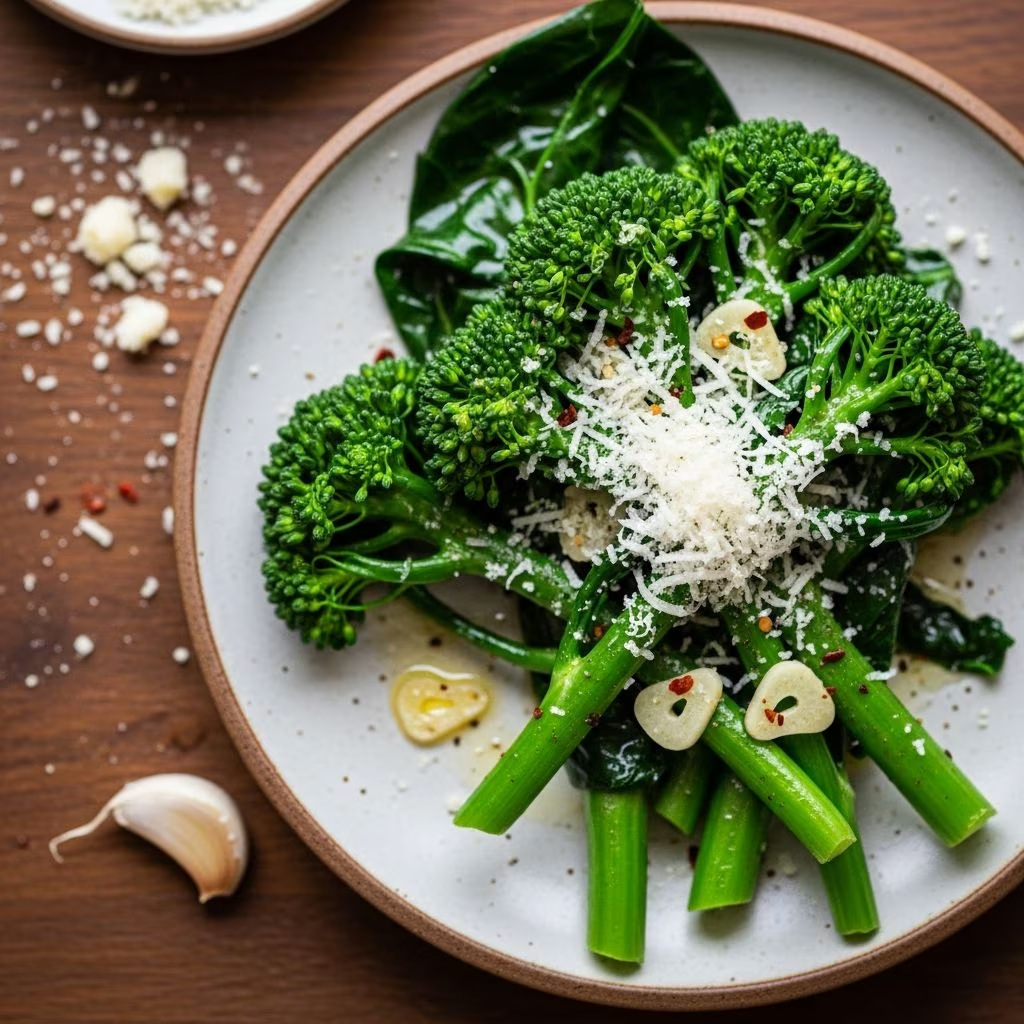
The dish adapts well to different meal scales. A simple weeknight dinner might feature this vegetable alongside pasta and proteins, while formal entertaining benefits from its elegant presentation and sophisticated flavor profile. The visual contrast of dark green florets studded with white cheese shavings creates immediate visual appeal on any plate.
Frequently Asked Questions
What gives broccoli rabe its bitter taste, and is this desirable?
The bitter compounds stem from glucosinolates, natural sulfur-containing molecules characteristic of cruciferous vegetables. In moderate amounts, this bitterness creates complexity rather than unpleasantness—similar to how a quality dark chocolate’s bitterness enhances overall enjoyment. The blanching process reduces excessive bitterness while preserving the flavor’s interesting character.
Can I skip the blanching step?
While blanching optimizes results, it remains optional for home cooks prioritizing speed. Skipping this step requires longer sautéing (approximately five to seven minutes) to achieve tenderness, and the final result may retain more bitterness. The vegetable will cook successfully without blanching, though the final product differs from the refined version that blanching produces.
Why do recipes specify thinly slicing garlic rather than mincing?
Thin slices cook more gently and evenly than minced pieces, reducing the risk of burning. Additionally, visible garlic slices provide attractive texture and visual interest, while minced garlic becomes nearly invisible. This technique reflects Italian cooking traditions emphasizing ingredient visibility and individual flavor components’ recognition.
What’s the best cheese substitute if pecorino isn’t available?
Parmigiano-Reggiano works adequately, though it offers milder character than pecorino. Both belong to the hard, aged Italian cheese category and share similar crystalline textures. Grana Padano presents another option, though avoid soft or mild cheeses that lack the necessary sharpness and won’t achieve proper shaving texture.
How should I shave the cheese?
A vegetable peeler creates the ideal cheese shavings—thin, delicate ribbons that showcase the cheese’s crystalline structure. Simply run the peeler along the cheese block’s edge, working in consistent directions. This technique produces more attractive results than grating while creating larger surface area for better flavor distribution.
Nutritional Considerations
Broccoli rabe offers substantial nutritional benefits alongside its culinary appeal. Belonging to the cruciferous vegetable family, it provides vitamins A, C, and K, plus beneficial plant compounds called glucosinolates. These compounds research suggests may offer protective health properties when consumed regularly as part of a balanced diet.
The preparation method—brief cooking with minimal added fat—preserves heat-sensitive nutrients while introducing healthy fats from olive oil and cheese that enhance absorption of fat-soluble vitamins. The overall dish remains calorie-modest while delivering satisfying richness through cheese and oil rather than excessive quantities of either ingredient.
Conclusion: Mastering a Timeless Preparation
Broccoli rabe with pecorino represents Italian cooking at its finest—simple ingredients treated with respect, yielding results far exceeding the sum of parts. Success requires understanding each component’s role and the techniques that transform raw ingredients into balanced, elegant results. Whether preparing this dish for weeknight family meals or impressive entertaining, the fundamental principles remain constant: quality ingredients, proper technique, and thoughtful seasoning create dishes worth preparing repeatedly.
References
- Broccoli Rabe Tartines Recipe with Chilies and Pecorino — Foodal. https://foodal.com/recipes/appetizers/broccoli-rabe-tartines/
- Broccoli Raab with Garlic and Pecorino — The Bittman Project. https://bittmanproject.com/recipe/broccoli-raab-with-garlic-and-pecorino/
- Cruciferous Vegetables and Cancer Risk — National Cancer Institute (.gov). Evidence-based information on glucosinolates in broccoli rabe and related vegetables.