The trifle has long been celebrated as a centerpiece dessert, but reimagining this traditional layered creation as a morning meal opens entirely new culinary possibilities. A breakfast trifle represents the perfect marriage of indulgence and nutrition, offering a visually stunning presentation that belies its straightforward construction. Unlike hastily assembled breakfast bowls, these carefully orchestrated layers create anticipation with each spoonful, transforming an ordinary morning into something genuinely special.
Understanding the Modern Breakfast Trifle
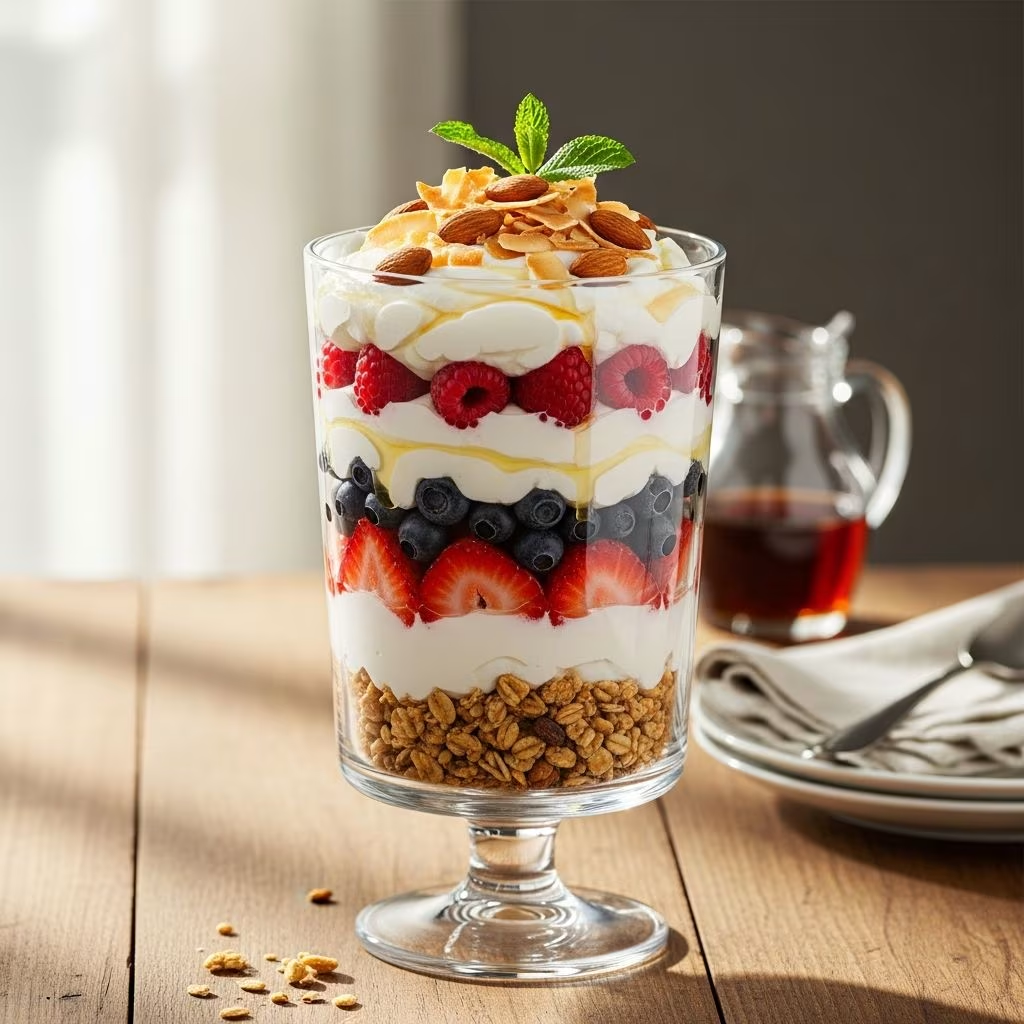
A breakfast trifle maintains the essential structure of its dessert ancestor while substituting components that suit morning appetites and dietary preferences. Where traditional trifles rely on custard and sponge cake, their breakfast counterparts typically feature Greek yogurt as the creamy foundation, supplemented by fresh and frozen fruits, wholesome grains, and cake or bread elements. This adaptation makes the dish simultaneously lighter and more nourishing than its evening equivalent, while preserving the theatrical presentation that makes trifles so visually compelling.
The beauty of this format lies in its flexibility. Home cooks can adapt recipes based on seasonal availability, dietary requirements, or simply what ingredients happen to be on hand. Whether constructed in individual glasses or assembled in a large display bowl, breakfast trifles accommodate both casual family gatherings and more formal entertaining scenarios.
Essential Components for Layered Success
The Yogurt Foundation
Greek yogurt serves as the structural and creamy element that distinguishes breakfast trifles from simpler parfaits. Its thickness and tanginess provide substance without excessive heaviness. The yogurt layer can be customized through various flavor additions that complement the fruit and cake components. Honey stirred into Greek yogurt creates natural sweetness, while ground spices like cinnamon, nutmeg, or cardamom add warming notes that enhance the morning eating experience. Some recipes incorporate chia seeds into the yogurt mixture, allowing them to absorb liquid and create a custard-like consistency that echoes traditional trifles more closely.
Fruit Selections and Preparation
Fruits provide both structural contrast and nutritional value. Frozen berries offer several advantages over fresh options: they’re consistently available year-round, they release juice as they thaw which creates a syrupy layer within the trifle, and they distribute more evenly throughout the composition. Mixed berry combinations provide visual interest and varied flavor profiles. Pomegranate seeds contribute tartness and textural crunch, while citrus fruits add brightness and aromatic notes. Some preparations include stone fruits like peaches, which pair beautifully with berries in classic flavor combinations.
Bread and Grain Elements
The structural foundation traditionally comes from sponge cake or lady fingers. These delicate cookies absorb the surrounding flavors without becoming unpleasantly mushy. Brioche slices offer a richer alternative that adds subtle sweetness. For a nuttier profile, whole grain options like rye flakes or oat-based components integrate seamlessly. Granola provides crunch and modern appeal, working either as a mixed-in element or as a distinct layer that maintains textural integrity throughout storage.
Step-by-Step Construction Methods
Make-Ahead Preparation Strategy
One of the breakfast trifle’s greatest advantages is its make-ahead convenience. Preparation typically divides into two phases: overnight assembly and morning finalization. The night before serving, combine the yogurt with sweetening and spice elements, allowing flavors to meld. Simultaneously, prepare fruit components by partially thawing frozen berries or combining them with sugar and citrus zest to encourage juice release. Layer these components with cake or bread, then refrigerate overnight. This extended refrigeration allows the distinct layers to mingle subtly while maintaining enough separation to showcase the careful construction.
Morning Assembly Completion
The morning of service, complete the trifle by adding elements that benefit from freshness: whipped cream dollops, candied nuts, or additional pomegranate seeds. Some recipes include fresh granola application just before serving to maintain optimal crispness. This two-stage approach ensures that guests encounter a carefully constructed dessert-like creation rather than a component-laden breakfast bowl.
Flavor Combinations Worth Exploring
Classic Berry and Citrus Pairing
Mixed frozen berries layered with Greek yogurt infused with honey create the foundation for numerous successful variations. Adding finely shredded marmalade between layers imparts gentle tartness and complexity. Clementines or other citrus fruits contribute brightness, while pomegranate seeds provide textural contrast and visual drama. This combination works particularly well during winter months when fresh citrus reaches peak quality.
Stone Fruit Variations
The peach-raspberry combination represents a celebrated flavor pairing that translates beautifully into breakfast trifle format. Canned peaches in light syrup work effectively, with the fruit syrup providing moisture for cake layers. Raspberry chia jam creates an intermediate layer that bridges fruit and yogurt components while adding nutritional substance. This version appeals to those seeking a slightly more indulgent morning experience.
Contemporary French Toast Adaptation
For special occasions or weekend brunches, cubed French toast replaces traditional sponge cake, creating a breakfast trifle that reads as elevated comfort food. Texas toast or thick-cut white bread becomes the base for an egg-cinnamon sugar custard coating. Layered with fresh strawberries, whipped cream sweetened and stabilized for holding power, and drizzled with pure maple syrup, this version acknowledges the trifle’s dessert heritage while creating something distinctly breakfast-appropriate.
Equipment and Serving Considerations
Vessel Selection
Traditional trifle dishes with straight sides and a pedestal base showcase layers most effectively, though any clear glass bowl serves the purpose adequately. Individual serving glasses create elegant presentations for smaller gatherings or when portion control matters. Transparent vessels prove essential because the visual component significantly contributes to the overall appeal and perceived indulgence of the dish.
Quantity Planning for Groups
A standard trifle dish serves approximately 8-10 people as a breakfast component within a larger meal, or 5-6 people as a more substantial brunch centerpiece. Individual serving portions typically require 200-250 grams of yogurt mixture, 100-150 grams of fruit, and 50-75 grams of cake or grain elements per person. These proportions allow flexibility based on how generously one wishes to layer and the overall richness of additional components.
Nutritional Considerations and Healthy Modifications
Greek yogurt provides substantial protein content, typically 15-20 grams per 150-gram serving, supporting satiety through the morning hours. Chia seeds contribute omega-3 fatty acids and additional fiber when incorporated into the yogurt layer. Frozen berries retain their antioxidant properties through the freezing process, often matching or exceeding fresh fruit nutritional value. Whole grain cake alternatives or oat-based granola increase fiber content significantly compared to refined options.
For those monitoring sugar intake, several modifications work effectively. Reducing added honey or marmalade while relying on naturally sweet components like peaches or pomegranate creates balance. Using plain rather than flavored yogurt allows better portion control of sweetening elements. Nuts provide richness and satisfaction that can reduce the psychological perception of indulgence limitations.
Seasonal Adaptations Throughout the Year
Winter Months
Citrus zests, pomegranate seeds, and warming spices dominate winter preparations. Frozen berry combinations work beautifully paired with bright marmalades and clementine segments. The visual appeal of pomegranate seeds and jewel-toned berries against cream-colored yogurt creates festive presentations appropriate for holiday entertaining.
Spring and Summer Seasons
As berries reach peak freshness and availability, lighter yogurt preparations with minimal added sweetener become appropriate. Stone fruits like peaches, plums, and apricots introduce subtle tartness. The addition of fresh mint or herb elements creates bright, refreshing variations suited to warmer months. Lighter cream components or yogurt-based whipped cream alternatives work well for these seasons.
Troubleshooting Common Challenges
Preventing soggy cake layers: Layer cake elements with slightly thicker yogurt portions to create a moisture barrier. Alternatively, apply a thin coating of honey or fruit syrup directly to cake surfaces rather than allowing it to pool.
Managing texture preservation: Add granola or nuts as a final layer or topping only minutes before serving if maintaining crunch proves essential. Alternatively, include them in middle layers where surrounding yogurt protects them from excessive moisture.
Achieving proper cream consistency: When whipping cream for topping layers, add a small amount of powdered sugar and vanilla extract to create stability that extends refrigeration time. Some recipes use gelatin to extend whipped cream shelf life to several days.
Controlling fruit juice separation: When using thawed frozen berries, strain excess juice and apply it gradually rather than allowing pooling. Reserve concentrated juice for drizzling between cake layers where it enhances rather than compromises structure.
Presentation Tips for Maximum Visual Impact
Clear glass vessels showcase trifle construction most effectively, making the visible layering a design element rather than simply functional. Choosing yogurt with slightly different coloration from cream elements creates visual distinction. Arranging pomegranate seeds or select berries against the glass sides as visible decorative elements elevates perceived sophistication. Topping with whole berries, nut pieces, or candied citrus creates focal points that draw the eye upward.
Frequently Asked Questions About Breakfast Trifles
How far in advance can breakfast trifles be assembled?
Most breakfast trifles maintain optimal quality for 12-18 hours when properly refrigerated. Components like fresh-cut fruit or granola benefit from addition closer to serving time to preserve texture. The yogurt and cake layers actually improve with overnight refrigeration as flavors meld and the structure sets.
Can breakfast trifles be frozen for later use?
Trifles with whipped cream components don’t freeze successfully, as the cream separates. However, the yogurt, fruit, and cake layers can be frozen separately and assembled fresh when needed. This approach works well for advance entertaining preparation.
Are breakfast trifles appropriate for guests with dietary restrictions?
The format adapts readily to various dietary needs. Dairy-free yogurt substitutes work effectively, as does coconut cream or nut-based alternatives. Gluten-free cake or bread options integrate seamlessly. Vegan modifications using plant-based yogurts and cream alternatives produce satisfactory results.
What’s the best way to serve breakfast trifles to a group?
For self-service situations, individual glasses prove most practical, allowing guests to take servings without requiring specialized serving utensils. For plated service, a large spoon that captures multiple layers in each portion maintains the visual appeal while transferring to individual bowls or plates.
Conclusion: Elevating the Everyday Breakfast Experience
The breakfast trifle transforms morning eating from routine fuel into something genuinely memorable. The visual theater of carefully orchestrated layers, combined with the practical advantage of advance preparation, creates a dish equally suited to casual family weekends and more formal entertaining. Whether working from classic flavor combinations or inventing personal variations, the breakfast trifle framework encourages creativity while maintaining foolproof results. The next time breakfast requires something more inspiring than ordinary bowl combinations, the layered sophistication of a properly constructed trifle provides exactly the elevated experience the morning deserves.
References
- Breakfast Trifle — Nigella Lawson. Nigella.com. https://www.nigella.com/recipes/breakfast-trifle
- Nadiya Hussain’s Breakfast Trifle — BBC Good Food / The Happy Foodie. https://thehappyfoodie.co.uk/recipes/nadiya-hussains-breakfast-trifle/
- French Toast Breakfast Trifle Recipe — Making Life Blissful. https://makinglifeblissful.com/2017/10/french-toast-breakfast-trifle.html
- Peach Melba Breakfast Trifle — Quite Good Food. https://quitegoodfood.co.nz/peach-melba-breakfast-trifle/
- Berry Yogurt Parfait Trifle Recipe — Cookin Canuck. https://www.cookincanuck.com/berry-yogurt-parfait-breakfast-trifle/
- Raspberry Breakfast Trifle — Karla’s Nordic Kitchen. https://www.karlasnordickitchen.com/rapsberry-breakfast-trifle/