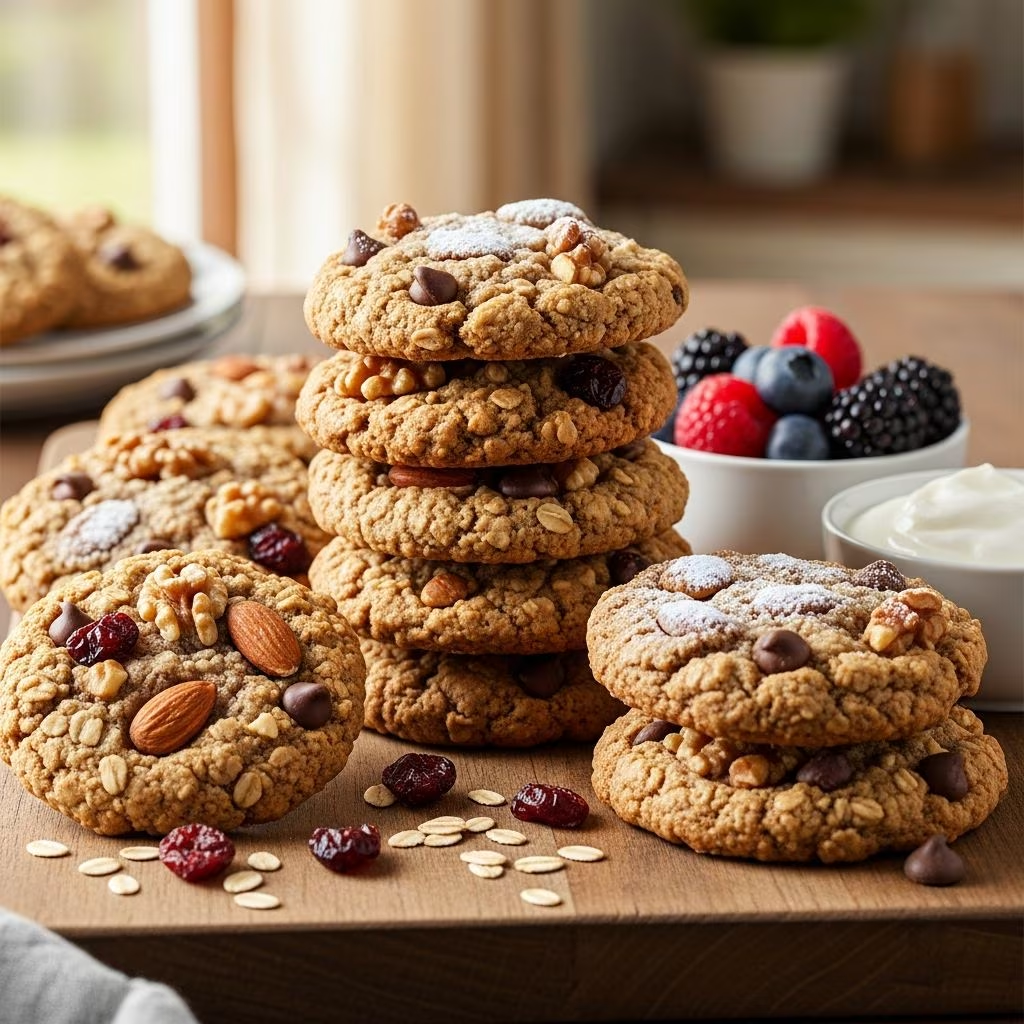
Breakfast cookies represent a practical solution for individuals seeking quick, satisfying morning options without compromising nutritional value. These substantial cookies combine traditional baking techniques with nutrient-dense ingredients, creating portable meals suitable for various dietary preferences and lifestyles.
Understanding What Makes Breakfast Cookies Unique
Unlike conventional dessert cookies designed primarily for indulgence, breakfast cookies emphasize ingredient quality and nutritional composition. These treats integrate whole grains, natural sweeteners, protein sources, and dried fruits to create a balanced nutritional profile that sustains energy throughout the morning hours.
The defining characteristic of breakfast cookies lies in their substantial texture and satisfying nature. Rather than dissolving quickly on the palate like delicate sugar cookies, breakfast varieties maintain structural integrity and provide genuine satiation. This substantial quality stems from generous oat content and minimal refined sugar, allowing consumers to feel genuinely nourished rather than simply consuming empty calories.
Essential Ingredients for Success
Creating reliable breakfast cookies requires understanding how various components contribute to the final product. The following elements form the foundation of successful recipes:
Base Binding Components
- Rolled Oats: Provide the primary structural element and significant fiber content, typically comprising two to three and one-half cups per batch
- Mashed Banana or Applesauce: Serve as natural binders while adding moisture and subtle sweetness without requiring additional refined sugar
- Eggs: Create cohesion within the dough structure and contribute to browning during baking
Flavor and Texture Enhancement
- Nut Butters: Peanut butter, almond butter, or sunflower seed butter introduce protein, healthy fats, and distinctive flavor profiles
- Natural Sweeteners: Maple syrup, honey, or apple butter provide moisture and sweetness without refined sugar’s harsh nutritional impact
- Spices: Ground cinnamon, vanilla extract, and salt enhance flavor complexity and appeal
Nutritious Mix-ins
- Semi-sweet chocolate chips for indulgent appeal
- Dried cranberries, raisins, or other dried fruits for natural sweetness
- Ground flaxseed or pepitas for additional nutritional density
- Toasted cereal varieties for textural variation
Step-by-Step Preparation Process
Combining Wet Ingredients
Begin preparation by gathering all wet ingredients in a substantial mixing bowl. Combine softened or melted butter, eggs, mashed banana, nut butter of choice, natural sweetener, and vanilla extract. Using an electric mixer set to medium speed, blend these components until the mixture achieves a smooth, homogeneous consistency. This thorough mixing ensures even distribution of binders and prevents dry pockets in the finished cookies.
Incorporating Dry Elements
In a separate container, whisk together rolled oats, flour (if using), baking soda, salt, and any desired spices such as cinnamon. Gradually introduce this dry mixture into the wet ingredients while maintaining low mixer speed. Combine only until the flour mixture becomes fully integrated; overmixing develops gluten unnecessarily and can result in dense, tough cookies.
Folding in Mix-ins
Once the primary dough forms, gently fold in chocolate chips, dried fruits, seeds, or other mix-ins using a spatula or wooden spoon. This gentle folding technique prevents pulverizing delicate ingredients and distributes them evenly throughout the dough.
Shaping and Preparing for Baking
Line baking sheets with parchment paper or silicone baking mats. Using a quarter-cup measuring cup, portion dough onto prepared sheets, spacing portions approximately four inches apart to accommodate slight spreading. Flatten each portion slightly using the back of a spoon to create uniform cookie discs approximately three-quarters of an inch thick.
Baking Temperatures and Timing
| Oven Temperature | Baking Duration | Visual Indicators of Doneness |
|---|---|---|
| 325°F (163°C) | 16-19 minutes | Edges lightly browned; centers still slightly soft |
| 350°F (177°C) | 14-18 minutes | Golden brown edges; firm center structure |
| 375°F (190°C) | 12-15 minutes | Light browning throughout; shorter baking period |
Rather than relying solely on timers, monitor cookies visually during baking. Breakfast cookies reach doneness when edges display light browning while centers remain slightly soft. This balance creates optimal texture—crispy exteriors with chewy centers that soften upon cooling.
Allow baked cookies to rest on baking sheets for three to five minutes after removal from the oven. This resting period permits carryover cooking and allows the structure to firm slightly before transferring to wire racks for complete cooling.
Customization Strategies
Dietary Accommodation Options
Breakfast cookies accommodate numerous dietary requirements through straightforward substitutions. For gluten-free preparations, replace all-purpose flour with certified gluten-free flour blends without altering other components. Vegan versions substitute eggs with ground flaxseed mixed with water (one tablespoon flaxseed plus three tablespoons water per egg) and replace butter with coconut oil or vegan butter alternatives.
Flavor Variations
The fundamental recipe framework accepts diverse flavor modifications. Substitute cinnamon with cardamom, nutmeg, or pumpkin pie spice for autumn-inspired variations. Replace traditional chocolate chips with white chocolate, dark chocolate, or carob chips. Experiment with different nut butter varieties—tahini, almond butter, or seed butters—to create distinctive taste profiles and accommodate nut allergies.
Textural Enhancements
Add textural interest through diverse mix-ins. Toasted coconut flakes, chopped nuts, pepitas, or sunflower seeds create satisfying crunch. Crispy cereal varieties like toasted oat cereal or granola pieces introduce textural complexity. Fresh fruit additions should be reserved for variations consumed immediately, as moisture content in fresh produce can compromise shelf stability.
Storage and Longevity
Properly stored breakfast cookies maintain quality for extended periods. In airtight containers kept at room temperature, cookies remain fresh for five to seven days. For longer preservation, freeze baked cookies in freezer-safe containers for up to three months. Individual cookie freezing allows convenient single-portion thawing.
Alternatively, prepare dough in advance and refrigerate in airtight containers for up to three days before baking. Frozen dough portions bake successfully with minimal time adjustments—simply extend baking time by two to three minutes when baking directly from frozen state.
Nutritional Advantages
Breakfast cookies offer substantial nutritional benefits when crafted with whole ingredients. The oat base provides beta-glucan, a soluble fiber supporting cardiovascular health and stable blood glucose levels. Nut butters contribute plant-based protein and heart-healthy monounsaturated fats. Natural sweeteners like maple syrup and banana provide minerals and vitamins absent in refined sugar.
A typical breakfast cookie delivers between four and six grams of protein, three to four grams of dietary fiber, and moderate healthy fat content creating sustained satiation. This nutritional density makes breakfast cookies particularly suitable for active individuals, students, athletes, and anyone requiring sustained energy between meals.
Common Preparation Challenges and Solutions
Preventing Dry or Crumbly Cookies
Excessive flour or insufficient moisture creates undesirable texture. Ensure accurate flour measurement by spooning flour into measuring cups and leveling rather than scooping directly from containers. If dough appears dry, add liquid incrementally—one tablespoon at a time—until achieving appropriate consistency. Mashed overripe bananas, applesauce, or additional nut butter moisture can restore balance.
Addressing Excessive Spreading
Breakfast cookies typically don’t spread extensively due to high oat content, but overly soft dough or excessive oven heat causes unwanted expansion. Chill dough for thirty minutes before baking to firm structure. Verify oven temperature accuracy using an oven thermometer; ovens frequently run hotter than displayed settings. Reduce oven temperature by twenty-five degrees if excessive spreading occurs.
Managing Uneven Baking
Rotate baking sheets halfway through the baking process to ensure even browning. Cookies positioned near oven walls typically brown faster than those in center positions. Ensure sufficient spacing between portioned cookies to allow adequate air circulation.
Frequently Asked Questions
Can breakfast cookies replace complete meals?
While nutritionally substantial, breakfast cookies work optimally as meal components rather than complete replacements. Pair cookies with Greek yogurt, fresh fruit, or milk to create balanced breakfast combinations providing diverse nutrient profiles.
Are breakfast cookies suitable for children?
Yes, breakfast cookies appeal to children and integrate well into school lunch programs. Adjust sweetener amounts to family preferences and select mix-ins accommodating any allergies. Individual-sized portions prevent overindulgence while maintaining convenience.
Can I reduce sugar content further?
Absolutely. Mashed banana and applesauce naturally sweeten without additional sugars. Reduce or eliminate added sweeteners in conventional recipes, adjusting flour amounts if necessary to maintain proper dough consistency. Expect modified texture and browning results with significantly reduced sweetener.
How do I prevent cookie hardening?
Store cookies in airtight containers with parchment paper separating layers. Placing a bread slice or apple slice inside the container releases moisture preventing stale texture. Replace fruit or bread pieces daily to maintain freshness.
What flour alternatives work best?
Oat flour, almond flour, or whole wheat flour integrate successfully into breakfast cookie recipes. Each flour variety affects texture differently—experiment with partial substitutions before completely replacing all-purpose flour.
Making Breakfast Cookies Part of Your Routine
Batch preparation on weekend mornings creates convenient grab-and-go options throughout the week. Prepare double recipes, storing half for immediate consumption and freezing the remainder. This strategy provides consistent breakfast variety with minimal daily preparation demands.
Involve family members in preparation, transforming cookie making into shared activities. Children enjoy measuring ingredients, mixing components, and decorating finished cookies while learning valuable baking fundamentals and nutritional concepts.
References
- Breakfast Cookies (Easy 1 Bowl Recipe) — Sally’s Baking Addiction. 2024. https://sallysbakingaddiction.com/breakfast-cookies/
- Giant Oatmeal, Banana, Peanut Butter Breakfast Cookies — Sarah Goldberg, Registered Dietitian. 2024. https://www.sarahgoldrd.com/oatmeal-peanut-butter-banana-breakfast-cookies/
- Jumbo Breakfast Cookies Recipe — The Sweetest Journey. 2024. https://www.youtube.com/watch?v=tFU1Xuv98Nk
- Giant Breakfast Cookies — Heavenly Homemakers. 2024. https://www.heavenlyhomemakers.com/giant-breakfast-cookies