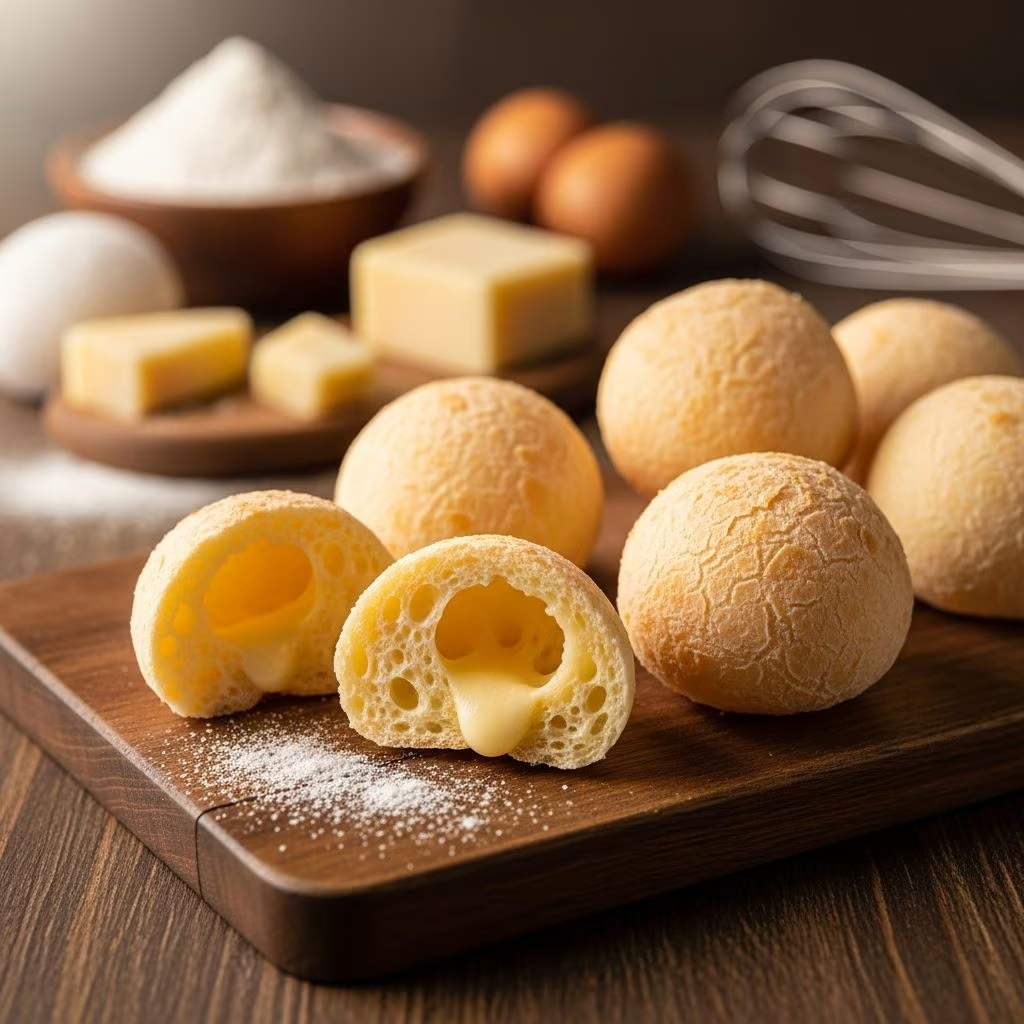
Brazilian cheese bread, known locally as pão de queijo, represents one of the most beloved baked goods in Brazilian cuisine. These delightful cheese puffs have gained international recognition for their distinctive texture and flavor profile. The appeal of this treat extends beyond its taste—it offers a naturally gluten-free alternative to traditional bread products, making it accessible to those with dietary restrictions. The combination of crispy exteriors and impossibly chewy interiors creates an irresistible snack that works equally well for breakfast, afternoon tea, or as an appetizer at gatherings.
Understanding the Foundation: Essential Ingredients
Creating authentic Brazilian cheese bread requires understanding the role each ingredient plays in the final product. Unlike conventional bread recipes that rely on wheat flour, this Brazilian specialty uses tapioca flour as its primary dry ingredient. Tapioca flour, derived from the cassava root, provides the signature chewy texture that distinguishes pão de queijo from other cheese breads. This starch-based flour has minimal protein content, which contributes to the tender crumb structure.
The wet base of the dough typically consists of milk, vegetable oil, and eggs. These ingredients work together to create a cohesive batter that incorporates the tapioca flour properly. Milk adds moisture and helps develop the dough’s structure, while oil contributes to the bread’s tender crumb and helps achieve that golden exterior during baking. Eggs serve as a binding agent and provide lift, allowing the puffs to rise properly in the oven.
Cheese selection significantly impacts the final flavor and texture. Parmesan cheese, with its sharp and slightly nutty profile, pairs beautifully with cheddar cheese’s creamy richness. Some recipes incorporate mozzarella cheese for additional stretchy quality. Using freshly shredded cheese rather than pre-packaged varieties ensures better melting and flavor distribution throughout the dough.
The Blender Method: Modern Convenience
Modern approaches to Brazilian cheese bread often employ a blender or food processor, streamlining preparation and reducing cleanup. This contemporary method begins by combining milk, vegetable oil, and eggs in the blender. These wet ingredients blend for approximately 4-5 seconds until thoroughly combined. This initial step ensures an emulsified base that will properly incorporate the dry ingredients.
Following the blending of wet ingredients, tapioca flour enters the blender along with salt and shredded cheeses. The mixture blends for just 5-7 seconds—timing is crucial at this stage. Over-blending once the flour is added can develop excessive gluten in trace amounts and affect the texture negatively. The goal is achieving a smooth batter with visible cheese pieces still present, maintaining the cheese’s distinct flavor throughout.
This method significantly reduces preparation time, allowing home bakers to prepare these rolls in approximately 20 minutes total. The simplicity of the blender approach has democratized Brazilian cheese bread making, enabling cooks of varying skill levels to produce professional-quality results.
Traditional Stovetop Preparation Technique
While the blender method represents contemporary convenience, traditional Brazilian approaches involve heating the milk and oil on the stovetop before incorporating tapioca flour. This method begins by warming milk, vegetable oil, and salt in a saucepan until the mixture reaches a simmer. The heat helps the starch granules in tapioca flour hydrate more effectively, creating the proper dough consistency.
Once heated, the liquid mixture gets poured over tapioca flour in a mixing bowl or stand mixer. The dough initially appears grainy and gelatinous, quite different from traditional bread dough. With a stand mixer operating at medium speed, the mixture becomes smoother as the tapioca flour fully hydrates. This process typically requires several minutes of mixing to achieve the desired consistency.
After the dough cools slightly, eggs are added gradually with the mixer running. Adding eggs in two batches ensures each portion fully incorporates before the next addition. The dough should gradually transform into a sticky, stretchy mass. Finally, shredded cheese gets mixed in until evenly distributed throughout. The traditional method, while slightly more involved than the blender technique, yields equally delicious results and offers a more interactive baking experience.
Shaping and Preparing for Baking
Shaping Brazilian cheese bread requires minimal technique but yields maximum visual impact. Once the dough achieves the proper consistency—sticky and stretchy without being runny—portioning begins. A cookie scoop measuring approximately 1-2 inches in diameter provides consistent sizing across batches. Alternatively, two spoons can create rustic, slightly irregular shapes that many bakers prefer for their homemade appearance.
Portioned dough gets transferred onto parchment-lined baking sheets or into well-greased mini muffin pans. The muffin tin approach offers several advantages: it standardizes sizing, prevents spreading during baking, and makes handling easier when removing finished puffs from the oven. If using traditional baking sheets, space portions approximately 1-2 inches apart to allow for expansion.
Some recipes suggest topping finished shapes with additional grated cheese before baking, enhancing visual appeal and intensifying the cheese flavor on the crust. This optional step creates a more rustic appearance and adds textural contrast to the finished product.
Baking Parameters and Temperature Control
Oven temperature plays a critical role in achieving the ideal Brazilian cheese bread characteristics. Most recipes recommend preheating to 400°F (200°C), creating an environment hot enough to set the exterior quickly while allowing the interior to remain tender and chewy. This temperature promotes the development of a golden, crispy crust while the interior stays soft and moist.
Baking time varies depending on the size of the portions and the specific oven characteristics. Mini muffin-tin versions typically bake for 15-18 minutes, while larger individual portions may require 25-28 minutes. The puffs are finished when they achieve a deep golden-brown color and have visibly puffed during baking. The expansion indicates proper hydration of the tapioca flour and adequate egg incorporation for lift.
Visual cues matter more than precise timing. Rather than relying solely on a timer, observe the puffs’ color and puffiness. They should feel firm to the touch on the exterior while yielding slightly when pressed gently. The golden color ensures adequate cooking time for the exterior while maintaining the chewy interior texture.
Cooling and Serving Recommendations
Fresh from the oven, Brazilian cheese bread retains intense heat and continues cooking slightly from residual warmth. Allowing 2-3 minutes of cooling on the baking sheet or in the pan permits easier removal without breaking. The exterior sets during this brief cooling period, making the puffs sturdier and less prone to crumbling.
Serving Brazilian cheese bread warm enhances the eating experience dramatically. The cheese remains soft and stretchy, and the tapioca flour’s texture shines when freshly baked. These rolls taste exceptional alongside morning coffee or tea for breakfast or brunch. They complement soups and stews beautifully, serving as a sophisticated alternative to traditional dinner rolls. Even as leftovers, they remain enjoyable at room temperature, though reheating in a 350°F oven for 5 minutes restores their warm, fresh-baked quality.
Ingredient Variations and Flavor Customization
While the classic cheese combination of parmesan and cheddar creates the traditional flavor profile, creative variations offer interesting alternatives. Some bakers substitute mozzarella partially or completely, yielding a milder, creamier cheese flavor with increased stretchiness. Others incorporate small amounts of jalapeño peppers, bacon bits, or fresh herbs like rosemary for savory complexity.
Oil selection also influences the final product subtly. Vegetable oil remains the most neutral choice, allowing cheese flavors to dominate. Some recipes employ olive oil for a slightly fruity undertone, or butter for enhanced richness. These variations require minimal additional adjustments, though slightly less oil might be necessary when using butter due to its lower moisture content.
The versatility of the basic recipe encourages experimentation. Reducing cheese slightly and adding crispy bacon bits, for instance, creates a distinctly different but equally appealing snack. The tapioca flour base remains sufficiently forgiving to accommodate ingredient substitutions without dramatically affecting the final texture.
Troubleshooting Common Challenges
Despite the relative simplicity of Brazilian cheese bread preparation, several issues can arise. Puffs that fail to rise adequately often result from insufficient egg incorporation or over-mixed dough that develops toughness. Ensuring thorough mixing of eggs and avoiding excessive blending once flour is added prevents this problem.
Overly dense interiors typically indicate too much tapioca flour relative to wet ingredients. The dough should be quite sticky and somewhat resembles thick fondant before baking. If the batter appears stiff or dry, additional milk in small increments restores the proper consistency. Conversely, if puffs spread too much during baking rather than puffing upward, the dough likely contains insufficient flour or eggs.
Uneven browning across batches often reflects hot spots in the oven. Rotating the baking sheet halfway through the bake cycle promotes more uniform coloring. If the exterior browns too quickly while the interior remains underdone, lowering the oven temperature by 25°F and extending the bake time by 5-10 minutes corrects the issue.
Storage and Make-Ahead Strategies
Brazilian cheese bread stores remarkably well, making it ideal for advance preparation. Cooled puffs keep in an airtight container at room temperature for 2-3 days without significant quality loss. For longer storage, freezing extends their lifespan to 2-3 months. Freezing works best immediately after cooling, using freezer-safe containers or bags to prevent freezer burn.
Reheating frozen puffs requires thawing at room temperature for approximately one hour, followed by warming in a 350°F oven for 5-8 minutes to restore their warm, fresh-baked quality. Some bakers prefer baking from frozen, adding 2-3 minutes to the baking time for comparable results.
The dough itself can be prepared ahead and refrigerated for up to 24 hours before baking. This flexibility accommodates busy schedules, allowing bakers to complete preparation one day and bake when convenient the next day. Baking time may increase slightly when working with refrigerated dough, as the puffs start from a colder temperature.
Nutritional Profile and Dietary Considerations
Brazilian cheese bread offers inherent nutritional advantages compared to wheat-based bread alternatives. The tapioca flour provides predominantly carbohydrates with minimal protein and fiber, making it suitable for those with celiac disease or gluten sensitivity. Eggs contribute high-quality protein and essential nutrients, while cheese adds calcium and additional protein.
Individual puffs typically contain 60-100 calories depending on size and cheese quantity, positioning them as moderate-calorie snacks or appetizers. The relatively small serving size, combined with the satisfying chewy texture, often results in natural portion control.
For those monitoring sodium intake, reducing the salt slightly adjusts the final product’s sodium content. The cheese naturally contributes sodium, so reducing added salt prevents excess without dramatically affecting flavor. Individuals with dairy allergies cannot enjoy traditional Brazilian cheese bread, though experimentation with dairy-free cheese alternatives may yield acceptable results, though texture characteristics would differ significantly.
Cultural Significance and Brazilian Traditions
Pão de queijo holds special significance in Brazilian culture, particularly in the Minas Gerais region where the recipe originated. These cheese puffs represent comfort food in its truest form, frequently appearing at family gatherings, street markets, and café tables throughout Brazil. The recipe has existed for generations, passed down through families with slight regional variations reflecting local ingredient availability and preferences.
The simplicity of ingredients and preparation methods reflects Brazilian cooking philosophy emphasizing quality ingredients prepared without unnecessary complexity. While modern variations employ blenders and contemporary equipment, the fundamental approach remains unchanged—combine simple ingredients, shape, and bake until golden.
Frequently Asked Questions
Can I use regular flour instead of tapioca flour?
Regular wheat flour cannot replicate the distinctive chewy texture that defines authentic Brazilian cheese bread. All-purpose flour contains more protein, which would create a denser, tougher crumb. The tapioca flour’s starch composition is essential to achieving the characteristic texture.
Is Brazilian cheese bread truly gluten-free?
Yes, when prepared with tapioca flour and without adding wheat flour, Brazilian cheese bread is naturally gluten-free. However, ensure all other ingredients, including cheese and seasonings, are certified gluten-free if needed for celiac disease or severe gluten sensitivity.
Why is my dough too runny?
Excessive wet ingredients or insufficient tapioca flour creates overly liquid dough. Add tapioca flour in small increments while mixing until achieving the proper sticky consistency. The dough should hold together when formed but stick slightly to fingers.
Can I make these in a regular oven versus convection?
Both oven types work well, though convection ovens may require reducing temperature by 25°F and baking time by 2-3 minutes due to more efficient heat circulation. Standard conventional ovens typically follow recipe temperatures as written.
How do I prevent the exterior from cracking?
Cracking often indicates the oven temperature is too high or the puffs were in the oven too long. Ensure proper temperature calibration and remove puffs when they’ve achieved golden color but before overbaking develops surface cracks.
References
- Brazilian Cheese Bread (Pão De Queijo) — Fav Family Recipes. Accessed April 10, 2026. https://www.favfamilyrecipes.com/brazilian-cheese-bread/
- Brazilian Cheese Bread Recipe — Tasha’s Artisan Foods. Accessed April 10, 2026. https://www.tashasartisanfoods.com/blog/brazilian-cheese-bread-recipe/
- Pão de Queijo | Brazilian Cheese Bread — My Cooking Journey. Accessed April 10, 2026. https://www.mycookingjourney.com/pao-de-queijo-brazilian-cheese-bread/
- Authentic Brazilian Cheese Bread (Pão de Queijo) — Olivia’s Cuisine. Accessed April 10, 2026. https://www.oliviascuisine.com/authentic-brazilian-cheese-bread/
- Easy Brazilian Cheese Bread (Pão de Queijo) in a Blender — Kelvin’s Kitchen. YouTube. Accessed April 10, 2026. https://www.youtube.com/watch?v=kSvKUuxABZg