Lemon sauce represents one of the most adaptable condiments in modern cooking, capable of transforming ordinary ingredients into restaurant-quality dishes. Whether you’re preparing a weeknight dinner or impressing guests at a dinner party, mastering the fundamentals of lemon sauce preparation opens countless culinary possibilities. The beauty of this vibrant condiment lies in its simplicity—most versions require only a handful of basic ingredients and minimal cooking time to achieve professional results.
Understanding Lemon Sauce Fundamentals
Lemon sauce operates on a straightforward principle: combining the natural acidity and bright flavor of fresh lemons with complementary ingredients to create a cohesive, flavorful liquid. The sauce’s versatility stems from this basic formula, allowing cooks to adjust components based on intended use. Whether you’re looking for a light drizzle, creamy coating, or rich reduction, the core technique remains consistent.
The foundation of quality lemon sauce depends heavily on ingredient selection. Fresh lemons provide superior flavor compared to bottled juice, as they contain aromatic oils in their zest that elevate the overall profile. Understanding how different base ingredients—butter, cream, stock, or sugar—interact with lemon creates the framework for successful sauce preparation.
Essential Ingredients for Lemon Sauce Creation
The Role of Fresh Citrus
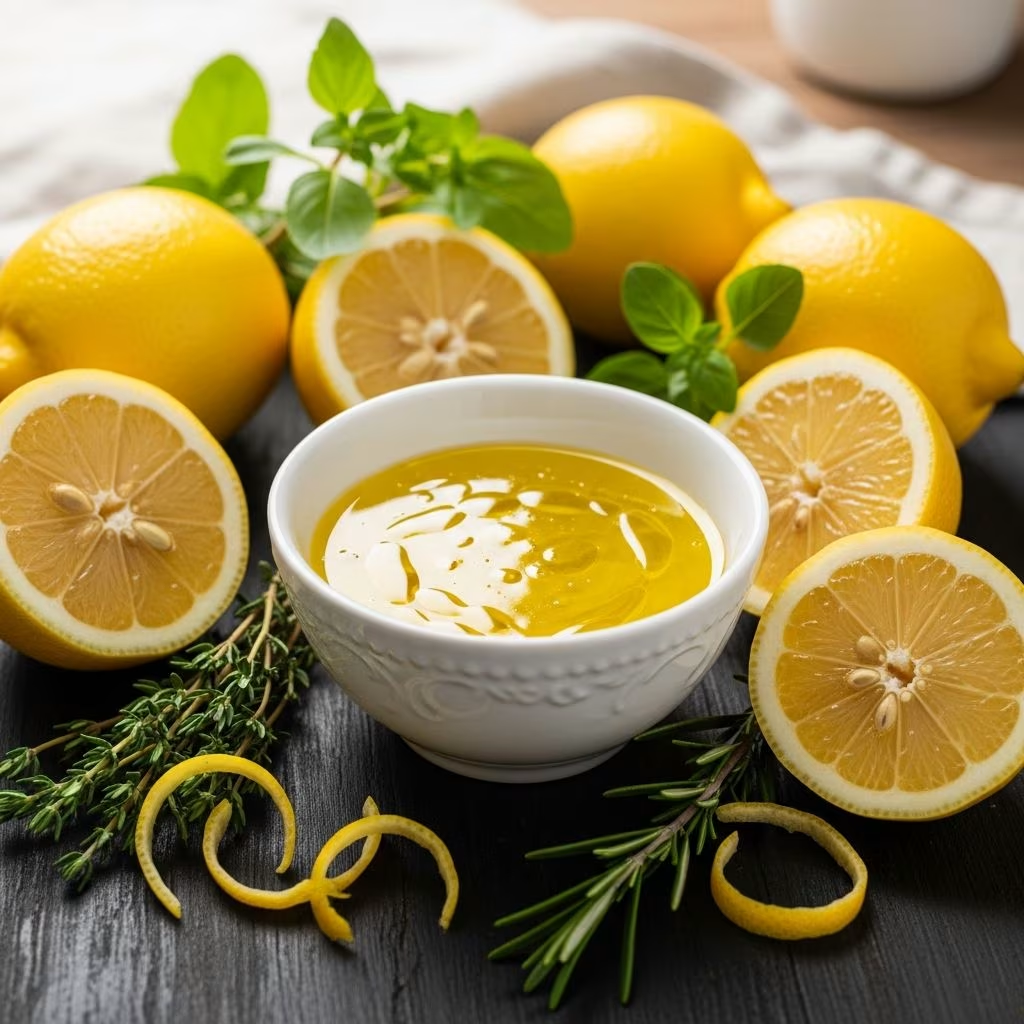
Fresh lemon juice forms the acidic backbone of any quality lemon sauce. When selecting lemons, choose firm specimens with thin, unblemished skin, as these typically contain more juice. Before juicing, roll the lemon firmly on the countertop to break down internal membranes, which increases juice extraction. A single medium lemon typically yields approximately 2-3 tablespoons of juice.
Lemon zest—the colored outer portion of the peel—adds intense citrus flavor and aromatic complexity. A microplane grater produces the finest texture, creating zest particles that integrate seamlessly into sauces rather than creating unpleasant textural elements. The zest contains concentrated essential oils responsible for lemon’s distinctive brightness.
Butter as a Base Component
Unsalted butter serves as the primary fat component in many sauce preparations. Using unsalted varieties grants complete control over final seasoning, as different salted butter brands contain varying sodium levels. High-quality butter with natural, pleasant flavor characteristics directly influences the finished sauce quality. Melting butter over low to medium heat prevents browning and maintains delicate flavor profiles.
Cream-Based Richness
Heavy cream creates luxurious, velvety sauce textures through emulsification with other ingredients. When heating cream, maintain a gentle simmer rather than aggressive boiling, which prevents separation and scorching. Some preparations employ lighter cream varieties, which offer similar richness with slightly less heaviness.
Stock and Aromatic Foundations
Vegetable or chicken stock provides savory depth in non-creamy preparations. These liquid bases carry flavors throughout the sauce while maintaining appropriate consistency. Dried lemon peel concentrated the citrus essence when fresh lemon zest isn’t available, though fresh zest remains superior.
Flavor-Building Additions
Garlic contributes savory undertones when minced or grated and cooked briefly in butter or oil. Herbs de Provence—a French spice blend containing lavender, thyme, and marjoram—adds sophisticated complexity to finished sauces. Parmesan cheese, when finely grated, melts into creamy bases creating umami depth.
Savory Lemon Sauce Preparation Methods
Butter-Forward Technique
The simplest savory approach combines just two components: unsalted butter and fresh lemon juice. Melt butter over low heat in a small saucepan, monitoring closely to prevent browning. Once fully melted, remove from heat and stir in fresh lemon juice, allowing the heat to gently warm the mixture and encourage flavor marriage. Season with sea salt and freshly ground black pepper to taste. This minimalist approach produces elegant results suitable for delicate proteins or vegetables.
Aromatic Garlic-Butter Foundation
For added complexity, sauté minced garlic in melted butter over medium heat for approximately one minute, until fragrant but not browned. This brief cooking period releases garlic’s pungent compounds, distributing them throughout the fat. Remove from heat, then add lemon juice and season with salt and pepper. Optional garnishes including fresh parsley, red pepper flakes, or lemon zest add final flourishes.
Creamy Lemon Pasta Sauce
This preparation combines fresh cream with lemon and parmesan, creating restaurant-quality pasta dishes at home. Begin by heating olive oil or butter in a saucepan over medium heat, then add minced garlic and cook briefly until fragrant. Pour in light cream (single cream preferred over heavy cream for better texture), allowing the mixture to reach a gentle simmer. Whisk in finely grated parmesan cheese, stirring constantly to prevent lumps. The starch naturally present in pasta water thins the sauce if needed. Finally, incorporate fresh lemon juice and zest to taste, then season with salt and pepper.
Rich Cream Sauce with Herbal Notes
Combine butter and garlic as described above, then add Herbs de Provence, crumbling the blend between your fingers to release trapped essential oils. Pour in heavy cream and bring to a gentle simmer, maintaining this temperature for approximately 8 minutes until the sauce achieves light thickening. The mixture will coat the back of a spoon when ready. Whisk in reserved lemon juice (2-3 tablespoons), then season to taste with sea salt and freshly ground pepper.
Stock-Based Savory Version
For a lighter, broth-like sauce, begin by melting unsalted butter in a saucepan over medium heat. Sprinkle all-purpose flour into the melted butter, stirring constantly, and cook this roux for 1-2 minutes until slightly darkened. Gradually whisk in vegetable or chicken stock, maintaining constant whisking to prevent lump formation. Once smooth, add fresh lemon juice and dried lemon peel, then season with Herbs de Provence, kosher salt, and black pepper. This French-inspired preparation pairs beautifully with seafood or roasted vegetables.
Dessert-Focused Lemon Sauce Applications
Sweet lemon sauce transforms ordinary desserts into memorable finales. This variation employs sugar as the primary sweetening agent, creating bright counterpoint to rich desserts. Combine sugar and cornstarch in a saucepan over medium heat, gradually stirring in water. The cornstarch acts as a thickening agent, creating glossy, pourable consistency.
Continue heating and stirring constantly until the mixture reaches a boil, then maintain boiling for exactly one minute while stirring continuously to eliminate lumps and prevent burning. Remove from heat and incorporate lemon zest, fresh lemon juice, and butter, stirring until the butter completely melts. Allow the sauce to cool for approximately 30 minutes before serving, as cooling thickens the mixture further and develops flavors. Serve warm over ice cream, cake, bread pudding, or pancakes for elegant presentation.
Serving Suggestions and Pairings
Protein Applications
- Fish and Seafood: The acidity of lemon sauce complements delicate proteins, cutting through richness while brightening subtle flavors
- Chicken: Versatile poultry accepts both creamy and light lemon variations, from pan-seared breasts to roasted thighs
- Salmon: The sauce’s brightness balances salmon’s natural oils, creating balanced plates
Vegetable and Grain Pairings
- Pasta: Creamy versions cling to noodles, creating restaurant-quality dishes from simple ingredients
- Roasted Vegetables: Light butter-based sauces enhance natural vegetable sweetness without overwhelming delicate flavors
- Steamed Artichokes: The sauce provides perfect dipping medium, enhancing the vegetable’s subtle taste
- Rice Dishes: Pour over cooked grains for immediate flavor elevation
Dessert Serving Ideas
- Ice Cream: Sweet lemon sauce creates classic pairing, with acidity cutting through frozen cream
- Cake: Drizzle over vanilla or butter cake varieties for bright finish
- Bread Pudding: The sauce echoes pudding’s richness while adding brightness
- Pancakes and Waffles: Morning application provides sophisticated alternative to traditional toppings
Common Preparation Mistakes and Solutions
| Challenge | Cause | Solution |
|---|---|---|
| Broken or Separated Sauce | Excessive heat causing emulsion breakdown | Reduce heat to low-medium and stir constantly; add cold cream to cool mixture |
| Overly Thick Consistency | Extended cooking time or excessive reduction | Whisk in additional cream, stock, or water gradually until reaching desired texture |
| Insufficient Lemon Flavor | Using bottled juice or expired lemons | Add zest for additional flavor; use fresh lemon juice and increase quantity slightly |
| Burnt or Brown Butter | Cooking temperature too high | Start fresh batch on low-medium heat, monitoring constantly |
| Grainy Parmesan Addition | Cheese added directly without fine grating | Use microplane grater and whisk continuously when adding to warm cream |
Frequently Asked Questions
Can I substitute bottled lemon juice for fresh?
While possible in emergencies, fresh lemon juice produces noticeably superior results due to its aromatic compounds and natural acidity balance. Bottled juice often contains added preservatives affecting final flavor.
How long does homemade lemon sauce keep?
Refrigerate in an airtight container for up to five days. Creamy versions separate more readily than butter-based varieties when stored. Reheat gently over low heat, whisking occasionally to restore emulsion.
Can I make lemon sauce ahead for entertaining?
Yes, prepare the sauce several hours in advance and refrigerate. Reheat gently before serving, thinning with additional cream or stock if the sauce has thickened excessively during storage.
What’s the difference between lemon sauce and lemon butter?
Lemon butter refers specifically to the simple two-ingredient combination of butter and lemon juice. Lemon sauce encompasses broader preparations incorporating cream, stock, herbs, and other flavor components.
Can vegan cooks make lemon sauce?
Absolutely. Substitute plant-based butter for dairy butter and coconut cream or cashew cream for heavy cream. The basic technique remains identical, with excellent results achievable through proper ingredient selection.
How do I adjust seasoning in finished sauce?
Add salt and pepper gradually in small increments, tasting after each addition. For insufficient lemon flavor, add zest rather than additional juice, which may over-thin the sauce.
Storage and Reheating Guidelines
Proper storage maintains sauce quality throughout its refrigerated lifespan. Transfer cooled sauce to clean, airtight containers and refrigerate immediately. Creamy versions may separate during storage; whisk thoroughly and heat gently over low heat to restore proper consistency and emulsion.
When reheating, use low to medium-low heat and stir frequently to prevent scorching or further separation. If the sauce appears too thick after storage, whisk in small quantities of cream, stock, or water until reaching desired consistency. Avoid boiling, which destabilizes emulsions and can break the sauce.
Conclusion
Mastering lemon sauce preparation provides fundamental skills applicable across countless recipes and entertaining situations. Whether selecting the minimalist two-ingredient butter variation or the sophisticated creamy herb-infused version, the underlying principles remain consistent. Success depends on quality ingredients, proper temperature control, and careful attention to technique. Practice these foundational methods to develop confidence, then explore creative variations and pairings that reflect personal preferences and available ingredients. Fresh lemon sauce elevates everyday meals into special occasions, transforming simple proteins and vegetables into memorable dishes.
References
- Lemon Cream Sauce — Get Inspired Everyday. Accessed April 2026. https://getinspiredeveryday.com/food/lemon-cream-sauce/
- Simple Lemon Butter Sauce (2-Ingredients) — Simple Gray T Shirt. Accessed April 2026. https://simplegraytshirt.com/lemon-butter-sauce/
- Lemon Butter Sauce Recipe — Love and Lemons. Accessed April 2026. https://www.loveandlemons.com/lemon-butter-sauce/
- The Easiest Creamy Lemon Pasta Sauce — The Burnt Butter Table. Accessed April 2026. https://www.theburntbuttertable.com/creamy-lemon-pasta-sauce/
- Savory Lemon Sauce Recipe — Spices Inc. Accessed April 2026. https://spicesinc.com/recipes/savory-lemon-sauce
- Best Lemon Sauce {For Desserts} — Simply Stacie. Accessed April 2026. https://www.simplystacie.net/lemon-sauce/