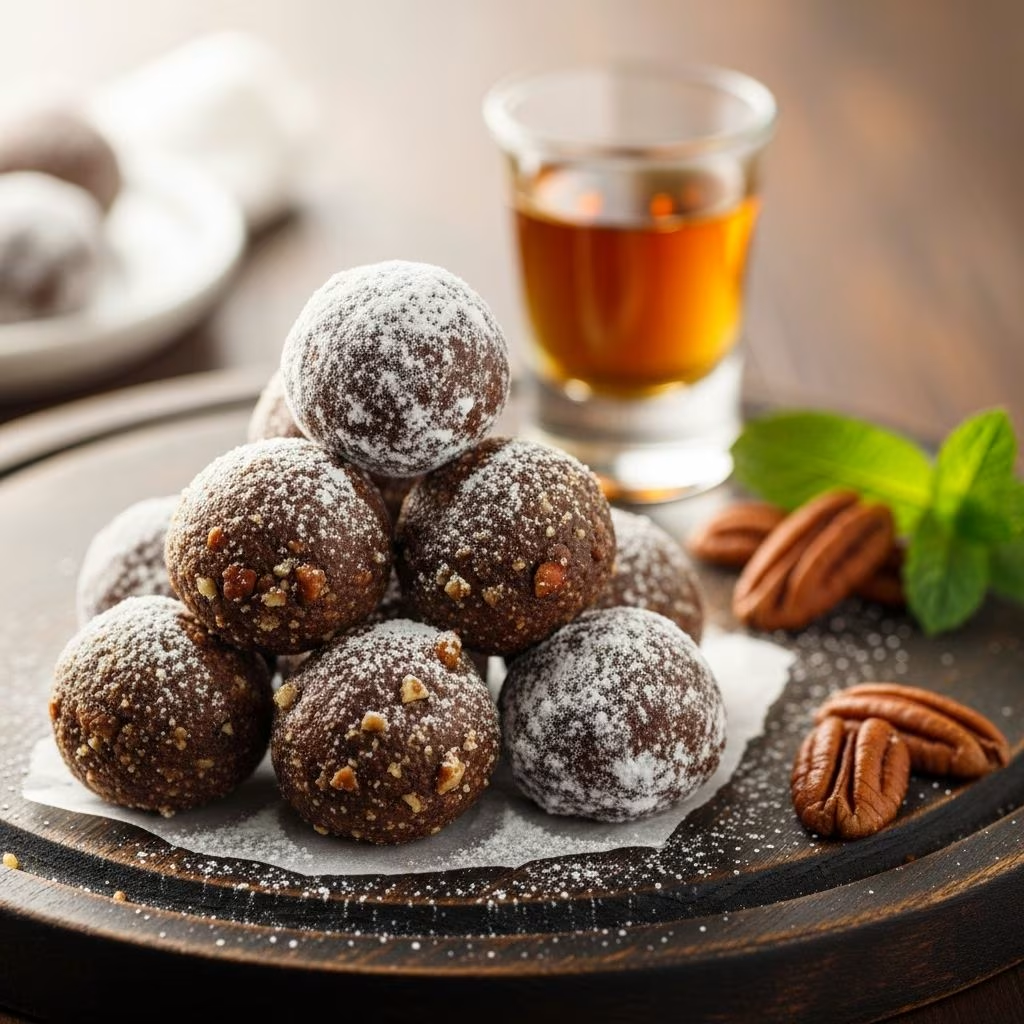
Bourbon balls represent a quintessential American confection that has graced dessert tables and holiday platters for generations. These no-bake treats offer an elegant combination of flavors and textures that appeal to sophisticated palates while remaining surprisingly accessible for home cooks of all skill levels. The beauty of this confection lies in its simplicity—requiring no oven time and minimal equipment—while delivering a refined taste experience that feels far more complex than its straightforward ingredient list suggests.
Understanding the Heritage and Origins of This Beloved Treat
The bourbon ball tradition traces its roots to early twentieth-century America, with particular significance in Kentucky’s candy-making heritage. Ruth Hanly Booe, a former educator who transitioned into candy manufacturing in 1919, created the original bourbon ball recipe in 1938. The inspiration came from an observation by Kentucky Governor Ruby Laffoon, who remarked that few culinary experiences surpassed the combination of chocolate and bourbon. This observation sparked the creation of what would become an iconic confection—a no-bake candy featuring bourbon, pecans, and chocolate working in harmonious balance.
What began as a single candy maker’s innovation has evolved into a widely recognized confection known throughout the United States. Regional variations have emerged over the decades, with different recipes incorporating unique elements while maintaining the essential bourbon-forward flavor profile that defines these treats.
Essential Ingredients and Their Roles
Creating authentic bourbon balls requires understanding how each ingredient contributes to the final product’s texture, flavor, and appearance.
The Foundation: Vanilla Wafer Cookies
Vanilla wafers form the structural base of bourbon balls, providing texture and a subtle sweetness that complements the bourbon’s warmth. Approximately 12 ounces (or roughly 2 cups when crushed) of vanilla wafers creates the ideal consistency for most recipes. When processed into fine crumbs, these cookies distribute evenly throughout the mixture, creating the characteristic crumbly-yet-cohesive texture. Some recipes suggest graham crackers as an alternative, though vanilla wafers provide the most traditional flavor profile.
Nuts: The Textural Component
Pecans contribute both texture and nutty richness that balances the bourbon’s alcohol content. Approximately 8 ounces of pecans (roughly 2 cups when finely ground) provides adequate nutty character without overwhelming other flavors. Toasting pecans before grinding intensifies their flavor, creating a more complex taste profile. The nuts should be processed to a fine consistency to ensure even distribution throughout the mixture and to facilitate proper ball formation.
The Sweetener: Confectioners’ Sugar
Confectioners’ sugar (also called powdered sugar) serves dual purposes: sweetening the mixture and providing the coating for finished balls. The recipe typically calls for 1 cup of powdered sugar mixed into the base, with an additional 1/4 cup reserved for rolling the finished balls. This two-stage application ensures proper sweetness levels while creating an appealing visual finish.
The Star Ingredient: Bourbon Whiskey
Quality bourbon whiskey is absolutely essential to this recipe’s success. The spirit provides not merely alcoholic content but distinctive flavor notes—caramel, vanilla, and oak undertones—that define the confection’s character. Recipes typically call for 1/2 cup of bourbon to bind ingredients while ensuring pronounced flavor. Premium bourbon selections yield superior results; economical spirits may impart harsh or unpleasant flavors to the finished product.
The Depth: Cocoa Powder and Corn Syrup
Unsweetened cocoa powder introduces depth and complexity to the flavor profile, typically incorporated at about 3 tablespoons per batch. Light corn syrup (approximately 2 tablespoons) acts as a binder, helping the mixture hold together during rolling and storage without crystallizing like regular granulated sugar might. This combination of cocoa and syrup creates subtle sweetness and richness without requiring chocolate melting or tempering.
Optional Finishing Elements
Flaked coconut offers an alternative coating option to confectioners’ sugar, providing textural variety and tropical notes. Some variations incorporate vanilla extract or maple syrup for additional flavor complexity. These elements remain optional, allowing cooks to customize batches according to personal preference or ingredient availability.
Equipment and Preparation Considerations
A food processor streamlines ingredient preparation, reducing active preparation time to approximately 30 minutes or less. This device efficiently grinds vanilla wafers and pecans into fine, consistent crumbs without requiring manual effort. While manual grinders can substitute for food processors, they demand significantly more physical effort and may require multiple passes to achieve optimal consistency.
Beyond processing equipment, bourbon ball creation requires only basic tools: mixing bowls, measuring cups and spoons, and small plates for coating ingredients. Some cooks use cookie scoops to ensure uniform ball sizes, contributing to a more polished presentation.
Step-by-Step Preparation Instructions
Phase One: Processing Base Ingredients
Begin by processing vanilla wafer cookies in a food processor until reduced to fine crumbs, transferring completed crumbs to a large mixing bowl. Subsequently, grind pecans in the same processor until finely ground, adding them to the cookie crumbs. This sequential processing ensures proper texture development without mixing raw ingredients prematurely.
Phase Two: Combining Dry Elements
To the combined cookie and pecan mixture, add 1 cup of confectioners’ sugar and 3 tablespoons of unsweetened cocoa powder. Stir thoroughly until these dry ingredients distribute evenly throughout. This step establishes the mixture’s sweetness and cocoa flavor before introducing the bourbon.
Phase Three: Introducing the Binding Elements
Add 1/2 cup of bourbon whiskey and 2 tablespoons of light corn syrup to the dry mixture. Stir vigorously until everything combines into a cohesive mass that holds together when pressed. The mixture should resemble wet sand or moistened breadcrumbs—moist enough to bind but not so wet as to be sticky or unworkable.
Phase Four: Rolling and Coating
Using your hands, roll approximately 3/4-inch balls from the mixture. Prepare two separate plates: one containing flaked coconut (if using) and another with 1/4 cup of confectioners’ sugar reserved for coating. Roll each completed ball in the chosen coating, ensuring even coverage on all sides. Arrange coated balls on a serving platter and cover with plastic wrap.
Phase Five: Chilling and Curation
Refrigerate bourbon balls for at least 1 hour, allowing flavors to meld and the mixture to firm up to the proper texture. Extended refrigeration periods (up to several hours) further enhance texture development and flavor melding. During this chilling phase, the corn syrup sets slightly, creating firmer structures that better maintain their shape during handling and serving.
Storage and Shelf Life Considerations
Bourbon balls maintain quality when stored in tightly sealed containers in a cool location for up to 2 weeks. The bourbon content acts as a preservative, inhibiting spoilage and extending shelf life compared to non-alcoholic confections. Many cooks prepare bourbon balls several days in advance of gatherings, as the extra time allows flavors to develop and intensify.
Variations and Customizations
| Variation Type | Key Modification | Flavor Profile Impact |
|---|---|---|
| Alternative Spirits | Substitute rum or brandy for bourbon | Different flavor complexity; rum adds tropical notes, brandy provides fruity elements |
| Coating Options | Use chocolate dips, cocoa powder, or instant coffee powder | Traditional chocolate dipping creates elegance; cocoa adds bitterness; coffee enhances cocoa notes |
| Ingredient Adjustments | Add vanilla extract or maple syrup to base mixture | Vanilla increases sweetness; maple adds earthy warmth |
| Nut Variations | Substitute or combine with walnuts, almonds, or hazelnuts | Different nut varieties provide distinct flavor and texture characteristics |
| Dairy-Free Version | Eliminate chocolate dipping; rely on powdered sugar coating only | Cleaner bourbon flavor without chocolate richness |
Serving Suggestions and Occasions
Bourbon balls shine on holiday dessert platters alongside traditional cookies and confections. Their sophisticated flavor profile makes them particularly well-suited for adult-oriented gatherings, cocktail parties, and sophisticated entertaining. The no-bake preparation means they can be made days in advance, reducing last-minute preparation stress during busy seasons. Individual presentation on small serving dishes elevates their visual appeal, while their compact size allows guests to enjoy them as a finishing touch after elaborate meals.
Frequently Asked Questions
Can I reduce or eliminate the bourbon content?
While bourbon reduction is possible, it compromises the recipe’s distinctive character. Reducing bourbon to 1/4 cup creates a milder flavor; however, the recipe relies on bourbon for both flavor and binding properties. Eliminating bourbon entirely requires substituting additional binding agents, fundamentally altering the confection’s nature.
Are bourbon balls truly alcohol-free after cooking?
Bourbon balls contain residual alcohol since no cooking process eliminates the spirits entirely. While some alcohol may evaporate during preparation and storage, a portion remains in the finished product. These confections are therefore unsuitable for children or individuals avoiding alcohol consumption.
What if my mixture seems too dry?
Gradually add additional bourbon in 1-tablespoon increments until the mixture reaches proper consistency. Too-dry mixtures crumble when rolling; proper consistency should hold together when squeezed but not feel sticky or wet.
Can I prepare these in advance?
Yes—preparation several days ahead actually enhances flavor development. Store finished balls in sealed containers in cool locations to maintain quality throughout the storage period.
What bourbon types work best?
Higher-quality bourbons with pronounced vanilla and caramel notes produce superior results. Premium selections provide smoother flavor profiles than budget options, justifying the modest additional expense for this application.
Troubleshooting Common Issues
If bourbon balls fail to hold their shape during rolling, the mixture likely contains insufficient binding agent or too much bourbon. Refrigerate for 30 minutes before attempting to roll again. If balls feel excessively hard after refrigeration, they may have chilled too long; allow them to rest at room temperature for 10-15 minutes before serving.
Cracking in the coating typically indicates temperature fluctuation during storage. Maintain consistent cool temperatures and avoid moving finished balls between hot and cold environments.
Conclusion
Bourbon balls represent an accessible pathway to creating sophisticated homemade confections that impress guests and satisfy refined palates. The straightforward ingredient list belies the complexity of flavors achieved through careful combination of bourbon, pecans, cocoa, and vanilla wafers. With minimal equipment requirements and advance preparation flexibility, bourbon balls become an ideal addition to holiday celebrations, gift baskets, and sophisticated gatherings. Whether following traditional recipes or exploring creative variations, this no-bake confection continues to demonstrate why it has remained a beloved American treat for nearly a century.
References
- Bourbon Balls – Serena Lissy — Serena Lissy. Accessed 2026-04-10. https://serenalissy.com/bourbon-balls/
- Meemaw’s Bourbon Balls Recipe and Tips — Wisdom Library. Accessed 2026-04-10. https://www.wisdomlib.org/recipes/meemaws-bourbon-balls-69187
- Mary’s Bourbon Balls Recipe — Mary DiSomma. Accessed 2026-04-10. https://marydisomma.com/blogs/recipes/marys-bourbon-balls