The combination of creamy goat cheese with bright blueberries represents a modern approach to ice cream making that elevates this classic frozen dessert into something truly special. This sophisticated pairing brings together the subtle tang of quality goat cheese with the natural sweetness of fresh blueberries, creating a complex flavor profile that appeals to adventurous palates. Whether you’re planning an elegant dinner party or simply seeking to expand your dessert repertoire, understanding how to execute this recipe successfully will set you apart as a home cook who can deliver restaurant-quality results.
Understanding the Flavor Profile and Appeal
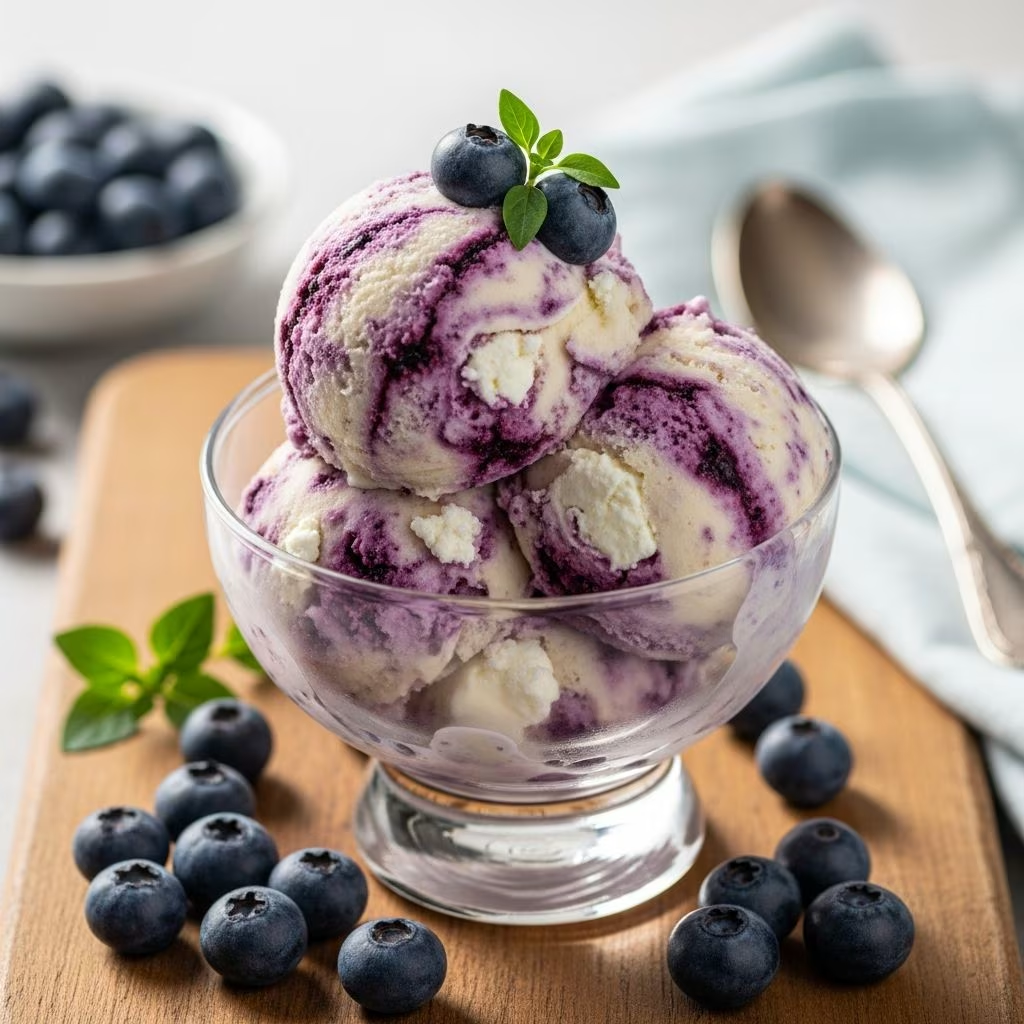
The magic of goat cheese blueberry ice cream lies in its ability to balance contrasting flavor elements into a harmonious whole. Goat cheese, when incorporated into a custard base, provides a subtle tartness and creamy texture that prevents the ice cream from becoming one-dimensional. This dairy component adds depth and complexity that distinguishes the dessert from standard vanilla or fruit-based options. The blueberries contribute natural sweetness, a subtle earthiness, and visual appeal through their deep purple hue. Together, these ingredients create something that tastes more refined than the sum of its parts, making it an ideal choice for guests who appreciate nuanced flavors and unconventional dessert options.
Selecting Premium Ingredients for Optimal Results
The success of this dessert depends significantly on ingredient quality. Choose fresh, plump blueberries during peak season for maximum flavor intensity, or opt for high-quality frozen blueberries that have been properly preserved. When selecting goat cheese, look for products labeled as soft and unripened, typically available in four to eight-ounce packages at most grocery stores. The goat cheese should have a smooth, creamy texture before preparation; aged varieties may be too firm and crumbly for this application.
Heavy cream forms the foundation of your ice cream’s richness, so selecting full-fat dairy products is essential. Whole milk, rather than reduced-fat alternatives, will contribute to a smoother, more luxurious final product. Egg yolks act as an emulsifier and thickening agent, so using fresh, high-quality eggs ensures food safety when they’re heated but not fully cooked in the custard preparation process.
Core Preparation Techniques
Creating the Custard Foundation
The custard base forms the structural foundation of your ice cream. Begin by combining egg yolks with a portion of sugar in a medium heatproof mixing bowl, whisking vigorously until the mixture becomes pale and slightly thickened. This process, known as tempering, incorporates air and helps the eggs reach a safer temperature when heat is introduced.
In a separate large saucepan, combine milk and softened goat cheese over medium-high heat. Stir frequently, breaking apart the cheese pieces until they dissolve completely into the milk without leaving any visible chunks. Once fully incorporated, add the remaining cream and sugar to the pan. Continue heating and stirring occasionally until the mixture begins to bubble gently around the edges. This heating step pasteurizes the milk and activates the goat cheese’s emulsifying properties.
Remove the pan from heat as soon as bubbles appear, being careful to prevent the mixture from boiling over. While the mixture remains hot but not actively boiling, slowly drizzle it into the egg yolk mixture while whisking constantly. This gradual addition prevents the eggs from scrambling due to temperature shock. Once fully incorporated, strain the custard through a fine-mesh sieve to remove any cooked egg particles, then allow it to cool to room temperature before refrigerating for at least four hours and preferably overnight.
Preparing the Blueberry Component
The blueberry layer transforms this ice cream from simple to spectacular. In a small saucepan, combine fresh or thawed blueberries with sugar and a minimal amount of water—approximately one teaspoon or less. Cook over medium heat, stirring frequently until the sugar dissolves completely and the berries darken in color. As they continue cooking, the berries will burst and release their juices, creating a jammy consistency. This process typically requires about ten minutes of cooking time.
For a smoother blueberry component, consider straining the cooked mixture through a fine-mesh sieve to remove seeds and create a more refined texture that integrates seamlessly with the ice cream. Alternatively, leave the berries whole for a chunkier, more textured result. Transfer your blueberry preparation to a separate container and refrigerate alongside the custard until both components reach serving temperature, typically one to two hours of chilling time.
Churning and Freezing Methodologies
Ice Cream Maker Method
If you own an ice cream maker, follow the manufacturer’s instructions for your specific model. Generally, you’ll pour your chilled custard into the machine and churn for twenty to thirty minutes until it reaches a soft-serve consistency. During the final stages of churning, drizzle in your blueberry component in a steady stream while the machine continues rotating. This distributes the blueberries evenly throughout without over-mixing, which would eliminate the attractive swirled appearance.
No-Churn Alternative
For those without ice cream makers, creating no-churn versions offers surprising success. Combine sweetened condensed milk with softened goat cheese in a blender or food processor, then fold this mixture into whipped heavy cream that has been whipped to stiff peaks. Layer this into a loaf pan, alternating with blueberry compote, then freeze for at least eight hours. This method eliminates equipment requirements while producing comparable results, though the texture will differ slightly from churned versions.
Flavor Enhancement Variations
Incorporating Complementary Ingredients
Vanilla extract adds subtle depth without overpowering the delicate goat cheese and blueberry flavors. Add one to two teaspoons to your custard base during preparation. Fresh lemon juice brightens the flavor profile and prevents the blueberry component from becoming cloying; a quarter cup provides excellent results without making the ice cream taste citrusy.
For those seeking more sophisticated flavor dimensions, consider incorporating balsamic vinegar into your roasted blueberries before combining them with the ice cream base. The vinegar’s acidity and subtle sweetness complement the goat cheese’s tang beautifully. Alternatively, honey can be drizzled into the base mixture to provide additional sweetness and a subtle floral note that enhances rather than masks the primary flavors.
Advanced Technique: Roasting the Blueberries
Roasting blueberries with balsamic vinegar and sugar concentrates their flavors and creates deeper complexity. Preheat your oven to 425 degrees Fahrenheit. Toss your blueberries with sugar and balsamic vinegar, spread in a single layer on a baking dish, and roast for thirty minutes. The high heat caramelizes the natural sugars while the vinegar reduces and intensifies. Once roasted, the berries can be pureed with heavy cream and strained back into your custard base, creating a more refined and sophisticated final product.
Comparison of Popular Recipe Approaches
| Method | Preparation Time | Chilling Time | Texture | Equipment Required |
|---|---|---|---|---|
| Traditional Custard with Churning | 45 minutes | 4-8 hours plus churning | Smooth, creamy | Ice cream maker |
| No-Churn Method | 15 minutes | 8 hours minimum | Dense, fudgy | Mixer or whisk |
| Roasted Blueberry Variation | 75 minutes including roasting | 4-8 hours plus churning | Sophisticated, complex | Ice cream maker |
Storage and Serving Recommendations
Once your ice cream has been frozen solid, store it in an airtight container in your freezer for up to two weeks. To prevent ice crystal formation, place plastic wrap directly against the surface of the ice cream before securing the container’s lid. When ready to serve, remove from the freezer five to ten minutes before plating to allow the ice cream to soften slightly, which enhances flavor perception and eating experience.
This dessert pairs beautifully with shortbread cookies, fresh blueberry compote, or a light honey drizzle. For entertaining purposes, serve in pre-chilled bowls or coupe glasses to maintain the ideal temperature longer. Small portions—typically two to three ounces per serving—work best, as the intensity of the goat cheese and blueberry flavors satisfies more completely than larger quantities of milder ice creams.
Frequently Asked Questions
Can I use Greek yogurt as a substitute for goat cheese?
While Greek yogurt shares some tangy characteristics with goat cheese, it lacks the distinctive flavor profile that makes this recipe special. Greek yogurt tends to be more sour and less creamy. If substitution becomes necessary, use equal amounts and expect slightly different results. Sheep’s milk yogurt might provide a closer flavor approximation than Greek yogurt.
What type of blueberries works best—fresh or frozen?
Both fresh and frozen blueberries produce excellent results. Fresh blueberries offer superior flavor during peak season, while frozen varieties maintain their nutritional profile and flavor through proper preservation techniques. Frozen berries often provide more consistent tartness since they’re picked at peak ripeness and frozen immediately. If using frozen blueberries, thaw them completely and drain any excess liquid before cooking.
How can I prevent ice crystals from forming in my frozen ice cream?
Ice crystal formation results from temperature fluctuations. Ensure your freezer maintains a steady temperature of zero degrees Fahrenheit or lower. Cover your ice cream with plastic wrap before securing the container lid to minimize air exposure. Avoid repeatedly opening your freezer door, and remove your ice cream only when ready to serve.
Is this recipe safe to eat without an ice cream maker?
Yes, the no-churn method eliminates the need for specialized equipment entirely. The custard base reaches temperatures that pasteurize the eggs, making it safe for consumption. If you have concerns about raw egg consumption, use pasteurized eggs specifically labeled for this purpose.
Can I prepare this dessert in advance for entertaining?
Absolutely. Prepare the ice cream up to two weeks before serving and store in an airtight freezer container. This advance preparation allows you to focus on other elements of your meal while ensuring a special homemade dessert is available. Remove from the freezer five to ten minutes before serving for optimal texture and flavor.
Serving Ideas and Pairing Suggestions
Transform this ice cream into a complete dessert experience through thoughtful presentation and complementary accompaniments. Serve alongside delicate butter cookies, shortbread, or almond biscotti to provide textural contrast. A drizzle of fresh blueberry compote or a modest honey topping adds visual appeal and flavor intensity. For special occasions, present the ice cream in hollowed-out blueberry pastry shells or alongside a small glass of dessert wine.
The sophisticated flavor profile makes this dessert particularly suitable for elegant dinner parties, bridal showers, or formal gatherings. Guests expecting conventional vanilla or chocolate ice cream will be pleasantly surprised by the nuanced combination of flavors. The goat cheese and blueberry pairing demonstrates culinary knowledge and willingness to experiment with unconventional ingredient combinations, elevating the entire dining experience.
References
- Blueberry Goat Cheese Ice Cream — Slumber and Scones. Accessed April 2026. https://www.slumberandscones.com/blueberry-goat-cheese-ice-cream/
- Blueberry Goat Cheese Ice Cream — Hadden Estate. Accessed April 2026. https://haddenestate.com/blueberry-goat-cheese-ice-cream/
- Blueberry Goat Cheese Ice Cream — Driscoll’s. Accessed April 2026. https://www.driscolls.com/recipes/blueberry-goat-cheese-ice-cream
- Roasted Blueberry Balsamic Goats Cheese Ice Cream — The Kitchen McCabe. April 27, 2015. http://thekitchenmccabe.com/2015/04/27/roasted-blueberry-balsamic-goats-cheese-ice-cream-2/
- Amazingly Easy No-Churn Blueberry Goat Cheese Ice Cream — Homemakers Habitat. August 16, 2019. https://www.homemakershabitat.com/homemakershabitat.com/2019/08/16/no-churn-blueberry-goat-cheese-ice-cream/
- Blueberry Goat Cheese Ice Cream Bars — Crumb Top Baking. Accessed April 2026. https://www.crumbtopbaking.com/blueberry-goat-cheese-ice-cream-bars/
- Roasted Blueberry Ice Cream with Balsamic and Goat Cheese — Butter Yum. June 16, 2016. https://www.butteryum.org/blog/2016/6/16/roasted-blueberry-ice-cream-with-balsamic-and-goat-cheese