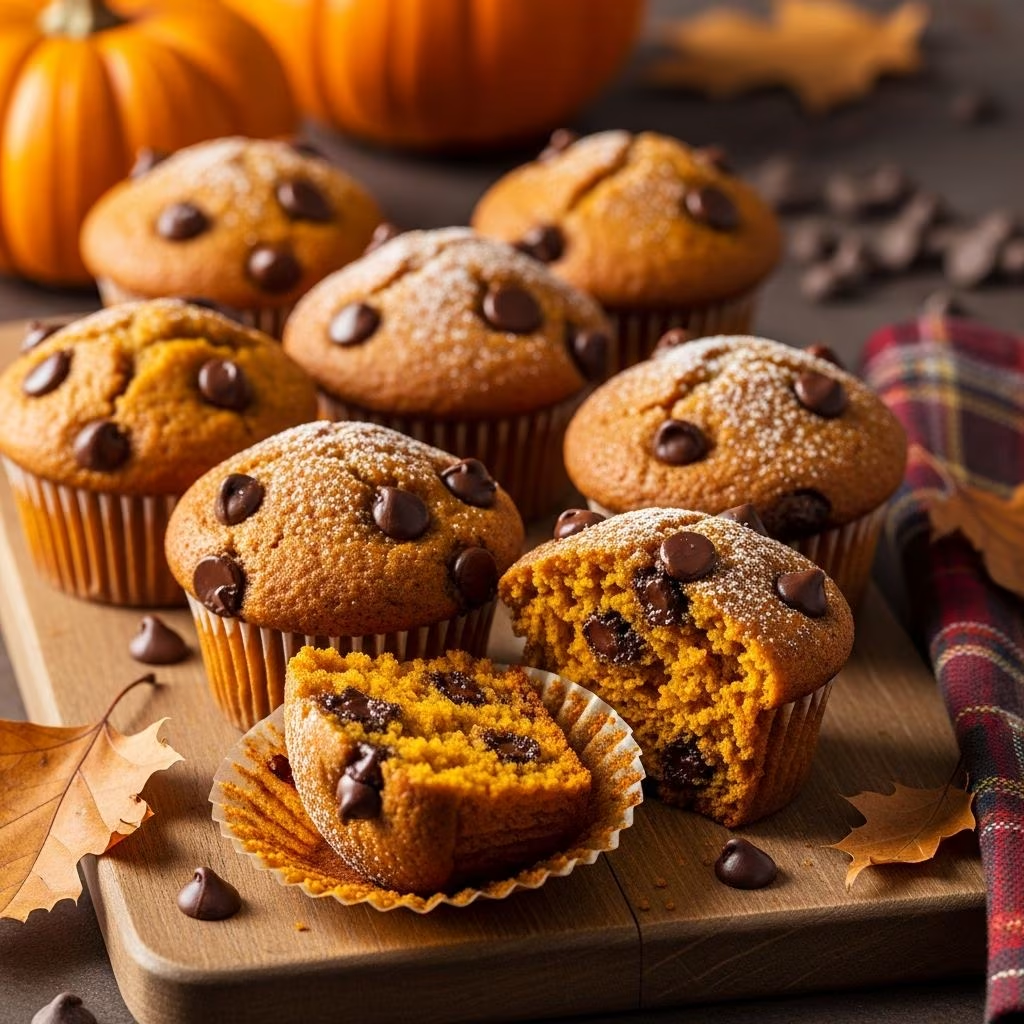
Pumpkin-based baked goods represent a cornerstone of autumn cuisine, and when combined with the indulgent appeal of chocolate chips, they create a muffin that appeals to both classic comfort food enthusiasts and those seeking seasonal flavors. These muffins strike a balance between the earthy, slightly sweet character of pumpkin and the richness of melted chocolate, resulting in a treat that works equally well for breakfast, afternoon snacking, or dessert. Understanding the composition and preparation methods for this popular pastry allows home bakers to achieve consistent, restaurant-quality results.
Understanding the Essential Ingredients
The foundation of successful pumpkin chocolate chip muffins begins with selecting quality ingredients that work harmoniously together. Each component serves a specific purpose in creating the final texture, flavor profile, and moisture level of the finished product.
Pumpkin puree forms the primary wet ingredient and provides the characteristic autumnal flavor while contributing significant moisture to the batter. This ingredient creates a tender crumb structure and allows for reduced oil content compared to traditional muffin recipes. Using pure pumpkin puree rather than sweetened pumpkin pie filling ensures better control over the overall sugar content and final taste.
Eggs and oil work together to create moisture and binding power in the muffin structure. Eggs provide structure and help the muffins rise properly, while vegetable oil contributes to the dense, moist texture that distinguishes these muffins from lighter varieties. The combination of these two ingredients prevents the muffins from becoming dry or crumbly after cooling.
Sugars add sweetness and contribute to browning during baking. Many recipes employ both brown sugar and granulated sugar, with brown sugar providing moisture and depth while granulated sugar offers cleaner sweetness. This dual-sugar approach creates a more complex flavor profile than using a single type.
Flour and leavening agents form the structural backbone. All-purpose flour provides the necessary gluten development for proper rise and crumb structure. Baking powder and baking soda work together to create lift, with baking soda reacting immediately with acidic components while baking powder provides sustained leavening throughout the baking process.
Spices define the characteristic flavor of pumpkin baked goods. Pumpkin pie spice—a blend of cinnamon, nutmeg, ginger, and cloves—delivers the warm, complex flavors associated with autumn. Some recipes feature these spices separately for greater control over individual flavor intensities.
Chocolate chips provide textural contrast and bursts of sweetness throughout each muffin. Semi-sweet chocolate chips work well for most palates, though dark chocolate chips appeal to those preferring less sweetness, and milk chocolate chips suit those with milder preferences.
Complete Ingredient Breakdown
- 1 can (15 ounces) pumpkin puree
- 2 large eggs
- ½ cup brown sugar
- ½ cup granulated sugar
- ½ cup vegetable oil
- ¼ cup milk or buttermilk
- 1 teaspoon vanilla extract
- 2 cups all-purpose flour
- 1 tablespoon pumpkin pie spice
- 2 teaspoons baking powder
- ½ teaspoon baking soda
- ½ teaspoon salt
- 1 cup chocolate chips, plus additional for topping
The Preparation and Mixing Method
Achieving the ideal muffin texture requires careful attention to mixing techniques and the order in which ingredients combine. Overmixing develops excessive gluten, resulting in tough, dense muffins, while insufficient mixing prevents proper ingredient distribution and even rising.
Begin by preheating your oven to 400°F, ensuring it reaches the correct temperature before the batter enters. While the oven heats, prepare your muffin tin by either greasing the cups with oil or inserting paper liners. Paper liners prevent browning on the sides while allowing the tops to develop color properly.
Create two separate bowls for wet and dry ingredients. In the larger bowl, combine pumpkin puree, eggs, both sugars, oil, milk, and vanilla extract. Whisk these ingredients until the mixture reaches a smooth, homogeneous consistency. This stage should take approximately one minute of vigorous whisking.
In the second bowl, sift together flour, pumpkin pie spice, baking powder, baking soda, and salt. Sifting aerates the flour and ensures even distribution of the leavening agents and spices throughout the flour.
Add the dry ingredients to the wet mixture and stir with a rubber spatula or wooden spoon until just combined. Stop mixing as soon as no visible streaks of flour remain—the batter should appear slightly lumpy. This gentle mixing preserves the tender crumb structure.
Fold the chocolate chips into the batter using a spatula, distributing them evenly without excessive stirring. Reserve additional chips for topping if desired.
Filling and Baking Techniques
Proper filling technique affects both the appearance and texture of the finished muffins. Distribute the batter evenly among the 12 muffin cups, adding approximately one-third cup to each. Fill the cups nearly to the top to create nicely formed, rounded muffin tops.
If you reserved additional chocolate chips, sprinkle them over the top of each filled cup. These chips will partially melt during baking and create an appealing visual presentation.
Transfer the muffin tin to the center rack of your preheated oven and bake for 15 to 20 minutes. The muffins are properly baked when the tops spring back to the touch and a toothpick inserted into the center comes out clean or with just a few moist crumbs attached. The edges should appear set while the interior remains tender.
Different ovens vary in temperature accuracy and air circulation, so monitor your muffins starting at the 15-minute mark. Browning too quickly on the exterior while the interior remains wet indicates a need to reduce oven temperature slightly or move the pan to a lower oven position.
Cooling and Storage Considerations
Removing muffins from the oven at the precise moment of doneness represents only part of the baking process. The cooling phase determines the final texture and eating quality.
Allow the muffins to cool in the pan for 10 minutes after removing from the oven. This resting period allows the structure to set slightly, making removal from the tin much easier while the muffins remain warm enough to handle the transfer. After this initial cooling, transfer the muffins to a wire cooling rack where air circulates around them, preventing moisture accumulation on the bottom that could result in soggy muffins.
Serve these muffins while still slightly warm, when the chocolate chips remain soft and gooey. This timing provides the optimal eating experience, though they remain delicious at room temperature for several hours.
For storage beyond a single day, keep cooled muffins in an airtight container at room temperature for up to three days. The pumpkin puree and oil content keep these muffins moist longer than many other varieties. For extended storage, freeze muffins in a freezer-safe bag for up to three months. Thaw frozen muffins at room temperature for approximately 30 minutes before serving, or warm them briefly in a 300°F oven for a fresher-baked quality.
Troubleshooting Common Baking Challenges
| Problem | Likely Cause | Solution |
|---|---|---|
| Dense, Heavy Texture | Overmixing or incorrect leavening measurements | Mix batter gently until just combined; measure baking powder and soda precisely using the spoon-and-level method |
| Muffins Not Rising Properly | Expired leavening agents or oven temperature too low | Check expiration dates on baking powder and soda; verify oven temperature with an oven thermometer |
| Dry Muffins | Overbaking or insufficient oil content | Check for doneness at 15 minutes; ensure oil measurement is accurate |
| Soggy Bottoms | Inadequate pan preparation or improper cooling | Use paper liners and cool muffins on a wire rack rather than in the pan |
| Tunneling (Holes in Muffins) | Excessive mixing developing too much gluten | Mix batter minimally, stopping as soon as dry ingredients disappear |
| Burning on Sides | Too many muffins in tin or oven hot spots | Use only 12 muffins per tin; rotate pan halfway through baking |
Recipe Variations and Creative Additions
While the classic formula delivers consistently excellent results, several variations allow personalization based on preference and dietary requirements.
Spice Intensity Adjustment: Those who prefer milder spice flavors can reduce the pumpkin pie spice to 1½ teaspoons, while spice enthusiasts can increase it to 1½ tablespoons. Some bakers prefer replacing the pre-mixed spice blend with individual spices—½ teaspoon each of cinnamon and nutmeg, plus ¼ teaspoon each of ginger and cloves—for more customized flavor profiles.
Chocolate Variations: Experiment with different chocolate chip types, including white chocolate chips, dark chocolate chips, or a combination of multiple varieties. Some bakers swirl melted chocolate into the batter or create a chocolate chip-only layer in the middle of each muffin for a surprise element.
Texture Additions: Chopped nuts such as walnuts or pecans add crunch and complexity, with ½ cup providing a noticeable textural contrast. Some recipes incorporate dried cranberries or raisins for additional bursts of flavor.
Ingredient Substitutions: Replace vegetable oil with melted coconut oil or avocado oil for different flavor profiles. Substitute all-purpose flour with whole wheat flour for increased fiber, though this may require slightly more liquid to maintain proper batter consistency. Those avoiding dairy can use unsweetened almond milk or oat milk in place of regular milk.
Frequently Asked Questions
Can I Make These Muffins Without a Muffin Tin?
Yes, though results vary. Muffin-top pans create only the rounded tops without the sides. Standard cupcake liners placed on a baking sheet work reasonably well, though the sides won’t develop the same crust as when baked in a tin. Alternatively, bake the batter in a loaf pan as pumpkin bread, increasing baking time to 45-50 minutes.
How Do I Know If My Muffins Are Fully Baked?
Use the toothpick test: insert a wooden toothpick into the center of a muffin. It should come out clean or with just a few moist crumbs. Additionally, the tops should spring back when gently pressed, and the edges should appear set and slightly darker than the center.
Why Are My Muffins Sticking to the Paper Liners?
Liners sometimes stick due to excessive moisture or slight underbaking. Ensure the muffins cool for at least 10 minutes in the pan before removal. If sticking persists, spray paper liners lightly with cooking spray before filling, or use silicone liners which resist sticking better than paper.
Can I Prepare the Batter in Advance?
Prepare wet and dry ingredients separately and store in the refrigerator for up to 24 hours. Combine and bake within a few hours of mixing, as the leavening agents begin working immediately upon contact between wet and dry ingredients. Do not refrigerate the combined batter, as this significantly affects rise and texture.
What Size Muffins Do These Make?
This recipe yields 12 standard-size muffins. The batter can also fill 18 mini muffins, though baking time reduces to 12-15 minutes. Mini muffins cool more quickly and work well for portion control or freezer meals.
Nutritional Considerations
Each muffin contains approximately 300-350 calories, with the majority deriving from carbohydrates and fat. Pumpkin puree provides fiber and beta-carotene, while eggs contribute protein and choline. The chocolate chips add flavonoids and antioxidants in moderate amounts. These muffins fit well into balanced diets when consumed in reasonable portions as part of a varied diet.
Why These Muffins Deserve a Place in Your Baking Rotation
Pumpkin chocolate chip muffins balance nutritional value with indulgent flavor, utilize common pantry ingredients, and require minimal equipment or technical skill to prepare successfully. They accommodate freezing beautifully, making them ideal for batch baking. Whether enjoyed as a quick breakfast, packed in lunchboxes, or offered to guests, they deliver consistent satisfaction and celebrate the best flavors of autumn in a portable, convenient format.
References
- The Science of Baking: How Ingredients Work — King Arthur Baking Company. 2024. https://www.kingarthurbaking.com
- Eggs in Baking: Function and Substitution — University of Illinois Extension. 2023. https://extension.illinois.edu
- Understanding Muffin Structure and Crumb Formation — America’s Test Kitchen. 2024. https://www.americastestkitchen.com
- Nutritional Composition of Pumpkin and Cocoa Products — United States Department of Agriculture. 2025. https://www.usda.gov