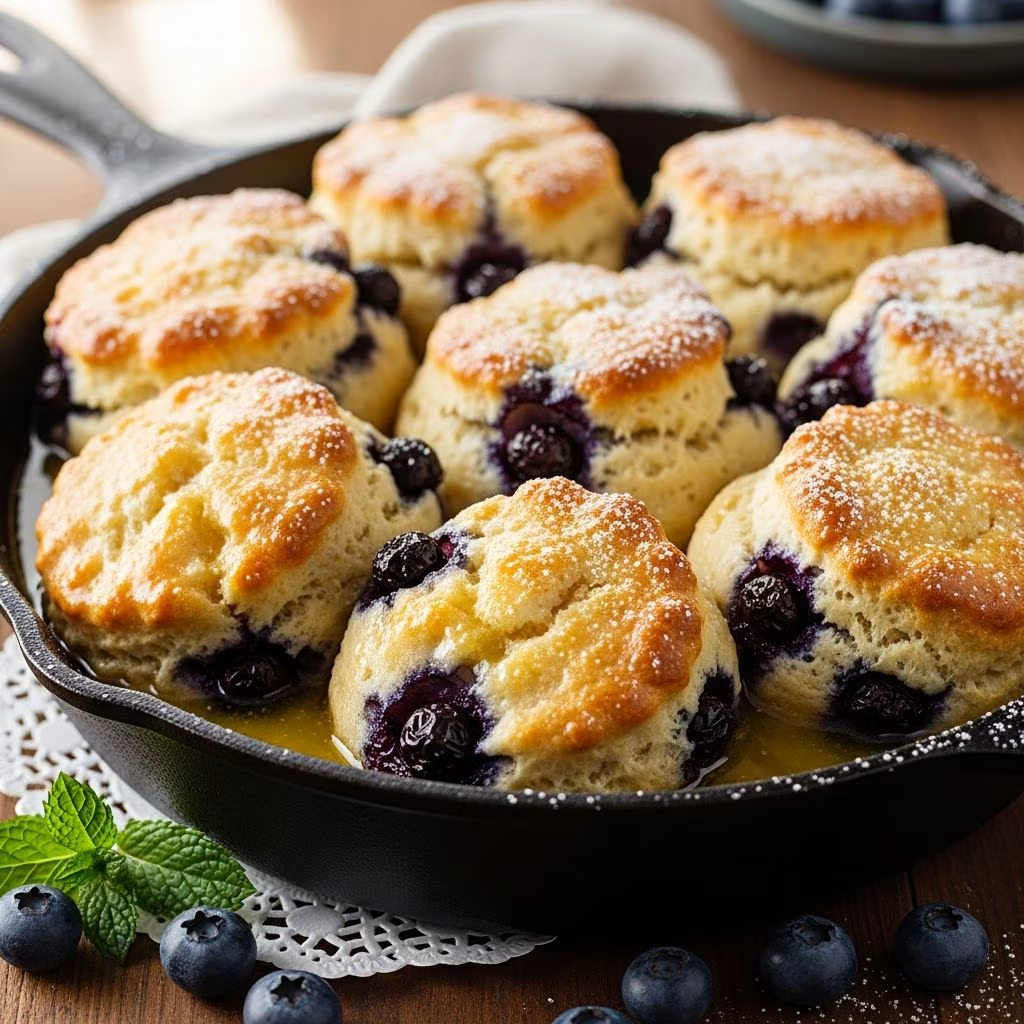
Blueberry butter swim biscuits represent a delightful fusion of traditional baking techniques and modern comfort food appeal. These remarkable pastries combine the simplicity of straightforward ingredient lists with the complexity of achieving the perfect texture contrast—a tender, moist interior paired with a crispy, golden-brown exterior. The distinctive “swim” aspect refers to the generous layer of melted butter in which these biscuits are baked, creating an indulgent result that elevates them beyond ordinary breakfast fare.
Understanding the Butter Swim Baking Method
The butter swim technique represents a departure from conventional biscuit-making approaches. Rather than incorporating cold butter into dry ingredients using traditional pastry-cutting methods, this approach places melted butter directly in the baking vessel before adding the dough. This method fundamentally changes how moisture distributes throughout the biscuits during baking, resulting in exceptionally tender crumbs and a naturally crispy exterior. The butter rises around and over the dough during baking, creating layers of richness and texture that cannot be achieved through standard biscuit production methods.
This baking philosophy emerged from regional American baking traditions where butter and buttermilk were abundant kitchen staples. The technique gained particular prominence in Southern baking cultures, where maximizing flavor and achieving optimal texture consistency remain paramount concerns. Contemporary bakers have embraced this method for its reliability and the consistently outstanding results it produces, making it an accessible option for both experienced and novice home bakers.
Essential Ingredients and Their Functions
| Ingredient | Quantity (Standard Recipe) | Primary Function |
|---|---|---|
| All-Purpose Flour | 2½ cups | Provides structure and body to support abundant moisture and fruit |
| Granulated Sugar | ⅓ to ¼ cup | Enhances browning, contributes moisture retention, creates slight textural crispness |
| Baking Powder | 1 tablespoon | Generates leavening necessary to counteract heavy wet ingredients |
| Salt | ¼ to ½ teaspoon | Balances sweetness, enhances flavor complexity, strengthens gluten structure |
| Buttermilk | 1¾ to 2 cups | Creates tender crumb through acid interaction, adds tang and moisture |
| Fresh Blueberries | 1½ cups | Provides flavor, moisture, and visual appeal throughout the biscuits |
| Salted Butter | ½ cup melted | Creates signature “swim” layer, develops flavor, produces crispy exterior |
The Role of Flour Selection
All-purpose flour serves as the foundational component in this recipe, requiring careful measurement to ensure optimal results. Using the spoon-and-level method rather than scooping directly from the bag prevents packing excessive flour into measuring cups, which would result in tough, dense biscuits. The gluten network developed by all-purpose flour must be robust enough to contain the substantial moisture from buttermilk and the natural juices released by blueberries, while remaining tender enough to maintain the characteristic soft texture that defines these biscuits.
Buttermilk’s Chemical Impact
Buttermilk provides more than simple liquid hydration; its acidic nature reacts with baking powder to generate additional leavening power beyond what the leavening agent alone could achieve. This chemical interaction proves essential when working with such wet dough mixtures. The cold temperature of buttermilk also helps maintain cool dough, which is critical for preventing premature butter incorporation and ensuring even browning during the baking process. For best results, refrigerate buttermilk before use rather than using it at room temperature.
Blueberry Preparation Considerations
Fresh blueberries work optimally in this recipe, though frozen berries can substitute effectively if necessary. When using frozen blueberries, avoid thawing them beforehand, as this releases excessive moisture that can create soggy biscuits. Some bakers coat blueberries lightly in cornstarch before folding them into the batter, which helps reduce juice bleeding and prevents the dough from becoming overly wet. This technique is particularly valuable when working with especially ripe or juicy berries.
Step-by-Step Preparation Process
Initial Setup and Temperature Control
Success begins with preheating your oven to 450°F, allowing the baking chamber to reach optimal temperature before the biscuits enter. Prepare a 9×9-inch baking dish by coating it lightly with nonstick cooking spray or a thin layer of butter. Melt the measured butter in a microwave-safe bowl, then pour the melted butter evenly into the bottom of the prepared baking dish. This creates the characteristic swimming environment for the biscuits. Allow the butter to settle while you prepare the dry ingredients.
Combining Dry Components
In a medium-sized mixing bowl, whisk together the flour, granulated sugar, baking powder, and salt. Whisking rather than simply stirring accomplishes several important objectives: it distributes the leavening agent evenly throughout the flour, aerates the mixture slightly, and helps prevent clumping. This step takes only thirty seconds but makes a measurable difference in final texture consistency.
Developing the Dough Base
Pour the measured buttermilk slowly into the dry ingredients while stirring gently with a wooden spoon or rubber spatula. The goal is combining ingredients until a sticky, shaggy dough forms—resisting the temptation to overmix. Overmixing develops excessive gluten, resulting in tough, dense biscuits rather than the desired tender crumb. If the dough appears too dry after initial stirring, add buttermilk gradually in small increments until reaching the correct consistency. The dough should be sticky to the touch but hold together when pressed.
Incorporating Blueberries
Fold the fresh blueberries into the dough using a gentle hand, turning the mixture over itself rather than using aggressive stirring motions. Preserve the structural integrity of the berries, as crushed blueberries release excessive juice that can compromise texture and create wet spots in the finished biscuits. Distribute the berries as evenly as possible throughout the dough to ensure every bite contains blueberry flavor.
Transferring and Shaping
Pour the biscuit batter directly onto the melted butter in the baking dish. The batter will not fill the entire dish—this is correct. Using a spatula lightly coated with nonstick spray, gently spread the dough to create an even layer. Avoid compacting the mixture excessively. Using a sharp knife, score the dough into nine squares using a 3×3 pattern, pressing the knife down without cutting completely through. These scoring marks guide clean cutting after baking and help heat penetrate evenly.
Baking and Achieving the Ideal Texture
Place the baking dish on the middle oven rack and bake for 25 to 30 minutes, rotating the dish halfway through baking to ensure uniform browning. The biscuits are finished when the tops turn golden brown and a toothpick inserted into the center emerges clean with no wet batter clinging to it. Some recipes recommend baking at 400°F for slightly longer periods, which can produce marginally more uniform browning, though the higher temperature generally produces superior texture contrast.
The butter will bubble up around the edges of the biscuits during baking—this visual indicator confirms that the swimming butter method is working correctly. The exterior of each biscuit will develop a crispy, caramelized crust while the interior remains soft and tender due to the moisture supplied by both the butter and the buttermilk.
Creating a Finishing Glaze
While the biscuits cool slightly, prepare an optional glaze to enhance sweetness and visual appeal. Whisk together one cup of powdered sugar with two tablespoons of fresh lemon juice and half a teaspoon of vanilla extract in a small bowl. The lemon juice adds bright acidity that complements the blueberries beautifully, while the vanilla contributes subtle depth. If the glaze appears too thick, thin it with additional lemon juice, one teaspoon at a time. If it becomes too thin, whisk in more powdered sugar to achieve a drizzle-able consistency. Fresh lemon zest sprinkled over the glaze adds visual sophistication and reinforces the citrus flavor profile.
Expert Tips for Guaranteed Success
- Measure flour correctly: Use the spoon-and-level technique rather than scooping to avoid packing too much flour into your measuring cup.
- Keep ingredients cold: Cold buttermilk and melted butter create the ideal combination for tender biscuits with crispy exteriors.
- Don’t overmix: Stir ingredients until just combined; extended mixing develops toughness.
- Coat blueberries strategically: Light cornstarch coating prevents juice bleeding and maintains texture consistency.
- Allow adequate cooling: Biscuits continue cooking slightly after removal from the oven; allow them to rest five minutes before cutting.
- Use fresh leavening: Baking powder loses effectiveness over time; replace if older than six months.
- Rotate the pan: Halfway through baking, rotate the dish to ensure even browning on all biscuits.
- Preheat thoroughly: Allow the oven to reach full temperature before baking to ensure consistent results.
Customization and Flavor Variations
The basic blueberry butter swim biscuit formula adapts remarkably well to creative variations. Replace some or all of the blueberries with blackberries, raspberries, or mixed berries for different flavor profiles. Honey can partially replace granulated sugar for more complex sweetness, though this requires reducing other liquid slightly to compensate for honey’s moisture content. Almond extract added to the lemon glaze creates subtle complexity that pairs beautifully with blueberries. Ground ginger or cinnamon mixed into the dry ingredients provides warmth that complements berry flavors without overpowering them.
Storage and Make-Ahead Strategies
Freshly baked blueberry butter swim biscuits remain optimal for two to three days when stored in an airtight container at room temperature. Refrigeration will preserve them for up to five days, though room temperature storage maintains superior texture. These biscuits freeze exceptionally well for up to three months; wrap cooled biscuits individually in plastic wrap, place them in a freezer-safe container, and thaw at room temperature before serving. Reheating frozen biscuits in a 300°F oven for ten to fifteen minutes restores crispness to the exterior while warming the interior evenly.
Troubleshooting Common Issues
Dry biscuits typically result from excessive flour or insufficient buttermilk; ensure you measure flour using the correct method and add buttermilk gradually until achieving the proper consistency. Dense, tough biscuits indicate overmixing; stir ingredients just until combined. Uneven browning suggests inconsistent oven temperature or failure to rotate the baking dish halfway through cooking. Blueberries that sink to the bottom often result from using thawed frozen berries or from overmixing, which requires folding berries in very gently. If biscuits spread excessively, your biscuit dough may be too wet, or the melted butter in the pan may have been too warm when you added the dough.
Serving Suggestions and Pairing Ideas
These buttery biscuits shine as part of a weekend breakfast spread alongside fresh whipped cream, Greek yogurt, or crème fraîche. They pair beautifully with strong morning beverages like coffee or tea. For lighter presentations, serve them alongside fresh fruit and soft cheeses. As a dessert option, these biscuits work surprisingly well with vanilla ice cream, transforming into an elegant and simple-to-execute treat. Their natural sweetness means they require minimal additional accompaniments, though a drizzle of honey or a dollop of jam adds indulgence when desired.
References
- What’s in the Pan: Blueberry Butter Swim Biscuits with Lemon Glaze — What’s in the Pan. 2024. https://whatsinthepan.com/blueberry-butter-swim-biscuits-with-lemon-glaze/
- The Country Cook: Blueberry Butter Swim Biscuits — The Country Cook. 2024. https://www.thecountrycook.net/blueberry-butter-swim-biscuits/
- Chef Mike Hard: Blueberry Honey Butter Swim Biscuits Recipe — Chef Mike Hard. 2024. https://www.chefmikehard.com/blog/blueberry-honey-butter-swim-biscuits-recipe
- I Am Baker: Glazed Blueberry Butter Swim Biscuits — I Am Baker. 2024. https://iambaker.net/glazed-blueberry-butter-swim-biscuits/