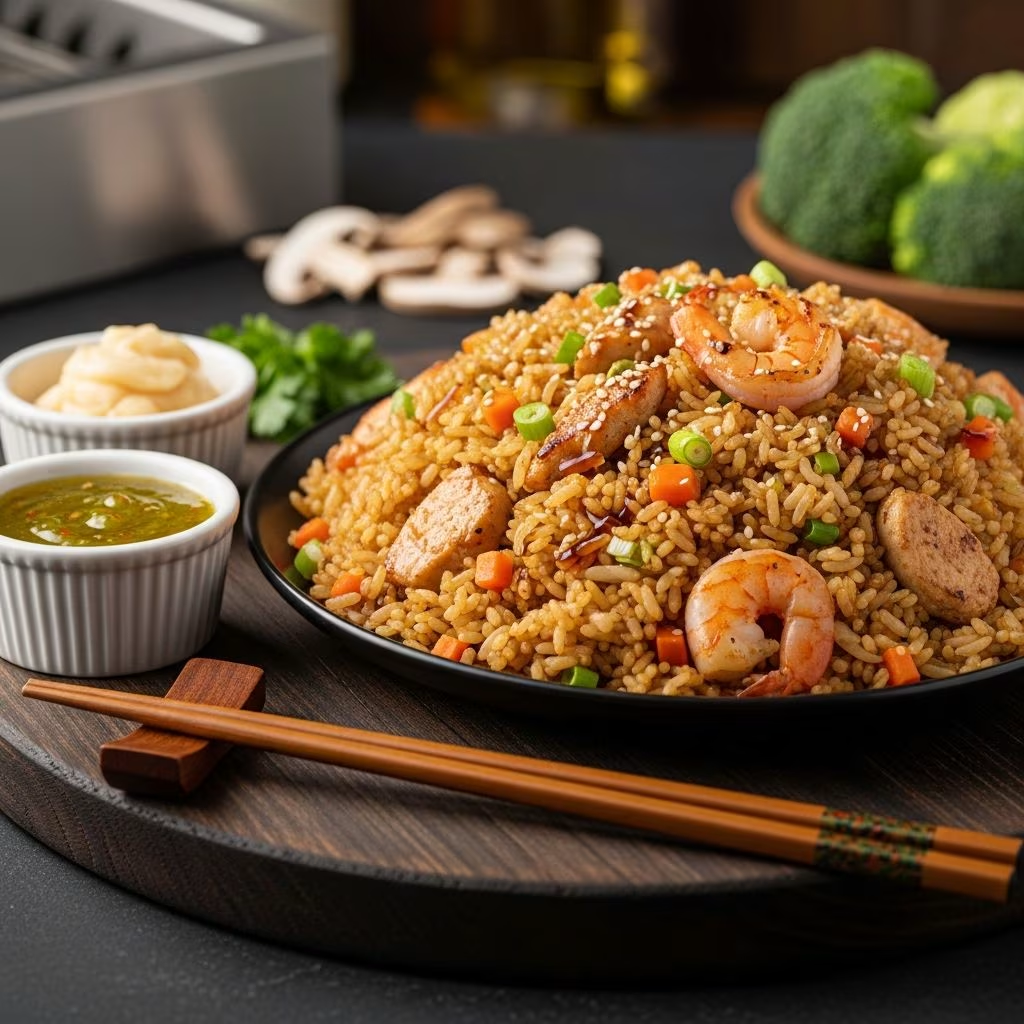
Hibachi fried rice represents one of the most iconic dishes served at Japanese steakhouse restaurants, where skilled chefs prepare it with theatrical flair directly on heated griddles in front of diners. The combination of perfectly cooked rice, scrambled eggs, tender vegetables, and aromatic seasonings creates a side dish that rivals the protein it accompanies. What many home cooks don’t realize is that achieving this restaurant-quality result requires understanding fundamental cooking techniques, ingredient selection, and equipment choices that make the difference between mediocre and exceptional fried rice.
Understanding the Foundation: Why Rice Selection Matters
The quality of your final dish begins before you even heat your cooking vessel. Unlike freshly cooked rice, which contains excess moisture and tends to clump together when stirred, day-old rice that has been refrigerated provides the ideal texture for fried rice preparation. When rice cools overnight, the starches firm up, creating individual grains that remain separate during the cooking process rather than forming a mushy, cohesive mass.
For optimal results, use long-grain white rice or brown rice varieties, each offering distinct advantages. White rice provides the traditional light appearance and slightly firmer texture associated with authentic hibachi preparations, while brown rice offers additional nutritional density and a subtly nutty flavor profile. The rice should be cooled completely and ideally spread on a baking sheet before storage to prevent clumping. If you’re working with freshly cooked rice and time doesn’t permit overnight refrigeration, spreading the warm rice on a sheet and placing it in the freezer for 15-20 minutes can achieve similar moisture reduction.
Essential Equipment and Heat Management
The cooking vessel you select directly impacts your ability to achieve the characteristic sizzle and browning that defines quality hibachi fried rice. A flat-bottomed wok, large skillet, or griddle all work effectively, though each distributes heat slightly differently. The wok’s sloped sides facilitate continuous tossing and movement, while a flat skillet provides more surface area for rice to make direct contact with the heat source, creating those desirable slightly crispy edges.
Temperature control represents another critical factor often overlooked by home cooks. Medium-high heat provides the sweet spot for hibachi fried rice preparation. This temperature is sufficient to thoroughly cook and warm the rice through without scorching it, allowing for proper caramelization of the aromatics and development of layered flavors. The cooking surface should be extremely hot before adding butter or oil, as this ensures ingredients cook quickly and develop proper texture rather than steaming.
The Fat Component: Balancing Butter and Oil
Traditional hibachi fried rice relies on a combination of butter and high-heat cooking oil, each serving distinct culinary purposes. Butter contributes a rich, distinctive flavor that characterizes authentic hibachi rice, while neutral-flavored oils with high smoke points—such as avocado oil, grapeseed oil, vegetable oil, or safflower oil—prevent butter from burning at the elevated temperatures required for proper fried rice preparation.
The typical ratio involves starting with approximately 1 tablespoon of butter for initial vegetable cooking, then adding an additional 2-4 tablespoons during the rice-cooking phase. Some recipes also incorporate a tablespoon of high-heat oil early in the cooking process, particularly when scrambling eggs. This layered approach to fat incorporation ensures consistent flavor distribution throughout the dish while managing heat appropriately at each cooking stage.
Egg Preparation and Integration Techniques
Properly prepared eggs serve as both a textural element and binding agent in hibachi fried rice. Before cooking, eggs should be lightly beaten in a separate bowl with minimal seasoning—just a pinch of salt and ground black pepper. This ensures even cooking and allows the eggs to incorporate throughout the rice rather than remaining in clumps.
The cooking sequence for eggs is particularly important. In a hot skillet with oil, add the beaten eggs and stir continuously until they’re nearly cooked through but still appear slightly wet, usually requiring only 30 seconds to 1 minute. The eggs will continue cooking from residual heat after removal. Transfer them to a separate plate or bowl immediately, allowing them to cool slightly. This approach prevents overcooked, rubbery eggs and maintains a tender, slightly creamy texture that distributes beautifully throughout the finished rice. The eggs are then reintegrated during the final cooking stages, after the rice has already been heated through and begins to pop from the residual moisture in the grains.
Aromatic Building Blocks: Onions, Garlic, and Ginger
Aromatic vegetables form the flavor foundation of exceptional hibachi fried rice. Diced onions, minced garlic, and grated ginger work together to create depth and complexity that transforms simple rice into a complete side dish experience.
Begin by adding butter to the hot skillet, then immediately introduce diced onions—typically 1/2 to 1 cup depending on desired intensity. Allow the onions to cook undisturbed for 3-5 minutes until they become soft and translucent, stirring occasionally. This timing is crucial; onions cooked too quickly remain hard and sharp-tasting, while those allowed to soften develop sweet, caramelized notes. After the onions have softened, add minced garlic (usually 2-3 cloves) and cook for approximately 30 seconds until fragrant. Ginger, when used, should be finely grated and added at the same time as garlic, adding a subtle warmth and complexity to the overall flavor profile.
Optional Vegetable Additions and Variations
While the core hibachi fried rice recipe centers on eggs, onions, and rice, many variations incorporate additional vegetables that complement the base flavors. Common additions include:
- Carrots: Finely diced and sautéed with onions, carrots add natural sweetness and visual appeal through their bright orange color
- Green peas: Fresh or frozen peas contribute sweetness and textural contrast; frozen varieties work particularly well as they require minimal cooking
- Green onions (scallions): Added near the end of cooking, green onions provide fresh, bright flavor and an aesthetically pleasing garnish
- Bell peppers: Diced bell peppers add crunch and color variation, though some traditionalists prefer to omit them for a more authentic approach
When incorporating vegetables beyond the core aromatics, add them sequentially based on their cooking requirements. Harder vegetables like carrots should be introduced early, while delicate ingredients like green peas or zucchini require only brief cooking to maintain texture.
The Critical Rice-Cooking Phase
Once aromatics and any additional vegetables have been properly cooked, the rice itself receives the spotlight. Transfer the cooled, day-old rice into the hot skillet with the cooked vegetables and butter. Using a wooden spatula or rice paddle, break up any clumps in the rice, working methodically to ensure every grain makes contact with the hot cooking surface. This breaking-up process typically requires 3-5 minutes, during which you’ll notice the rice gradually heating through and individual grains separating.
An effective technique involves flattening the rice into a thin, even layer across the cooking surface and allowing it to sit untouched for about 30 seconds, then stirring and repeating this process. This pattern of rest and movement encourages light browning on the rice’s exterior while maintaining proper texture throughout. You’ll recognize that the rice has reached optimal doneness when it begins to emit a faint popping or sizzling sound, indicating that any remaining surface moisture has evaporated.
Seasoning and Flavor Balance
The aromatic liquid components that define hibachi fried rice’s distinctive taste profile are added during the final stages of the rice-cooking phase. Soy sauce—typically 2 tablespoons for a standard four-cup portion of rice—should be drizzled evenly over the rice surface. Many recipes also incorporate toasted sesame oil, contributing a nutty, complex flavor that distinguishes hibachi preparations from simpler fried rice variations. A teaspoon of sesame oil suffices, as its robust flavor means that less is more.
After adding liquid seasonings, stir the rice thoroughly, ensuring that the soy sauce and sesame oil distribute evenly throughout. The rice should absorb these flavorings and begin to emit aromatic steam. Some home cooks prefer to taste the rice at this point and adjust seasoning with additional soy sauce if needed, though care should be taken not to oversalt. A pinch of white pepper powder can also be incorporated, adding subtle heat and depth without overwhelming the other flavors.
Final Assembly and Garnish
With the rice heated through, lightly browned, and properly seasoned, the final stage involves reintroducing the previously cooked scrambled eggs. Add the egg pieces to the rice and fold them in gently, stirring to distribute them throughout without breaking them into tiny fragments. Cook this combined mixture for just 1-2 minutes to allow flavors to meld.
Just before serving, remove the skillet from heat and garnish generously with thinly sliced green onions and additional toppings. Toasted sesame seeds provide visual appeal and a subtle crunch, while fresh cilantro offers brightness for those who enjoy its distinctive flavor. Many diners prefer their hibachi fried rice served alongside a complementary yum-yum sauce or other condiments that add another flavor dimension to the dish.
Troubleshooting Common Hibachi Fried Rice Challenges
| Challenge | Likely Cause | Solution |
|---|---|---|
| Rice appears clumpy and dense | Using freshly cooked warm rice with high moisture content | Always use day-old refrigerated rice; spread fresh rice on a baking sheet and freeze for 15-20 minutes if time doesn’t permit overnight storage |
| Eggs become rubbery and tough | Overcooking eggs during initial scramble or reintroduction | Remove eggs when still slightly wet; reheat gently for only 1-2 minutes during final assembly |
| Rice tastes bland or underseasoned | Insufficient soy sauce or sesame oil; poor distribution during cooking | Increase soy sauce to 2.5 tablespoons and ensure thorough stirring; taste and adjust seasoning before serving |
| Butter flavor dominates, obscuring other tastes | Excessive butter or cooking at temperatures too low for proper evaporation | Reduce butter to 4-5 tablespoons total; increase heat to medium-high for better flavor balance |
| Rice burns or scorches on bottom | Heat too high or rice left undisturbed for extended periods | Maintain medium-high heat; stir rice frequently and reduce resting periods between stirring |
Storage and Make-Ahead Considerations
Hibachi fried rice can be prepared in advance and stored in an airtight container in the refrigerator for up to three days. To reheat, simply transfer to a hot skillet or wok and stir over medium-high heat for 2-3 minutes until warmed through, adding a splash of soy sauce or a small amount of butter if the rice appears dry. This make-ahead capability makes hibachi fried rice an excellent option for meal planning and batch cooking.
Adapting Your Hibachi Fried Rice to Different Proteins
The fundamental rice preparation remains consistent regardless of which protein accompanies it. However, the timing of protein cooking affects meal flow and coordination. If preparing hibachi fried rice to serve alongside chicken, beef, or seafood, consider cooking proteins separately using similar high-heat techniques, or prepare the rice while proteins rest after cooking. This approach allows you to manage multiple components without compromising quality on any single element.
Frequently Asked Questions
What type of rice works best for hibachi fried rice?
Long-grain white rice is traditional and preferred for authentic hibachi preparations, though brown rice offers nutritional benefits. The critical factor is using day-old refrigerated rice with reduced moisture content, ensuring grains remain separate during cooking.
Can I use freshly cooked rice for hibachi fried rice?
Freshly cooked rice contains too much moisture and will clump rather than fry properly. If time doesn’t permit overnight refrigeration, spread warm rice on a baking sheet and freeze for 15-20 minutes to reduce moisture quickly.
Is it necessary to use both butter and oil?
Butter contributes essential flavor, while high-heat oil prevents burning and manages temperature. Using both provides the best results, though if necessary, oil alone can be used, though the dish will lose the characteristic buttery richness that defines authentic hibachi fried rice.
How do I achieve the characteristic sizzle and browning in hibachi fried rice?
Maintain medium-high heat throughout cooking, use a flat-bottomed skillet or wok, and allow rice to rest briefly against the hot cooking surface between stirring intervals. This encourages light browning and the signature sizzling sound.
What seasonings are essential for authentic hibachi flavor?
Soy sauce and toasted sesame oil are non-negotiable core seasonings that define hibachi fried rice. Salt and white pepper provide additional depth, while ginger and garlic add aromatic complexity during the initial cooking stages.
References
- Simple Hibachi Fried Rice Recipe — Little Spice Jar. 2024. https://www.littlespicejar.com/hibachi-fried-rice/
- Easy Hibachi Fried Rice Recipe — Simply LaKita. 2024. https://www.simplylakita.com/hibachi-style-fried-rice/
- Hibachi Fried Rice — The Country Cook. 2024. https://www.thecountrycook.net/hibachi-fried-rice/
- Hibachi Fried Rice (Japanese Style Fried Rice) — Whisk Affair. 2024. https://www.whiskaffair.com/hibachi-fried-rice-recipe/
- Hibachi Fried Rice Recipe (Best Benihana Copycat) — Weekday Pescatarian. 2024. https://weekdaypescatarian.com/hibachi-fried-rice-recipe-best-benihana-copycat/