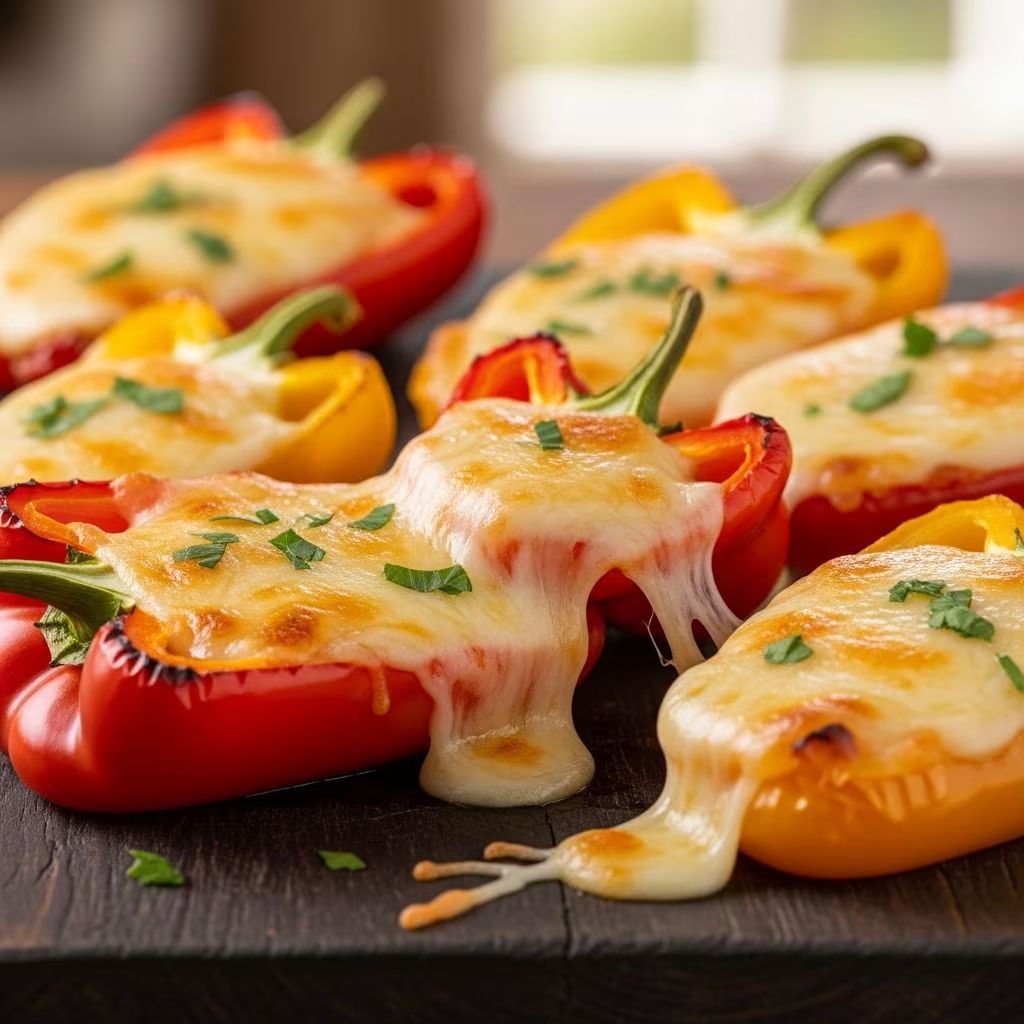
When it comes to impressive appetizers that require minimal effort yet deliver maximum flavor, few dishes rival the combination of charred mini peppers and melted cheese. This elegant yet straightforward preparation transforms simple ingredients into a sophisticated dish that appeals to both casual diners and culinary enthusiasts. The appeal lies in the contrast between the soft, slightly caramelized exterior of the peppers and the creamy interior enriched by melted cheese.
The beauty of this dish extends beyond its taste—it’s a versatile foundation that accommodates various flavor profiles, cooking methods, and ingredient preferences. Whether you’re preparing appetizers for a dinner party, seeking a low-carbohydrate snack option, or simply exploring new ways to enjoy seasonal vegetables, this preparation method deserves a permanent place in your cooking repertoire.
Understanding the Fundamentals of Pepper Selection and Preparation
The foundation of any exceptional blistered pepper dish begins with selecting the right peppers. Mini sweet peppers have become increasingly popular for this application due to their manageable size, natural sweetness, and tender flesh. Unlike their larger counterparts, these petite varieties cook quickly and develop an even char across their entire surface. When shopping, look for firm peppers with unblemished skin, as these indicators suggest freshness and optimal flavor development during cooking.
Preparation before cooking significantly impacts the final result. Begin by rinsing your peppers thoroughly under cool water and patting them completely dry. Any residual moisture on the pepper surface can interfere with the blistering process and may cause the cooking oil to splatter. If you plan to stuff your peppers with cheese rather than simply topping them, carefully slice them open lengthwise and remove the seeds and internal white membranes using a small spoon or knife. This hollowing process should be done gently to avoid puncturing the pepper walls.
The choice between whole peppers and halved peppers depends on your presentation preference and cooking method. Whole peppers create a more dramatic presentation and cook slightly more evenly, while halved peppers allow for more generous cheese filling and a broader surface area for achieving optimal char.
The Science Behind Achieving Perfect Blistering
Blistering occurs when peppers are exposed to high heat, causing the skin to separate slightly from the flesh beneath as moisture escapes. This separation creates the characteristic bubbled appearance and allows the exterior to develop a charred, caramelized layer while the interior remains tender. Achieving this effect requires attention to three critical factors: heat level, cooking vessel, and timing.
Temperature control determines whether your peppers will blister or simply soften. The cooking surface must reach a high temperature—ideally between 350°F and 400°F for stovetop cooking—before peppers are introduced. Using a neutral-flavored oil with a high smoke point ensures the cooking surface maintains its temperature without degrading. Canola oil, vegetable oil, or refined avocado oil all perform admirably in this application.
The cooking vessel itself influences results significantly. Cast iron skillets and stainless steel pans both conduct heat effectively and develop the dark char marks characteristic of quality blistering. Non-stick surfaces, while convenient, often fail to produce the same level of browning and char because they’re specifically designed to prevent the development of these surface compounds.
The technique of allowing peppers to sit undisturbed for brief periods—typically 60 to 90 seconds—before moving them in the pan is crucial. This resting period permits contact with the hot cooking surface and allows the blistering process to initiate. Rotating and moving the peppers too frequently prevents adequate char development and results in uniform cooking rather than the desirable pattern of charred and cooked sections.
Building Your Cheese Component
The cheese component transforms simple cooked peppers into a complete appetizer. The choice of cheese shapes the overall flavor profile and determines textural characteristics. Soft cheeses like goat cheese, cream cheese, or ricotta provide creamy bases that meld seamlessly with the warm peppers. Hard cheeses such as queso fresco or feta offer textural contrast and distinct flavor notes. Many preparations benefit from combining multiple cheese varieties to layer complexity.
When filling peppers with cheese, consistency matters. Cheese mixtures should be spreadable but not so thin they leak from the pepper compartments. If preparing a seasoned cheese mixture, incorporate flavorings such as minced garlic, fresh or dried herbs, lemon zest, or hot pepper sauce before filling. This approach ensures even distribution and allows flavors to meld during cooking.
For whole peppers that you prefer not to hollow, cheese can be applied as a topping just before serving. This method works particularly well with hard cheeses that create an attractive presentation as they warm and soften slightly from the residual heat of the cooked peppers.
Flavor Enhancements and Complementary Elements
While peppers and cheese form the foundation, thoughtfully selected additions elevate the dish considerably. Quick-pickled shallots introduce acidity and complexity that brightens the richness of cheese. To prepare, thinly slice shallots and combine with red wine vinegar, sugar, and salt, allowing them to sit for at least 30 minutes before serving.
Hot honey—a simple combination of honey gently warmed with red pepper flakes or hot sauce—adds sweetness, spice, and visual appeal as a finishing drizzle. This element has gained popularity in contemporary cooking for its ability to bridge flavors and create memorable taste experiences. Similarly, fresh herbs such as chives, cilantro, or basil scattered across finished peppers contribute visual interest and bright flavor notes.
Rendered bacon pieces offer savory depth and textural contrast when folded into cheese mixtures or sprinkled over finished peppers. For those avoiding meat, toasted nuts, seeds, or crispy breadcrumb preparations provide comparable textural interest.
Execution Methods: Stovetop, Oven, and Grill Approaches
Stovetop Method: Heat oil in a skillet over medium-high heat. Once shimmering, carefully arrange peppers in a single layer. Allow undisturbed cooking for 60-90 seconds to develop initial char. Rotate peppers to expose all sides to the heat source, cooking approximately 2-3 minutes per side. Transfer peppers to a serving vessel and top with cheese. Cover loosely to allow residual heat to soften cheese slightly.
Oven Method: Arrange peppers on a baking sheet and toss lightly with oil. Season with salt and pepper. Roast at 425°F for 12-15 minutes until the skin shows signs of blistering and browning. Remove from oven, top with cheese, and return for an additional 3-5 minutes until cheese melts. This method provides more hands-off cooking and allows preparation of larger quantities simultaneously.
Grill Method: Preheat grill to medium-high heat. Oil the grill grates to prevent sticking. Place peppers directly on grates and grill for 2-3 minutes per side until char marks appear. Transfer to a platter, top with cheese, cover with foil, and allow residual heat to melt cheese. This technique imparts a distinctive smoky dimension unavailable through other cooking methods.
Storage, Make-Ahead Considerations, and Serving Guidance
Prepared blistered peppers maintain quality in the refrigerator for 3-4 days when stored separately from their cheese components in airtight containers. This separation prevents the peppers from becoming soggy and allows flexibility in serving. Cheese components can be reconstituted with a splash of milk or cream if the texture becomes too dense during storage.
For entertaining purposes, peppers can be blistered hours ahead and cheese components prepared in advance. Assembly occurs just before serving, ensuring optimal cheese melting and temperature. This approach reduces stress during meal preparation and ensures guests receive the dish at peak quality.
These peppers serve effectively as standalone appetizers or components of broader composed dishes. They pair excellently with crusty bread for those seeking textural variety or function beautifully as standalone bites. For those following low-carbohydrate or ketogenic dietary patterns, these peppers offer satisfying substance without the carbohydrate content of many traditional appetizers.
Nutritional Considerations and Dietary Applications
Bell peppers, including the mini varieties used in this preparation, provide substantial nutritional value. These vegetables contain vitamin C, vitamin A, and various antioxidants. The cooking process slightly reduces raw nutrient content, though the availability of fat-soluble nutrients actually increases when peppers are cooked with oil, as these compounds require fat for optimal absorption.
The cheese component contributes protein, calcium, and fat, creating a more calorically dense but nutritionally complete appetizer. Those managing specific dietary constraints can adjust cheese quantities or explore lower-fat cheese options without dramatically compromising the dish’s appeal. The high fat content of cheese makes even modest quantities satisfying, allowing portion control without sacrificing enjoyment.
Common Variations and Creative Interpretations
This foundation adapts remarkably well to personal preferences and ingredient availability. Incorporating Italian herbs and adding sun-dried tomatoes creates a Mediterranean interpretation. Combining cream cheese with jalapeños and sharp cheddar produces a Southwestern variation. Fresh lemon zest mixed into goat cheese offers bright, sophisticated profiles.
For those seeking heat, incorporating hot sauce, sriracha, or fresh chili peppers into cheese components provides customizable spice levels. Conversely, sweet applications using honey, caramelized onions, or dried fruit appeal to those preferring dessert-adjacent appetizers.
Frequently Asked Questions
| Question | Answer |
|---|---|
| Can I prepare these peppers in advance? | Yes, blister peppers hours ahead and store separately from cheese components. Assemble just before serving for optimal melting and presentation. |
| What’s the best oil for achieving proper blistering? | Use high smoke-point neutral oils like canola, vegetable, or refined avocado oil. Avoid olive oil for the initial blistering stage, though it works well for finishing. |
| How do I prevent peppers from sticking to the cooking surface? | Ensure the cooking surface is thoroughly preheated and adequately oiled. Allow peppers to develop char before attempting to move them. |
| Can I use large bell peppers instead of mini peppers? | Yes, though larger peppers require longer cooking times—approximately 4-5 minutes per side—and work better when halved for more even cooking. |
| What cheese works best for this application? | Soft cheeses like goat cheese melt smoothly, while queso fresco provides textural contrast. Many recipes benefit from combining varieties for layered complexity. |
References
- Bell Peppers: Nutrition and Health Benefits — U.S. Department of Agriculture, National Nutrient Database. https://fdc.nal.usda.gov/
- Cooking Techniques for Vegetable Preparation — Institute of Culinary Education. 2024. https://www.iceculinary.com/
- Food Safety Guidelines for Home Cooking — U.S. Food and Drug Administration. 2025. https://www.fda.gov/food/safe-food-handling/
- Cheese Selection and Storage Best Practices — American Cheese Society. 2024. https://www.cheesesociety.org/
- High Heat Cooking Methods and Oil Selection — McGill University, Office for Science and Society. 2023. https://www.mcgill.ca/oss/