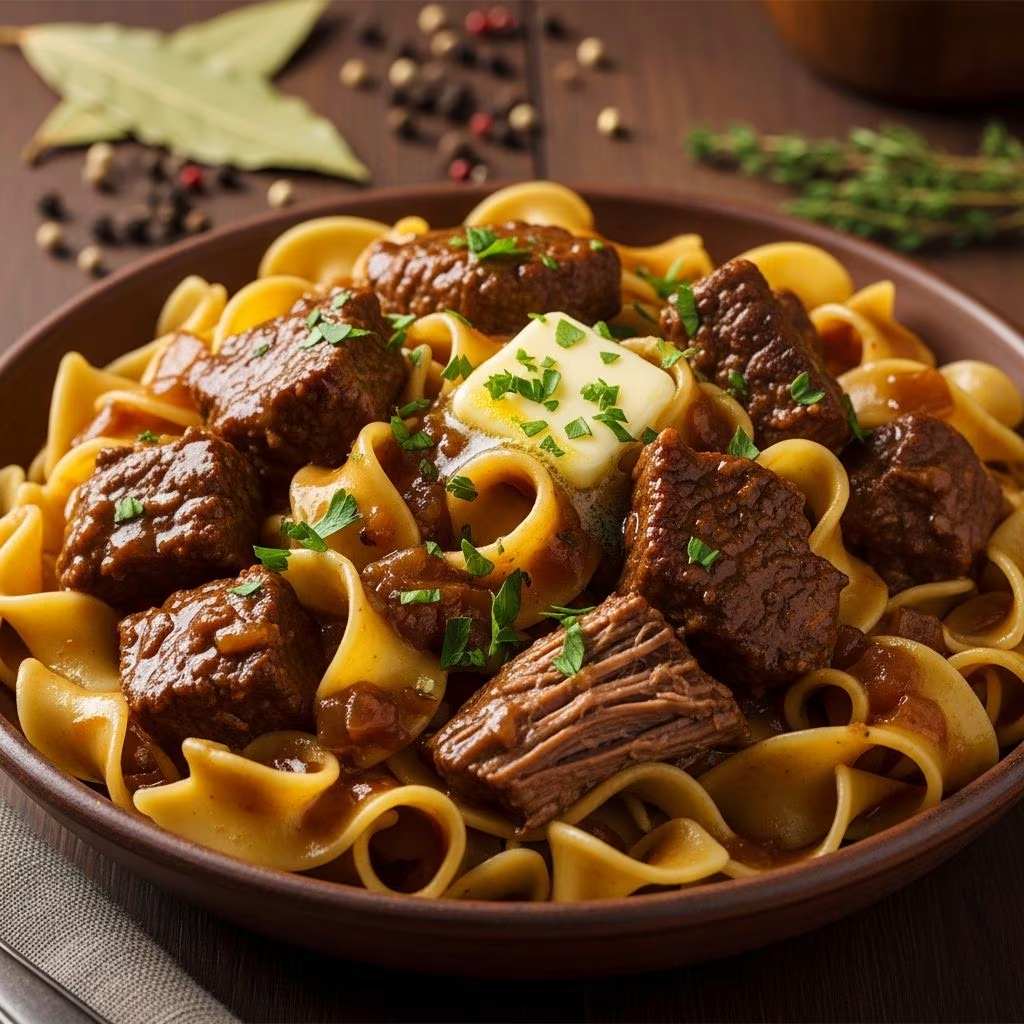
Beef and noodles represents one of the most cherished comfort food dishes across North America, particularly in Midwestern and home-cooking traditions. This humble dish combines affordable cuts of beef with simple pantry staples to create a meal that feels both nourishing and satisfying. The beauty of beef and noodles lies in its versatility—it can be prepared through multiple cooking methods, customized with various ingredients, and adapted to suit different dietary preferences and time constraints. Whether you’re a seasoned cook or a beginner in the kitchen, mastering this classic dish opens doors to countless variations and improvements upon the traditional recipe.
Understanding Your Protein Choices
The success of your beef and noodles dish begins with selecting the right cut of meat. Different beef cuts offer varying levels of tenderness, fat content, and cooking times, each contributing uniquely to the final dish. The protein you choose will influence not only the texture but also the flavor profile and overall richness of your sauce.
Chuck roast stands as one of the most popular choices for beef and noodles preparations. This cut comes from the shoulder area of the cow and contains substantial marbling—fat distributed throughout the meat. When slow-cooked, this intramuscular fat renders into the cooking liquid, creating a naturally rich and flavorful sauce that clings beautifully to egg noodles. Chuck roast typically requires longer cooking times but rewards patience with incredibly tender, almost melt-in-your-mouth meat.
Round steak offers a leaner alternative for those watching fat intake. Cuts such as top round, bottom round, eye of round, and sirloin tip round work well in beef and noodles preparations. These cuts benefit from being cut into smaller cubes before cooking, which increases surface area and allows seasonings to penetrate more effectively. Round steak cooks somewhat faster than chuck roast but may result in a thinner sauce unless supplemented with additional thickening agents.
Rump roast provides a middle ground between chuck and round cuts. It contains moderate fat content and reasonable tenderness when prepared properly. This cut appeals to cooks seeking a balance between flavor development and cooking time.
When purchasing beef, look for meat with good color—a deep red rather than bright red or gray—and visible marbling for optimal results. Plan for approximately one-quarter pound of raw meat per serving when accounting for cooking loss and the addition of noodles.
Essential Ingredients Beyond the Beef
While beef serves as the foundation, numerous supporting ingredients create the complete beef and noodles experience. Understanding each component’s role helps you make informed substitutions and adjustments.
Egg noodles form the backbone of this dish. These flat, ribbon-like pasta shapes excel at trapping sauce and providing a tender bite that complements slow-cooked beef. Wide egg noodles are traditional, though medium or thin varieties work equally well depending on personal preference. Fresh egg noodles offer superior flavor compared to dried versions, though dried varieties provide greater convenience and shelf stability. Plan for approximately one-third pound of dried egg noodles per pound of raw beef.
Beef stock or broth serves as the liquid foundation for your sauce. Quality matters considerably here—homemade stock produces the deepest flavor, though store-bought low-sodium varieties offer convenient alternatives. Beef broth, which is lighter than stock, works in a pinch but produces less body in the final sauce. Some cooks employ beef bouillon paste or Better Than Bouillon products for concentrated flavor and ease of use.
Onions and garlic provide aromatic depth and complexity. Yellow onions, when diced and cooked until translucent, develop natural sweetness that balances the savory beef. Garlic, minced fresh or added as dehydrated powder, contributes a pungent warmth that enhances overall flavor development. Some recipes incorporate onion dip mix or dehydrated minced onion as convenient flavor shortcuts.
Thickening agents, typically all-purpose flour, transform thin cooking liquid into luxurious gravy. The flour is usually bloomed in fat before adding liquid gradually—a technique called making a roux—which prevents lumps and creates silky texture. Some recipes substitute cornstarch or incorporate canned cream soups for thickening power.
Herbs and seasonings round out the flavor profile. Fresh thyme contributes subtle earthiness, while bay leaves add background complexity. Worcestershire sauce provides umami depth and subtle tanginess. Italian seasoning blends offer convenient herb combinations. Salt, pepper, and sometimes tomato paste complete the seasoning arsenal.
Traditional Oven Method
The oven method represents the most traditional approach to beef and noodles preparation. This technique relies on low, steady heat to gradually tenderize tough meat cuts while developing deep, concentrated flavors.
Begin by cutting your selected beef into appropriate sizes—typically one-inch cubes for round steak or two-inch chunks for chuck roast. Pat the meat dry with paper towels to promote better browning. Season generously with salt and pepper, then lightly coat with flour. This flour coating, called dredging, helps create a flavorful crust and contributes to gravy thickness.
Heat oil in a heavy Dutch oven or similar oven-safe pot over medium-high heat. Working in batches to avoid overcrowding, brown the beef on all sides until deep golden-brown crust forms. This Maillard reaction creates complex flavors that define the finished dish. Remove browned beef to a plate.
In the same pot, sauté diced onion until softened and translucent. Add minced garlic and cook briefly until fragrant. These aromatics form the flavor foundation. Deglaze the pot by pouring in broth or wine, scraping up all the flavorful browned bits stuck to the bottom—these concentrated bits add tremendous depth.
Return the beef to the pot along with bay leaves, fresh thyme, and other seasonings. Add enough liquid to nearly cover the meat. Cover the pot with a tight-fitting lid and transfer to a preheated 350°F oven. Allow to braise for one to two hours, depending on beef cut and size, until fork-tender.
While the beef braises, cook your egg noodles according to package directions until al dente. Drain and set aside. When beef is tender, remove the pot from the oven. Mix flour or cornstarch with cold water to create a slurry, then gradually whisk this into the hot cooking liquid. Return to stovetop over medium heat, stirring constantly until sauce thickens. Adjust consistency with additional flour mixture or broth as needed. Taste and adjust seasoning.
Combine cooked noodles with beef and sauce, stirring gently to distribute ingredients evenly. Serve immediately, garnished with fresh parsley if desired.
Pressure Cooker and Instant Pot Variations
Modern cooking appliances have revolutionized beef and noodles preparation by dramatically reducing cooking time while maintaining excellent results. Instant Pot and similar pressure cookers can produce tender beef in fraction of traditional oven time.
Set your pressure cooker to sauté function and add oil. Brown the beef in batches, ensuring good color development. Return all beef to the pot along with onion, garlic, broth, herbs, and seasonings. If your cooker gives burn warnings, increase liquid slightly. Lock the lid and set to high pressure for approximately thirty to forty minutes, depending on beef size and type.
Allow natural pressure release for ten minutes, then quick-release remaining pressure. Meanwhile, cook your egg noodles separately. Remove the bay leaf from the cooked beef. For a thicker sauce, select sauté function again and gradually whisk in a flour-water mixture until desired consistency. Combine with cooked noodles and serve.
Some cooks prepare the entire dish—beef, noodles, and sauce—in the pressure cooker simultaneously. This method requires careful timing to prevent noodles from becoming mushy while ensuring beef reaches proper tenderness.
Ground Beef Adaptations
Ground beef offers a quicker, more accessible alternative to traditional roasts. This variation can be prepared in under thirty minutes, making it ideal for busy weeknights. Brown one pound of lean ground beef in a skillet along with diced onion and minced garlic. Drain excess fat if preferred, though some fat ensures optimal sauce development. Add Worcestershire sauce, Italian seasoning, and other seasonings of choice. Sprinkle flour over the mixture and cook for a few minutes, stirring frequently to eliminate raw flour taste. Gradually pour in beef broth while scraping up browned bits from the pan bottom, creating a smooth, flavorful sauce. Simmer until sauce thickens appropriately. Meanwhile, cook egg noodles separately, then combine with the beef mixture.
Seasoning and Flavor Enhancement
The difference between adequate and exceptional beef and noodles often comes down to careful seasoning and flavor development. Building layers of flavor through multiple techniques creates complexity and depth that keeps people returning for seconds.
Seasoning beef generously before browning ensures flavor penetrates the meat rather than merely coating the surface. Sautéing aromatics in the beef fat develops their sweetness and mellows harsh edges. Using quality beef stock rather than water as the cooking liquid provides natural umami richness. Fresh herbs contribute more vibrant flavor than dried alternatives, though dried herbs work admirably when fresh are unavailable.
Worcestershire sauce adds subtle tanginess and umami that unconsciously enhances beef perception. Tomato paste contributes acidity that brightens heavy dishes while adding subtle sweetness. A bay leaf perfumes the entire dish without announcing itself. Fresh thyme’s subtle earthiness complements beef without overwhelming other flavors.
Always taste the finished sauce before serving and adjust seasonings accordingly. Salt levels may need boosting, pepper may warrant additional cracks, and herbs might benefit from amplification depending on specific ingredients used.
Customizations and Variations
The basic beef and noodles framework accommodates numerous additions and modifications that maintain the dish’s essential character while providing novelty and personalization.
Vegetables expand nutritional value and textural variety. Diced carrots, celery, and onion—the traditional French mirepoix—enhance beef stock and create flavor complexity. Frozen peas add color and sweetness. Mushrooms, whether sautéed separately or added directly to the braising liquid, contribute umami and earthiness. Potatoes transform the dish into something heartier and more substantial.
Cream soups offer convenient flavor shortcuts and sauce enrichment. Cream of mushroom soup, cream of chicken soup, and cream of celery soup each impart distinctive characteristics while thickening the cooking liquid. These products appeal to cooks prioritizing speed and simplicity.
Pasta alternatives include wide ribbons, egg pappardelle, or even ramen noodles for different textural experiences. Some cooks incorporate buttered egg noodles for added richness or combine noodles with mashed potatoes for textural contrast.
Sauce variations might include sour cream for tanginess, beef broth supplemented with red wine for complexity, or broths enriched with tomato paste or sauce for subtle acidity and depth.
Common Cooking Challenges and Solutions
Even experienced cooks encounter occasional challenges. Understanding common issues and their solutions ensures consistent success.
Tough, chewy beef typically results from insufficient cooking time or too-high cooking temperature. Ensure adequate braising time—undercooked meat remains tough regardless of other factors. Lower your oven temperature slightly if edges appear to be cooking faster than the interior.
Thin, watery sauce calls for thickening agent application. Mix flour or cornstarch with cold water to create a smooth slurry before whisking gradually into simmering sauce. Simmering longer allows excess moisture to evaporate naturally.
Overly thick, pasty sauce requires thinning with additional broth. Add gradually while stirring until desired consistency develops. Remember that sauce thickens as it cools, so err slightly toward thin when adjusting.
Bland flavor indicates insufficient seasoning or poor-quality stock. Taste and adjust salt incrementally, as it’s easier to add than remove. Switch to higher-quality stock in future preparations.
Mushy noodles result from overcooking, whether in initial cooking or sitting too long in sauce. Cook noodles to al dente stage and combine with sauce shortly before serving.
Storage and Make-Ahead Options
Beef and noodles stores well and actually improves as flavors meld over time. Cover leftovers and refrigerate up to four days. Reheat gently on stovetop with splash of broth to restore sauce consistency. Frozen beef and noodles (without noodles cooked in) keeps up to three months. Thaw overnight in refrigerator before reheating. Cook fresh noodles separately when ready to serve for best texture.
Frequently Asked Questions
Can I make beef and noodles in a slow cooker?
Yes. Brown beef first for better flavor development, then combine with vegetables, seasonings, and broth in slow cooker. Cook on low eight to ten hours or high four to six hours. Make gravy on stovetop using cooking liquid during final cooking hour.
What if I don’t have beef stock?
Water supplemented with beef bouillon paste or Better Than Bouillon products produces acceptable results. Chicken broth or vegetable broth work in a pinch, though flavor will differ noticeably.
Can I use gluten-free noodles?
Absolutely. Substitute regular egg noodles with any preferred gluten-free pasta. Cooking time may vary, so monitor carefully. For thickening sauce without wheat flour, use cornstarch or gluten-free flour blends.
How do I prevent curdling when adding dairy?
Temper dairy products by slowly whisking small amounts of hot sauce into cream or milk before adding to pot. This gradual temperature adjustment prevents curdling.
What wine pairs best with beef and noodles?
Dry red wines like Burgundy or Pinot Noir complement this dish beautifully as table beverages. For cooking, these same wines or beef broth with added acidity work well.
References
- Beef Cooking Temperatures and Safety — United States Department of Agriculture Food Safety and Inspection Service. 2024. https://www.fsis.usda.gov/food-safety/safe-food-handling-and-preparation/meat/beef
- The Maillard Reaction in Cooking — McGee, H. On Food and Cooking: The Science and Lore of the Kitchen. Scribner. 2004.
- Slow Cooking and Braising Techniques — Lopez-Alt, J. K. The Food Lab: Better Home Cooking Through Science. W. W. Norton & Company. 2015.
- Pressure Cooking Safety Guidelines — National Center for Home Food Preservation. University of Georgia. https://nchfp.uga.edu/how/general/pressurecooking.html
- Pasta Cooking and Starch Gelatinization — Matz, S. A. The Chemistry and Technology of Cereals as Food and Feed. Technomic Publishing. 1991.