The challenge of preparing dinner after a hectic day is a universal struggle for working professionals and parents alike. Between work obligations, school pickups, and other responsibilities, the prospect of standing in the kitchen for hours can feel overwhelming. However, with strategic planning and the right approach, it’s entirely possible to serve nutritious, satisfying meals in approximately 30 minutes or less. This timeframe requires intentional ingredient selection, efficient cooking methods, and a shift in perspective about what constitutes a complete meal.
Understanding the 30-Minute Dinner Framework
The concept of preparing dinner within 30 minutes revolves around several fundamental principles that distinguish these meals from traditional lengthy cooking projects. Rather than viewing this constraint as limiting, many home cooks find it liberating—it encourages creativity and resourcefulness while eliminating decision paralysis. The key involves recognizing that a complete, satisfying dinner doesn’t require elaborate techniques or exotic ingredients.
Successful 30-minute dinners typically follow a straightforward structure: a primary protein source, complementary vegetables or starches, and a cohesive sauce or seasoning profile that ties everything together. This format ensures meals are both filling and flavorful without requiring extensive preparation or cooking time. The psychological benefit of knowing dinner will be ready quickly can reduce stress and make the cooking process more enjoyable.
Essential Pantry Components for Rapid Meal Preparation
Building a well-stocked pantry is foundational to executing quick weeknight dinners successfully. Having the right ingredients readily available eliminates the need for special shopping trips and enables spontaneous meal creation. Consider maintaining the following categories of staples:
- Proteins in convenient forms: Canned beans, pre-cooked grains, diced frozen chicken, and shelf-stable seafood options provide quick protein sources without defrosting delays
- Flavor enhancement agents: High-quality soy sauce, fish sauce, vinegars, hot sauce, and dried spice blends create depth and complexity rapidly
- Convenient starches: Pasta in various shapes, instant rice, quinoa, and quick-cooking grains serve as meal foundations
- Preservation-friendly vegetables: Onions, garlic, ginger, and canned tomatoes maintain quality while providing aromatic and umami components
- Healthy fats and oils: Olive oil, sesame oil, and coconut oil enable both cooking and flavor development
Strategic Approach to Protein Selection
The protein component of a 30-minute dinner deserves careful consideration, as it often determines both cooking time and overall success. Proteins that require minimal preparation or pre-cooking work best within this timeframe. Ground meats cook relatively quickly and provide versatility across diverse cuisines. Thin-cut chicken breasts or thighs can be cooked through in minutes when pounded evenly or cut into strips. Shrimp offers exceptional speed, often requiring only five to seven minutes of heat exposure.
Alternatively, utilizing proteins that are already partially or fully prepared—such as rotisserie chicken, canned fish, or pre-cooked sausage—dramatically reduces active cooking time. While these options may carry slightly higher costs, the time savings and reduced mental burden justify the investment for many households. Eggs provide another underutilized protein source that cooks almost instantaneously and accommodates numerous flavor profiles.
Vegetable Integration and Texture Balance
Incorporating vegetables into quick meals requires strategic choices about preparation methods and vegetable types. Hardy vegetables like broccoli, bell peppers, and cauliflower can withstand relatively high heat and cook through within reasonable timeframes. Pre-cut vegetable options, while sometimes more expensive, eliminate prep work entirely. Frozen vegetable selections have improved dramatically in quality and retain nutritional value effectively.
Balancing vegetable cooking times involves grouping items by density—adding denser vegetables first and tender components toward the end of cooking. This technique ensures all components reach optimal texture simultaneously. Fresh greens added at the very end of cooking provide nutritional benefits and textural contrast without requiring additional cook time. Raw vegetable components, such as sliced cucumber, shredded carrot, or tomato, offer nutritional value and textural appeal without cooking requirements.
One-Pot and Sheet Pan Solutions
Meals prepared in single vessels or on sheet pans represent optimal strategies for minimizing cleanup while maximizing efficiency. One-pot preparations—whether involving pasta dishes where ingredients cook together, curry-style preparations where components simmer collectively, or stir-fries built in a single wok—consolidate cooking tasks and reduce the cognitive load of managing multiple cooking stations.
Sheet pan dinners leverage the oven’s efficiency for simultaneous cooking of proteins and vegetables. By arranging ingredients strategically on a single pan and roasting at high temperatures, multiple components reach completion within similar timeframes. This method requires minimal hands-on attention after initial assembly, allowing home cooks to attend to other tasks while dinner cooks.
The cleanup benefits of these approaches cannot be overstated—fewer dishes mean less time at the sink and more time for family engagement or personal relaxation following dinner preparation.
Flavor-Building Techniques for Rapid Execution
Creating restaurant-quality flavor within compressed timeframes involves understanding which techniques deliver maximum impact efficiently. Building flavor layers—rather than introducing all seasonings simultaneously—creates more complex taste profiles. Beginning with aromatic vegetables and spices in hot oil or fat releases their essential compounds rapidly, establishing a flavor foundation.
Incorporating acidic components like vinegar, citrus juice, or wine at critical points brightens flavors and creates balance. These elements can be introduced toward the end of cooking, contributing freshness without requiring extended steeping. Fresh herbs added immediately before serving provide vibrant taste without the time investment of long-cooking preparations.
Sauce preparation deserves particular attention, as sauces often distinguish adequate meals from memorable ones. Quick pan sauces—built from pan drippings, liquid, and fat—develop flavor quickly while simultaneously utilizing cooking byproducts. Alternatively, pre-made condiment bases like miso, curry paste, or harissa can substitute for traditional sauce preparation while maintaining authentic flavor profiles.
Meal Category Examples: From Proteins to Preparations
| Meal Type | Typical Cook Time | Key Advantage | Ideal Proteins |
|---|---|---|---|
| Stir-Fries | 12-15 minutes | High-heat cooking accelerates component cooking | Chicken strips, shrimp, beef |
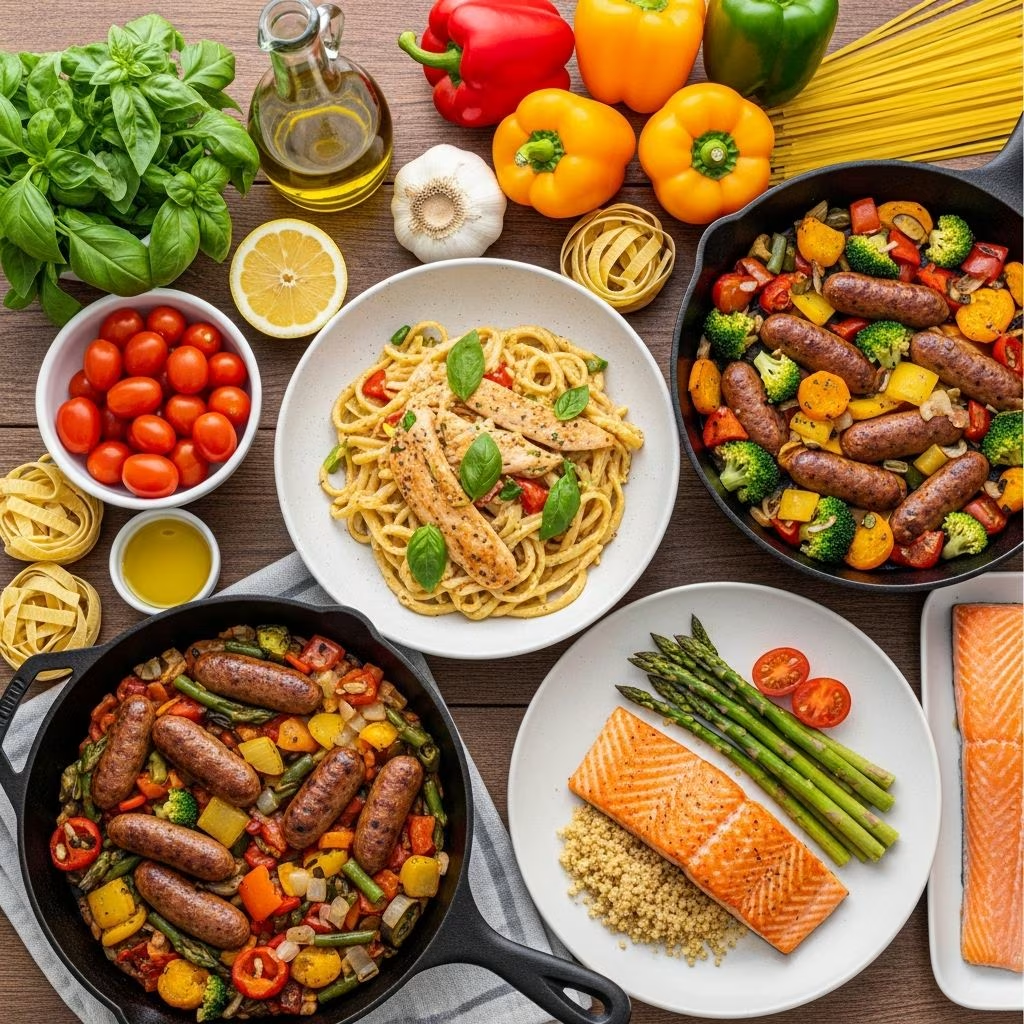
| Pasta-Based Dishes | 15-20 minutes | Simultaneous pasta and sauce cooking | Ground meat, sausage, canned fish |
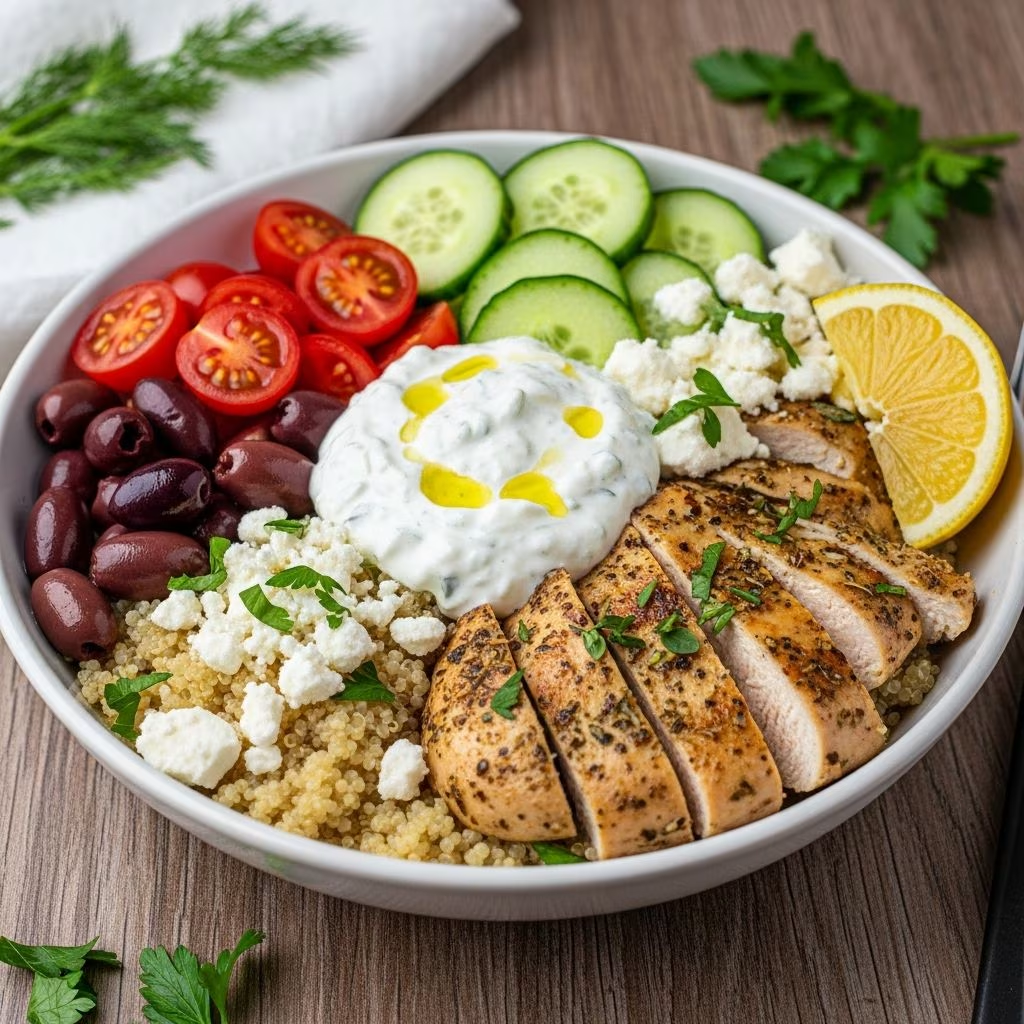
| Grain Bowls | 20-25 minutes | Flexible ingredients, minimal cooking | Beans, tofu, pre-cooked proteins |
| Sheet Pan Meals | 18-25 minutes | Minimal hands-on attention required | Chicken thighs, shrimp, sausage |
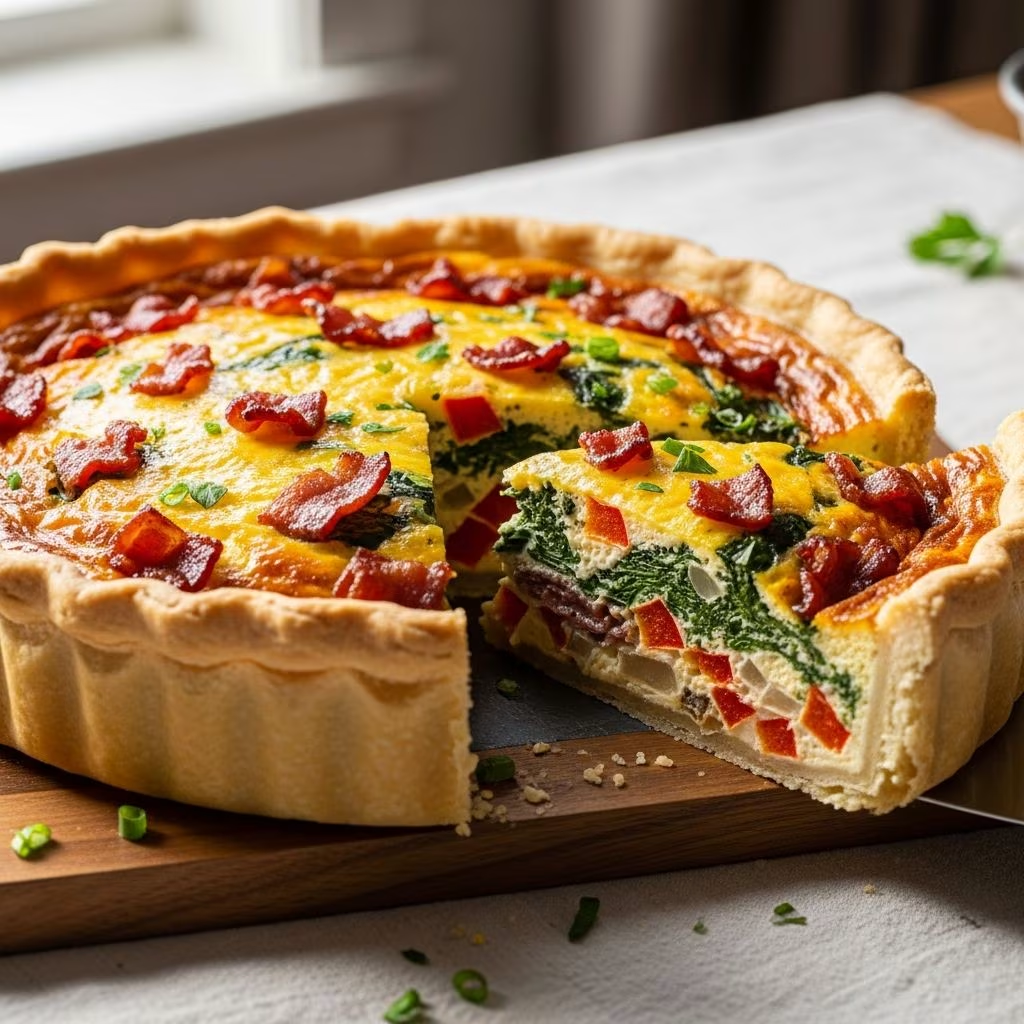
| Egg-Based Dishes | 10-15 minutes | Extremely fast cooking, budget-friendly | Eggs, cheese, vegetables |
Practical Organization Strategies
Executing 30-minute dinners consistently benefits from organizational approaches implemented before cooking begins. Gathering all ingredients and tools—a practice called mise en place—eliminates mid-cooking searches and maintains momentum. Setting up cooking stations before heat is applied allows for seamless progression through preparation steps.
Developing a mental or written sequence for adding ingredients ensures nothing is forgotten while optimizing cooking times for different components. Understanding which elements can cook simultaneously versus sequentially prevents bottlenecks and fully utilizes available heat sources.
Involving family members in preparation, when possible, distributes tasks and accelerates overall timeline. Delegating vegetable washing, ingredient gathering, or simple prep work to others transforms dinner preparation into a collaborative activity rather than a solitary burden.
Frequently Asked Questions
Can I prepare 30-minute meals in advance for later consumption?
Many components of quick dinners can be prepped in advance—vegetables can be cut, proteins can be portioned, and sauces can be prepared. However, assembly and final cooking typically occur closer to serving time to maintain optimal texture and flavor. Some dishes improve with brief refrigeration before serving, while others demand immediate consumption for best results.
What equipment investments most significantly improve quick cooking efficiency?
A sharp knife accelerates vegetable preparation substantially. A quality heavy-bottomed pan or wok distributes heat evenly and enables high-temperature cooking. Pre-cut vegetables and ingredient delivery services eliminate shopping and prep time. While not essential, these investments can meaningfully reduce practical cooking duration.
How can dietary restrictions be accommodated within 30-minute meal frameworks?
Quick cooking actually facilitates dietary accommodation—vegetarian, vegan, and gluten-free preparations often cook as quickly as traditional options. Substituting proteins or omitting ingredients requires minimal additional preparation. Having designated alternative components available enables flexible meal adaptation without extensive additional cooking.
What strategies help ensure nutritional balance in rapid meals?
Intentionally incorporating multiple vegetable types ensures diverse micronutrient intake. Whole grain and legume selections provide sustained energy and fiber. Protein portions sized appropriately to individual needs, combined with healthy fat components, create nutritionally complete meals within rapid timeframes.
Building Confidence and Consistency
Mastering 30-minute dinner preparation involves building confidence through repeated success with recipes that align with personal preferences and available resources. Beginning with simpler preparations and progressively tackling more complex flavor profiles allows skills to develop organically. Many home cooks find that regular practice transforms initially time-consuming processes into nearly automatic routines requiring minimal mental effort.
Establishing favorite go-to meals that can be executed reliably creates a foundation of dependable options during particularly stressful periods. While variety prevents meal fatigue, having trusted standby recipes provides security and reduces decision-making burden on demanding days.
The transition to regular 30-minute dinner preparation often coincides with reduced reliance on takeout services, decreased food waste from unused ingredients, and improved satisfaction with home-prepared meals. These outcomes extend beyond time savings to encompass financial, nutritional, and psychological benefits that justify the initial learning investment.
References
- 18 Easy 30-Minute Weeknight Dinner Recipes — Boulder Locavore. Retrieved from https://boulderlocavore.com/18-easy-30-minute-weeknight-dinner-recipes/
- 30 Minute Dinner Recipes for Busy Weeknights — The Everygirl. Retrieved from https://theeverygirl.com/30-minute-dinner-recipes/
- 5 Easy Dinners You Can Cook in 30 Minutes — Allrecipes. Retrieved from https://www.youtube.com/watch?v=06JDURvWPNI
- 16 Flavorful 30 Minute Meals — Pinch of Yum. Retrieved from https://pinchofyum.com/30-minute-meals
- Easy, Family-Friendly 30 Minute Meals — Our Best Bites. Retrieved from https://ourbestbites.com/category/recipes/course/main-dishes/30-minute-meals/