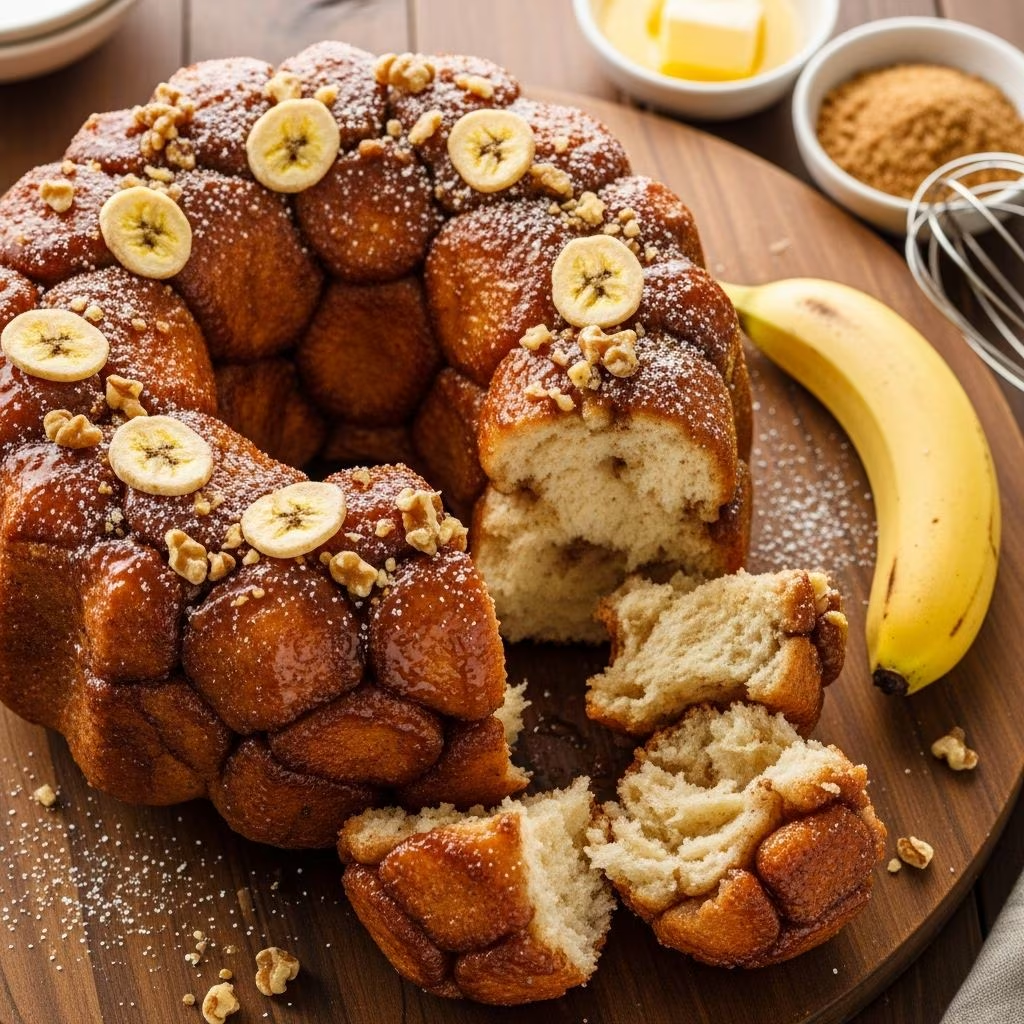
The combination of two beloved baked goods has created a sensation in modern home baking: banana bread monkey bread. This innovative fusion takes the moist, aromatic qualities of traditional banana bread and merges them with the interactive, pull-apart experience that makes monkey bread so entertaining. The result is a breakfast or brunch showstopper that delivers both visual appeal and exceptional flavor in every bite.
Understanding the Hybrid Appeal
Banana bread monkey bread represents a clever culinary innovation that satisfies multiple cravings simultaneously. While traditional banana bread offers comfort through its dense, cake-like crumb and pronounced fruit flavor, monkey bread delights with its communal eating experience and caramelized coating. By combining these two concepts, bakers create a dish that is simultaneously familiar and novel, making it perfect for family gatherings, holiday brunches, and casual weekend breakfasts.
The appeal lies not just in taste but in versatility. This hybrid bread works equally well as a morning treat with coffee, an afternoon snack, or even a dessert at the end of a meal. The visual presentation of a filled bundt pan, when turned out onto a serving platter, creates an impressive centerpiece that belies the relative simplicity of its preparation.
Key Ingredients and Their Roles
Creating a successful banana bread monkey bread requires understanding how each ingredient contributes to the final product. The foundation begins with quality bananas, which provide both flavor and moisture to the dough itself.
- Bananas: Use fully ripe bananas with brown spots for maximum sweetness and moisture. These should be mashed directly into the dough base and also diced and layered throughout the construction.
- Flour: Bread flour works best, as it provides enough structure to support the weight of the filling and toppings while maintaining a tender crumb.
- Yeast: Instant yeast activates the dough, creating an airy, risen texture that contrasts beautifully with the dense caramel coating.
- Butter: Both melted butter in the dough and in the coating layer contribute richness and help create that signature sticky exterior.
- Brown Sugar: This sweetener, combined with butter, creates the glossy caramel coating that adheres to each bread piece.
- Cinnamon: This warming spice ties the banana and bread elements together, providing aromatic depth and traditional baking spice notes.
The Dough-Making Process
The foundation of banana bread monkey bread begins with creating a yeast-based dough that differs from quick-bread banana bread batters. Start by mashing three ripe bananas in a mixing bowl, then add warm milk (approximately 110°F) and instant yeast. This combination awakens the yeast and begins the fermentation process.
After combining the wet ingredients, add melted unsalted butter and stir thoroughly. The mixture should be well-integrated before adding flour and salt. Mix until a sticky dough forms—this texture is intentional and necessary for the bread’s final structure. Resist the urge to add excessive flour, as too much will result in a dense, crumbly final product.
Transfer the sticky dough to a greased bowl and cover it to allow for the first rise. This typically takes about one hour, though rising time may vary depending on kitchen temperature and humidity. The dough should roughly double in volume. This rising period is crucial, as it develops flavor through fermentation and creates the light, airy crumb that distinguishes this recipe from denser banana bread varieties.
Shaping and Layering Techniques
Once the dough has risen adequately, turn it out onto a lightly floured surface. Rather than attempting to knead it, gently divide the dough into twenty equal sections, each weighing approximately 40 grams. Roll each section into a ball resembling a golf ball, maintaining consistent sizing for even baking.
While the dough balls rest, prepare the caramel coating by combining melted butter, packed light brown sugar, and ground cinnamon in a separate bowl. This mixture becomes the glue that coats each bread piece, creating those signature sticky, sweet layers that give monkey bread its appeal.
The assembly process requires a bundt pan prepared with cooking spray. Begin by adding one-third of the diced banana pieces to the bottom of the pan. Layer the dough balls over the bananas, tossing them gently in the cinnamon-sugar mixture beforehand to ensure even coating. Continue alternating layers: one-third of the remaining diced bananas, another layer of coated dough balls, and finally the remaining bananas on top. This strategic layering ensures that banana flavor permeates every section of the finished loaf.
Baking and Caramelization
Place the assembled bundt pan in a preheated oven at the appropriate temperature and bake for approximately 40 minutes, or until the top is golden brown and the internal structure has set. During baking, the dough balls expand, rise, and merge together while the brown sugar mixture caramelizes, creating that distinctive glossy coating.
The baking process is where transformation occurs. The individual dough balls puff up from the yeast activity, the bananas soften and release their natural sugars, and the butter and brown sugar meld into a rich glaze that seals the entire creation. The kitchen will fill with an intoxicating aroma of cinnamon, caramelized sugar, and banana.
Cooling, Serving, and Storage
Patience after baking is essential. Allow the banana bread monkey bread to cool in the pan for approximately 10 minutes. This cooling period lets the structure set enough to support the weight during unmolding, while the caramel coating remains tacky enough to maintain its grip on the bread pieces.
Run a thin knife around the edges of the pan to loosen any stuck pieces, then invert the pan onto a serving platter in one confident motion. The entire loaf should release as a cohesive unit, with the caramel glaze now on top and the diced bananas visible throughout. If pieces stick, gently coax them free and reposition them on the platter.
This bread is best served warm or at room temperature, allowing diners to pull apart individual sections. The texture remains optimal for 2-3 hours after baking, though the bread can be refrigerated for up to two days and gently reheated in a low oven to restore some of its warmth and stickiness.
Creative Variations and Adaptations
| Variation | Key Changes | Best For |
|---|---|---|
| Bananas Foster Version | Adds rum flavoring or actual rum to the banana caramel sauce, incorporates pecans or walnuts | Adults-only brunches or special occasions |
| Nutty Addition | Chopped walnuts, pecans, or macadamia nuts folded into dough or layered in pan | Added texture and protein |
| Chocolate Swirl | Melted chocolate drizzled between layers or mixed into caramel coating | Dessert-focused preparations |
| Spiced Variation | Additional nutmeg, ginger, or cardamom mixed with cinnamon | More complex flavor profiles |
| Quick-Version | Substitute refrigerated biscuit dough for homemade yeast dough | Time-pressed bakers |
Troubleshooting Common Issues
Dough Won’t Rise: If your dough fails to double during the rising period, check that your milk was properly warmed to 110°F and that your yeast hasn’t expired. Cold kitchens may require extended rising time—up to 1.5 or 2 hours in some cases.
Caramel Too Thin: If the coating seems watery rather than thick and sticky, ensure you’re using packed brown sugar and that the butter is fully melted. You may need slightly less milk or a bit more brown sugar in future attempts.
Bread Sticking to Pan: Adequate cooking spray application is crucial. Reapply spray to all surfaces, including the center tube. If sticking still occurs, dip the outside of the hot pan in warm water for a few seconds to help release the bread.
Uneven Browning: If the top browns too quickly, tent the pan loosely with aluminum foil during the final 10-15 minutes of baking. Rotating the pan midway through baking also promotes even color development.
Frequently Asked Questions
Can I make this recipe ahead of time?
Yes. You can prepare the dough through the first rise, shape it into balls, and refrigerate them overnight. Bring them to room temperature before assembling and baking. Alternatively, bake the entire loaf and reheat gently in a low oven before serving.
What type of bananas should I use?
Use bananas that are fully ripe with brown speckles on the peel. These contain maximum sugar and moisture. Avoid green bananas, which lack sweetness, or overly blackened bananas, which may be too soft and break apart during mixing.
Can I use whole wheat flour?
Substituting whole wheat flour will change the texture and may require adjustments to hydration. Start by replacing no more than one-quarter of the bread flour with whole wheat, then adjust liquids as needed. The result will be denser and nuttier in flavor.
Is this recipe gluten-free compatible?
Adapting this to gluten-free requires a specialized flour blend designed for yeast breads. These blends typically include xanthan gum and additional binding agents. Follow the specific package instructions for liquid ratios, as gluten-free doughs behave differently than traditional doughs.
How should I store leftovers?
Store in an airtight container at room temperature for up to two days, or refrigerate for up to five days. Reheat gently in a low oven (300°F) for 10-15 minutes to restore warmth and stickiness. Do not microwave, as this can make the bread rubbery.
Why This Recipe Endures
Banana bread monkey bread succeeds because it marries two beloved baking traditions into something greater than either alone. It appeals to those seeking comfort through familiar banana flavor, to those entertained by the interactive nature of pull-apart breads, and to anyone who appreciates well-executed baking that impresses without demanding advanced techniques.
Whether you’re a seasoned baker refining your repertoire or a home cook seeking an impressive brunch centerpiece, banana bread monkey bread delivers results that feel luxurious despite straightforward preparation. The combination of aromatic spices, caramelized sweetness, and tender banana-infused dough creates layers of flavor complexity that evolve with each bite.
References
- Banana Monkey Bread — I Am Baker. Accessed April 2026. https://iambaker.net/banana-monkey-bread/
- Banana Bread Monkey Bread: Gooey Pull-Apart Breakfast Treat — Paul S Show (YouTube). Accessed April 2026. https://www.youtube.com/watch?v=FY7zcxTkwsw
- Bananas Foster Monkey Bread — Accidental Happy Baker. Accessed April 2026. https://www.accidentalhappybaker.com/bananas-foster-monkey-bread/