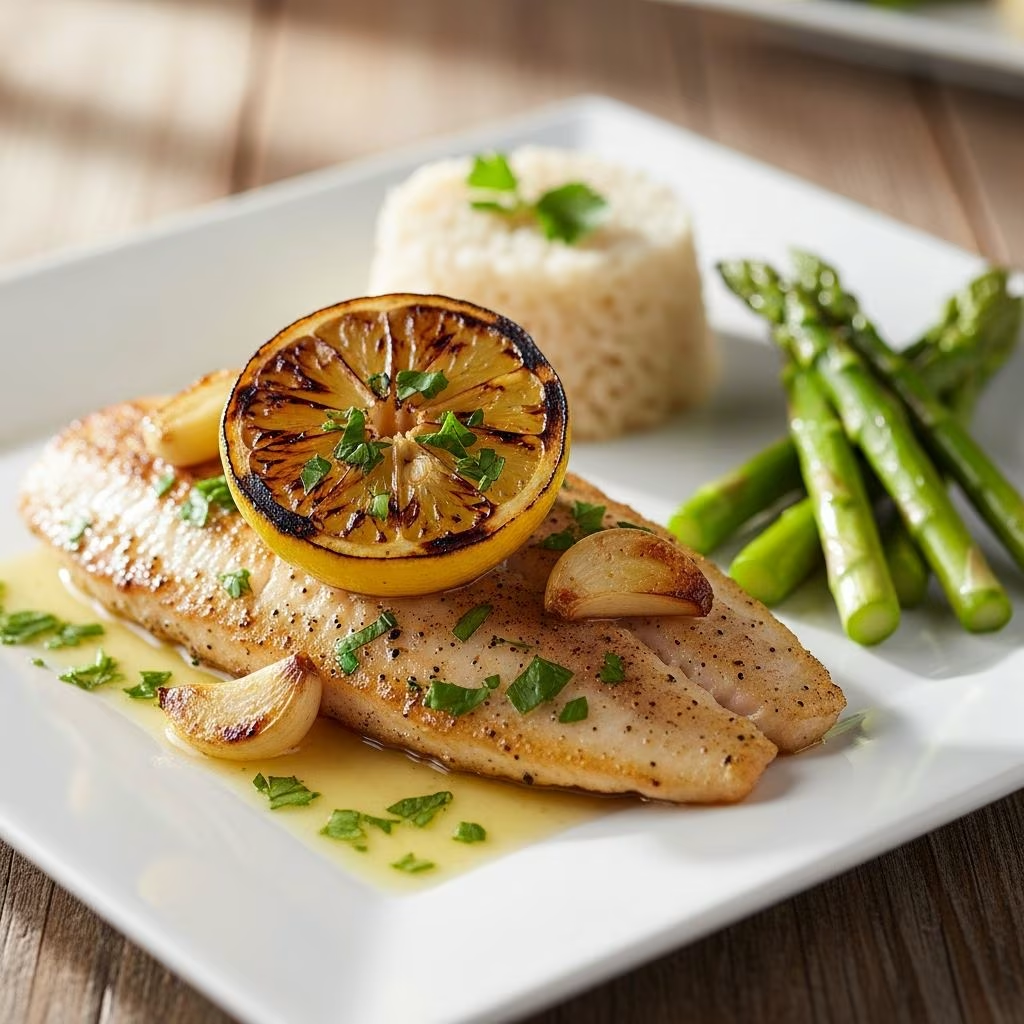
Looking for a dinner solution that combines simplicity, affordability, and restaurant-quality flavor? Baked tilapia with lemon garlic sauce delivers all three. This versatile white fish transforms into an elegant meal when paired with bright citrus and savory aromatics, requiring minimal prep work and cooking time. Whether you’re feeding a family of four or preparing an impressive weeknight supper, this recipe proves that quality seafood doesn’t demand complicated techniques or extensive ingredient lists.
Why Tilapia Deserves a Spot on Your Dinner Table
Tilapia has earned its reputation as a kitchen staple for good reason. This mild-flavored fish features a delicate, flaky texture that absorbs complementary flavors beautifully while remaining forgiving for cooks of varying skill levels. The fish’s neutral taste profile makes it an ideal canvas for bold flavor combinations without overpowering the natural seafood essence.
Beyond its culinary appeal, tilapia offers practical advantages. The fish is consistently available year-round at reasonable prices, making it accessible for regular weeknight cooking rather than special occasions. Its firm texture holds up well to various cooking methods, from baking and pan-frying to grilling, giving home cooks flexibility based on seasonal preferences and kitchen equipment.
Essential Ingredients for Maximum Flavor
The magic of this dish lies in its ingredient simplicity. Each component plays a specific role in creating a cohesive flavor profile that feels sophisticated despite its straightforward assembly.
The Foundation: Fresh Tilapia Fillets
Select tilapia fillets that are either fresh or recently thawed. Fresh fillets present a mild ocean aroma and vibrant color, while properly thawed frozen tilapia performs equally well. Plan for approximately 6 ounces per serving, allowing for generous portions that satisfy without overwhelming the palate. Quality matters here—avoid fillets with gray discoloration or overly strong fishy smells, as these indicate age or improper storage.
Acidic Brightness: Fresh Lemon
Lemon juice serves as the recipe’s acidic backbone, cutting through the richness of butter and amplifying the fish’s delicate flavors. Fresh-squeezed juice delivers superior results compared to bottled alternatives, which often taste dull or metallic. Plan for approximately 3 tablespoons of juice, roughly equivalent to one medium lemon. Beyond juice, thin lemon slices arranged around and atop the fish infuse the entire dish with subtle citrus aromatics during the baking process.
Aromatic Power: Minced Garlic
Garlic functions as the umami-rich seasoning that transforms simple ingredients into something memorable. Minced fresh garlic cloves distribute evenly throughout the butter sauce, ensuring consistent flavor in every bite. One tablespoon of minced garlic (approximately three cloves) provides noticeable depth without overwhelming the delicate fish. Using fresh garlic rather than powdered versions ensures a more vibrant, complex flavor experience.
Rich Foundation: Melted Butter
Butter creates the sauce’s luxurious mouthfeel while emulsifying the acidic lemon juice and aromatic garlic into a cohesive liquid. Two tablespoons of melted salted butter contribute both richness and seasoning. The butter’s dairy fat carries fat-soluble flavor compounds, ensuring they coat the fish evenly during cooking. Some cooks prefer unsalted butter for greater seasoning control, though salted butter simplifies the seasoning process.
Flavor Enhancements: Seasonings
Salt and freshly ground black pepper represent the essential seasonings, applied directly to the fish before adding the butter sauce. Additional herbs elevate the dish further—dried oregano, thyme, and paprika add Mediterranean warmth and visual appeal. Fresh parsley, sprinkled after cooking, contributes peppery freshness and bright color that makes the finished dish more visually appealing.
Step-by-Step Preparation Method
Oven Preparation and Fish Arrangement
Begin by preheating your oven to 400°F (204°C). This moderate-high temperature cooks the fish through without drying it out or browning the exterior excessively. While the oven heats, prepare a 9×13-inch baking dish by coating it lightly with nonstick cooking spray. This prevents sticking and simplifies cleanup. Arrange tilapia fillets in a single layer across the dish’s bottom, spacing them to allow heat circulation without crowding.
Sauce Creation and Application
In a small bowl, whisk together the fresh lemon juice, melted butter, and minced garlic until fully combined. Whisking ensures the garlic distributes throughout rather than settling at the bowl’s bottom. Season this mixture with salt and pepper to taste, then pour it evenly over the arranged tilapia fillets. The sauce should partially submerge the fish, providing moisture during cooking while infusing the flesh with flavor.
Garnish Placement
Arrange thin lemon slices over and around the fish, pressing some slightly into the sauce where they’ll soften and release their oils. These slices serve dual purposes: they prevent the exposed top surface from drying out during cooking while imparting subtle lemon flavor throughout the dish. Some recipes incorporate dried herbs like oregano or thyme directly into the sauce, while others sprinkle them over the fish before baking.
Baking Timeline
Transfer the prepared dish to the preheated oven and bake for 10-12 minutes, depending on fillet thickness. The fish is done when it flakes easily with a fork and reaches an internal temperature of 145°F (63°C). Overcooked tilapia becomes dry and unappetizing, so timing matters. Begin checking at the 10-minute mark by gently pressing the thickest part of a fillet—it should break apart into tender flakes rather than crumbling into dry fragments.
Serving Suggestions and Complementary Pairings
Present the baked tilapia directly from the baking dish for casual family meals, or transfer fillets to individual serving plates for more formal presentations. The collected pan juices make an excellent sauce for drizzling over the fish and accompanying side dishes.
| Side Dish Category | Recommended Options |
|---|---|
| Vegetables | Roasted asparagus, steamed broccoli, sautéed green beans, grilled zucchini, roasted Brussels sprouts |
| Starches | Garlic mashed potatoes, wild rice pilaf, buttered egg noodles, jasmine rice, roasted fingerling potatoes |
| Light Options | Mixed green salad with lemon vinaigrette, shaved vegetable slaw, herbed couscous |
| Breads | Crusty bread for sauce soaking, garlic toast, focaccia, ciabatta rolls |
The bright lemon-garlic profile pairs beautifully with crisp white wines like Sauvignon Blanc or Pinot Grigio, while light beers complement the dish’s clean flavors. For non-alcoholic options, sparkling water with lemon slices or iced herbal tea enhance rather than compete with the dish’s delicate balance.
Ingredient Substitutions and Adaptations
Fish Alternatives
While tilapia’s mild flavor and affordable price point make it ideal for this preparation, other white fish species work beautifully. Cod, halibut, flounder, and sole all feature similar delicate textures and respond well to the lemon-garlic sauce. Thicker fillets like cod may require additional baking time (13-15 minutes), while thin flounder fillets cook faster (8-10 minutes). Adjust timing based on fillet thickness rather than strict recipe adherence.
Fat Options
While butter creates the traditional rich sauce, extra-virgin olive oil provides a heart-healthy alternative that emphasizes the Mediterranean flavor profile. Some cooks combine both, using 1 tablespoon each for balanced richness and lighter consistency. Avocado oil works for those seeking different flavor notes, though it lacks butter’s emulsifying properties.
Flavor Variations
The basic formula accepts numerous enhancements. Add minced fresh dill for herbaceous notes, incorporate red pepper flakes for subtle heat, or stir in capers for briny complexity. White wine (1-2 tablespoons) added to the sauce provides acidic depth beyond lemon alone. Fresh parsley, cilantro, or basil offer finishing herb options depending on the desired flavor direction.
Storage, Reheating, and Make-Ahead Options
Properly stored baked tilapia keeps refrigerated for up to three days. Place cooled fish in an airtight container, being gentle to avoid breaking the delicate fillets. Reheat gently in a 300°F oven for 8-10 minutes, covered loosely with foil to prevent further drying. Alternatively, consume at room temperature as a composed salad topping or flaked into pasta dishes.
This recipe doesn’t benefit significantly from advance preparation—lemon juice and butter separate over time, and the fish itself doesn’t improve when precooked. However, all components can be measured and arranged in the baking dish up to 2 hours before baking, then immediately transferred to the oven when ready to eat.
Nutritional Profile and Health Considerations
Tilapia provides lean protein with minimal fat, making it suitable for various dietary approaches. A 6-ounce serving contains approximately 25-30 grams of protein while remaining relatively low in calories. The added butter contributes saturated fat and calories but remains moderate when portion-controlled. For lighter preparations, reduce butter to 1 tablespoon or substitute with cooking spray and white wine for similar moisture without additional fat.
The lemon juice contributes vitamin C and beneficial plant compounds, while garlic offers potential anti-inflammatory properties. This simple preparation celebrates whole ingredients without artificial additives or excessive sodium, making it suitable for health-conscious cooks.
Troubleshooting Common Issues
Dry or Overcooked Fish
The most common mistake involves excessive baking time. Check fish at the 10-minute mark and remove immediately when flakes appear. Thin fillets may need only 8-9 minutes. If dryness occurs, serve with extra sauce drizzled over and avoid reheating.
Watery Sauce
Fish naturally releases moisture during cooking, which dilutes the butter mixture. This isn’t a problem—the collected liquid makes excellent sauce. If too much accumulates, drain some before serving or serve the fish on a bed of rice to absorb excess liquid.
Uneven Cooking
Fillets of varying thickness cook at different rates. Arrange thicker fillets on the baking dish’s periphery (typically hotter areas) and thinner fillets toward the center. Alternatively, tuck thin fillet ends beneath themselves to create more uniform thickness.
Frequently Asked Questions
- Can I use frozen tilapia instead of fresh?
- Yes. Thaw frozen tilapia completely in the refrigerator before cooking. Pat dry with paper towels to remove excess moisture, which prevents proper browning and affects sauce consistency. Thawed tilapia performs identically to fresh tilapia in this recipe.
- How do I know when the fish is done cooking?
- Properly cooked tilapia flakes easily when pressed with a fork and reaches an internal temperature of 145°F (63°C) when measured with a meat thermometer. The flesh should appear opaque throughout with no translucent sections.
- Is this recipe suitable for meal prep?
- While the baked tilapia stores well for three days, the dish is best enjoyed fresh. However, all prep work can be completed before cooking, allowing you to simply pop the prepared dish into the oven when ready to eat.
- What wine pairs best with this dish?
- Crisp white wines with good acidity complement the lemon and garlic flavors. Sauvignon Blanc, Albariño, Pinot Grigio, and Vermentino all work beautifully. Light-bodied options won’t overpower the delicate fish.
- Can I double this recipe for entertaining?
- Yes. Double all ingredients and use two 9×13-inch baking dishes, or use a larger serving platter. Maintain the 400°F oven temperature and check for doneness starting at 12 minutes, as the larger volume may require slightly longer cooking time.
Conclusion: Mastering a Essential Weeknight Recipe
This lemon garlic tilapia recipe represents the intersection of simplicity and sophistication, delivering impressive results with minimal time investment. The combination of fresh lemon, pungent garlic, and rich butter creates a flavor profile that feels restaurant-worthy despite its humble ingredient list and straightforward preparation. Whether you’re a confident cook seeking reliable weeknight solutions or a beginner building foundational skills, this dish offers success with forgiving technique and flexible adaptations. Keep tilapia fillets stocked in your freezer and these basic ingredients on hand for instant dinner solutions that satisfy without demanding elaborate planning or extensive kitchen time.
References
- Seafood Cooking Guide: Fish Doneness and Safety — U.S. Food and Drug Administration (FDA). Last updated 2024. https://www.fda.gov/food/foodborneillnesscontaminants/produceproductionamppacking/ucm078956.htm
- Nutritional Composition of Common Fish Species — USDA FoodData Central. 2024. https://fdc.nal.usda.gov
- Food Storage Guidelines: Seafood — U.S. Department of Agriculture (USDA). Last updated 2023. https://www.usda.gov
- Garlic and Lemon in Culinary Applications: Flavor Chemistry — Journal of Food Science & Nutrition Research. 2023. https://www.cambridge.org/core/journals/journal-of-food-science
- Tilapia: Production, Nutritional Value, and Culinary Uses — FAO Fisheries & Aquaculture Division. 2023. https://www.fao.org/fishery/en/types/tilapia