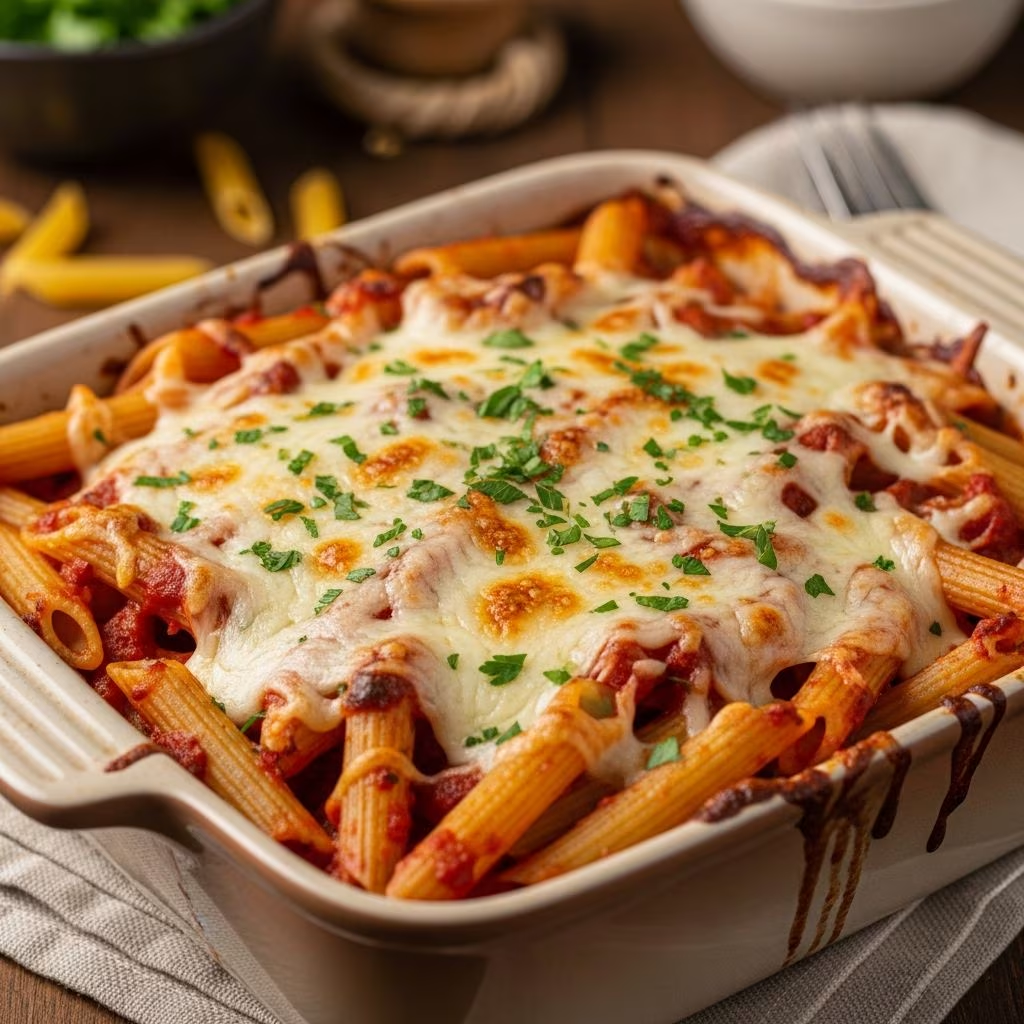
Baked penne represents one of the most accessible and satisfying dishes in the contemporary home cook’s repertoire. This layered pasta creation combines tender noodles with rich sauces and melted cheese to produce a dish that feels both indulgent and approachable. Whether you’re preparing dinner for your family on a busy weeknight or hosting guests for a casual gathering, understanding the fundamentals of baked penne preparation enables you to create memorable meals consistently.
Understanding the Fundamentals of Baked Penne
At its core, baked penne operates on a simple culinary principle: combining cooked pasta with sauce components and cheese, then applying heat until the mixture achieves a bubbly, golden appearance. The beauty of this approach lies in its flexibility. Rather than requiring precise adherence to a single formula, baked penne welcomes creative interpretation while maintaining its essential character as comfort food.
The dish draws inspiration from Italian pasta traditions, particularly the baked pasta preparations found throughout Southern Italy. These regional dishes emphasize layering techniques and the judicious use of multiple cheese varieties to create textural complexity. Modern adaptations have expanded these foundations, incorporating ground meats, diverse sauce profiles, and contemporary ingredient combinations.
Essential Components and Their Roles
The Pasta Foundation
Penne serves as the primary structural element, though its specific preparation profoundly influences the final outcome. Cooking penne to al dente consistency before baking proves critical, as the noodles will continue absorbing moisture and softening during the oven phase. Undercooking the pasta by one to two minutes compared to package directions creates the ideal starting point, leaving room for the baking process to bring the noodles to perfect tenderness without resulting in a mushy final dish.
The cylindrical shape of penne offers practical advantages beyond aesthetics. The hollow interior and angled cuts create surfaces that capture sauce and cheese throughout the dish, ensuring that each forkful delivers balanced flavor and texture rather than concentrating creaminess at certain layers.
Sauce Development and Selection
The sauce component provides moisture, flavor foundation, and cohesion for the assembled ingredients. Traditional approaches employ marinara or tomato-based preparations, though baked penne accommodates various sauce types including cream sauces and meat-forward preparations. The sauce should possess enough body to coat the pasta without rendering the dish soupy. Jarred options provide convenience without sacrificing quality when selected thoughtfully.
Building sauce complexity through careful seasoning enhances the overall dish. Italian seasonings including basil, oregano, and thyme contribute authentic flavor profiles. When incorporating ground meat into the sauce, browning it thoroughly and draining excess fat prevents the finished dish from becoming greasy.
Cheese Integration
Cheese serves multiple functions within baked penne: contributing flavor, facilitating binding, and creating the desirable golden, bubbly exterior. Utilizing multiple cheese varieties produces superior results compared to relying on a single type. Ricotta or cream cheese mixed into the pasta mixture provides creaminess throughout the dish. Mozzarella layered on top and interspersed through the pasta creates the characteristic melted quality and browning.
Incorporating Parmesan cheese, either mixed through or sprinkled on top, introduces a sharper, more complex flavor dimension that prevents the dish from tasting one-dimensional. The combination of soft, mild mozzarella with slightly aged Parmesan creates a balanced cheese profile.
Preparation Methodology
Pre-Baking Steps
Beginning with proper oven preheating establishes the correct temperature environment for even cooking. Most baked penne preparations benefit from oven temperatures between 350°F and 375°F, allowing the dish to heat through completely while browning the top layer gradually.
Preparing the baking dish by greasing it thoroughly prevents sticking and facilitates serving. An 8×8-inch dish accommodates smaller portions or serves four to six people, while a 9×13-inch vessel suits larger groups or provides leftovers for reheating.
Layering and Assembly
The assembly sequence influences how flavors distribute throughout the finished dish. Combining cooked pasta with sauce and softer cheese components before transferring to the baking dish ensures even distribution. Reserving some sauce for the top layer creates additional moisture and promotes browning.
Placing shredded mozzarella between layers, in addition to topping, creates pockets of melted cheese throughout the casserole. This three-dimensional cheese integration produces superior results compared to simply topping the pasta with cheese.
Baking Duration and Temperature Control
Most baked penne recipes require 20 to 30 minutes of baking time, though this varies based on the specific recipe composition and oven characteristics. The dish reaches completion when the top achieves a light golden-brown color and the mixture bubbles around the edges. Tenting with foil during the initial baking phase, then uncovering to allow browning during the final minutes, prevents the top from browning excessively while the interior remains insufficiently heated.
Ingredient Variations and Customization
Protein Considerations
While ground beef features prominently in many baked penne preparations, numerous protein options produce excellent results. Ground sausage, whether Italian or breakfast varieties, introduces different flavor profiles. Ground turkey provides a leaner alternative without sacrificing satisfaction. Ground lamb contributes Mediterranean character.
For vegetarian versions, omitting meat entirely and incorporating additional vegetables maintains the dish’s heartiness through increased vegetable volume and varied textures.
Vegetable Additions
Sautéed mushrooms introduce umami depth and meaty texture. Spinach adds nutritional value and subtle earthiness. Roasted bell peppers contribute sweetness and color complexity. Zucchini or eggplant provide additional substance without overwhelming the dish’s essential character.
These additions integrate most successfully when incorporated into the sauce component or distributed throughout the pasta mixture rather than reserved solely for the top layer.
Sauce Profile Exploration
Beyond traditional marinara, white sauce preparations create entirely different flavor landscapes. A simple béchamel made from butter, flour, and milk, combined with the cheese components, produces a richer, less acidic alternative to tomato-based versions.
Adding heavy cream to tomato sauce creates a pink sauce variation that balances acidity with richness. Pesto integrated into the pasta mixture introduces herbaceous complexity.
Make-Ahead and Storage Considerations
Advance Preparation Benefits
Assembling baked penne hours or even a day before baking offers practical advantages for meal planning. Covering the assembled dish tightly with plastic wrap, the casserole can refrigerate safely for up to 24 hours. When ready to bake, add approximately five to ten minutes to the standard cooking time if the dish begins baking directly from refrigeration.
This advance preparation capability makes baked penne ideal for potluck contributions, where you can prepare it at home and transport it ready for reheating at the destination.
Storage and Reheating Methods
Leftover baked penne stores successfully in refrigeration for three to four days in airtight containers. Reheating occurs most effectively at a moderate oven temperature, allowing the dish to warm through evenly without drying the surface. Covering the dish with foil during reheating preserves moisture.
Freezing baked penne, either before or after baking, extends storage possibilities to three months. Thawing overnight in refrigeration before reheating produces better results than attempting to reheat from the frozen state.
Serving Suggestions and Complementary Pairings
Fresh garnishes applied immediately before serving enhance visual appeal and introduce fresh flavor notes. Finely chopped fresh parsley or basil adds herbaceous brightness. A light drizzle of quality olive oil provides subtle richness and gloss.
Serving baked penne alongside a crisp green salad creates textural contrast and provides palate refreshment between bites of the rich pasta. A simple vinaigrette with mild acidity complements the dish without competing with the established flavors.
Garlic bread or toasted bread rubbed with garlic and herbs provides additional substance and vehicle for sauce absorption. These accompaniments transform the baked penne from primary dish into the centerpiece of a more elaborate meal.
Troubleshooting Common Challenges
Managing Moisture Content
Excessively watery results typically stem from too much sauce or insufficient pasta cooking time. Reducing sauce quantity or cooking the pasta closer to al dente addresses this issue. If the finished dish appears dry, placing a small bowl of water on the oven rack below creates steam that prevents surface drying.
Addressing Inconsistent Cooking
Unevenly cooked dishes often result from oven temperature variations or inadequate mixing of components. Ensuring thorough combination of pasta, sauce, and cheese before transferring to the baking dish promotes even heat distribution. Using an oven thermometer verifies accurate temperature maintenance.
Preventing Excessive Browning
If the top browns too quickly, tenting with aluminum foil throughout baking, removing only during final minutes for color development, prevents burning while allowing interior cooking to continue.
Nutritional Considerations
Baked penne delivers substantial calories and fat content due to its cheese and meat components, making it an indulgent choice rather than a light meal option. A standard serving containing ground beef, multiple cheeses, and sauce typically ranges from 400 to 600 calories.
Incorporating additional vegetables increases nutritional density while modulating caloric contribution through displacement of heavier ingredients. Using lean ground meat and reducing cheese quantities slightly lowers fat content without dramatically impacting satisfaction.
Frequently Asked Questions
Can baked penne be prepared without meat?
Absolutely. Vegetarian versions maintain the dish’s essential appeal through increased vegetable incorporation and cheese emphasis. Mushrooms provide particularly effective meaty texture and umami contribution in meatless preparations.
What cheese combinations work best?
Combining ricotta or cream cheese for creaminess with mozzarella for meltability and Parmesan for complexity creates balanced flavor and texture. Experimenting with these proportions according to personal preference yields excellent results.
How long does baked penne keep?
Properly stored in airtight refrigeration, baked penne maintains quality for three to four days. Frozen baked penne remains suitable for consumption for up to three months.
Can the recipe be doubled for larger gatherings?
Yes, scaling ingredients proportionally works well. When doubling, divide the mixture between two 9×13-inch baking dishes and allow slightly longer cooking time, or use a single larger vessel and add five to ten minutes to standard cooking duration.
What distinguishes baked penne from lasagna?
While both employ layering principles, baked penne uses tubular pasta combined throughout with sauce rather than in distinct layers. This approach simplifies preparation while producing similar satisfaction and comfort-food appeal.
Mastering Your Baked Penne Experience
Creating exceptional baked penne relies less on following rigid formulas than on understanding underlying principles and adapting them to personal preferences and available ingredients. Success emerges from cooking pasta to appropriate tenderness, balancing sauce moisture carefully, distributing cheese thoughtfully, and monitoring oven heat during baking.
Each preparation opportunity provides occasion to refine technique and experiment with variations. Whether maintaining traditional preparations or introducing personal innovations, baked penne rewards experimentation while consistently delivering the ultimate comfort meal.
References
- Baked Penne with Ricotta and Ground Beef — Recipe Runner. https://reciperunner.com/baked-penne/
- Baked Penne Pasta Bake Guide — Life In The Lofthouse. https://life-in-the-lofthouse.com/baked-penne/
- Million Dollar Penne Pasta Bake — Carlsbad Cravings. https://carlsbadcravings.com/million-dollar-baked-penne/
- Penne Pasta Bake with Marinara — The Honour System. https://thehonoursystem.com/penne-pasta-bake/
- Saucy Baked Penne Pasta Casserole — Melissa’s Southern Style Kitchen. https://www.melissassouthernstylekitchen.com/saucy-baked-penne-pasta/
- Easy Baked Penne Pasta Recipe — The Candid Cooks. https://www.thecandidcooks.com/easybakedpenne/