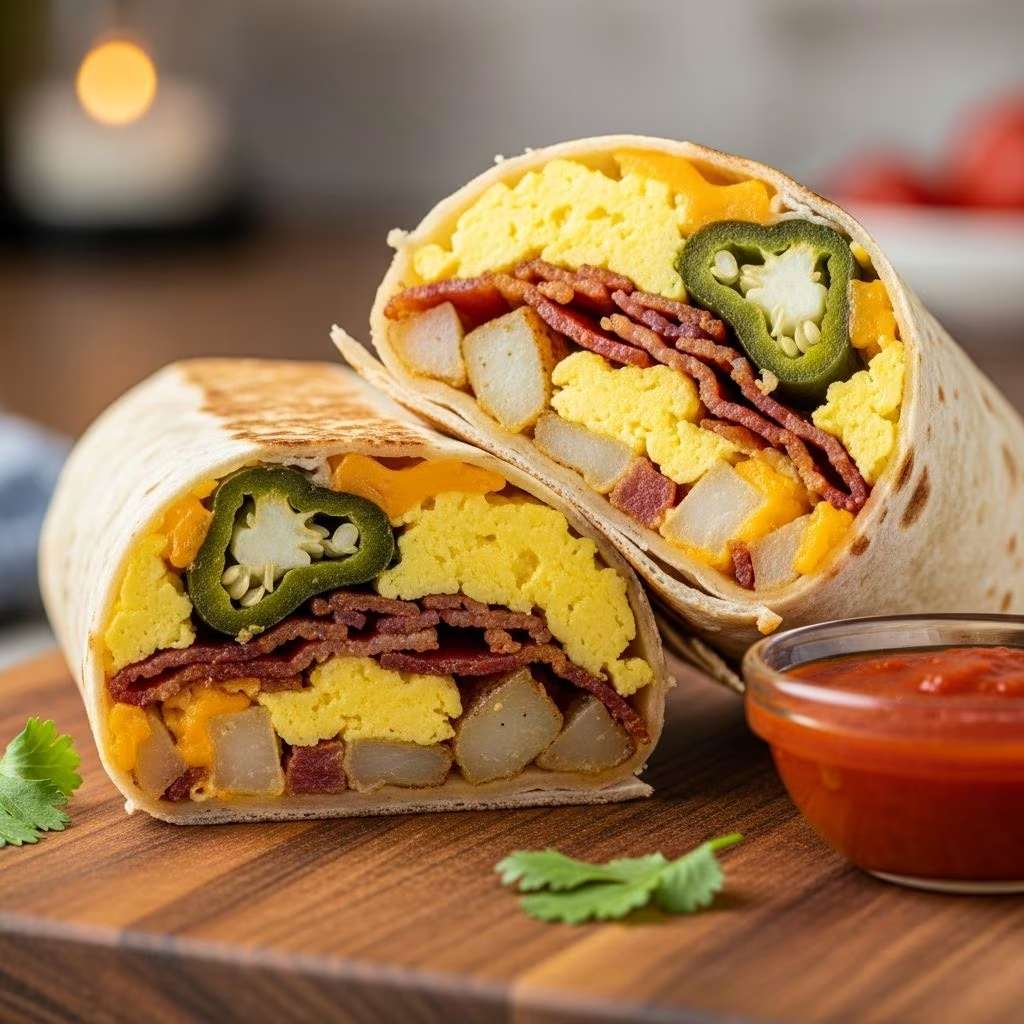
The breakfast burrito stands as a cornerstone of New Mexican cuisine, representing a perfect marriage of convenience and flavor that has made it a beloved morning staple throughout the region and beyond. This handheld masterpiece combines hearty potatoes, protein, cheese, and the signature element of roasted green chiles, all wrapped securely in a warm flour tortilla. Unlike rushed weekday fare, crafting an authentic New Mexican breakfast burrito is an opportunity to explore regional culinary traditions while creating a meal that nourishes and satisfies.
Understanding the Core Components
A traditional New Mexican breakfast burrito comprises several essential elements that work in harmony to create its distinctive character. The foundation typically rests on a base of shredded potatoes, which serve as the heartiest component and provide both substance and texture. Proteins vary but commonly include bacon, chorizo, or sausage, offering smoky, savory notes that complement the other ingredients. Eggs bind many of these elements together, creating a cohesive mixture, while cheese adds creaminess and richness. Perhaps most crucially, roasted green chiles deliver the authentic New Mexican signature—a slightly spicy, earthy flavor that distinguishes these burritos from their counterparts in other regions.
The tortilla itself deserves careful consideration. A 10-inch to 12-inch flour tortilla provides adequate size for wrapping all components without tearing, and warming it beforehand ensures flexibility and enhances its flavor. The quality of each ingredient matters considerably; fresh, locally-sourced items yield superior results compared to lesser-quality substitutes.
Selecting and Preparing Your Ingredients
Potatoes: The Foundation
Potatoes form the structural backbone of any respectable New Mexican breakfast burrito. Russet potatoes work exceptionally well, offering a mild flavor and appropriate texture when cooked. For efficiency, some cooks prefer shredded frozen hash browns, which reduce preparation time significantly. However, freshly prepared potatoes from whole russets deliver superior taste and texture.
Begin by peeling russet potatoes or leaving the skin intact, depending on preference. Shred them on the large holes of a box grater or use a food processor for uniform consistency. Immediately before cooking, squeeze excess moisture from the shredded potatoes using paper towels or a clean kitchen towel—this step proves essential for achieving crispy, golden potatoes rather than a soggy, dense mass.
Proteins: Building Flavor Layers
The protein component introduces savory depth and satisfying substance. Bacon remains a classic choice, offering smoky richness and textural contrast. Cook bacon strips until crispy, then either leave them whole or crumble them into bite-sized pieces. Chorizo provides a spicier alternative, bringing warm spices and fat that seasons surrounding ingredients. Sausage or even diced ham work equally well, and creative cooks often combine multiple proteins for complex flavor profiles.
Eggs: Creating Cohesion
Eggs transform individual components into a unified dish. Lightly beat eggs before cooking to ensure even distribution and fluffy texture. The cooking technique matters significantly—scrambling eggs gently produces large, tender curds rather than small, rubbery fragments. Some regional variations incorporate eggs directly into the potato mixture while cooking, allowing them to cook throughout the hash browns for deeper integration.
Cheese: Adding Richness
Mild cheddar and Monterey Jack represent the most traditional choices, melting smoothly and providing creamy texture without overpowering other flavors. Grate cheese yourself from blocks rather than using pre-shredded varieties, which contain additives that impede proper melting.
Green Chiles: The Essential Element
Roasted green chiles define the New Mexican breakfast burrito experience. Hatch chiles, harvested in late summer and early fall, offer the most authentic option, though frozen roasted chiles work admirably during other seasons. Fresh chiles require roasting over an open flame or hot coil, then placing in a plastic bag to steam, which loosens the skin for easy removal. Alternatively, canned or jarred roasted green chiles provide reliable convenience without sacrificing quality.
Step-by-Step Assembly Process
Cooking the Potato Base
Heat vegetable oil in a large, heavy skillet over medium heat. Add shredded potatoes along with salt and fresh-ground black pepper to taste. Using a spatula, press the potato mixture into an even layer and allow it to cook undisturbed for several minutes until the bottom begins developing a golden crust. Scrape the potatoes from the bottom of the skillet, breaking up the formed crust, then press down again. Repeat this process two to three times over 12 to 15 minutes, creating a mixture with crispy, browned edges and tender interior.
During the final stages of potato cooking, add finely chopped onion and minced garlic, stirring them throughout to distribute heat evenly. These aromatics will soften and release their flavors directly into the potato mixture.
Combining Proteins and Cheese
Once potatoes reach the desired doneness, divide the mixture equally among the number of burritos you’re preparing. For each burrito, spread approximately one-quarter of the potato mixture along the center of a warmed tortilla, leaving two-inch margins on the sides. Layer crumbled or whole bacon strips and approximately one-quarter cup of grated cheese on top of the potatoes.
Incorporating Eggs
Prepare eggs by cracking them into a bowl and whisking thoroughly for 30 seconds to one minute. Season with salt and black pepper to taste. In a separate skillet, melt butter over medium-low heat, swirling to coat the pan evenly. Pour the whisked eggs into the buttered skillet and allow them to cook without disturbance for 30 seconds to one minute. As they begin setting, use a rubber spatula to gently fold and push the eggs toward the center, creating large, fluffy curds. Remove the skillet from heat while eggs remain slightly moist and not completely set—residual heat will finish cooking them to perfection.
Divide the cooked eggs into portions matching your burrito count, placing them next to the potato mixture on each tortilla.
Adding Green Chiles and Rolling
Distribute roasted green chiles across each burrito, using approximately two tablespoons per burrito. Add diced red chiles if desired for additional flavor complexity and visual appeal. Now comes the critical rolling technique: fold the bottom edge of the tortilla up and over the filling, then fold the sides inward while maintaining tension. Continue rolling toward the top edge, creating a tight cylinder with the seam underneath.
The key to successful rolling involves maintaining consistent pressure throughout the process. Your fingers should work methodically to keep the filling contained while the tortilla wraps around it snugly.
Regional Variations and Creative Additions
While the core components remain consistent, regional preferences and personal taste drive numerous variations throughout New Mexico and beyond. Chicharrones—crispy fried pork—add textural contrast and pronounced pork flavor. Carnitas introduce tender, shredded slow-cooked pork. Smoked brisket brings Tex-Mex influences to the traditional recipe.
Some cooks incorporate beans, either refried or whole, adding both nutrition and creamy texture. Crispy corn tortilla pieces stirred into the mixture provide unexpected textural interest. Diced avocado or guacamole introduces cooling creaminess that balances spiciness. Fresh cilantro, salsa fresca, and lime juice offer bright, acidic notes that cleanse the palate between bites.
The Smothered Burrito Experience
The ultimate New Mexican presentation involves smothering—covering the rolled burrito entirely with green chile sauce, red chile sauce, or a combination of both, then topping with additional grated cheese. This technique transforms the burrito from a handheld item into a fork-and-knife dish served on a plate. The sauce permeates the tortilla and all components, creating deeper flavor integration and a more luxurious presentation.
To prepare a green chile sauce for smothering, sauté finely chopped onion and minced garlic in oil until softened. Sprinkle flour over the aromatics and cook briefly to create a roux. Add chopped roasted green chiles and chicken or beef stock, stirring constantly. Bring to a boil, then reduce heat and simmer for approximately 15 minutes until the sauce thickens slightly while remaining pourable. Season with salt to taste.
Essential Equipment and Kitchen Tools
Proper equipment streamlines the burrito-making process significantly. A large, heavy skillet distributes heat evenly and prevents sticking. A box grater or food processor handles potato shredding efficiently. Spatulas, both rubber and metal varieties, prove indispensable for folding eggs and manipulating potatoes. Paper towels absorb excess moisture from both potatoes and cooked bacon. A large cutting board provides ample space for rolling burritos. Heat-proof plates accommodate smothered burritos during the final cheese-melting stage in the oven.
Timing and Preparation Strategy
Successful burrito preparation requires strategic timing to ensure all components reach completion simultaneously while remaining warm. Begin with potatoes, which require the longest cooking time. While potatoes cook, prepare and cook proteins. As proteins finish, begin warming tortillas. Cook eggs during the final stages, assembling burritos immediately before rolling to maintain optimal temperatures.
For batch cooking or feeding multiple people, prepare the potato and protein components completely, then divide them into portions. Have all other ingredients measured and ready before beginning egg cooking. This assembly-line approach ensures consistency and prevents any component from cooling excessively.
Frequently Asked Questions
- Can breakfast burritos be prepared in advance?
- Yes, assembled burritos (without sauce) wrap well in foil and refrigerate for several days. Reheat in a 350°F oven for approximately 15 minutes. However, burritos made with crispy elements taste superior when eaten shortly after assembly.
- What flour tortilla size works best?
- Ten to twelve-inch flour tortillas provide adequate surface area for wrapping all components without excessive tortilla remaining after rolling. Smaller tortillas tear easily under pressure, while larger ones create excessive folds.
- How do I prevent soggy burritos?
- Ensure potatoes develop crispy, golden edges by cooking them thoroughly. Drain cooked bacon on paper towels to remove excess fat. Cook eggs properly so they don’t release excessive moisture. Don’t over-stuff burritos, which forces excess filling liquid into the tortilla.
- Can I substitute frozen hash browns?
- Absolutely. Frozen hash browns reduce preparation time significantly. Thaw them first and squeeze out excess moisture before cooking. The texture differs slightly from fresh-cooked potatoes but remains entirely acceptable.
- What’s the difference between red and green chile?
- Green chiles are harvested while still unripe and offer fresher, slightly grassy notes with moderate heat. Red chiles are fully ripened, delivering earthier, sweeter flavors with typically deeper heat levels. Both work beautifully in breakfast burritos; choose based on personal preference and availability.
Mastering the Rolling Technique
Rolling a burrito properly represents perhaps the most challenging aspect of home preparation. Begin with the tortilla positioned so the filling sits across the middle, leaving approximately two-inch margins on both sides. Fold the bottom edge upward, pressing it gently over the filling while maintaining tension. Simultaneously fold the left and right sides inward toward the middle, overlapping slightly. Continue the upward rolling motion while using your index fingers to maintain pressure on the upper tortilla edge and your thumbs to roll the sides inward. Complete the roll with the seam facing downward, ensuring it stays sealed under the burrito’s weight.
Practice improves technique considerably. Initial attempts may result in imperfect rolls, but consistency strengthens with repetition. Some filling may escape from initial attempts, but this provides excellent opportunity to learn proper filling quantities and tension control.
Serving and Presentation Suggestions
Present breakfast burritos on warmed plates, optionally drizzled with salsa or hot sauce on the side for individual customization. For a more formal brunch presentation, arrange smothered burritos on large platters with fresh cilantro garnish, lime wedges, and contrasting sauce drizzles. Accompany with Mexican rice, refried beans, or fresh fruit for a complete breakfast experience.
The breakfast burrito transitions beautifully between casual weekday meals and special occasion brunches. Its versatility accommodates various dietary preferences through simple ingredient modifications while maintaining authenticity and satisfaction.
References
- New Mexico Breakfast Burritos Recipe — Food Fanatic, based on Marisel Salazar’s cookbook “Latin-ish: More Than 100 Recipes Celebrating American Latino Cuisines.” https://www.foodfanatic.com/recipes/new-mexico-breakfast-burritos-recipe/
- Breakfast Burrito Recipe — New Mexico Magazine. https://www.newmexicomagazine.org/blog/post/breakfast-burrito-web-extra-85292/
- New Mexican Style Breakfast Burrito — Edible Monterey Bay, Fall 2020. https://ediblemontereybay.com/online-magazine/fall-2020/new-mexican-style-breakfast-burrito/