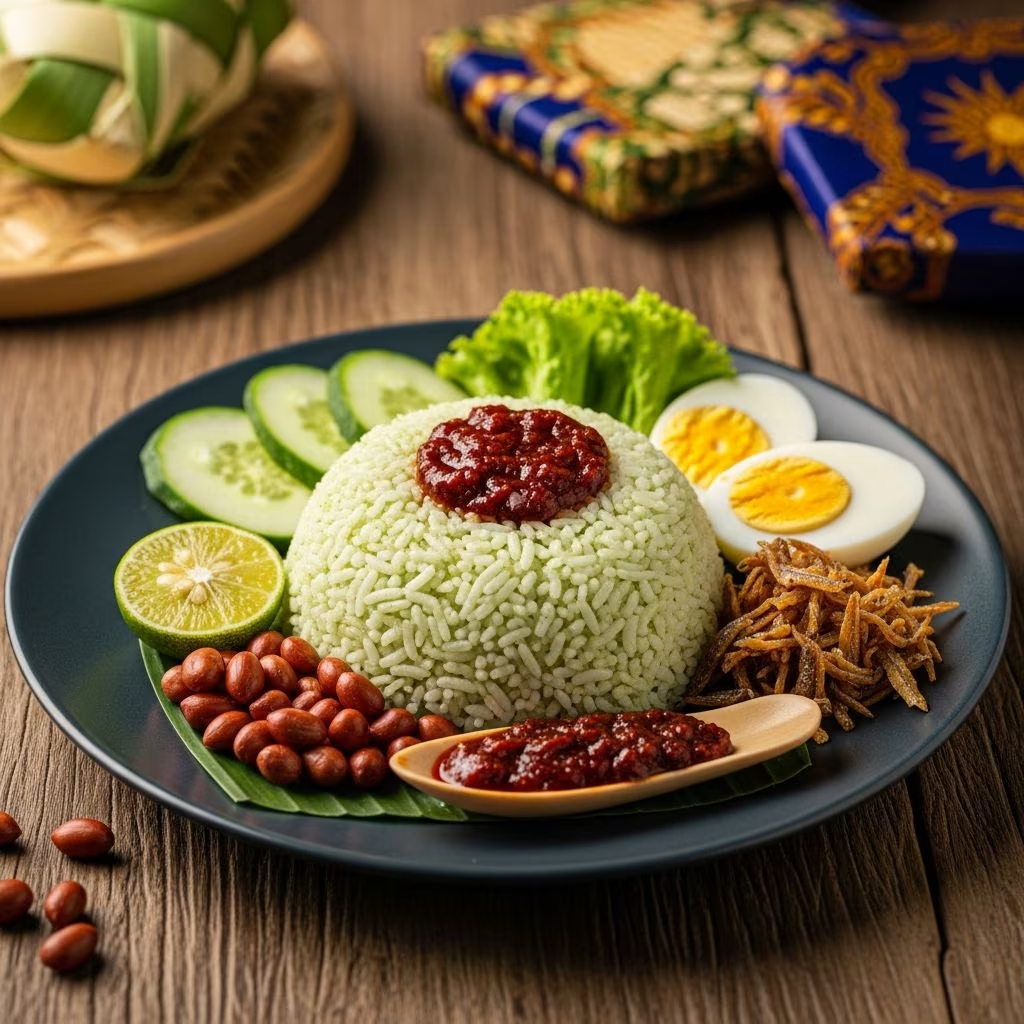
Malaysian Nasi Lemak stands as a cornerstone of Southeast Asian culinary tradition, celebrated for its harmonious blend of aromatic coconut-infused rice and a symphony of contrasting textures and flavors. This dish, often hailed as Malaysia’s national treasure, transcends a simple meal to become a cultural emblem enjoyed from street stalls to festive gatherings. At its heart lies fluffy rice cooked in creamy coconut milk, elevated by a fiery sambal sauce, crunchy fried anchovies, roasted peanuts, sliced cucumber, and creamy boiled eggs. Variations may include fried chicken or small fish, but the core remains a testament to balance—sweet, spicy, salty, and fresh all in one bite.
Understanding the Essence of Nasi Lemak
Nasi Lemak, translating literally to “fatty rice” or “rich rice” in Malay, owes its name to the luxurious coconut milk that imparts a subtle sweetness and irresistible fragrance. Originating from Malay heritage, it has woven itself into the daily lives of Malaysians, Singaporeans, Bruneians, and even Indonesians where it’s akin to nasi uduk. Breakfast, lunch, or supper—this versatile dish adapts seamlessly, wrapped traditionally in banana leaves for portability.
Its appeal lies in simplicity paired with bold flavors. The rice absorbs pandan leaves’ earthy notes and lemongrass’s citrusy zing, creating a base that’s neither overpowering nor bland. Sambal provides the heat, anchovies the umami crunch, peanuts the nutty depth, cucumber the cooling respite, and eggs the protein richness. This interplay makes Nasi Lemak more than food; it’s an experience.
Essential Ingredients for Authentic Nasi Lemak
Gathering the right components is key to replicating this dish faithfully. Focus on fresh aromatics and quality staples for the best results.
- Rice: Long-grain jasmine or basmati works best for fluffiness; 2 cups serves 4.
- Coconut Milk: Full-fat canned variety; about ½ to ¾ cup mixed with water for creaminess without sogginess.
- Aromatics: Pandan leaves (2-3, knotted), lemongrass (1 stalk, bruised), ginger slices for fragrance.
- Sambal Base: Dried red chilies (10-15, soaked), shallots (10), garlic (3 cloves), belacan (shrimp paste, 1 tsp).
- Anchovies (Ikan Bilis): Dried, small varieties; ½ cup for frying.
- Peanuts: Raw, unsalted; ½ cup, roasted or fried.
- Other: Cucumber (1, sliced), eggs (4, boiled), tamarind juice (from 1 tbsp pulp), salt, sugar, oil.
Optional proteins like spiced fried chicken (ayam goreng berempah) add variety: marinate chicken with turmeric, coriander, lemongrass paste, then fry.
Step-by-Step Guide to Cooking Coconut Rice
The rice is the foundation—get this right, and the dish sings. Three foolproof methods ensure success whether stovetop, rice cooker, or Instant Pot.
Stovetop Method
- Rinse 2 cups rice until water clears; drain.
- In a pot, combine rice, 1¼ cups water, ¾ cup coconut milk, knotted pandan, bruised lemongrass, sliced ginger, 1 tsp salt. Stir.
- Boil over medium-high, then simmer covered on low for 12-15 minutes until liquid absorbs. Fluff and rest 10 minutes.
Rice Cooker Method
Add rinsed rice, coconut milk (½ cup), water (to rice line), aromatics, salt. Cook on standard setting. Perfect for hands-off prep.
Instant Pot Method
Rinse rice, add all ingredients, pressure cook high 5 minutes, natural release 10 minutes.
Tip: Adjust coconut milk for creaminess; too much yields mush.
Mastering the Spicy Sambal Ikan Bilis
Sambal is the soul—spicy, tangy, sweet. Patience in stir-frying develops depth.
- Soak chilies 20 minutes, blend with shallots, garlic, belacan into paste.
- Fry anchovies crisp in 2 tbsp oil; reserve. Use same oil to fry paste until fragrant and oil separates (10 minutes).
- Add onion rings, reserved anchovies, tamarind juice, ½ tsp salt, 1 tsp sugar. Simmer until thickened (5-10 minutes).
This sambal doubles as a condiment for other dishes.
Preparing Crunchy Toppings and Sides
- Fried Anchovies: Deep-fry ½ cup dried ikan bilis in hot oil (350°F) 2-3 minutes until golden; drain.
- Roasted Peanuts: Fry raw peanuts in same oil 3-5 minutes or dry-roast; salt lightly.
- Boiled Eggs: Cook 4 eggs 10 minutes; peel, halve.
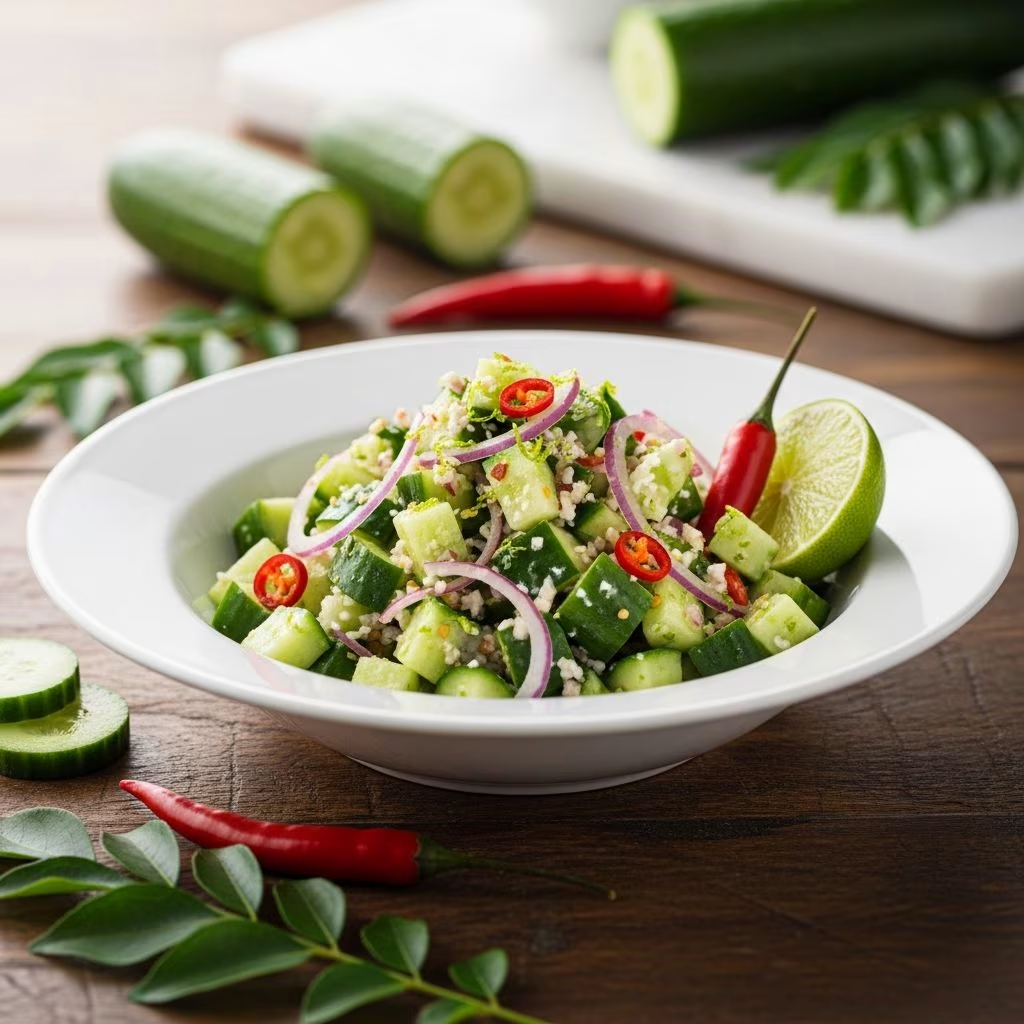
- Cucumber: Slice thinly for freshness.
- Fried Chicken (Optional): Marinate overnight with blended lemongrass-garlic-turmeric paste, spices, coconut milk; coat in egg-rice flour, deep-fry golden.
Artful Assembly and Plating
Tradition calls for banana leaf lining, but a plate suffices. Scoop molded rice center, surround with halved egg, peanuts, anchovies, cucumber slices, fried fish/chicken. Crown with 2 tbsp sambal. Serve hot for peak aroma.
| Component | Quantity per Serving | Texture/Flavor Role |
|---|---|---|
| Coconut Rice | ½ cup | Fluffy, aromatic base |
| Sambal | 2 tbsp | Spicy, tangy heat |
| Anchovies | 2 tbsp | Crispy, salty crunch |
| Peanuts | 2 tbsp | Nutty, roasted bite |
| Egg | ½ | Creamy protein |
| Cucumber | 4-5 slices | Cool, crisp contrast |
Variations and Regional Twists
While classic Nasi Lemak is pure, adaptations abound:
- Singaporean: Often with omelette or luncheon meat.
- Indonesian Nasi Uduk: Similar rice, ayam goreng side.
- Vegetarian: Omit anchovies, add tempeh or tofu.
- Premium: Ladang chicken or squid sambal.
Scale spice by chili quantity; kids’ version uses milder sambal.
Nutritional Profile and Dietary Notes
A standard serving (with chicken) offers balanced macros: ~600-800 calories, high carbs from rice, proteins from egg/fish, healthy fats from coconut/peanuts. Rich in vitamins A, C from chilies/cucumber. Use moderation for sodium from anchovies. Gluten-free naturally; veganize by skipping egg/anchovies.
Frequently Asked Questions (FAQs)
What rice is best for Nasi Lemak?
Jasmine or basmati for optimal fluffiness and fragrance absorption.
Can I make Nasi Lemak without pandan leaves?
Yes, but substitute screw pine essence (½ tsp) for similar aroma.
How long does sambal last?
Refrigerate up to 1 week; freeze 1 month.
Is Nasi Lemak spicy?
Moderately; adjust chilies for tolerance.
What’s the role of belacan in sambal?
Shrimp paste adds umami depth; toast first to mellow.
Pro Tips for Nasi Lemak Perfection
- Rinse rice thoroughly to prevent gumminess.
- Bruise aromatics to release oils.
- Fry sambal low-slow for flavor bloom.
- Rest rice post-cook for even texture.
- Pair with teh tarik or air bandung.
With practice, Nasi Lemak becomes a kitchen staple, evoking Malaysian streetsides. Experiment boldly while honoring tradition.
References
- Nasi Lemak – Rasa Malaysia — Rasa Malaysia. 2023-05-15. https://rasamalaysia.com/nasi-lemak-recipe/
- Authentic Nasi Lemak Recipe (3 easy cooking methods!) – Nomadette — Nomadette. 2022-08-10. https://nomadette.com/nasi-lemak/
- Rice With Coconut Milk (Malaysian Nasi Lemak) – El Mundo Eats — El Mundo Eats. 2021-11-20. https://www.elmundoeats.com/nasi-lemak/
- Nasi Lemak (Malaysia’s National Dish) – Homiah — Homiah. 2023-02-28. https://www.homiah.com/blogs/recipe/nasi-lemak
- Malaysian Nasi Lemak (Coconut Rice with Dried Anchovy Sambal) — International Cuisine. 2020-07-12. https://www.internationalcuisine.com/malaysian-nasi-lemak/
- Best Nasi Lemak Recipe (Coconut Rice with Sambal Tumis) — Singaporean Malaysian Recipes. 2022-04-05. https://www.singaporeanmalaysianrecipes.com/nasi-lemak-recipe/
- Easy Nasi Lemak (Singapore/Malaysia Coconut Milk Rice) — What to Cook Today. 2021-09-18. https://whattocooktoday.com/nasi-lemakcoconut-milk-rice.html