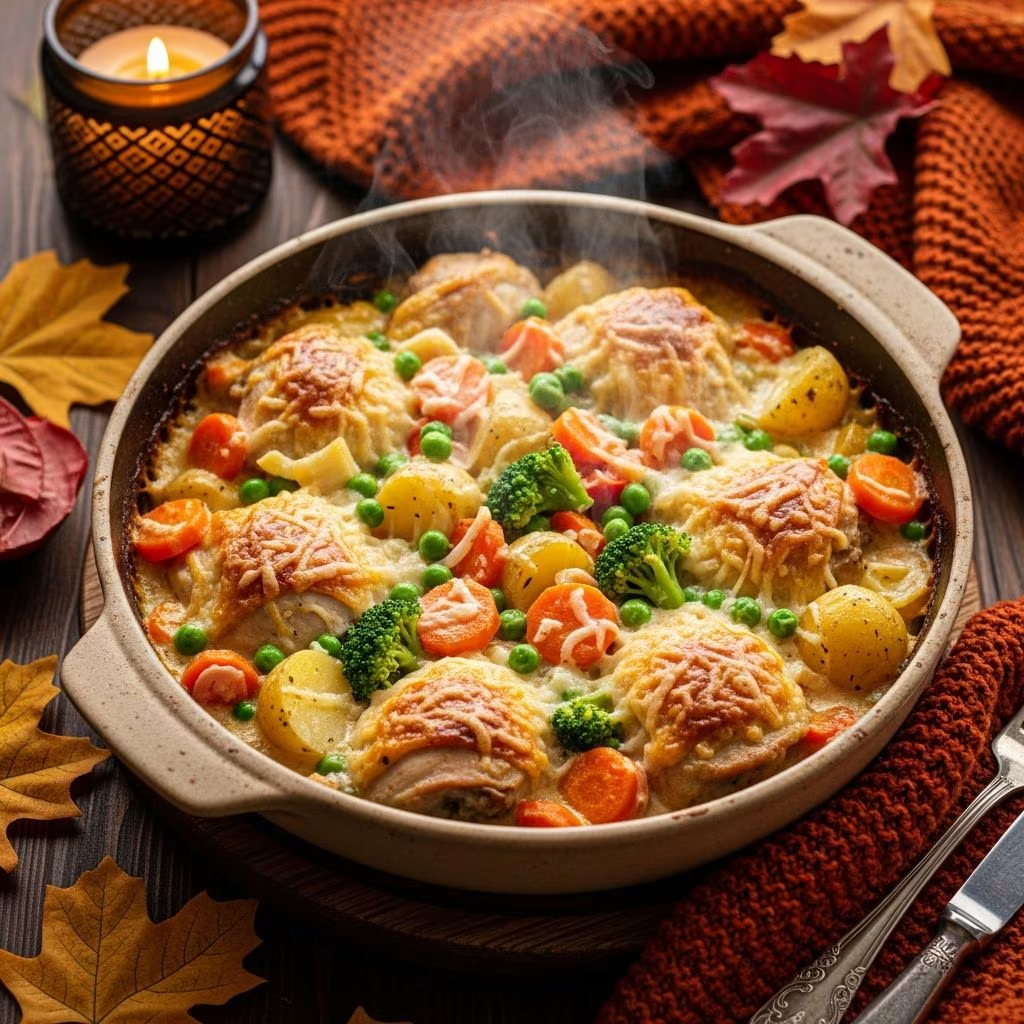
When temperatures drop and the days grow shorter, nothing satisfies quite like a warm, bubbling casserole fresh from the oven. Chicken casseroles have earned their place as winter staples for good reason—they combine tender proteins, creamy sauces, and satisfying carbohydrates into one-dish meals that feed families without demanding hours of kitchen time. Whether you’re planning weeknight dinners, preparing meals for guests, or looking for dishes that taste even better as leftovers, chicken casseroles deliver both comfort and practicality.
The beauty of these dishes extends beyond their initial serving. Many chicken casseroles actually improve when reheated, as flavors meld and deepen overnight. This makes them ideal for busy households, meal-prep enthusiasts, and anyone seeking to minimize cooking stress during the colder months.
The Foundation: Building Blocks of Comfort Casseroles
Understanding what makes a chicken casserole successful helps you create variations suited to your preferences. Every great casserole begins with foundational elements that work together harmoniously.
Protein Selection and Preparation
The chicken itself sets the tone for your entire dish. You have multiple convenient options that deliver tender, flavorful results. Rotisserie chickens from your grocery store provide ultimate convenience—simply pull the meat from the bones and shred it. If you prefer cooking from scratch, boneless chicken breasts boiled in chicken broth or salted water cook quickly and absorb additional flavor from the cooking liquid. For deeper taste and natural moisture, chicken thighs offer superior flavor compared to white meat. Some cooks use Instant Pot methods for hands-off cooking, while others roast chicken thighs in the oven beforehand. Regardless of your chosen method, aim for approximately eight cups of shredded chicken to feed a typical family of four to six people.
Creamy Binding Agents
The sauce layer distinguishes a memorable casserole from a dry, disappointing dish. Condensed cream of chicken soup provides a classic base that adds richness and helps ingredients bind together. Combining this soup with sour cream creates an exceptionally creamy texture that coats every component. Some recipes incorporate additional dairy elements like cream cheese or heavy cream for enhanced luxuriousness. The key involves achieving a sauce that’s substantial enough to coat ingredients without becoming watery or curdled during baking.
Cheese and Flavor Enhancement
Cheese serves multiple purposes in casseroles—melting into the sauce, creating crispy edges, and adding savory depth. Most traditional recipes call for three to four cups of shredded cheese, with cheddar or Mexican-style blends being popular choices. Beyond cheese, simple seasonings make a tremendous difference. Onion powder, garlic powder, kosher salt, and ground black pepper form the foundation that keeps casseroles tasting homemade rather than one-dimensional. Fresh herbs like cilantro can be folded into certain variations for brightness that cuts through the richness.
Textures and Toppings That Matter
Texture contrast elevates casseroles from monotonous to memorable. Crunchy elements prevent dishes from feeling dense and dull.
Cracker and Breadcrumb Options
A buttery cracker topping remains a classic choice for many casseroles. Crushed crackers mixed with melted butter create a golden, crispy layer that provides pleasant contrast to the creamy filling beneath. Some recipes prefer panko breadcrumbs or crushed cornflakes for similar textural benefits. The key involves distributing these toppings evenly and ensuring they’re sufficiently buttered to brown rather than burn during baking. Adding a final layer of cheese on top of crackers encourages browning and creates an appetizing presentation.
Vegetable Incorporation
While not always necessary, vegetables add nutritional value and flavor complexity. Green beans contribute slight sweetness and color contrast. Diced onions and minced garlic sautéed briefly before mixing into the filling add aromatic depth. Some cooks incorporate diced bell peppers, mushrooms, or corn for additional flavor and moisture. The beauty of casseroles lies in their adaptability—vegetables can be adjusted based on family preferences and what’s available in your kitchen.
Temperature, Timing, and Technique
Baking conditions significantly impact whether your casserole emerges perfectly cooked or dried out.
- Oven temperature: Most chicken casseroles bake at 375°F, which allows the filling to heat through thoroughly while the topping browns without charring.
- Baking duration: Standard recipes typically require 35 to 40 minutes until the filling bubbles around edges and the topping achieves light golden color.
- Resting period: Allowing baked casseroles to cool and set for 15 to 20 minutes before serving improves texture and makes portioning cleaner. This resting time also allows flavors to settle.
- Dish preparation: Lightly spraying casserole dishes with cooking spray prevents sticking and ensures easier cleanup.
Flavor Variations Worth Exploring
While creamy casseroles represent the classic approach, numerous delicious variations exist for expanding your repertoire.
Tex-Mex Inspired Combinations
King Ranch Chicken Casserole represents a beloved Texan classic that departs from traditional cream-based recipes. This version layers shredded chicken with sour cream, salsa verde, chopped green chiles, and cumin, then alternates with torn white corn tortillas and shredded Mexican-style cheese. The result is a slightly spiced, complex casserole that satisfies cravings for something beyond standard comfort food. The ingredient list includes sautéed onions and garlic, fresh cilantro, and layers built three-deep to maximize flavor integration.
Wild Rice and Game Elements
Chicken Wild Rice Casserole elevates the basic formula by substituting nutty wild rice for noodles or breadcrumbs. Gruyere cheese pairs beautifully with wild rice’s earthy character. Buttery croutons replace standard toppings, adding both texture and richness. These variations appeal to those seeking sophistication and deeper flavor profiles while maintaining the one-dish convenience casseroles promise.
Customization Based on Preferences
The most successful cooks treat casserole recipes as templates rather than inflexible formulas. Marinated artichokes add Mediterranean flair and tangy notes. Fresh herbs stirred into the filling provide brightness. Cooked pasta, rice, or stuffing base the casserole with different carbohydrate options. Some families add bacon for smokiness, while others incorporate mushrooms for umami depth. The adaptability of casseroles means you can customize recipes to your family’s specific tastes without sacrificing the fundamental comfort that defines these dishes.
Storage, Reheating, and Make-Ahead Advantages
One of the greatest advantages chicken casseroles offer is their make-ahead potential and storage versatility.
Refrigerator storage: Properly covered casseroles keep safely in the refrigerator for three to four days, making them ideal for preparing ahead. Cover dishes tightly with plastic wrap or aluminum foil to prevent odors from transferring.
Freezer options: Most chicken casseroles freeze exceptionally well. Cool completely before freezing, then wrap tightly to prevent freezer burn. Frozen casseroles typically maintain quality for up to three months. Thaw overnight in the refrigerator before reheating, or bake from frozen by adding an additional 20 to 30 minutes to the cooking time.
Reheating techniques: Reheat covered casseroles at 350°F until heated through, approximately 20 to 30 minutes depending on whether you started from refrigerated or frozen. This method prevents the top from over-browning while ensuring the entire dish reaches proper serving temperature. Some people prefer individual microwave reheating for portion-sized convenience.
Flavor development: Interestingly, many casseroles taste superior after resting overnight as flavors meld and marry together. This makes them perfect for meal-prep enthusiasts who want food that improves over time rather than deteriorates.
Frequently Asked Questions
Can I use boneless, skinless chicken breasts instead of rotisserie chicken?
Absolutely. Boil boneless breasts in salted water or chicken broth for 12 to 15 minutes until cooked through, then shred. This method takes minimal time and allows you to control sodium levels. However, rotisserie chicken offers convenience and typically contains more flavor due to the skin and browning.
What if I don’t have cream of chicken soup?
You can substitute with a homemade béchamel sauce (butter, flour, and milk), cream of mushroom soup, or Greek yogurt mixed with chicken broth. Adjust quantities to achieve a similar creamy consistency that binds ingredients without becoming watery.
How do I prevent my casserole from becoming watery during storage?
Cool casseroles completely before covering to prevent condensation buildup. Store in airtight containers or wrap tightly with plastic wrap. If excess liquid develops, you can drain it before reheating or incorporate it back into the dish depending on your preference.
Can casseroles be prepared the night before baking?
Yes, this is actually highly recommended. Assemble casseroles in their baking dishes, cover with plastic wrap, refrigerate overnight, then bake the following day, adding 5 to 10 minutes to the cooking time since the filling starts cold.
What sides pair well with chicken casseroles?
Simple salads with vinaigrette dressing provide lightness and acidity to balance rich casseroles. Steamed vegetables like broccoli or asparagus add nutrition without competing for plate space. Garlic bread or buttered dinner rolls complement without overpowering. For lighter meals, consider pairing with simple greens or roasted vegetables.
Bringing Winter Dinners Together
Chicken casseroles represent more than just convenient meals—they embody the essence of comfort cooking that brings families together during colder seasons. These dishes require minimal active cooking time, taste better as leftovers, and provide the satisfaction that only warm, creamy, cheesy combinations can deliver. Whether you choose classic cream-based approaches, explore Tex-Mex variations, or invent your own combinations, chicken casseroles adapt beautifully to your family’s preferences and dietary needs. By understanding the fundamental building blocks and mastering basic techniques, you can confidently create variations that become your own winter dinner traditions, turning cold evenings into moments of genuine culinary comfort.
References
- Easy Weeknight Chicken Casserole — Preppy Kitchen. 2024. https://preppykitchen.com/chicken-casserole/
- Snow-Day Casseroles: 14 Cozy Bakes That Reheat Like a Dream — Amusing Foodie. 2024. https://www.amusingfoodie.com/cozy-snow-day-casserole-recipes/
- 30 Best Chicken Casserole Recipes That Are Pure Comfort Food — The Pioneer Woman. 2024. https://www.thepioneerwoman.com/food-cooking/meals-menus/g65541157/best-chicken-casserole-recipes/
- King Ranch Chicken Casserole Recipe — A Spicy Perspective. 2024. https://www.aspicyperspective.com/king-ranch-chicken-casserole/