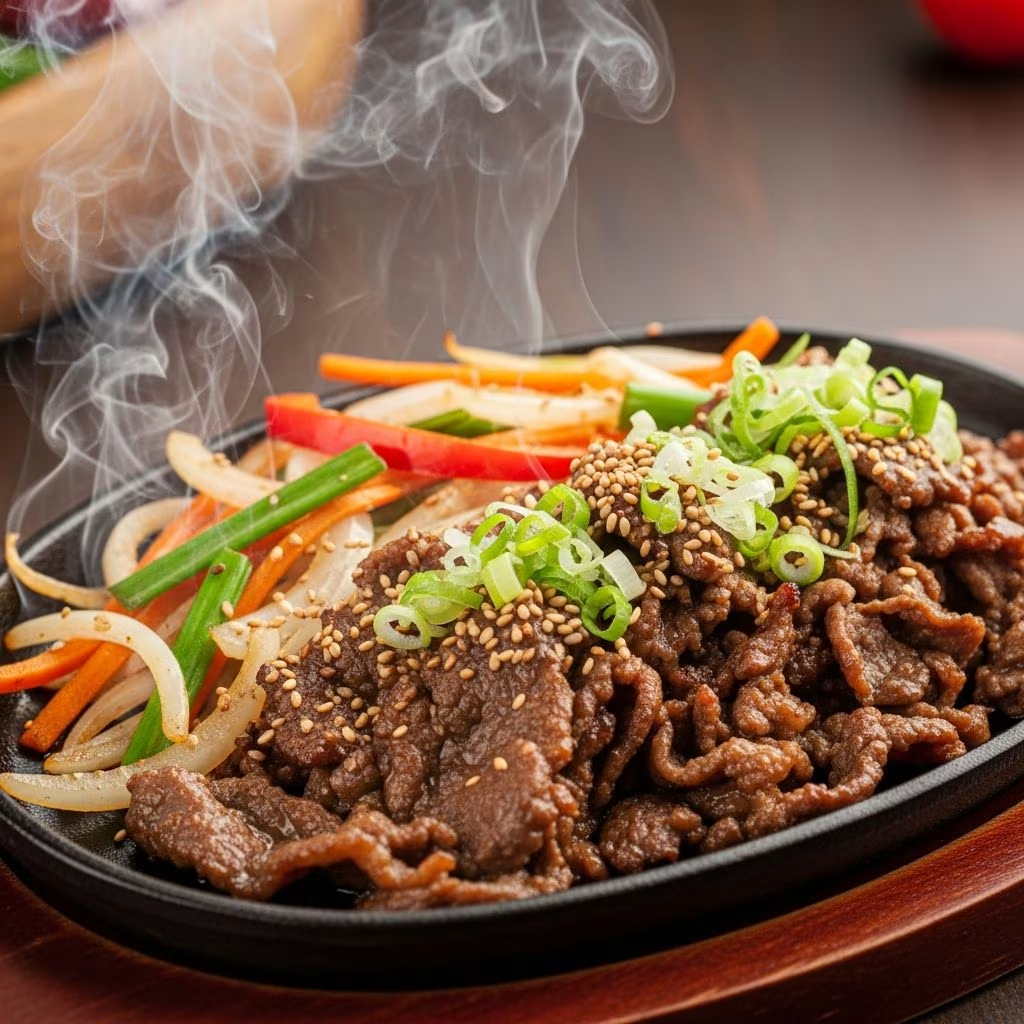
Korean bulgogi represents one of the most beloved and accessible dishes from Korean cuisine, offering home cooks the opportunity to recreate the smoky, caramelized flavors typically found in Korean barbecue restaurants. This marinated beef preparation combines tender, thinly sliced meat with a complex sauce that balances sweetness, umami, and aromatic depth. Understanding the fundamental techniques and ingredient selections transforms the cooking process into an achievable culinary endeavor that impresses family and guests alike.
Understanding Bulgogi: Origins and Significance
Bulgogi, meaning “fire meat” in Korean, traces its roots to ancient Korean grilling traditions. The dish evolved through centuries of Korean culinary development, representing a method of preparing beef that maximizes tenderness while infusing robust flavors through marination. The thin-slicing technique allows the marinade to penetrate the meat thoroughly, creating tender morsels that cook quickly over high heat. This preparation method became formalized in Korean BBQ establishments, where diners grill marinated beef at tableside.
The cultural significance of bulgogi extends beyond mere sustenance—it embodies the Korean philosophy of balancing flavors and creating interactive dining experiences. Today, bulgogi remains a staple in Korean home cooking and restaurants worldwide, accessible to anyone seeking authentic Korean culinary traditions.
Essential Ingredients for Authentic Bulgogi
Selecting the Right Cut of Beef
The foundation of exceptional bulgogi begins with choosing appropriate beef cuts. Ribeye and top sirloin represent premier choices, offering adequate marbling and tenderness. These cuts contain sufficient fat content to remain moist during cooking while maintaining the structural integrity needed for thin slicing. When selecting beef, aim for pieces that allow cutting into slices measuring approximately 1/8-inch thickness, which provides optimal surface area for marinade absorption and rapid cooking.
Alternative tender cuts suitable for bulgogi include beef tenderloin and strip steak. The key consideration involves choosing beef without excessive connective tissue, as these components inhibit marination and create textural inconsistencies. Purchase approximately 1.76 pounds (800 grams) for four servings, allowing adequate portions for generous plating.
The Marinade Foundation
The bulgogi marinade creates the distinctive flavor profile that separates this dish from simple grilled beef. The traditional formula combines soy sauce, brown sugar, sesame oil, and aromatic components that work synergistically to tenderize and flavor the meat simultaneously.
- Soy Sauce: Provides umami depth and sodium that enhances meat tenderness through osmotic action. Standard soy sauce (approximately 6 tablespoons per pound of beef) delivers appropriate saltiness without overwhelming other flavors.
- Brown Sugar: Contributes natural sweetness and facilitates caramelization during cooking. Brown sugar imparts subtle molasses notes that enhance complexity. Approximately 3 tablespoons per pound balances sweetness without creating cloying results.
- Rice Wine (Mirin): Adds delicate sweetness and alcohol components that evaporate during cooking, leaving concentrated flavors. This ingredient prevents excessive sugar crystallization and promotes even glaze development.
- Sesame Oil: Introduces nutty aromatics and fat content that coats meat fibers, retaining moisture during high-heat cooking. Toasted sesame oil provides more pronounced flavor than refined versions, typically requiring 1-2 tablespoons per pound.
Natural Tenderizing Agents
Asian pears and onions serve dual purposes in bulgogi preparation. Asian pear contains natural enzymes that break down muscle proteins, significantly enhancing meat tenderness without creating mushy textures when marination timing remains appropriate. A single medium pear (approximately 155 grams) provides sufficient enzymatic activity for 1.76 pounds of beef. Onion purée contributes both enzymatic tenderization and aromatic compounds that deepen the overall flavor complexity.
Aromatic Flavor Builders
Garlic, ginger, and green onions provide the aromatic foundation distinguishing bulgogi from other marinated beef preparations. These ingredients introduce pungent, warming notes that complement the sweet and savory base components. Fresh ginger (1-2 teaspoons minced) prevents the marinade from becoming one-dimensional, while garlic (4-6 cloves minced) strengthens umami intensity.
Preparation Techniques for Optimal Results
Slicing the Beef Correctly
Achieving consistent, thin slices determines cooking outcomes and texture consistency. Partial freezing facilitates this process significantly—wrapping beef in plastic wrap and freezing for 30 minutes firms the meat sufficiently for precise slicing without fully freezing. Using a sharp knife or mandoline, slice perpendicular to the muscle grain, creating thin pieces approximately 1/8-inch thick. Cutting against the grain shortens muscle fibers, creating inherently tender results that contrast with slicing parallel to grain orientation.
Marinade Preparation and Application
Combine all marinade ingredients in a medium bowl, stirring thoroughly to dissolve sugar and distribute flavors evenly. Some cooks prefer puréeing onion and pear directly into the mixture for finer texture consistency, while others leave these ingredients in chunky form for visual presentation. Pat beef slices dry using paper towels before adding to the marinade—removing surface moisture prevents dilution and promotes even flavor absorption.
Transfer beef and marinade to a gallon-size ziplock bag, pressing out excess air and refrigerating for at least 2 hours, though overnight marination develops superior flavor complexity. Turn the bag occasionally during marination, ensuring even exposure to the liquid. The minimum marination period allows adequate flavor penetration despite thin slicing, while extended marination intensifies taste without compromising texture when using fresh pear.
Cooking Methods for Restaurant-Quality Results
Pan-Sear and Broil Technique
This method replicates Korean BBQ restaurant results without specialized equipment. Preheat a cast-iron skillet or heavy-bottomed pan over medium-high heat for 2-3 minutes until thoroughly heated. Add 1-2 tablespoons of vegetable oil, spreading evenly across the pan surface. Working in single-layer batches to prevent overcrowding, add beef pieces while shaking off excess marinade. The beef develops a beautiful golden sear in approximately 1 minute, requiring a single flip to sear the opposite side.
After searing all beef batches, transfer the seared meat to a foil-lined baking sheet and position directly under a preheated broiler. Broil for 2-3 minutes, rotating the pan halfway through, until the marinade sugars caramelize and edges achieve slight crispness. The high, concentrated heat creates the characteristic charred appearance and smoky sweetness defining authentic bulgogi.
Wok or Large Skillet Method
For simpler single-stage cooking, heat a wok or large skillet over high heat and add 1-2 tablespoons oil. Add onions and white scallion sections, cooking for 1 minute to develop initial sweetness. Then add the beef along with its marinade, stirring constantly for 3-5 minutes until cooked through. This method creates slightly less dramatic caramelization than the broiler technique but delivers excellent results in significantly less time.
Grill Pan Option
A cast-iron grill pan creates appealing crosshatch marks while delivering intense heat. Preheat the grill pan over medium-high heat, then add a thin layer of oil. Working in batches, cook beef slices 2-3 minutes per side until charred and cooked through. This method suits smaller quantities and creates visually impressive presentation.
Complementary Side Dishes and Serving Approaches
Traditional Korean Accompaniments
Bulgogi serves beautifully over steamed white or brown rice, where the warm grains absorb savory juices and glazes. Fresh mung bean sprouts provide textural contrast and nutritional balance—cook them briefly in the residual pan drippings to incorporate accumulated flavors. Green onions add brightness and aromatic freshness that complements the rich beef preparation.
Lettuce Wrap Presentation
Serve bulgogi in crisp lettuce leaves (typically butter or romaine lettuce), allowing diners to create customized wraps with rice, beef, and accompaniments. This interactive presentation adds textural interest while reducing portions, making it suitable for lighter appetites or appetizer service.
Cooking Methods Comparison
| Method | Equipment Needed | Caramelization Level | Time Required | Best For |
|---|---|---|---|---|
| Pan-Sear & Broil | Skillet, Baking Sheet, Broiler | Maximum | 15-20 minutes | Restaurant-style results, entertaining |
| Wok/Large Skillet | Wok or Large Skillet | Moderate | 10-15 minutes | Quick weeknight preparation |
| Grill Pan | Cast-Iron Grill Pan | High | 12-18 minutes | Visual presentation, smaller quantities |
| Outdoor Grill | BBQ Grill or Hot Plate | Maximum | 8-12 minutes | Authentic experience, larger quantities |
Frequently Asked Questions
How long should beef marinate in bulgogi sauce?
Minimum marination time is 1 hour for adequate flavor development, though 2-8 hours delivers superior results. Overnight marination proves convenient for meal planning and develops complex flavors without compromising texture when using fresh pear as the tenderizing agent.
Can I prepare bulgogi without an Asian pear?
While Asian pear provides enzymatic tenderization and subtle sweetness, kiwi fruit offers comparable enzyme content. Alternatively, extend marination time by 2-3 hours to compensate for reduced enzymatic tenderization, relying primarily on osmotic action from salt and sugar.
What beef cuts work if ribeye is unavailable?
Tender sirloin, strip steak, or beef tenderloin provide acceptable alternatives. Avoid tougher cuts like chuck or brisket, as marination alone cannot adequately tenderize meat with excessive connective tissue. Always select beef specifically labeled for grilling or stir-frying.
How do I prevent beef from overcooking given its thinness?
Monitor cooking time carefully—thin beef requires only 2-3 minutes total cooking time across both sides. Remove beef from heat slightly before reaching desired doneness, as carryover cooking continues heating meat after removal. Use an instant-read thermometer if uncertain, targeting 130-135°F for medium-rare results.
Can bulgogi be prepared vegetarian?
Substitute beef with large shiitake mushrooms (10-12 dried mushrooms rehydrated, then sliced) or other hearty mushroom varieties. Use the identical marinade, cooking until mushrooms soften and glaze develops, approximately 5-7 minutes.
Storage and Make-Ahead Strategies
Marinated beef maintains quality for up to 2 days refrigerated in sealed containers or ziplock bags. Cooked bulgogi stores for 3-4 days in airtight containers, though optimal flavor and texture occur within 24 hours. Reheat gently in a skillet over medium heat, adding a splash of soy sauce or water to prevent drying. Bulgogi freezes successfully for up to 2 months when stored in freezer-safe containers with minimal air exposure, allowing convenient meal planning and quick preparation.
Achieving Restaurant-Quality Results at Home
Replicating Korean BBQ restaurant bulgogi requires attention to several critical details. First, ensure adequate meat thickness consistency—uneven slices create texture inconsistencies. Second, achieve proper heat intensity during cooking, as insufficient temperature prevents sugar caramelization and meat charring. Third, avoid overcrowding cookware, which traps steam and inhibits browning. Finally, embrace the marination process fully, recognizing that superior flavor develops through adequate steeping time rather than quick preparation shortcuts.
The pan-sear then broil method particularly excels at home cooking, delivering caramelization without specialized grilling equipment. By following these techniques and respecting marination timing, home cooks reliably produce bulgogi rivaling professional preparations, transforming humble beef slices into impressive Korean culinary creations.
References
- My Korean Kitchen – Bulgogi Korean BBQ Beef Recipe — Food Blog. Accessed April 2026. https://mykoreankitchen.com/bulgogi-korean-bbq-beef/
- Plays Well With Butter – Korean BBQ-Style Beef Bulgogi Recipe — Food Blog. Accessed April 2026. https://playswellwithbutter.com/beef-bulgogi-recipe/
- RecipeTin Eats – Korean Beef Bowl Bulgogi Recipe — Food Blog. Accessed April 2026. https://www.recipetineats.com/korean-beef-bowl-bulgogi-korean-bbq-beef/
- Kravings – Easy Beef Bulgogi Recipe — Food & Cooking Channel. Accessed April 2026. https://www.youtube.com/watch?v=AALXpBhG33Y
- Damn Delicious – Korean Beef Bulgogi Recipe — Food Blog. Published April 21, 2019. https://damndelicious.net/2019/04/21/korean-beef-bulgogi/
- Maangchi – Bulgogi Korean Beef BBQ Recipe — Cooking Education Channel. Accessed April 2026. https://www.maangchi.com/recipe/bulgogi