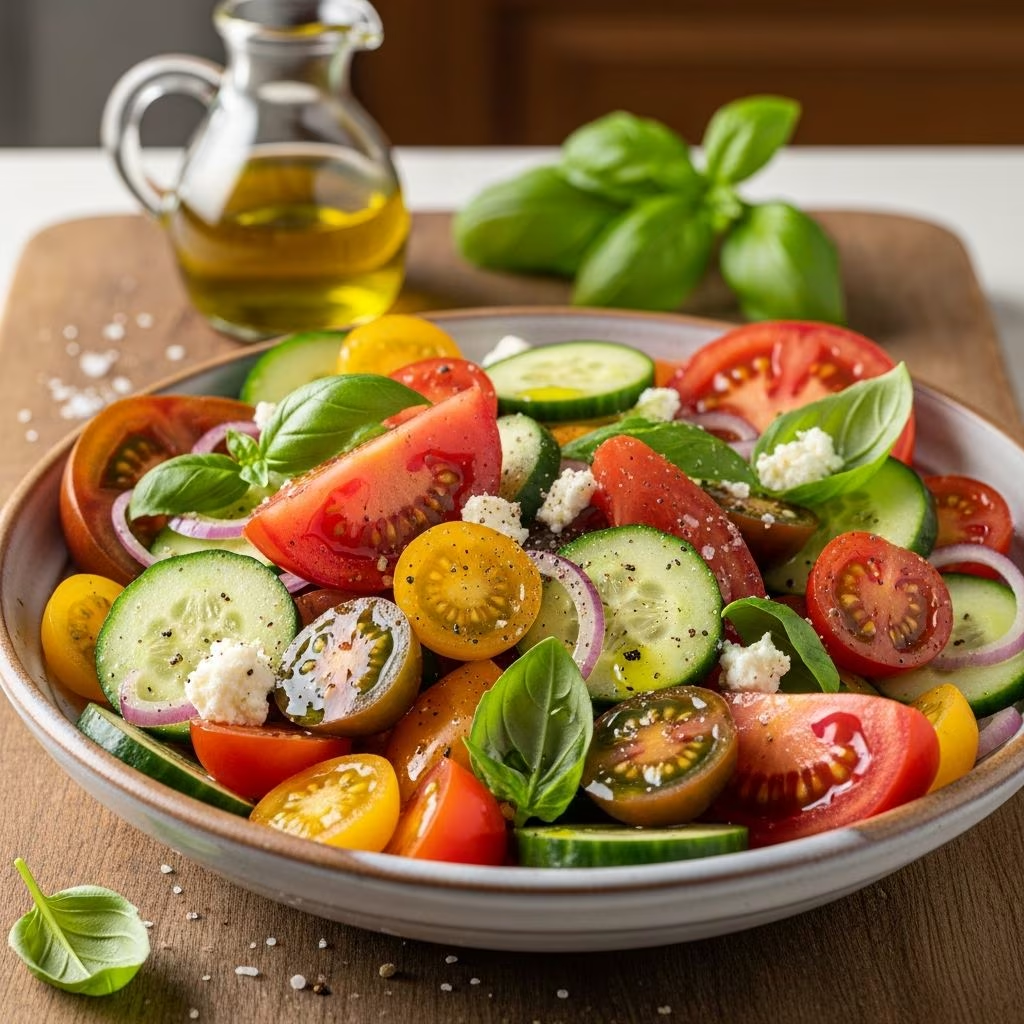
Mediterranean cuisine celebrates the beauty of simplicity, and no dish exemplifies this philosophy better than a perfectly composed tomato and cucumber salad prepared in the Italian tradition. This versatile preparation brings together the season’s freshest produce with quality olive oil and aromatic herbs to create a side dish that feels both elegant and effortlessly casual. Whether you’re planning a summer barbecue, preparing a light lunch, or seeking a refreshing accompaniment to grilled proteins, this salad delivers exceptional flavor with minimal effort.
Understanding the Foundation of Authentic Italian Salad
Italian salads prioritize ingredient quality over complexity. The foundation of this particular preparation rests on selecting produce at peak ripeness and combining them with high-quality pantry staples. The philosophy centers on allowing each ingredient to contribute its natural flavor rather than masking components with heavy dressings or complicated techniques. This approach transforms humble vegetables into something memorable through thoughtful assembly and proper seasoning.
Essential Ingredients and Selection Criteria
Creating a superior version of this salad begins with understanding what each component contributes to the final result.
Selecting Premium Tomatoes
Tomato selection forms the backbone of your salad’s success. Look for vine-ripened varieties with deep color and slight give when gently pressed. The best options include:
- Vine-ripened tomatoes: Offer balanced acidity and natural sweetness
- Roma tomatoes: Provide firmer texture with fewer seeds
- Heirloom varieties: Deliver complex, nuanced flavors
- Cherry or grape tomatoes: Work well for smaller portions or visual appeal
Avoid refrigerated tomatoes when possible, as cold temperatures diminish their flavor intensity. Choose specimens that smell fragrant at the stem end, indicating full development and ripeness.
Cucumber Varieties and Preparation
English cucumbers or hothouse varieties work best for this preparation due to their thinner skin, smaller seeds, and superior texture compared to standard slicing cucumbers. Their delicate flavor complements rather than overpowers the other ingredients. Peeling is optional—the thin skin adds visual appeal and nutrients. If you prefer to remove seeds for a less watery salad, cut the cucumber lengthwise and gently scoop out the center seed portion before dicing.
Aromatic Vegetables and Herbs
Red onions contribute mild pungency and visual contrast. Slice them thinly to avoid overwhelming the dish. Fresh basil serves as the aromatic soul of this preparation—torn or sliced rather than chopped, as bruising releases bitter compounds. Select basil leaves showing vibrant green color without browning or wilting.
The Dressing: Balancing Acidity and Oil
The dressing requires just four basic components: extra-virgin olive oil, red wine vinegar, salt, and pepper. Some preparations include a pinch of sugar to balance acidity and a touch of dried oregano for Italian character.
Achieving Proper Proportions
The classic ratio follows approximately three parts oil to one part vinegar, though personal preference allows flexibility. This ratio ensures the vinegar’s tanginess provides brightness without making the salad overly acidic. Consider your tomatoes’ ripeness when adjusting—very sweet tomatoes benefit from additional vinegar, while more acidic varieties may need slightly less.
Preparation Technique
Rather than simply drizzling ingredients over vegetables, create the dressing in advance by whisking oil and vinegar together in a small bowl or jar. This emulsification distributes the dressing evenly when added to the salad. Some cooks prefer shaking the mixture in a jar with a tight lid, which also allows for advance preparation and storage.
Assembly and Timing Considerations
Step-by-Step Construction
Begin by cutting tomatoes into uniform pieces—either half-inch dice or wedges, depending on preference. Some preparations call for removing tomato seeds to prevent excess moisture. Place prepared tomatoes in a serving bowl and season immediately with salt and pepper, allowing them to release their flavorful juices for several minutes.
Add the diced cucumber, sliced red onion, and fresh basil to the tomatoes. Rather than tossing aggressively, gently combine ingredients using a folding motion to preserve texture and appearance. Pour the prepared dressing over the vegetables and toss gently once more.
The Importance of Resting Time
Unlike some salads best consumed immediately, this Italian preparation benefits from resting at room temperature for at least one hour before serving. This resting period allows flavors to meld and marry together, creating a more cohesive final product. The vegetables release additional moisture that combines with the dressing, creating a light, flavorful liquid that seasons each component. This is not a salad to rush—patience rewards the cook with superior results.
Customization and Variation Possibilities
While the classic version remains unmatched, several additions complement the foundational flavors without overwhelming them.
| Addition Category | Suggested Options | Preparation Notes |
|---|---|---|
| Proteins | Anchovy fillets, fresh mozzarella balls, chickpeas | Add sparingly; these are enhancements rather than primary ingredients |
| Additional Vegetables | Diced bell peppers, shredded carrots, sliced radishes | Maintain the fresh, light character; avoid heavy additions |
| Supplementary Herbs | Italian parsley, fresh dill, chopped chives | Layer with basil rather than replacing it |
| Optional Elements | Capers, green olives, red pepper flakes | Add to dressing rather than bulk vegetables |
Storage and Make-Ahead Strategies
This salad reaches peak flavor when freshly prepared and consumed within a few hours of assembly. However, you can prepare components in advance for convenient serving.
Advance Preparation Options
- Dressing prepared ahead: Make the vinaigrette up to five days in advance; store in a sealed container at room temperature
- Vegetables prepared ahead: Cut tomatoes and cucumbers separately up to 24 hours in advance; store in separate covered containers in the refrigerator
- Final assembly: Combine all components no more than two hours before serving for optimal texture
Store leftovers in a covered container in the refrigerator for up to two days. The salad becomes softer as vegetables continue releasing moisture, but the flavors actually deepen overnight, making it suitable for next-day consumption.
Nutritional Profile and Health Considerations
This salad offers exceptional nutritional density. Tomatoes provide lycopene, an antioxidant associated with numerous health benefits, while cucumbers deliver hydration and minimal calories. Fresh herbs contribute vitamins and phytonutrients without adding significant calories. The olive oil provides heart-healthy monounsaturated fats and contributes to nutrient absorption. The overall preparation qualifies as naturally vegan, gluten-free, and suitable for most dietary restrictions, making it an inclusive option for diverse table settings.
Serving Suggestions and Pairing Ideas
While this salad stands alone as a refreshing summer meal, it complements numerous main dishes effectively. The fresh, acidic character pairs beautifully with grilled proteins—chicken breast, fish, pork tenderloin, or vegetarian grilling options. It also works well alongside pasta dishes, risotto, or grain-based preparations. Serve chilled or at room temperature, depending on the season and personal preference, though room temperature service typically showcases the dressing and flavors more effectively.
Technique Tips for Superior Results
Achieving the Perfect Dice
Uniform vegetable pieces ensure even flavor distribution and attractive presentation. Use a sharp knife and employ a consistent cutting technique. For tomatoes, cut them in half, remove seeds if desired, then cut the flesh into even pieces. For cucumbers, halve lengthwise and slice into consistent thickness before cutting into dice.
Managing Excess Moisture
Tomatoes naturally contain significant water. If you prefer a dressing-focused salad rather than a watery one, remove seeds before dicing. Alternatively, salt the cut tomatoes and allow them to drain in a colander for 15-20 minutes before combining with other ingredients.
Herb Handling
Basil bruises easily, darkening and developing bitter flavors. Rather than using a knife immediately before service, gently tear leaves by hand or stack them, roll into a cigar shape, and slice thinly—a technique called chiffonade. Add basil just before serving to preserve its fresh character.
Frequently Asked Questions
Can I make this salad ahead for an event?
Yes, prepare the dressing and vegetables separately in advance. Combine them no more than two hours before serving to maintain optimal texture. Assemble basil garnish just before bringing the salad to the table.
What if fresh basil isn’t available?
While basil provides the classic character, dried oregano or Italian parsley can substitute. Use approximately one-third the quantity of dried herbs compared to fresh, as dried versions concentrate flavor. The result differs but remains delicious.
How can I reduce the watery consistency?
Remove tomato seeds before adding to the salad and salt the tomatoes initially, allowing them to drain. Also, use less vinegar in your dressing if you prefer a firmer consistency.
Does this salad work for large gatherings?
This recipe multiplies easily. Maintain the ratio of ingredients and prepare components separately, combining just before service. Transport the dressing separately and add at your destination to ensure the salad remains fresh upon arrival.
Can I use bottled dressing instead?
While convenient, homemade vinaigrette provides superior flavor and allows customization. However, quality bottled Italian dressing can substitute if necessary—apply sparingly to avoid overpowering the fresh vegetables.
References
- Mediterranean Diet and Health Benefits — Harvard T.H. Chan School of Public Health. 2023. https://www.hsph.harvard.edu/nutritionsource/healthy-weight/diet-reviews/mediterranean-diet/
- Lycopene in Tomatoes: Health Properties and Research — National Center for Biotechnology Information (NIH). 2022. https://pubmed.ncbi.nlm.nih.gov/
- Extra Virgin Olive Oil Production and Quality Standards — International Olive Council. 2024. https://www.internationaloliveoil.org/