The rich, complex flavors of Indonesian peanut sauce represent one of Southeast Asia’s most versatile and beloved condiments. Known as saus kacang or sambal kacang, this sauce has graced tables across Indonesia for generations, serving as the perfect accompaniment to grilled meats, fresh vegetables, and countless other dishes. What makes this sauce truly special is its balance of flavors—combining the earthiness of peanuts with the heat of chilies, the tartness of tamarind, and subtle sweetness from palm sugar or other sweetening agents.
Whether you’re preparing it for a dinner party or experimenting with Southeast Asian cuisine, understanding the fundamentals of saus kacang will elevate your cooking and transport your palate directly to the bustling markets and family kitchens of Indonesia.
The Essential Components of Authentic Saus Kacang
Creating an authentic Indonesian peanut sauce begins with understanding its core ingredients and their individual contributions to the final product. Unlike many Western peanut sauces that rely on peanut butter as a shortcut, traditional saus kacang builds its foundation from whole roasted peanuts, which provide superior texture and flavor development.
Primary Peanut Base
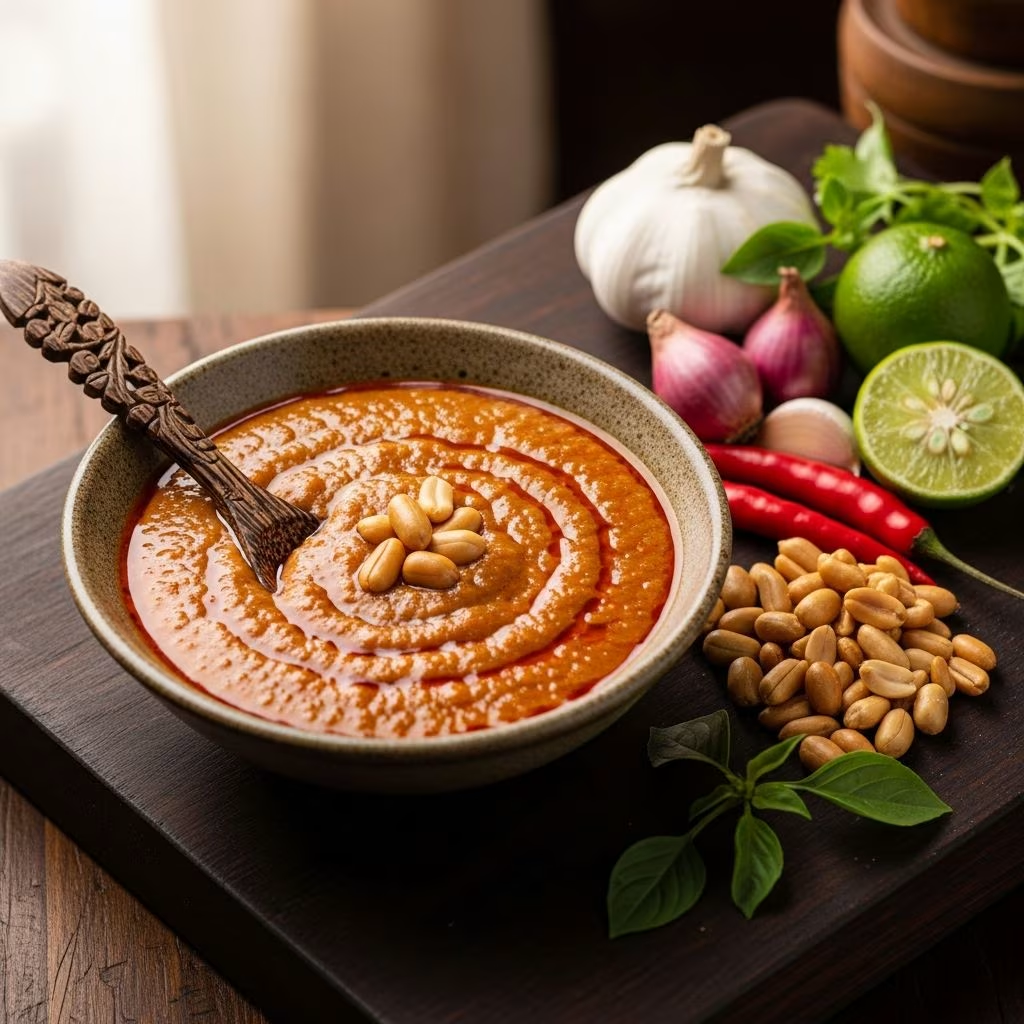
The foundation of any quality saus kacang starts with roasted peanuts. Ideally, you’ll source unsalted roasted peanuts or, better yet, raw peanuts that you can roast yourself. The roasting process develops deeper, more complex flavors compared to pre-roasted varieties. When roasting raw peanuts at home, monitor them carefully to achieve a golden-brown color without burning, which would impart a bitter taste. For most recipes, approximately one and one-quarter cups of roasted peanuts provides an ideal yield, though this can be adjusted based on your desired sauce consistency and intensity.
Heat Elements: Chilies and Their Varieties
Indonesian cuisine celebrates heat through various chili types, each contributing distinct flavor profiles beyond mere spiciness. Bird’s eye chilies (also called Thai chilies) serve as the traditional choice, offering intense heat with fruity undertones. A single recipe typically incorporates four to five bird’s eye chilies for moderate heat, though this should be adjusted according to personal preference and tolerance. Red chilies complement bird’s eye varieties by providing additional depth and a slightly sweeter character. For those with lower heat tolerance, reducing chili quantities or substituting with milder varieties like red bell peppers (which add flavor without excessive heat) presents a viable alternative.
Aromatic Foundation: Garlic and Shallots
The aromatic profile of saus kacang relies heavily on garlic and, in many traditional recipes, shallots. Garlic cloves—typically four to six medium cloves—should be peeled and either finely minced or left whole for initial cooking before blending. The initial cooking process mellows garlic’s harsh bite while developing sweet, caramelized notes. Shallots, when included, add a subtle sweetness and complexity that distinguishes homemade sauce from simpler versions.
Flavor-Enhancing Ingredients
Several ingredients work in concert to create the signature Indonesian peanut sauce profile. Kecap manis, Indonesia’s sweet soy sauce, provides umami depth and subtle sweetness—typically two tablespoons suffices for a standard batch. Tamarind pulp contributes essential tartness and complexity, traditionally used at approximately two ounces per batch, though this ingredient requires straining to remove fibrous solids before blending. Palm sugar (or substitute brown sugar) adds balanced sweetness without the processed quality of refined white sugar. Terasi, or shrimp paste, represents an optional but highly authentic ingredient that amplifies umami characteristics. Makrut lime leaves (kaffir lime leaves) infuse subtle citrus aromatics, while fresh lime juice brightens the overall flavor profile.
Texture-Modifying Elements
The final consistency of your saus kacang depends on ingredient proportions and the addition of water or, in creamier variations, coconut milk. Traditional Indonesian recipes typically use water for a lighter condiment, while contemporary interpretations often incorporate coconut milk for increased richness. Starting with approximately one-half to one cup of water allows you to achieve your preferred thickness through gradual additions during the blending and cooking process.
Traditional Preparation Methods Versus Modern Adaptations
Historically, Indonesian home cooks prepared saus kacang using a heavy mortar and pestle, a labor-intensive process that developed deep flavors through the manual grinding of ingredients. This traditional technique remains valid and preferred by purists, as the slow, mechanical action preserves the integrity of heat-sensitive components and develops superior texture. However, modern blenders and food processors have democratized sauce preparation, allowing home cooks to achieve authentic results with significantly reduced effort.
The choice between traditional and modern methods ultimately affects preparation time rather than final quality when techniques are executed properly. A high-powered blender can produce sauce quality comparable to mortar-and-pestle preparation within minutes, making it a practical choice for contemporary kitchens while maintaining authenticity through ingredient selection and flavor balancing.
Step-by-Step Preparation Process
Phase One: Aromatic Infusion
Begin by heating two tablespoons of vegetable oil in a large skillet over low to medium heat. Add coarsely chopped red and bird’s eye chilies along with peeled garlic cloves. Stir this mixture frequently for approximately four minutes, allowing the aromatics to become fragrant and develop light color without burning. The low heat ensures these delicate ingredients release their flavors gradually while developing caramelized notes. Once the mixture becomes fragrant and begins showing slight color development, remove the skillet from heat and allow the contents to cool briefly.
Phase Two: Tamarind Preparation
While the aromatics cool, prepare the tamarind component. Combine two ounces of tamarind pulp with one-quarter cup of lukewarm water in a small bowl, allowing the pulp to soften. Set a fine mesh strainer over your blender and pass the tamarind mixture through it, discarding any remaining solids. This straining step proves essential, as tamarind pulp contains stringy fibers and seeds that would negatively impact sauce texture.
Phase Three: Blending and Integration
Into the strainer-equipped blender, add the strained tamarind liquid along with one and one-quarter cups of roasted peanuts, two tablespoons of kecap manis, two teaspoons of palm sugar, one teaspoon of terasi (if using), and six makrut lime leaves. Add the cooled aromatic mixture from phase one. Begin blending at low speed, gradually increasing to medium-high until the mixture achieves a uniform, sauce-like consistency. If the mixture appears too thick, add water one tablespoon at a time while blending until reaching your desired consistency.
Phase Four: Seasoning and Adjustment
Taste the blended sauce and adjust seasonings as needed. Add kosher salt gradually to taste, and consider additional kecap manis if you prefer increased sweetness or umami depth. The final sauce should present a balanced flavor profile with distinct notes of nuttiness, heat, tartness, and subtle sweetness working in harmony rather than competing for dominance.
Alternative Preparation for Cooked Versions
Some cooks prefer a cooked version that develops deeper flavors through application of heat. This method involves frying raw peanuts in vegetable oil until nearly cooked, then adding chilies, garlic, and other aromatics to the same pan. Once the chilies and garlic soften without burning, cool the mixture and blend with remaining ingredients including tamarind paste, salt, brown sugar, and water. The resulting blended sauce then returns to heat over medium temperature, where continuous stirring develops a thicker, more cohesive texture and allows flavors to meld more completely. The sauce should be stirred continuously throughout cooking, and additional water is incorporated to achieve the desired consistency.
Storage and Shelf-Life Considerations
Properly prepared saus kacang maintains quality for extended periods when stored correctly. Transfer finished sauce to clean, airtight glass jars and refrigerate immediately. Under proper refrigeration, the sauce remains fresh and flavorful for approximately one week. The high salt content and acidic components from tamarind naturally preserve the sauce, while the oil layer that often forms on top provides additional protection against oxidation. For longer storage, consider freezing portions in ice cube trays, which allows convenient thawing of individual servings without exposing the entire batch to repeated temperature fluctuations.
Serving Applications and Culinary Pairings
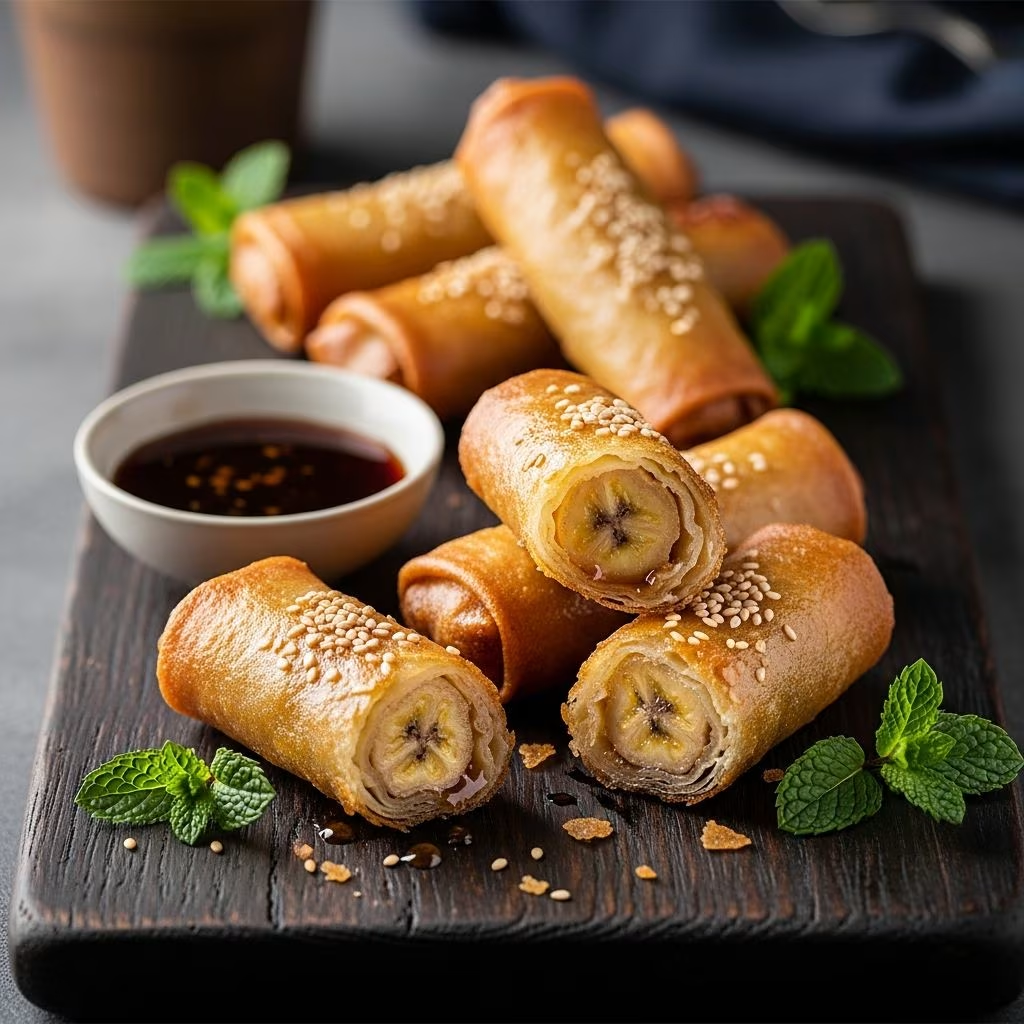
The versatility of saus kacang extends far beyond its traditional pairing with satay. This sauce complements grilled meats of all varieties, including chicken, beef, pork, and lamb prepared via skewering, grilling, or pan-searing methods. Beyond meat applications, saus kacang enhances steamed or fried tofu, providing contrasting flavors and textures that elevate plant-based proteins. Fresh vegetables—whether raw crudités or lightly steamed offerings—benefit from saus kacang’s complex flavor profile. Fried dumplings, vegetable pastries, and various Indonesian appetizers traditionally receive saus kacang as an accompaniment. The sauce also pairs beautifully with meatballs, grilled fish, and vegetable-based dishes, making it an essential component of Southeast Asian table presentations.
Customization and Dietary Modifications
While traditional recipes remain authoritative, modern cooks can adapt saus kacang to accommodate various dietary preferences. Those unable to consume peanuts might substitute macadamia nuts or candlenuts, though this modification alters the final flavor profile. Vegans should verify that kecap manis contains no animal products, as some commercial varieties incorporate anchovies. For individuals avoiding palm sugar, brown sugar or coconut sugar provide comparable sweetness, though subtle flavor variations will result. Those preferring creamy sauces can incorporate coconut milk in quantities ranging from one-quarter to one-half cup, adjusting other liquid components accordingly.
Troubleshooting Common Preparation Issues
Sauce Too Thick
If your finished sauce appears too dense and difficult to blend or pour, gradually incorporate additional water one tablespoon at a time while blending until achieving the desired consistency.
Insufficient Heat
Should the final sauce lack adequate spiciness, consider adding supplementary chile paste (sambal oelek) or hot sauce in small increments rather than attempting to reblend with additional fresh chilies.
Overly Thin Consistency
If the sauce appears too watery, return it to low heat and simmer gently while stirring frequently. The cooking process will evaporate excess moisture and concentrate flavors naturally. Avoid high heat, which risks burning the peanut components.
Harsh or Burned Flavors
Burnt aromatics create unpleasant bitter notes difficult to remedy. Prevent this by maintaining low heat during the initial cooking phase and monitoring carefully for signs of charring rather than gentle browning.
Understanding Regional Variations
Indonesian peanut sauce exists in numerous regional iterations, each reflecting local ingredient availability and taste preferences. Balinese versions sometimes emphasize coconut milk for increased richness, while Javanese interpretations might incorporate additional shallots or reduce tamarind content. Some regional preparations include candlenuts for enhanced creaminess and depth. These variations demonstrate saus kacang’s adaptability while maintaining its essential character—a balance of nuttiness, heat, tartness, and umami that defines the sauce across its many expressions.
Frequently Asked Questions About Saus Kacang
Can I make saus kacang without tamarind?
While tamarind contributes essential tartness and complexity, lime juice can partially substitute its acidic function. However, this modification will alter the flavor profile significantly, producing a less authentic result.
What is the best oil for preparing saus kacang?
Vegetable oil, peanut oil, or canola oil all work effectively. Peanut oil offers slight flavor advantages given the sauce’s peanut-forward character, though any neutral oil with appropriate smoke point will suffice.
Is terasi essential for authentic saus kacang?
While terasi (shrimp paste) amplifies umami characteristics and represents a traditional ingredient, recipes omitting it still produce delicious sauce. Its inclusion is optional based on ingredient availability and dietary considerations.
How can I reduce the heat level if the sauce becomes too spicy?
Rather than attempting to neutralize excessive heat post-preparation, limit initial chili quantities in future batches. Once prepared, adding sweet components like additional palm sugar or coconut milk can partially balance overwhelming spiciness, though this approach proves less effective than prevention.
Does saus kacang require cooking after blending?
While blended saus kacang can be served immediately at room temperature, some recipes incorporate a cooking phase where the blended sauce simmers briefly over medium heat, allowing flavors to integrate more completely and achieving thicker consistency through gentle evaporation.
Conclusion: Mastering This Essential Indonesian Condiment
Saus kacang represents far more than a simple condiment—it embodies Indonesian culinary tradition, ingredient knowledge, and the art of flavor balancing. By understanding each component’s role, respecting traditional preparation methods while embracing modern conveniences, and remaining willing to adjust recipes based on personal preferences and ingredient availability, home cooks can achieve authentic saus kacang that rivals restaurant preparations. The sauce’s remarkable versatility means that once mastered, it becomes an indispensable tool in your culinary repertoire, enhancing countless dishes and bringing Southeast Asian authenticity to your table.
References
- Bumbu Kacang (Indonesian Peanut Sauce) – Saveur — Saveur Magazine. Retrieved from https://www.saveur.com/recipes/bumbu-kacang-indonesian-peanut-sauce-recipe/
- Sambal (saus) Kacang / Indonesian Spicy Peanut Sauce — My Home Diary in Turkey. Retrieved from https://myhomediaryinturkey.blogspot.com/2022/12/sambal-saus-kacang-indonesian-spicy.html
- Indonesian Style Peanut Sauce — Saladmaster Recipes. Retrieved from https://recipes.saladmaster.com/recipe/indonesian-style-peanut-sauce
- Bali’s Magical Peanut Sauce Recipe — Little Green Dot. Retrieved from https://littlegreendot.com/magical-peanut-sauce/
- Satay Chicken with Peanut Sauce (Indonesian/Bali) — RecipeTin Eats. Retrieved from https://www.recipetineats.com/satay-chicken-with-peanut-sauce/
- THE ULTIMATE SATAY SAUCE RECIPE | Indonesian — YouTube. Retrieved from https://www.youtube.com/watch?v=lndV2N-9idU