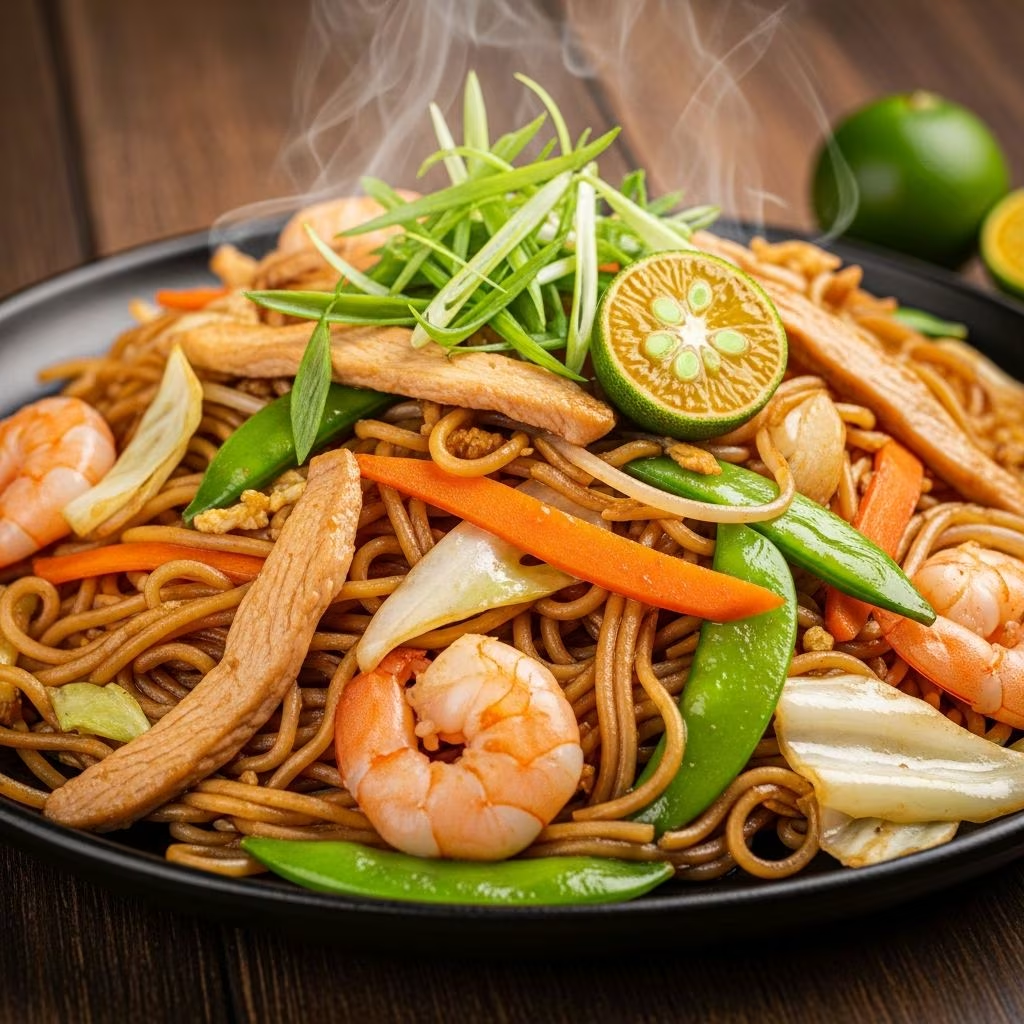
Filipino pancit represents one of Asia’s most cherished comfort foods, combining tender rice noodles with succulent proteins and vibrant vegetables in a savory sauce. This beloved dish has graced Filipino tables for generations, offering a perfect balance of convenience and exceptional flavor. Whether preparing dinner for a busy weeknight or impressing guests at a gathering, pancit delivers satisfying results in approximately thirty minutes.
Understanding the Essence of Pancit
Pancit fundamentally consists of stir-fried rice noodles combined with carefully selected ingredients that create a harmonious medley of textures and tastes. The dish represents Filipino culinary innovation, blending various cooking techniques and flavors into one accessible meal. What makes pancit particularly appealing is its adaptability—home cooks can customize protein choices, vegetable selections, and sauce intensity based on personal preferences and available ingredients.
The preparation method employs high-heat stir-frying, a technique that develops complex flavors while maintaining the structural integrity of each ingredient. This cooking approach ensures vegetables retain their crispness, proteins achieve optimal texture, and noodles absorb the surrounding sauce without becoming mushy.
Essential Components and Ingredient Selection
Noodle Varieties
Traditional pancit preparation calls for specific noodle types that distinguish this dish from other Asian noodle preparations. Vermicelli noodles, also known as rice noodles, form the foundation of most pancit recipes. These thin, delicate strands cook quickly and absorb surrounding flavors effectively. Alternatively, bihon noodles provide an authentic option that delivers similar textural qualities while maintaining the traditional Filipino character of the dish.
When selecting noodles, examine the package contents carefully. Rice-based vermicelli typically measures between thin strands and linguine thickness. Avoid wheat-based alternatives, as these create different textural outcomes that deviate from authentic pancit preparation.
Protein Selection
Pancit accommodates various protein options, allowing flexibility based on dietary preferences and ingredient availability. Chicken breast offers a lean alternative, particularly when sliced into bite-sized pieces and cooked until golden. Pork provides another traditional choice, with pork shoulder or tenderloin delivering tender results when sliced thinly and cooked over high heat. Shrimp introduces a distinct flavor profile, adding sweetness and oceanic depth to the dish.
Many home cooks combine multiple proteins, creating a more complex flavor experience. The key consideration involves slicing proteins consistently—uniform pieces ensure even cooking and attractive presentation.
Vegetable Components
The vegetable selection in pancit typically includes cabbage, carrots, celery, onions, and garlic. These ingredients provide structural support, nutritional value, and layered flavor complexity. Cabbage contributes subtle sweetness and bulk, while carrots offer natural sweetness and vibrant color contrast. Celery provides textural interest and mild herbaceous notes. Onions and garlic establish the aromatic foundation that enriches the entire dish.
For optimal results, slice vegetables into uniform sizes—julienned carrots, thinly sliced cabbage, diced onions, and minced garlic ensure consistent cooking rates and professional presentation.
Sauce and Seasoning Elements
The sauce balances salty, savory, and subtle sweet elements. Soy sauce contributes primary saltiness and umami depth. Oyster sauce adds sweetness and body to the sauce. Fish sauce, while optional, introduces authentic depth and complexity characteristic of Filipino cuisine. Chicken or vegetable stock provides the liquid base that allows noodles to absorb flavors while maintaining appropriate moisture levels.
Preparation Techniques That Ensure Success
Pre-Cooking Organization
Successful pancit preparation begins well before cooking commences. Professional cooks emphasize the importance of mise en place—arranging all ingredients in prepared containers before heat application. This practice streamlines the cooking process and prevents ingredients from overcooking while you search for other components.
Soak noodles in cold water for approximately fifteen minutes before cooking. This softening process allows noodles to cook more evenly throughout the stir-frying stage, preventing hard centers or mushy exteriors. After soaking, drain thoroughly to remove excess moisture.
Sequential Cooking Methods
The cooking sequence matters significantly in pancit preparation. Begin by heating oil in a large wok or skillet over high heat. This temperature ensures rapid cooking and minimal moisture loss from proteins and vegetables. Add protein first—whether chicken, pork, or shrimp—allowing it to develop a flavorful crust before adding vegetables.
Once protein achieves appropriate browning, add softer vegetables like onions and garlic. These aromatics benefit from brief cooking in rendered fat, developing concentrated flavors. Follow with firmer vegetables like carrots and celery, which require longer cooking to achieve optimal tenderness while maintaining slight crispness.
After vegetables have softened somewhat, introduce the sauce components and bring the mixture to a gentle simmer. This crucial step allows flavors to meld and develop complexity. Finally, add the drained noodles, gently tossing to distribute sauce evenly throughout. Cook until noodles reach desired tenderness and absorb the surrounding liquid.
Cooking Times and Temperature Management
Pancit typically requires approximately thirty minutes from preparation start to finished dish, though cooking times vary based on ingredient choices and heat intensity. The initial protein cooking stage demands three to five minutes over high heat. Vegetable cooking requires an additional three to five minutes, allowing them to soften without losing structural integrity.
The sauce simmering phase takes approximately two to three minutes, allowing flavors to develop and distribute. Finally, noodle cooking typically requires four to six minutes, depending on noodle thickness and desired texture. If noodles appear dry before reaching desired tenderness, add additional stock gradually while tossing.
Flavor Enhancement Strategies
Building Umami Depth
Umami—the savory fifth taste—creates the deeply satisfying character that distinguishes exceptional pancit from mediocre preparations. Soy sauce provides primary umami contribution, but layering additional umami sources amplifies this effect. Fish sauce, though pungent when added alone, contributes significant umami complexity when used judiciously. Oyster sauce adds sweetness while enhancing savory dimensions.
Acid and Brightness
Fresh citrus significantly elevates pancit’s flavor profile, providing brightness that cuts through rich, savory elements. Squeeze fresh lemon or calamansi juice over finished dishes just before serving. This acidic component prevents the dish from feeling heavy while highlighting subtle flavors that might otherwise disappear beneath dominant seasoning notes.
Textural Contrast
Excellent pancit balances multiple textures within a single bite. Tender noodles contrast with crisp vegetables, succulent protein offers different mouthfeel than softer elements. Consider reserving some vegetables to add raw or lightly cooked at the end, preserving their crunch and fresh character.
Common Preparation Mistakes to Avoid
Overcooking represents the most frequent pancit mistake. Once noodles reach appropriate tenderness and sauce absorption, cease cooking immediately. Continued heat transforms tender noodles into mushy, unappetizing texture. Similarly, avoid cooking vegetables until they completely soften—slightly yielding pieces with retained crispness indicate proper doneness.
Insufficient sauce causes pancit to taste dry and disconnected. Ensure adequate liquid by checking noodle consistency during cooking—they should appear moist and cohesive, not separated or dried out. If needed, add stock gradually while tossing gently.
Uneven ingredient sizing leads to inconsistent cooking. Thick vegetable pieces won’t soften completely while thin pieces become mushy. Maintain uniform sizing throughout all ingredients for balanced cooking and professional presentation.
Serving Suggestions and Accompaniments
Present finished pancit in serving bowls or on a large communal platter, allowing guests to serve themselves. Arrange lemon wedges nearby, encouraging fresh citrus application based on individual preferences. Green onions scattered across the top add visual appeal and subtle onion flavor.
Pancit works equally well as a standalone main course or as part of a larger Filipino meal. It pairs naturally with fresh spring rolls, pickled vegetables, and simple salads. The dish suits casual family dinners and formal gatherings alike.
Storage and Reheating Recommendations
Leftover pancit stores well in airtight containers within the refrigerator for up to four days. Reheat gently in a wok or skillet over medium-high heat, adding a small amount of additional stock to restore moisture lost during storage. Avoid using a microwave, which can result in uneven heating and texture degradation.
Frequently Asked Questions
Can I prepare pancit ahead for events?
Pancit tastes best served immediately after cooking. However, you can prepare all ingredients in advance—chop vegetables, slice proteins, and measure sauce components. This preparation allows quick assembly when ready to cook, ensuring fresh, properly textured results.
What substitutes work for rice noodles?
While rice noodles remain traditional, vermicelli pasta or thin egg noodles provide acceptable alternatives. Note that cooking times may vary slightly, and textural outcomes differ from authentic rice noodle versions.
How do I adjust the recipe for dietary restrictions?
Pancit easily adapts to various dietary needs. Vegetarian versions substitute tofu or tempeh for meat while increasing vegetable quantities. Gluten-free diets require certified gluten-free soy sauce and vermicelli made exclusively from rice. Dairy-free preparations work naturally, as traditional pancit contains no dairy products.
Is pancit suitable for large group servings?
Pancit scales effectively for groups. Increase all ingredient quantities proportionally and use a larger wok or multiple skillets for proper heat distribution. Cook in batches if necessary, keeping finished portions warm until all pancit reaches the table.
Mastering Pancit Preparation
Creating authentic Filipino pancit at home transforms dinner preparation from routine obligation into satisfying culinary experience. The combination of high-heat cooking, carefully selected ingredients, and sequential technique creates exceptional results that justify its status within Filipino cuisine. With attention to ingredient quality, proper preparation methods, and appropriate seasoning balance, home cooks produce restaurant-quality pancit that impresses family and guests alike.
The dish’s accessibility—requiring minimal specialized equipment and straightforward techniques—makes pancit perfect for cooks of all skill levels. Begin with basic recipes, then experiment with protein variations, vegetable combinations, and sauce adjustments as confidence grows. Each preparation deepens understanding of how ingredient interaction creates the balanced, satisfying character that defines authentic pancit.
References
- Filipino Stir-Fried Noodles Preparation Guide — Pickled Plum. 2024. https://pickledplum.com/pancit-recipe-filipino/
- Classic Filipino Pancit Recipe with Pork — Life’s Ambrosia. 2024. https://www.lifesambrosia.com/grandmas-pancit-recipe/
- Authentic Pancit Recipe: Filipino Noodles with Chicken — Pinch of Yum. 2024. https://pinchofyum.com/filipino-pancit
- Classic Pancit Recipe (Filipino Noodles with Chicken) — Billy Parisi. 2024. https://www.billyparisi.com/pancit/
- Authentic Pancit Recipe – Filipino Noodles with Chicken — A Healthy Makeover. 2024. https://ahealthymakeover.com/pancit-authentic-filipino-noodles-with-chicken/