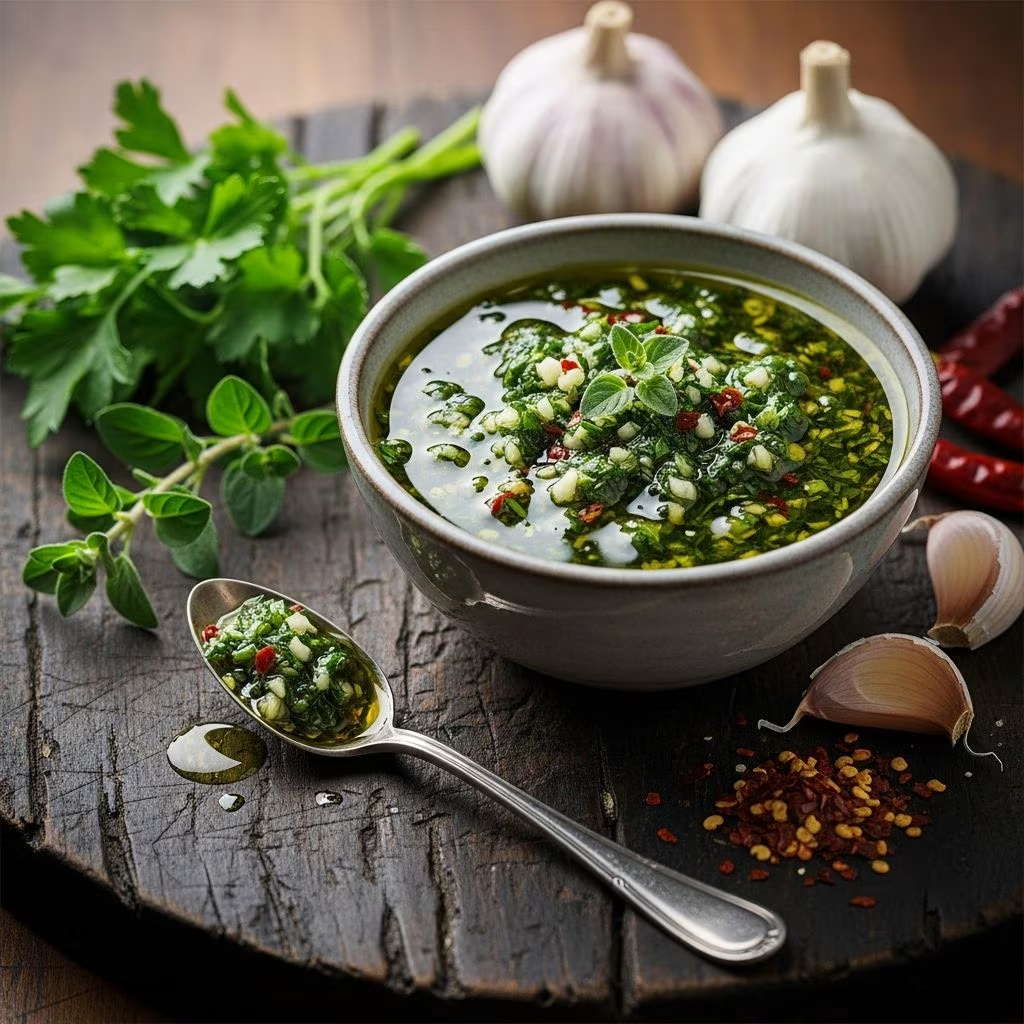
Chimichurri stands as one of South America’s most beloved condiments, particularly in Argentina where it has become synonymous with grilled meats and festive gatherings. This vibrant green sauce represents centuries of culinary tradition, blending simple ingredients into a complex flavor profile that elevates virtually any dish it accompanies. Whether you’re preparing an intimate weeknight dinner or hosting a full asado gathering, understanding the fundamentals of chimichurri preparation will transform your cooking.
Understanding the Essence of Chimichurri
Chimichurri is fundamentally a fresh herb-based sauce that originated in Argentina and has become deeply embedded in the nation’s gastronomic identity. The sauce exists in multiple regional variations throughout South America, but the Argentine version remains the most widely recognized. Unlike many condiments that rely on cooking processes or fermentation, authentic chimichurri maintains its vibrant character through fresh preparation and minimal processing.
The name itself carries historical significance, with several theories surrounding its etymology. Some scholars suggest connections to Basque or Irish immigrants who brought culinary traditions to Argentina, while others point to indigenous influences combined with Spanish colonial cooking methods. Regardless of origin, chimichurri has transcended its historical roots to become a global culinary phenomenon.
Essential Components of Traditional Chimichurri
Creating authentic chimichurri begins with selecting quality ingredients. Each component contributes distinct flavors and aromas that work harmoniously together:
Fresh Herbs: The Foundation
Parsley serves as the primary herb in traditional chimichurri, providing a fresh, slightly peppery backbone to the sauce. Fresh flat-leaf parsley offers superior flavor compared to curly varieties, delivering earthiness and subtle sweetness. The quantity of parsley should dominate the sauce, creating that signature green color and herbaceous character.
Oregano adds aromatic complexity and warmth to the mixture. While dried oregano can be substituted when fresh is unavailable, fresh oregano provides a brighter, more delicate flavor profile. The balance between parsley and oregano creates the foundational flavor structure upon which other elements build.
Aromatic Elements
Garlic brings pungency and depth, acting as a flavor amplifier that makes other ingredients more pronounced. The garlic should be minced finely to distribute evenly throughout the sauce, ensuring consistent flavor in every application. Some preparations use roasted garlic for mellow sweetness, while traditional versions prefer raw garlic for maximum impact.
Red pepper flakes or fresh chilies provide gentle heat that builds gradually rather than overwhelm. The spiciness should complement rather than dominate, adding a pleasant warming sensation to the palate.
Acidic Components
Vinegar balances the herbs and garlic, providing brightness and preventing the sauce from becoming heavy. Red wine vinegar is traditional, though white vinegar or sherry vinegar can substitute depending on desired flavor nuances. The acid also functions as a preservative, allowing chimichurri to maintain quality for extended periods.
Binding and Richness
Olive oil carries flavors throughout the sauce while providing silky mouthfeel and richness. High-quality extra virgin olive oil imparts additional flavor complexity, though standard extra virgin varieties work well for everyday preparation. The oil should be added gradually to achieve the desired consistency.
Preparation Methods and Techniques
Traditional Mortar and Pestle Approach
Historically, chimichurri was prepared using a mortar and pestle, crushing ingredients together while releasing essential oils and flavor compounds. This method remains popular among traditionalists because it creates texture variation, keeping some herb pieces slightly larger while bruising others to release their aromatic properties. The friction from crushing generates heat that activates flavor compounds, creating more complex taste development than mechanical processing alone.
Modern Food Processing
Contemporary cooks often employ food processors for efficiency, achieving consistent texture and reducing preparation time significantly. When using this method, pulse ingredients briefly rather than processing continuously, which prevents the sauce from becoming too homogeneous or releasing excessive moisture from the herbs.
Hand-Chopped Preparations
Many Argentine households still prefer hand-chopping all ingredients, combining them in bowls and stirring thoroughly. This labor-intensive approach offers advantages in terms of control over texture and allows cooks to adjust consistency throughout the process, adding liquid or herbs as needed.
Step-by-Step Preparation Guide
Follow these fundamental steps to create traditional chimichurri:
- Wash and thoroughly dry fresh parsley, removing any excess moisture that might dilute the sauce
- Finely mince approximately two cups of fresh flat-leaf parsley and combine in your chosen preparation vessel
- Add one-half teaspoon of dried oregano, or substitute with one tablespoon of fresh oregano if available
- Mince four to five garlic cloves into very small pieces and incorporate into the herb mixture
- Add one-quarter teaspoon of red pepper flakes, adjusting according to personal heat preferences
- Pour in one-third cup of red wine vinegar, stirring to distribute evenly
- Slowly add three-quarters cup of extra virgin olive oil while mixing continuously
- Season with salt and freshly ground black pepper to taste
- Allow the mixture to rest for at least thirty minutes before serving, permitting flavors to meld
Flavor Balancing and Customization
While traditional recipes provide solid foundations, chimichurri welcomes experimentation and regional preferences. The sauce should achieve balance between herbaceous brightness, garlic intensity, acidic punch, and olive oil richness. Adjustments might include:
| Flavor Adjustment | Method | Effect |
|---|---|---|
| Too Intense Garlic | Add more fresh herbs and oil | Mellows pungency while maintaining sauce body |
| Insufficient Acidity | Add vinegar by small amounts | Brightens flavor and increases preservation |
| Lack of Depth | Increase oregano quantity | Adds aromatic complexity |
| Excessive Oiliness | Incorporate additional vinegar or herbs | Balances richness with brightness |
| Desired Smoothness | Process longer or add oil | Creates more emulsified consistency |
Storage Practices and Shelf Life
Properly prepared chimichurri maintains quality for extended periods when stored correctly. The combination of vinegar and olive oil creates conditions that inhibit bacterial growth, though proper storage techniques remain essential. Store chimichurri in glass containers with tight-sealing lids, maintaining refrigeration to preserve herb brightness and prevent oxidation. Most batches remain suitable for consumption within two to three weeks, though the flavor profile evolves subtly during storage.
For extended storage, freeze chimichurri in ice cube trays, transferring frozen portions to airtight containers. This method preserves flavor quality better than liquid storage and provides convenient portioning for future use.
Serving Applications and Pairing Suggestions
Chimichurri’s versatility extends across numerous culinary applications. Traditionally served alongside grilled beef, chimichurri also complements poultry, lamb, and fish preparations. Beyond meat applications, the sauce elevates roasted vegetables, transforms simple vegetarian dishes, and enhances sandwich preparations.
Meat Pairings
Tender cuts like ribeye and strip steak benefit from chimichurri’s brightness cutting through richness. Tougher cuts that require longer cooking find the acidic components help tenderize fibers while adding flavor. Grilled chicken develops savory complexity when generously dressed with chimichurri before and after cooking.
Vegetable Applications
Root vegetables roasted at high temperatures develop caramelized exteriors that harmonize beautifully with chimichurri’s fresh herbaceousness. Grilled eggplant, zucchini, and peppers become more interesting with chimichurri’s flavor complexity.
Common Preparation Mistakes and Solutions
Several pitfalls can compromise chimichurri quality. Excess moisture from insufficiently dried herbs creates diluted, weak-flavored sauce lacking proper body. Always ensure herbs are completely dry before processing or chopping. Overly fine processing creates a homogeneous puree that loses the textural interest present in traditionally prepared versions. Overheating during preparation, whether through friction or processing, damages delicate herb flavors and creates sulfurous, unpleasant notes.
Additionally, using low-quality olive oil or vinegar significantly impacts final results. The base ingredients comprise most of the sauce’s volume, so their quality directly influences overall success. Stale or rancid oils create off-flavors that persist throughout preparation.
Regional Variations and Modern Interpretations
While maintaining chimichurri’s core character, regional cooks have developed variations reflecting local ingredient availability and taste preferences. Some Argentine provinces incorporate more garlic, creating punchier versions, while others emphasize herbs, developing more delicate profiles. Contemporary chefs experiment with additions like cilantro, mint, or citrus zest, though traditionalists sometimes view such modifications skeptically.
Frequently Asked Questions
Can dried herbs substitute for fresh herbs in chimichurri?
While dried herbs can technically replace fresh varieties, the resulting sauce loses much of its vibrant character and fresh appeal. If fresh herbs prove unavailable, use approximately one-third the dried quantity and expect somewhat diminished flavor complexity.
How long does chimichurri last after preparation?
Properly stored in refrigerated glass containers with tight-fitting lids, chimichurri typically maintains quality for two to three weeks. Freezing extends usable life to several months, though some flavor nuance diminishes through freezing processes.
What’s the ideal consistency for chimichurri?
Chimichurri should achieve consistency somewhere between a thick sauce and a chunky condiment, with visible herb pieces suspended in oily liquid. It should pour from a spoon but maintain body and texture, neither too thin nor excessively thick.
Does chimichurri require cooking?
Traditional chimichurri remains uncooked, maintaining raw herb freshness and vibrancy. The sauce derives its character from fresh ingredients combined with minimal processing, with time allowing flavors to meld rather than cooking developing them.
Are there vegetarian considerations with chimichurri?
Chimichurri is naturally vegetarian and vegan, containing no animal products. It serves as an excellent condiment for vegetable-forward and meat-free cuisines.
References
- Argentine Food Culture and Culinary Traditions — Instituto Nacional de la Administración Pública. https://www.cultura.gob.ar/
- Food Safety Guidelines for Herb-Based Sauces and Storage — U.S. Food and Drug Administration. https://www.fda.gov/food/foodborne-illnesses/food-safety-during-emergencies
- Olive Oil Quality Standards and Selection — International Olive Council. https://www.internationaloliveoil.org/
- Culinary Herb Identification and Preservation — University of California Cooperative Extension. https://ucanr.edu/