Chimichurri sauce stands as a cornerstone of Argentine cuisine, delivering a burst of fresh, herbaceous flavor that transforms simple grilled dishes into culinary masterpieces. This vibrant green condiment combines parsley, garlic, vinegar, and olive oil into a versatile sauce ideal for meats, vegetables, and beyond. Whether you’re firing up the grill or seeking a quick flavor enhancer, mastering chimichurri at home unlocks endless possibilities with minimal effort.
Origins and Cultural Significance of Chimichurri
Rooted in the gaucho traditions of Argentina and Uruguay, chimichurri emerged as a rustic sauce crafted by South American cowboys to complement asado barbecues. Its name may derive from indigenous words or a historical figure, but its enduring appeal lies in its simplicity and bold profile—tangy, garlicky, and slightly spicy. Today, it graces tables worldwide, adapting to modern palates while honoring its heritage.
Authentic versions prioritize fresh ingredients, reflecting the sauce’s no-cook preparation that preserves herbal vibrancy. In grilling cultures, it serves not just as a topping but a marinade, embodying the essence of outdoor cooking.
Essential Ingredients for Authentic Chimichurri
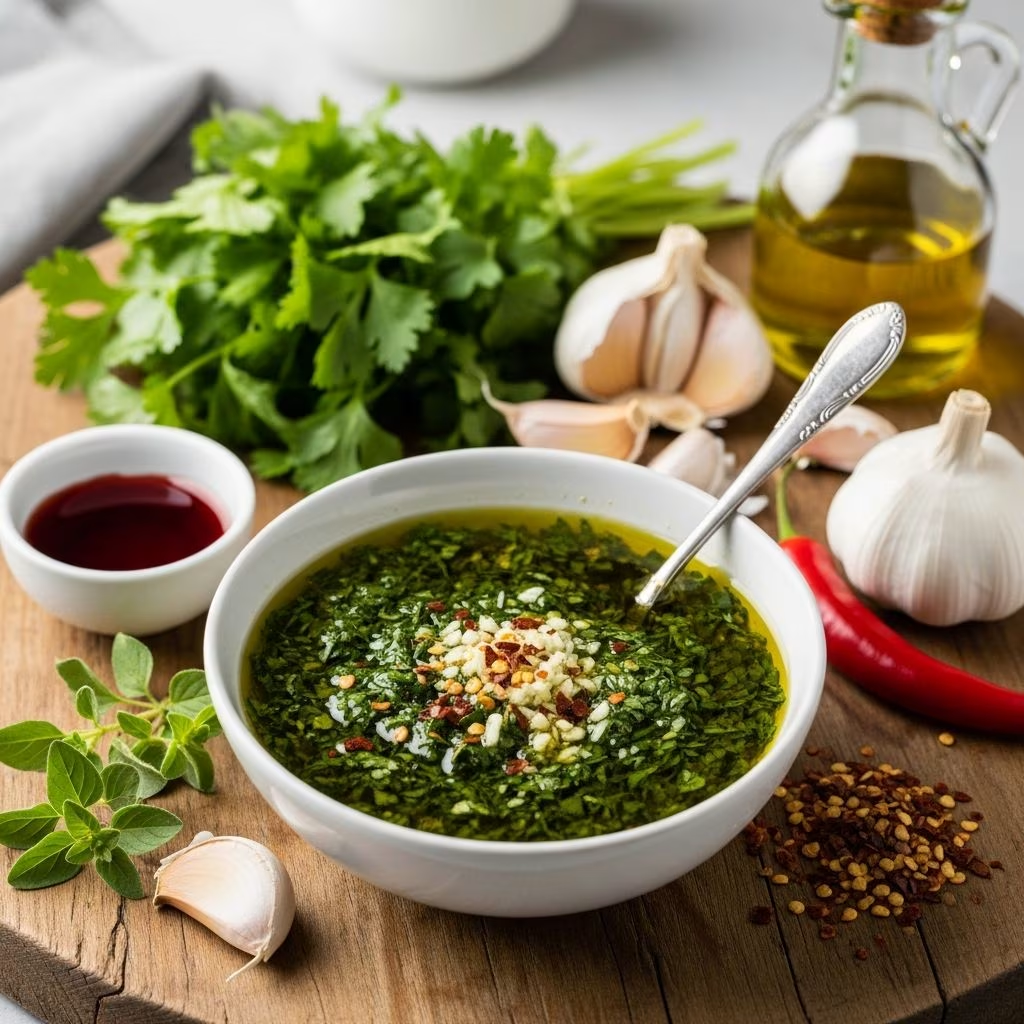
The beauty of chimichurri lies in its straightforward components, primarily fresh herbs balanced with acid, oil, and seasoning. Core elements include:
- Parsley: Flat-leaf Italian parsley provides the base, offering earthy, slightly peppery notes. Use about 1-2 cups packed, stems removed for finer texture.
- Garlic: 3-5 cloves, minced, deliver pungent sharpness that mellows upon standing.
- Oregano: Fresh or dried, 1-2 tablespoons add aromatic depth; fresh yields brighter flavor.
- Olive oil: Extra-virgin, ½-¾ cup, forms the emulsifying body with fruity undertones.
- Acid: Red wine vinegar (¼ cup) or lemon juice cuts richness; some blend both for complexity.
- Seasonings: Sea salt (1-1½ tsp), black pepper, and red pepper flakes or fresh chiles for heat.
Optional additions like cilantro, shallots, or smoked paprika introduce regional twists, enhancing customization without overpowering the classic profile.
Step-by-Step Recipe for Classic Chimichurri
Prepare this foolproof version in under 10 minutes. Yields about 1-1½ cups, serving 6-8.
Ingredients Table
| Ingredient | Quantity | Notes |
|---|---|---|
| Fresh parsley, chopped | 2 cups packed | Flat-leaf, stems removed |
| Fresh cilantro (optional) | ½ cup | For added freshness |
| Garlic cloves | 3-4 | Minced finely |
| Fresh oregano or dried | 2 tbsp fresh / 1 tbsp dried | Adjust to taste |
| Extra-virgin olive oil | ¾ cup | Good quality |
| Red wine vinegar | ¼ cup | Or mix with lemon juice |
| Sea salt | 1½ tsp | Coarse preferred |
| Black pepper | ½ tsp | Freshly ground |
| Red pepper flakes or Fresno chile | ½-1 tsp or 1 pepper | Adjust heat level |
Instructions
- Rough chop parsley, cilantro, garlic, oregano, and chile. This ensures even processing.
- In a food processor, pulse herbs and aromatics 4-6 times until finely minced but not pureed—aim for chunky texture.
- Transfer to a bowl. Slowly whisk in olive oil, vinegar, salt, and pepper until emulsified. Taste and adjust acidity or salt.
- Let rest 15-30 minutes for flavors to meld. No cooking required.
For hand-chopped version: Finely mince all solids by knife, then stir in liquids gradually to control consistency.
Hand-Chopped vs. Food Processor: Pros and Cons
| Method | Pros | Cons | Best For |
|---|---|---|---|
| Food Processor | Quick (under 5 min), uniform mince | Risk of over-processing to paste | Batch prep, smooth texture fans |
| Hand Chopping | Rustic texture, full flavor control | Time-intensive (10-15 min) | Traditionalists, chunky style |
Both yield excellent results; processor suits busy cooks, while knife work preserves authentic bite.
Customizing Your Chimichurri: Variations to Try
Adapt chimichurri for diverse tastes:
- Spicy Version: Add diced jalapeño or extra flakes for heat.
- Cilantro-Heavy: Swap half parsley for cilantro; blend with lemon for brightness.
- Smoky Twist: Incorporate ½ tsp smoked paprika or roasted garlic.
- Vegan/Dairy-Free: Naturally so; use agave if reducing vinegar.
- Thicker Marinade: Reduce oil, increase herbs for steak rub.
Experiment with white wine vinegar for milder tang or shallots for subtle onion notes.
Perfect Pairings: What to Serve with Chimichurri
Chimichurri excels with grilled fare:
- Steaks: Skirt, flank, or ribeye—drizzle post-grill for juicy enhancement.
- Chicken & Pork: Marinate thighs or chops overnight.
- Vegetables: Grill zucchini, eggplant, or corn; spoon over for zest.
- Seafood: Shrimp skewers or grilled fish absorb its tang.
- Other Uses: Tacos, empanadas, pasta, or scrambled eggs.
Its acidity tenderizes proteins, making it a marinade star.
Storage and Make-Ahead Tips
Store in an airtight jar in the fridge for up to 1 week; flavors intensify over time. Freeze in ice cube trays for months-long portions. Bring to room temp before serving, stirring if oil separates. Avoid metal containers to prevent herb discoloration.
Common Mistakes and How to Avoid Them
- Over-Processing: Pulse sparingly for texture.
- Skimping on Salt/Acid: Balance is key—taste iteratively.
- Stale Herbs: Use fresh for vibrancy; wilted ones dull flavor.
- Too Oily: Add oil gradually, stopping at saucy consistency.
Pro Tip: Resting melds flavors; rushed versions taste harsh.
Nutrition and Health Benefits
Per 2-tbsp serving: ~120 calories, rich in vitamins A/C/K from parsley, heart-healthy monounsaturated fats from olive oil, and anti-inflammatory compounds from garlic/oregano. Low-carb, gluten-free, and antioxidant-packed.
Frequently Asked Questions (FAQs)
Can I make chimichurri ahead?
Yes, it improves after 24 hours in the fridge and lasts a week.
Food processor not available?
Hand-chop finely; it’s the traditional method for chunkier results.
Substitute for red wine vinegar?
Lemon juice, white wine vinegar, or sherry vinegar work well.
Is cilantro essential?
No, parsley-dominant is classic; cilantro adds a twist.
How spicy is it?
Mild with flakes; adjust chiles for preference.
Advanced Techniques for Grill Masters
Elevate with infusions: Blend in roasted red peppers for sweetness or anchovy for umami (non-vegetarian). Use as a baste during grilling for infused flavor. Pair with chimichurri aioli by mixing with mayo for sandwiches.
For large gatherings, scale up herbs proportionally; process in batches to avoid overload. This sauce’s versatility extends to breakfast hash or roasted potatoes, proving its everyday utility.
References
- Chimichurri Sauce (Easy and Simple) — Grillseeker. 2023. https://www.grillseeker.com/chimichurri-sauce-recipe-easy-simple/
- Easy Homemade Chimichurri Sauce Recipe — Vindulge. 2023. https://www.vindulge.com/chimichurri-sauce-recipe/
- Chimichurri Sauce Recipe — Love and Lemons. 2023. https://www.loveandlemons.com/chimichurri-sauce/
- Easy Chimichurri Sauce Recipe (Dairy Free) — Simply Whisked. 2023. https://www.simplywhisked.com/easy-chimichurri-sauce-recipe/
- 10-Minute Homemade Chimichurri Sauce — Plays Well With Butter. 2023. https://playswellwithbutter.com/chimichurri-sauce-recipe/