The world of craft cocktails continues to evolve, with bartenders constantly seeking innovative ways to showcase spirits that have historically been relegated to niche categories. The Arinato represents a pivotal moment in contemporary mezcal mixology, demonstrating that this traditionally smoky spirit can be transformed into something remarkably delicate and refined. Created by bartender Ivy Mix, this stirred cocktail challenges conventional expectations about how mezcal should be presented and consumed.
Understanding the Inspiration Behind the Arinato
The genesis of the Arinato reflects the creative process that defines modern bartending. Rather than attempting to reinvent a classic cocktail template, Ivy Mix approached mezcal as a base spirit worthy of sophisticated treatment. The cocktail emerged from a desire to create something personal—a drink developed specifically for a friend, according to Mix herself. This intimate origin story illustrates how contemporary cocktails often arise from collaborative relationships and personal connections within the bartending community, rather than from commercial necessity or established tradition.
The name itself does not carry specific meaning or cultural significance; instead, it serves as a marker of the drink’s modern creation. This naming convention reflects the contemporary approach to cocktail development, where nomenclature often prioritizes memorability and distinctiveness over etymological significance.
Deconstructing the Component Architecture
The Arinato’s composition reveals sophisticated thinking about spirit interaction and flavor layering. Each ingredient occupies a specific functional role within the final product:
| Ingredient | Quantity | Function | Suggested Brand |
|---|---|---|---|
| Mezcal | 1½ oz | Primary spirit base | Ilegal Joven |
| Lillet Blanc | ¾ oz | Aromatized wine component | Standard bottling |
| Dry Vermouth | ½ oz | Herbaceous depth | Dolin |
| Yellow Chartreuse | ¼ oz | Herbal complexity | Standard bottling |
| Luxardo Maraschino | ½ tsp | Subtle sweetness modifier | Luxardo |
| Peychaud’s Bitters | 2 dashes | Aromatic accent | Standard bottling |
The mezcal selection merits particular attention. The recipe specifically calls for Ilegal Mezcal Joven, a lower-proof expression designed to showcase lighter, more delicate characteristics. This choice fundamentally shapes the cocktail’s character, as higher-proof mezcals would overpower the carefully balanced array of fortified wines and herbal liqueurs. The emphasis on lighter mezcal profiles demonstrates understanding of how alcohol content directly influences ingredient compatibility.
The Absence of Direct Citrus as a Design Choice
Contemporary cocktail design often involves understanding what ingredients should remain absent from a recipe. The Arinato deliberately omits fresh citrus juice, a staple in countless modern cocktails. Instead, the drink incorporates a grapefruit twist—expressed over the surface to impart oils and aroma without adding liquid volume or acidity. This distinction carries important implications for how the cocktail develops on the palate.
Without the brightening effect of citrus juice, the Arinato relies entirely on its spirit components to create complexity. The Lillet Blanc contributes subtle floral notes and gentle bitterness. The dry vermouth introduces botanical herbaceousness. The Yellow Chartreuse adds layers of spice and herbal intrigue. Together, these elements create a multi-dimensional flavor experience that evolves through the drinking experience, with new dimensions revealing themselves as the cocktail warms slightly and dilution progresses.
Technical Execution and Preparation Methods
The preparation of the Arinato requires attention to specific technical considerations that distinguish it from other stirred cocktails:
- Combine all ingredients except the grapefruit twist in a mixing glass
- Fill the mixing glass with ice and stir deliberately for 30-40 seconds
- The absence of citrus allows for extended stirring without over-dilution concerns
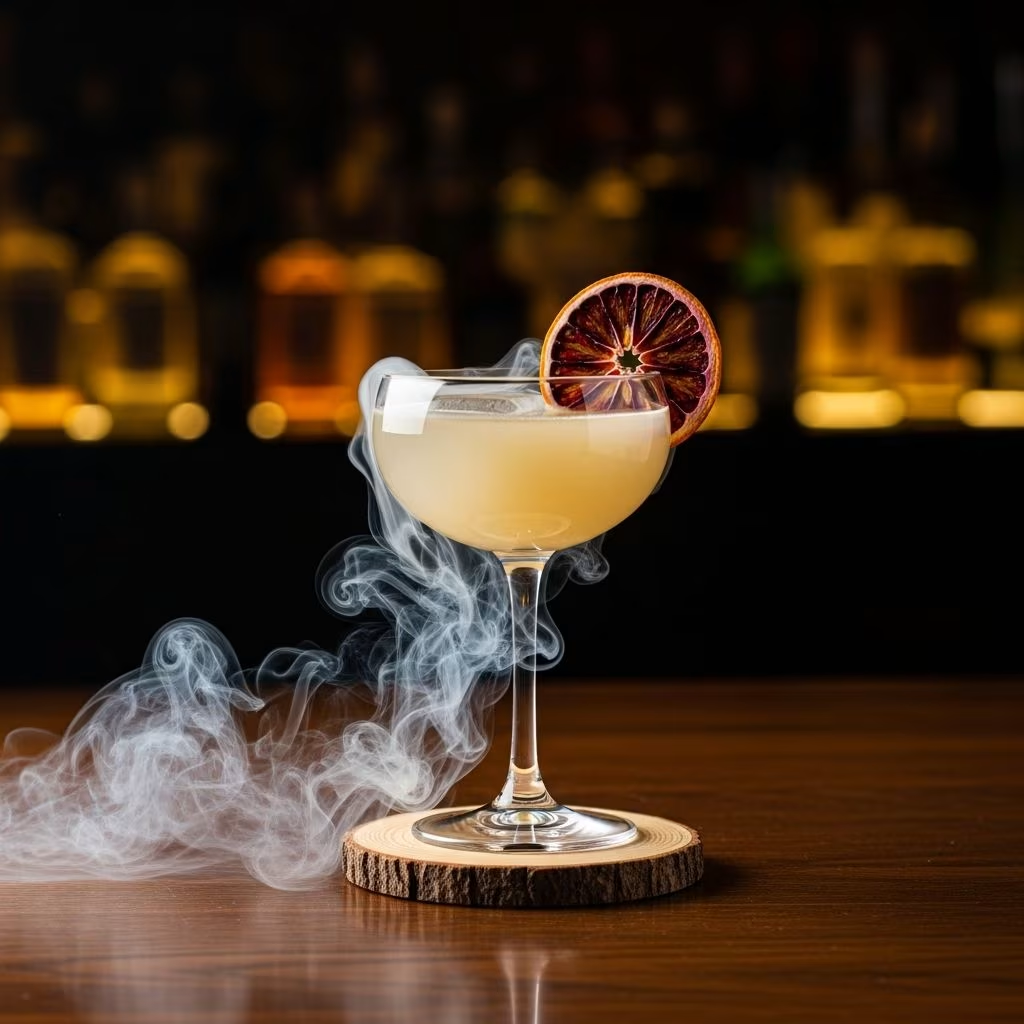
- Strain into a rocks glass containing a single large ice cube or sphere
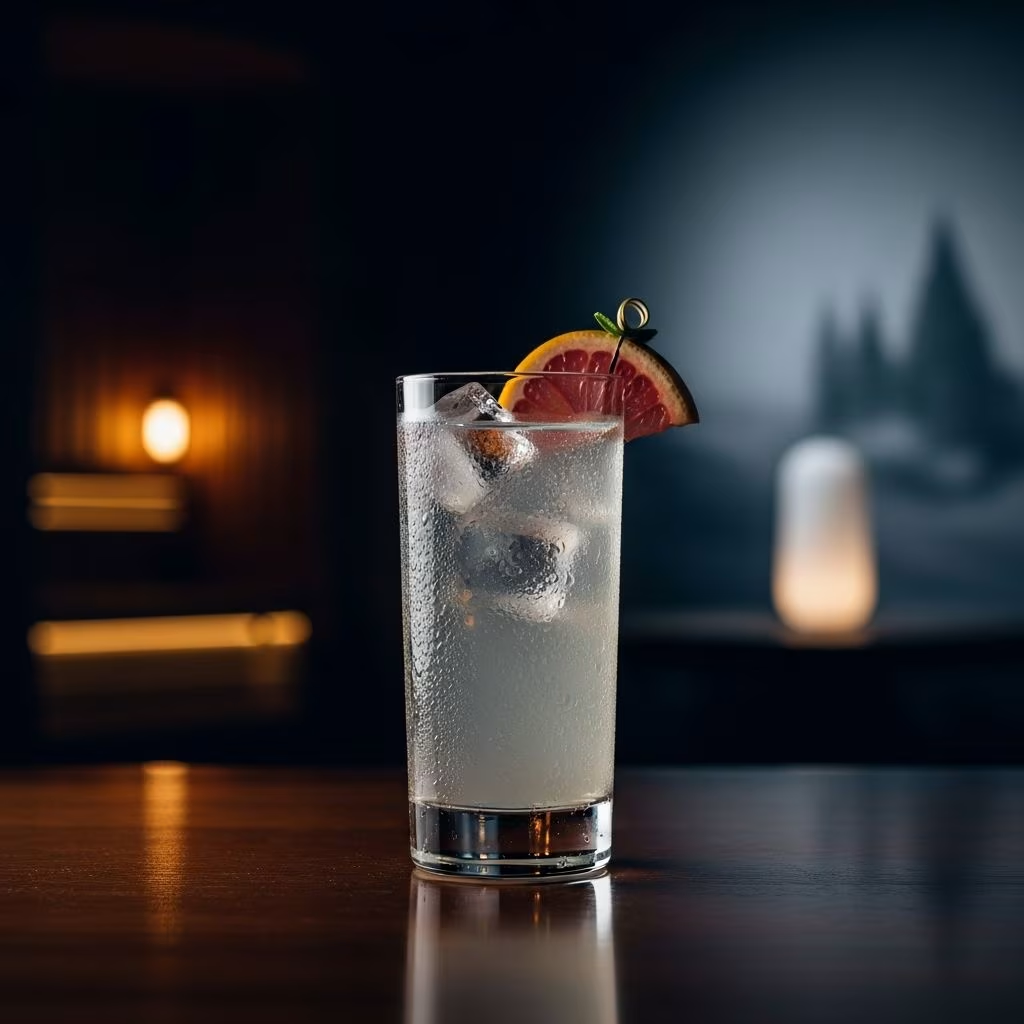
- Express fresh grapefruit peel over the surface to release aromatic oils
- Position the expressed peel on top of the ice cube for visual presentation
The large ice cube serves multiple functions beyond mere aesthetics. It reduces surface area relative to volume, thereby slowing dilution during consumption. This extended cooling period allows drinkers to experience the cocktail’s evolution as ice gradually influences the flavor profile. The cube also creates a visual anchor that suggests intentionality and craft.
Flavor Profile Development and Sensory Experience
The Arinato presents a distinctly different sensory profile than conventional mezcal presentations. Rather than leading with smoke and intensity, the cocktail emphasizes floral and herbal dimensions. This transformation challenges assumptions about mezcal’s inherent character and demonstrates how context—specifically the accompanying ingredients—fundamentally reshapes perception.
Upon the initial sip, drinkers typically encounter the mezcal’s lighter characteristics, enhanced rather than overwhelmed by the herbal contributions from Chartreuse and vermouth. The Lillet Blanc adds roundness and subtle fruit undertones. As the drink progresses, the maraschino liqueur’s presence becomes increasingly apparent, contributing gentle sweetness that balances the botanical intensity. The Peychaud’s bitters create a finishing sensation that ties the components together into a cohesive whole.
This progression reflects deliberate recipe construction. Each ingredient’s proportional relationship to others creates a specific arc of flavor that unfolds over multiple sips rather than presenting a static single note.
Mezcal Selection Principles for Cocktail Applications
The Arinato’s reliance on lighter, lower-proof mezcals reflects broader principles about spirit selection for mixed drinks. Conventional mezcal tasting—neat or with minimal dilution—emphasizes bold, distinct characteristics that can become overwhelming when combined with additional complex ingredients.
For cocktail applications, lower-proof mezcals offer several advantages:
- Greater compatibility with aromatized wines and herbal liqueurs
- Reduced risk of spirit dominance that obscures other ingredients
- More balanced alcohol perception in the finished cocktail
- Improved integration with the stirring and dilution process
This approach contrasts with mezcal applications in simpler drinks such as the Mezcal Margarita, where bold spirit character actually enhances the final product. Bartenders working with mezcal must consider whether they intend to showcase the spirit’s distinctive qualities or integrate it seamlessly into a more complex composition.
The Role of Fortified Wines in Modern Mixology
The Arinato demonstrates the continuing relevance of fortified wines in contemporary cocktail design. Lillet Blanc, despite its classification as an aromatized wine rather than a traditional fortified wine, provides crucial functions in this recipe. Its mild botanical profile and slight residual sweetness create a bridge between the mezcal’s intensity and the herbal liqueurs’ complexity.
Vermouth, historically dismissed as merely a modifier in martini cocktails, receives recognition here as a primary component worthy of prominence. The French Dolin vermouth, specifically, brings alpine herbaceousness and dry character that complements mezcal’s smoky undertones. This elevation of vermouth from supporting player to co-lead ingredient reflects evolving attitudes within the bartending community regarding these spirits’ potential.
Chartreuse: The Herbal Wildcard
Yellow Chartreuse introduces complexity that no other ingredient in the Arinato can replicate. Produced by Carthusian monks using a centuries-old recipe involving 130 different herbs and plants, Chartreuse brings extraordinary depth to modern cocktails. The yellow variety, less intense than its green counterpart, provides herbal spice without overwhelming the drink’s overall balance.
The measurement—merely ¼ ounce—demonstrates judicious restraint. Despite its small volume, this ingredient exerts disproportionate influence on the finished cocktail’s character. This proportion reflects professional bartending knowledge about how concentrated botanical spirits function in mixed drinks.
Frequently Asked Questions About the Arinato
What makes the Arinato different from other mezcal cocktails?
The Arinato emphasizes mezcal’s delicate, floral characteristics rather than its smokiness. By combining lower-proof mezcal with refined fortified wines and herbal liqueurs, the recipe demonstrates that mezcal can be sophisticated and subtle rather than bold and aggressive. This approach opened new possibilities for mezcal in contemporary mixology.
Can I substitute different mezcal brands?
While the recipe specifies Ilegal Joven, other lighter-proof mezcals will work acceptably. Look for joven (young, unaged) expressions from producers like Del Maguey, Los Facundos del Campo, or similar brands. Avoid high-proof mezcals or heavily smoked espadin varieties, as these will overwhelm the delicate balance of other components.
Is there a substitute for Lillet Blanc?
Cocchi Americano provides a reasonable alternative, offering similar floral and herbal characteristics. Quinquina-based apéritifs can work in a pinch, though they may shift the overall flavor profile slightly. When substituting, maintain the ¾ ounce measurement and choose products with similar alcohol content and botanical orientation.
Why is the cocktail stirred rather than shaken?
Without fresh citrus juice, there is no juice to be properly incorporated through vigorous shaking. Additionally, stirring produces a silkier mouthfeel appropriate for this drink’s sophisticated character. The extended stirring period creates adequate dilution without introducing unnecessary aeration.
What food pairings complement the Arinato?
The cocktail’s herbal complexity and absence of sweetness make it suitable for savory preparations. Consider pairing with Spanish-style cured meats, aged cheeses, olives, or light seafood preparations. The herbal character also harmonizes with Mediterranean vegetable dishes featuring herbs like thyme or oregano.
The Broader Context of Contemporary Mezcal Mixology
The Arinato exists within a larger movement toward mezcal legitimacy in professional bartending. A decade ago, mezcal occupied a niche category, available only in specialized bars. Today, bartenders increasingly recognize mezcal as a versatile base spirit deserving of sophisticated treatment. The Arinato represents a milestone in this progression—a drink that demonstrates mezcal’s capacity to contribute to refined, complex cocktails rather than functioning primarily as a novelty ingredient.
This evolution reflects broader industry trends toward appreciating spirits beyond their stereotypical applications. Just as bartenders have elevated vermouth from martini modifier to primary ingredient, mezcal is being reconsidered as a spirit with multifaceted potential.
Creating Variations While Maintaining Core Identity
The Arinato’s structure allows for thoughtful variations while preserving its essential character. Bartenders might experiment with different dry vermouth styles—Italian versus French expressions produce distinctly different results. Some practitioners substitute Chartreuse’s green variety for additional herbal intensity. Others adjust proportions slightly to emphasize specific components.
However, these modifications should maintain the foundational principle: a balanced, delicate presentation of mezcal’s lighter characteristics. Variations that introduce fresh citrus, significantly increase sweetness, or use high-proof mezcals fundamentally alter the drink’s identity and aesthetic.
Conclusion: A Benchmark for Thoughtful Spirit Integration
The Arinato serves as a model for contemporary cocktail construction. By carefully selecting each component’s role, respecting its precise measurement, and maintaining proportional balance, Ivy Mix created a drink that transcends typical applications of its base spirit. The cocktail demonstrates that sophisticated mixology need not depend on complexity for complexity’s sake; instead, restraint and intentionality can produce remarkable results.
For bartenders and cocktail enthusiasts, the Arinato offers valuable lessons about ingredient selection, proportion, and the importance of understanding how spirits interact within carefully designed frameworks. Whether approached as a recipe to execute faithfully or as inspiration for personal exploration, the Arinato represents an important development in contemporary mezcal culture.
References
- Spirits of Latin America: A Celebration of Culture & Cocktails — Ivy Mix, Ten Speed Press. 2020. ISBN: 978-0399582127
- Arinato Cocktail Recipe — Mezcal Culture. Accessed April 2026. https://www.mezcalculture.com/mezcal-cocktails/arinato
- Arinato — Kindred Cocktails. Accessed April 2026. https://kindredcocktails.com/cocktail/arinato