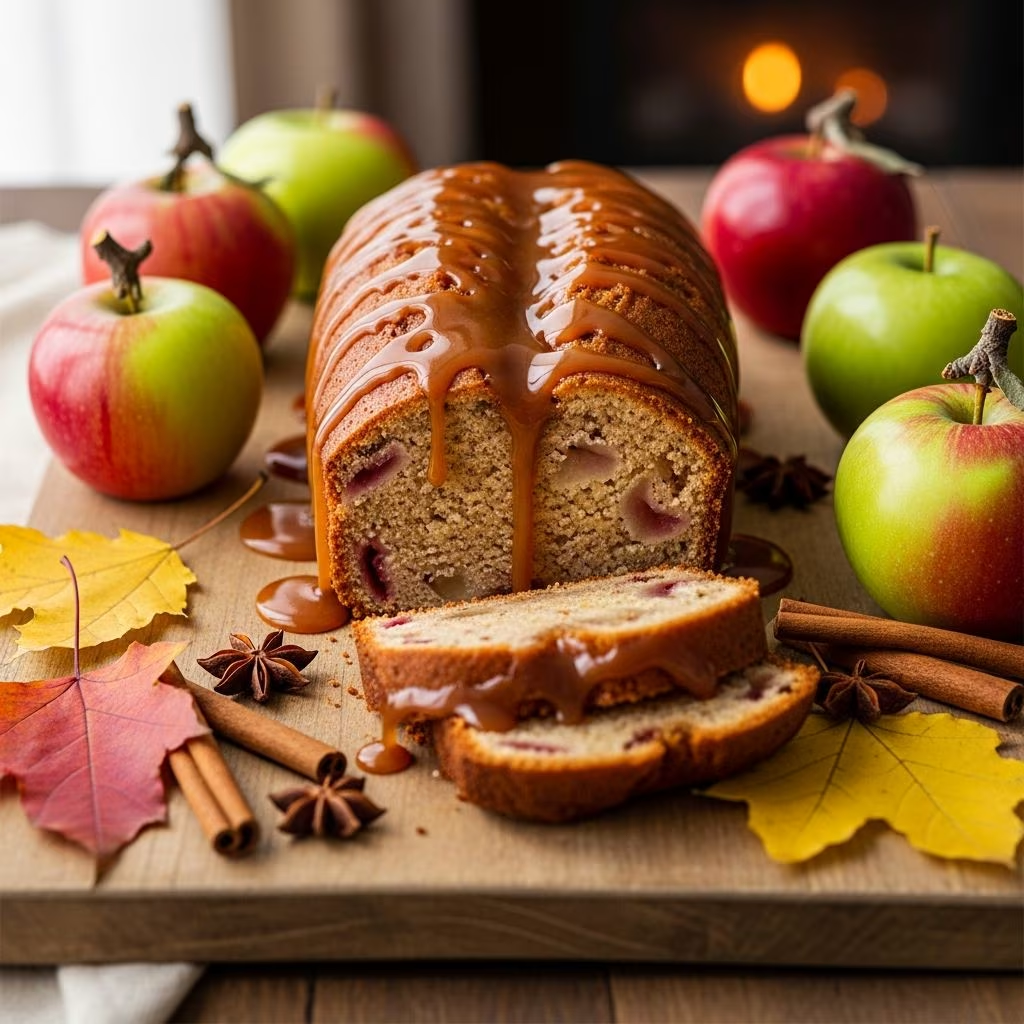
There’s something inherently comforting about the arrival of fall that makes us crave warm, spiced desserts that fill our homes with inviting aromas. Among the most beloved seasonal treats is a moist, elegant pound cake studded with chunks of crisp apples and crowned with a luxurious caramel glaze. This sophisticated yet accessible dessert bridges the gap between everyday indulgence and special-occasion showstopper, making it equally suitable for casual family gatherings or formal dinner parties.
The beauty of this particular cake lies in its versatility and foolproof preparation method. Whether you’re an experienced baker or someone who bakes only seasonally, this recipe delivers consistently impressive results with straightforward techniques and readily available ingredients.
Understanding the Foundation: What Makes This Cake Special
Unlike traditional dense pound cakes that rely on butter for their characteristic crumb structure, this contemporary version incorporates vegetable oil as its primary fat component. This substitution produces a cake that remains remarkably moist and tender, even days after baking. The oil distributes evenly throughout the batter, creating a uniform crumb structure that showcases the apple pieces and nuts without the greasiness sometimes associated with oil-based cakes.
The combination of fresh apples and complementary ingredients creates a multi-dimensional flavor profile. Granny Smith apples contribute a pleasant tartness that balances the cake’s inherent sweetness, while nuts add textural contrast and subtle earthiness. Some variations include dried cranberries, which introduce pockets of concentrated fruitiness and visual interest.
Essential Ingredients and Their Roles
| Ingredient | Quantity | Purpose |
|---|---|---|
| Granulated Sugar | 2 cups | Sweetness and moisture retention |
| Vegetable Oil | 1½ cups | Moisture and tender crumb structure |
| Eggs | 3 large | Binding, structure, and richness |
| Pure Vanilla Extract | 2 teaspoons | Flavor enhancement and depth |
| All-Purpose Flour | 3 cups | Structure and cake framework |
| Baking Soda | 1 teaspoon | Leavening and moisture regulation |
| Sea Salt | 1 teaspoon | Flavor amplification |
| Granny Smith Apples | 2 medium (2 cups chopped) | Moisture, flavor, and texture |
| Chopped Nuts | 1 cup | Crunch and nutty flavor |
Preparing Your Workspace and Pan Selection
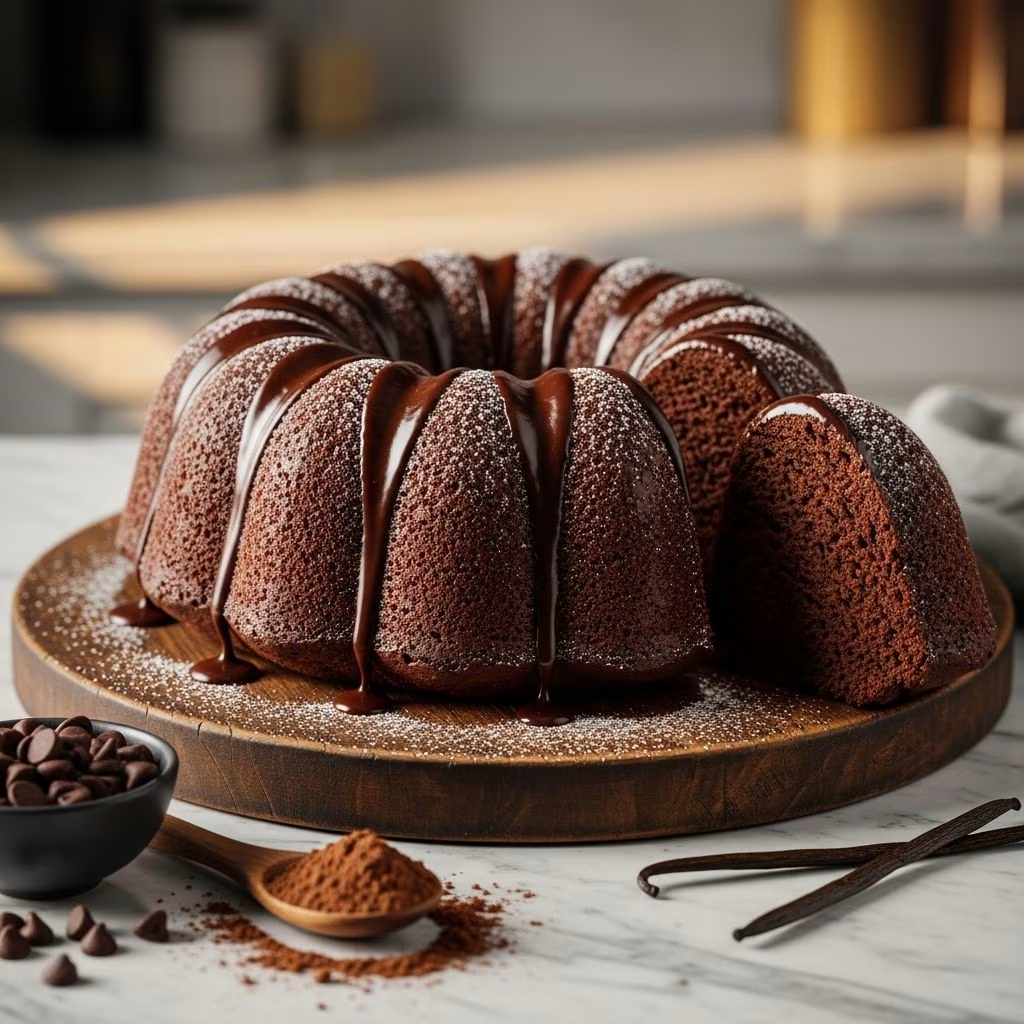
Success begins before you even measure your first ingredient. A 12-cup Bundt pan is essential for this recipe, as its fluted design creates the cake’s signature elegant appearance while ensuring even baking. The pan’s size and shape are specifically calibrated to accommodate the batter volume and distribution.
Proper pan preparation prevents frustration and ensures your finished cake releases cleanly. Rather than simply greasing the pan, use a combination approach: lightly coat the entire interior with cooking spray, then dust generously with all-purpose flour. Invert the pan and tap out excess flour, which ensures complete coverage while preventing thick flour patches that become visible on the finished cake’s exterior.
Preheat your oven to 350°F, allowing adequate time for the heating element to reach a stabilized temperature. This step, while seemingly routine, significantly impacts baking consistency and ensures your cake bakes evenly rather than developing a thick, overly browned exterior while the interior remains underbaked.
The Wet Ingredient Foundation: Creating Your Base Mixture
In a large mixing bowl, combine sugar, vegetable oil, eggs, and vanilla extract. Using an electric mixer on medium speed, beat these ingredients for approximately 2 to 3 minutes until the mixture becomes notably lighter in color and increases substantially in volume. This process, known as creaming, incorporates air into the batter, creating the light, tender crumb structure characteristic of quality pound cakes.
The color transformation is your visual cue that adequate air incorporation has occurred. The mixture should progress from a dense, golden liquid to a noticeably paler, almost mousse-like consistency with increased volume. This expanded texture directly contributes to the finished cake’s rise and structural integrity.
Dry Ingredient Integration and Apple Incorporation
In a separate bowl, whisk together flour, baking soda, and salt. This preliminary dry ingredient combination ensures even distribution of the leavening agent, preventing pockets of underdeveloped flavor or uneven rise. Gradually add this mixture to your wet ingredients, stirring on low speed until just combined. Overmixing at this stage develops gluten, resulting in a dense, tough cake rather than a tender crumb.
The folding-in stage introduces your signature ingredients: freshly chopped apples and nuts. Use a rubber spatula or wooden spoon for this final stage, gently folding rather than vigorously mixing. This technique preserves the incorporated air while distributing apple chunks and nuts evenly throughout the batter. Each fold should incorporate visible elements without excessive manipulation.
Baking Process and Visual Indicators
Pour your prepared batter into the floured Bundt pan, smoothing the top with a spatula. Place the pan in your preheated 350°F oven and bake for 1 hour to 1 hour 20 minutes. The baking time varies depending on your specific oven’s characteristics, ambient humidity, and ingredient temperature at mixing time.
Rather than relying solely on time, use the toothpick test: insert a toothpick or cake tester into the center, ensuring it reaches the deepest portion without touching the pan’s side. A properly baked cake will emerge with just a few moist crumbs clinging to the toothpick; if wet batter coats the tester, continue baking in 5-minute increments.
The cake’s surface should display a golden-brown exterior with slight cracks forming across the top, indicating proper interior development. The edges will naturally pull slightly away from the pan’s sides as the cake fully bakes.
Cooling and Release Technique
Proper cooling prevents structural damage and facilitates clean pan release. Allow the baked cake to cool in the pan for exactly 20 minutes—long enough for the structure to set and cool slightly, but warm enough that the cake releases cleanly without sticking.
After 20 minutes, run a thin knife or offset spatula around the pan’s inner edges and the center tube. Place your cooling rack directly over the Bundt pan and carefully invert the entire assembly, allowing gravity to gently release the cake onto the rack. If the cake doesn’t release immediately, gently wiggle the pan rather than forcing it.
Allow the cake to cool completely on the wire rack before applying the glaze. This resting period allows the interior structure to stabilize and the exterior to set, preventing the warm cake from absorbing too much glaze too quickly.
Crafting the Caramel Glaze: Technique and Timing
The caramel glaze elevates this cake from simple to sophisticated. In a 2-quart saucepan, combine ½ cup butter, ½ cup packed brown sugar, and 2 teaspoons whole milk. Brown sugar adds subtle molasses notes that distinguish this glaze from simple sugar-based versions.
Over medium heat, stir the ingredients gently until they reach a full, rolling boil. Immediately increase to medium-high heat and continue stirring constantly for exactly 2 minutes. This timing proves crucial—undertiming results in grainy, separated glaze, while overtiming produces a glaze that hardens as it cools, creating an unappealing brittle texture.
Remove the pan from heat immediately after 2 minutes of boiling. The glaze should display a smooth, glossy appearance without visible sugar crystals. Use the glaze immediately while it maintains an easily pourable consistency—allowing it to cool slightly increases the risk of premature thickening.
Application and Final Presentation
Place your completely cooled cake on a serving plate or cake stand positioned to catch any glaze drips. Using a spoon or small offset spatula, generously spoon the warm caramel glaze over the cake’s surface, allowing it to cascade naturally over the edges and settle into the Bundt pan’s decorative grooves.
The warm glaze flows smoothly when properly executed, creating an elegant appearance rather than a messy puddle. The glaze sets gradually as it cools to room temperature, developing a slight firmness that holds its glossy sheen without hardening completely.
Storage, Serving, and Variations
This cake reaches peak flavor 1 to 2 days after baking, as the flavors meld and the texture develops increasingly tender qualities. Store tightly wrapped in plastic wrap at room temperature for up to 5 days, or refrigerate for extended storage. The cake’s oil content prevents it from drying out as quickly as traditional butter-based cakes.
Serve the cake at room temperature or slightly warmed, with optional accompaniments such as vanilla ice cream, whipped cream, or additional caramel sauce drizzled on the side. Each slice showcases the beautiful distribution of apples and nuts studded throughout the golden crumb.
Frequently Asked Questions
- Can I substitute different apple varieties?
- Yes, though Granny Smith apples remain the ideal choice due to their tartness and firm texture. Honeycrisp, Pink Lady, or Braeburn apples work well, though slightly sweeter varieties will alter the flavor balance moderately.
- What nut options work best?
- Walnuts, pecans, and almonds all deliver excellent results. Choose based on personal preference or what you have available; each contributes distinct flavor characteristics while maintaining similar textural contributions.
- Can the glaze be made ahead?
- No, the glaze requires application immediately after preparation. However, you can make it while the cake cools, applying it to the warm cake just as the glaze reaches proper consistency.
- Is this cake appropriate for dietary restrictions?
- Standard recipes contain gluten, dairy, and eggs. Adaptations using gluten-free flour, dairy-free butter, and egg substitutes are possible but require careful testing and potentially adjusted ratios.
- How many servings does this yield?
- The 12-cup Bundt pan typically yields 12 to 16 generous slices, depending on portion size.
References
- Harvest Pound Cake Recipe — Betty Crocker. 2024. https://www.bettycrocker.com/recipes/harvest-pound-cake/3aee7486-55b5-4e3e-ae01-3c60c03eaaec
- The Best Apple Harvest Pound Cake Recipe with Caramel Glaze — Family Around the Table. 2024. https://familyaroundthetable.com/apple-harvest-pound-cake/
- Apple Harvest Cake with Caramel Sauce — Lunds & Byerlys Corporate. October 13, 2025. https://corporate.lundsandbyerlys.com/apple-harvest-cake-with-caramel-sauce/