Creating a Show-Stopping Circular Salad for Your Holiday Celebration
Holiday entertaining often requires dishes that are both visually impressive and delicious—a challenging combination that leaves many home cooks searching for that perfect recipe. A wreath-shaped salad offers an elegant solution, transforming a simple vegetable medley into a stunning centerpiece that will captivate your guests before they even taste it. This innovative presentation style combines the nutritional benefits of fresh greens with creative layering and thoughtful color coordination, resulting in a dish that serves as much as decoration as it does nourishment.
Understanding the Wreath Salad Concept
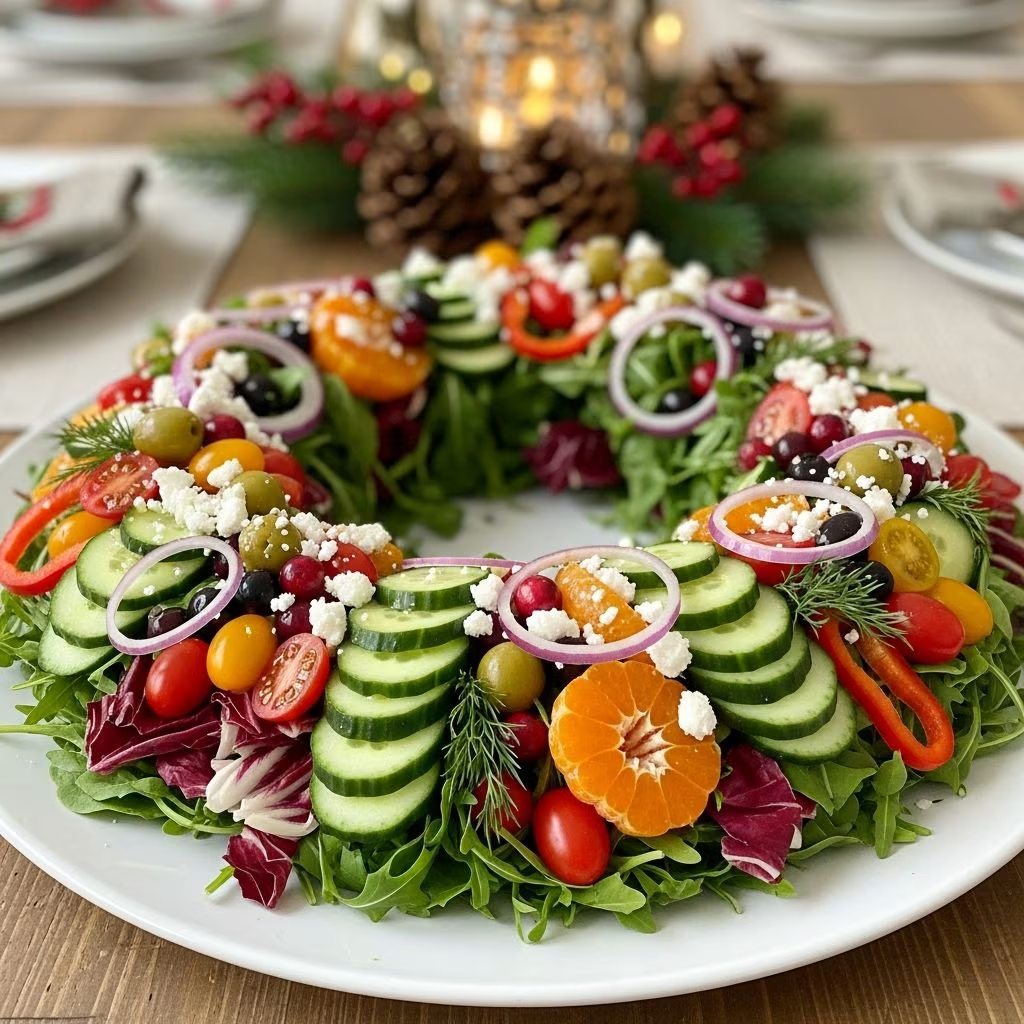
The wreath salad concept reimagines traditional side dishes by arranging ingredients in a circular pattern around a central dressing bowl. Rather than serving salad in individual portions or a standard bowl, this approach creates a communal presentation piece that encourages interaction and visual appreciation. The beauty of this format lies in its flexibility—the same fundamental structure accommodates countless ingredient variations, allowing home cooks to adapt the recipe to seasonal availability, dietary preferences, and family favorites.
Essential Components for Building Your Base
Every successful wreath salad begins with selecting an appropriate base of fresh greens. The foundation determines both the flavor profile and the visual appearance of your finished creation. Consider these popular options for your leafy base:
- Kale provides hearty texture and holds up well when dressed, making it ideal for advance preparation
- Spinach offers delicate elegance and pairs beautifully with fruits and nuts
- Mixed salad greens create visual variety with multiple shades of green and red
- Arugula introduces peppery notes that complement sweet and savory toppings
The choice of greens influences both preparation time and flavor intensity. Delicate greens can be arranged moments before serving to maintain crisp texture, while heartier options like kale benefit from advance massage with dressing to achieve optimal tenderness. Most recipes call for approximately 6 to 8 cups of greens, depending on your desired wreath density and the number of guests you plan to serve.
Protein and Cheese Elements That Add Substance
Incorporating cheese and other protein sources transforms your wreath salad from a light side dish into a more substantial offering. Different cheese varieties bring distinct characteristics to the presentation:
| Cheese Type | Flavor Profile | Visual Appearance |
|---|---|---|
| Feta | Tangy and salty | Bright white crumbles |
| Blue Cheese | Bold and pungent | Creamy blue-veined crumbles |
| Goat Cheese | Creamy and mild | Soft white mounds |
| Mozzarella Pearls | Mild and fresh | Small white spheres |
Beyond cheese, consider incorporating toasted nuts for textural contrast. Candied pecans provide sweet crunch, while pistachios offer both color and sophisticated flavor. These protein additions should be distributed strategically around the wreath to create visual balance and ensure each serving includes varied textures and tastes.
Creating Festive Color Through Produce Selection
The visual appeal of a wreath salad depends largely on thoughtful color coordination. Strategic placement of colorful ingredients creates the festive aesthetic that makes this presentation format so striking. Common decorative elements include:
- Red garnishes: Cherry tomatoes function as edible “ornaments,” while pomegranate arils add jewel-like shimmer and bursts of tart flavor
- Orange and yellow tones: Orange segments and sliced apples contribute brightness and sweetness
- Purple accents: Halved grapes and red onion slices deepen the color palette
- Green elements: Olives provide visual interest beyond the base greens
When arranging these components, distribute them evenly around the circular formation, considering how colors interact with one another. Alternating warm and cool tones creates visual rhythm, while strategic clustering of similar colors provides focal points that draw the eye around the presentation.
Crafting Homemade Vinaigrette Dressings
The dressing serves dual purposes: it flavors the greens while held in the central bowl, and it comes together with individual ingredients when guests compose their own servings. A well-balanced vinaigrette combines acid, fat, and emulsifiers in proportions that enhance rather than overpower the fresh ingredients.
Classic Red Wine Vinaigrette Recipe: Whisk together three tablespoons extra virgin olive oil, two tablespoons red wine vinegar, one tablespoon Dijon mustard, one minced garlic clove, and salt and pepper to taste. This traditional combination provides bright acidity and subtle mustard warmth that complements most vegetable and cheese combinations.
Apple Cider Maple Variation: Combine one-half cup olive oil, one-quarter cup apple cider vinegar, two teaspoons Dijon mustard, two teaspoons each of honey and maple syrup, plus salt and pepper. This sweeter option pairs beautifully with fruits, nuts, and creamy cheeses, offering depth that regular vinaigrettes cannot achieve.
Citrus Orange Dressing: Whisk together two-thirds cup fresh orange juice, three tablespoons honey, three tablespoons champagne vinegar, three tablespoons canola oil, one teaspoon Dijon mustard, and salt and pepper. This sophisticated option brightens the palate and creates beautiful color coordination with orange garnishes.
Assembly Techniques for Maximum Visual Impact
Presentation strategy determines whether your salad looks casually assembled or professionally arranged. Begin by selecting an appropriately sized platter—a thirteen-inch diameter provides adequate space for most wreath salads while remaining manageable for serving. Position your dressing ramekin in the center, then arrange greens around it in a circular pattern, ensuring even distribution.
Layer colored ingredients thoughtfully rather than randomly scattering them. Create sections around the wreath, alternating between ingredients to maintain visual interest as the eye travels around the circle. Some toppings benefit from being tucked slightly beneath the greens to create dimension and prevent items from sliding during transport.
Timing considerations matter significantly for presentation longevity. Assemble the salad as close to serving time as possible to prevent greens from wilting and toppings from settling unevenly. However, advance preparation allows you to arrange ingredients and prepare dressing without day-of stress, then simply add greens and final touches minutes before guests arrive.
Ingredient Adaptations and Seasonal Variations
The beauty of wreath salad format extends to its remarkable versatility. Substitute seasonal produce as it becomes available, maintaining the overall color and balance philosophy while introducing fresh flavors.
Spring variations might incorporate fresh asparagus pieces, sliced radishes, tender pea shoots, and a light lemon vinaigrette. Summer options could include corn kernels, sliced bell peppers, fresh berries, and herb-forward dressings. Autumn editions benefit from roasted vegetables, dried cranberries, candied nuts, and maple-based dressings. Winter offerings leverage pomegranate, pears, persimmons, and hearty greens with warming spice notes.
Those pressed for time can substitute store-bought salad dressing for homemade vinaigrettes without sacrificing appeal, though freshly prepared dressings offer superior flavor and customization. Similarly, pre-cut produce and pre-crumbled cheese reduce assembly time while maintaining the impressive presentation.
Serving and Presentation Tips
Understanding how guests will interact with your wreath salad allows for better planning. Place the platter on a table where people can easily access it from multiple angles, preventing bottlenecks at a single side. Include small plates and serving utensils—tongs work well for managing greens and toppings—to facilitate smooth self-service.
Encourage guests to create balanced plates by combining greens, proteins, and toppings in roughly equal proportions. Consider providing a small serving spoon for dressing distribution. The communal nature of wreath salad service often sparks conversation and interaction, making it an excellent icebreaker at gathering events.
Nutritional Considerations and Health Benefits
Beyond its visual appeal, the wreath salad format promotes nutritional awareness and balanced eating. The visible display of varied ingredients encourages guests to sample components they might overlook in traditional mixed salads. Fresh leafy greens provide essential vitamins, minerals, and fiber, while colorful produce additions contribute diverse phytonutrients and antioxidants.
The cheese and nut components add satisfying fats and proteins that increase satiety, transforming the salad from a light side into a more substantial offering. Homemade dressings allow control over sodium and added sugar content compared to store-bought alternatives, supporting dietary goals for health-conscious hosts.
Storage and Make-Ahead Strategies
Preparing elements in advance reduces day-of stress without compromising quality. Most components can be prepared hours ahead: greens can be washed and stored in containers, produce can be sliced and refrigerated in sealed containers, nuts can be toasted and cooled, and dressing can be whisked together and chilled. The central arrangement should happen within thirty minutes of serving to maintain visual appeal and prevent greens from wilting.
Fully assembled wreath salads remain presentable for approximately one to two hours at room temperature before greens begin deteriorating. Keeping the dressing separate until serving time extends this window while ensuring optimal texture throughout consumption.
Frequently Asked Questions About Wreath Salads
How far in advance can I prepare a wreath salad?
Individual components can be prepared up to one day ahead and stored separately. Final assembly should occur within one to two hours of serving for best results, though greens can be arranged around the dressing ramekin several hours before other toppings are added.
What size platter works best for wreath salads?
A thirteen to fourteen-inch diameter platter provides adequate space for approximately six to eight servings while remaining manageable for serving. Smaller platters work for four to six servings, while larger presentations might use sixteen to eighteen-inch platters.
Can I make wreath salad gluten-free?
Yes, wreath salads are naturally gluten-free when using fresh produce, cheese, nuts, and ensuring any bottled dressing components are certified gluten-free. Homemade dressings are inherently gluten-free when prepared with appropriate ingredients.
How should I transport a wreath salad to another location?
Transport the platter flat in a secure location, keeping the dressing ramekin in its center position to prevent shifting. Consider arranging greens and heavier toppings in place but adding delicate items like fresh berries immediately before serving to prevent bruising.
What dressing options work best with different ingredient combinations?
Hearty greens and robust cheeses pair well with tangy vinaigrettes featuring mustard and red wine vinegar. Delicate fruits and lighter cheeses benefit from sweeter dressings incorporating honey and maple syrup. Citrus-forward options complement orange segments, grapes, and creamy cheeses.
References
- Christmas Salad {Wreath Shaped!} — Feel Good Foodie. Accessed April 2026. https://feelgoodfoodie.net/recipe/christmas-wreath-salad/
- 15-Minute Christmas Wreath Salad with Candied Pecans & Maple Vinaigrette — Balancing Motherhood. Accessed April 2026. https://balancingmotherhood.com/christmas-wreath-salad/
- Christmas Wreath Salad — Fresh Express. Accessed April 2026. https://www.freshexpress.com/recipes/salads/christmas-wreath-salad
- Christmas Wreath Salad with Candied Pecans — She Keeps a Lovely Home. Accessed April 2026. https://www.shekeepsalovelyhome.com/christmas-salad/
- Best Christmas Wreath Salad with Pomegranate and Pear — Haute and Healthy Living. Accessed April 2026. https://www.hauteandhealthyliving.com/christmas-wreath-salad/