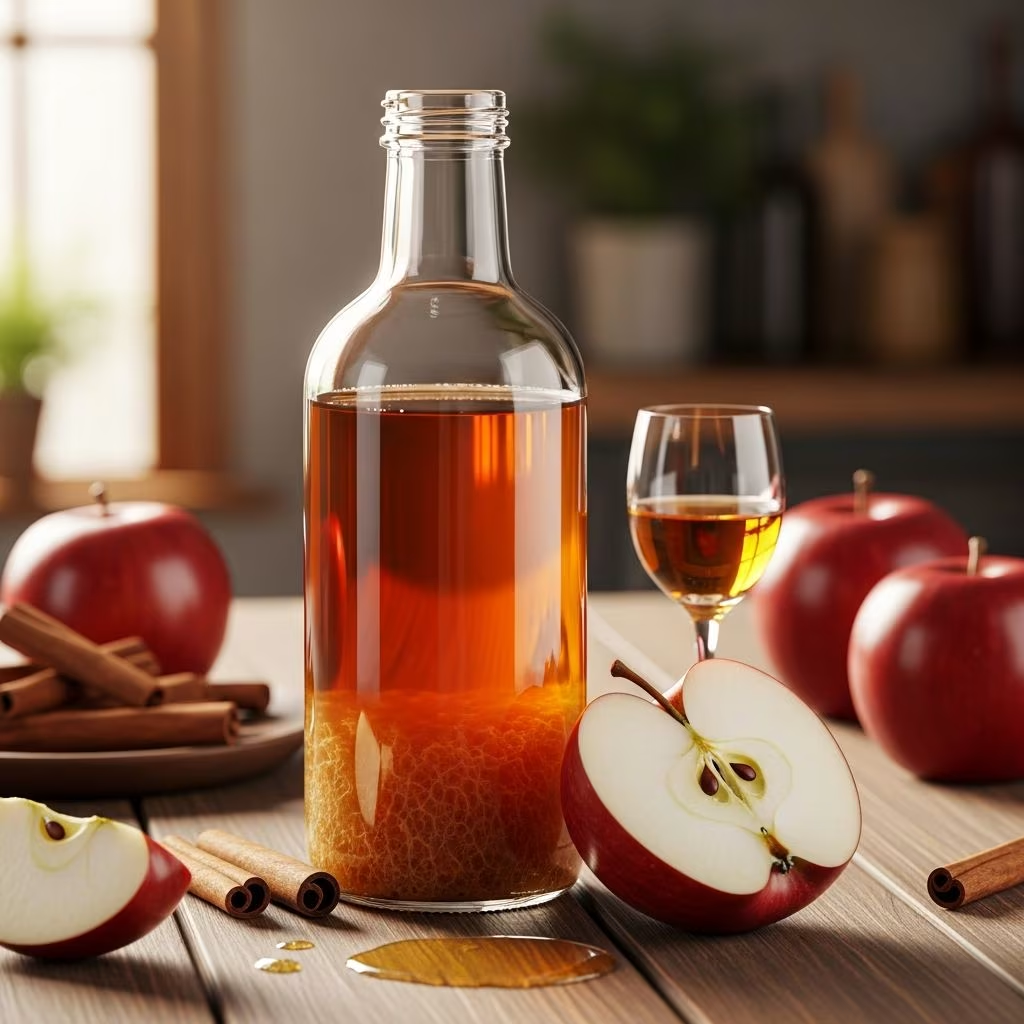
Apple cider vinegar, often abbreviated as ACV, stands as a versatile pantry staple with roots tracing back thousands of years. Derived from fermented apples, it offers a tangy profile that enhances flavors in cooking while promising various health and household applications. This guide delves into its creation, benefits, recipes, and practical uses, drawing from established knowledge and credible research.
Understanding the Origins and Production of Apple Cider Vinegar
The journey of apple cider vinegar begins with fresh apples, which are crushed to extract their juice. This liquid undergoes a double fermentation process: first, yeast transforms the natural sugars into alcohol, akin to cider production. Subsequently, acetic acid bacteria convert that alcohol into acetic acid, the compound imparting vinegar’s characteristic sharpness. The result is diluted with water to achieve the desired strength, typically around 5% acidity.
Opt for raw, unfiltered varieties containing the “mother,” a cloudy collection of proteins, enzymes, and beneficial bacteria resembling kombucha sediment. This component is believed to retain probiotics and enhance potential health effects, distinguishing it from clear, pasteurized versions.
Potential Health Advantages Supported by Science
Apple cider vinegar has garnered attention for possible wellness benefits, though robust human studies remain limited. Its acetic acid content may aid blood sugar regulation post-meals. A study involving type 2 diabetes patients found that ingesting diluted vinegar before high-carb meals lowered postprandial glucose levels compared to placebo.1
Weight management represents another area of interest. Research indicates modest reductions in body weight and waist circumference with daily ACV consumption over 12 weeks, potentially due to increased satiety and metabolic effects.2 Additionally, antimicrobial properties from acetic acid position it as a natural preservative and digestive aid.
- Blood Sugar Control: May slow starch digestion, reducing glycemic spikes.
- Digestion Support: Stimulates stomach acid production, easing bloating.
- Antioxidant Boost: Contains polyphenols from apples combating oxidative stress.
Always dilute ACV (1-2 tablespoons in 8 ounces of water) to protect tooth enamel and esophageal lining. Consult healthcare providers before regular use, especially with medications.
Culinary Innovations with Apple Cider Vinegar
ACV’s bright acidity elevates dishes from salads to marinades. Its fruity undertones pair seamlessly with sweets, spices, and savories, substituting 1:1 for other vinegars in most recipes.
Refreshing Beverage Creations
Transform ACV into palatable drinks masking its sharpness. A simple morning tonic blends 2 tablespoons ACV, 6-8 ounces cold water, a dash of cinnamon, and natural sweetener like stevia or honey. Add apple juice for an apple pie-inspired sip, ideal for beginners averse to pure vinegar taste.
| Ingredient | Quantity | Benefit |
|---|---|---|
| Raw ACV | 2 tbsp | Core tang and probiotics |
| Apple Juice (unsweetened) | 2 tbsp | Enhances fruitiness |
| Water | 6 oz | Dilutes acidity |
| Vanilla Stevia | 4 drops | Sweetens naturally |
| Cinnamon | Sprinkle | Warms flavor profile |
Salad Dressings and Vinaigrettes
Craft tangy dressings by emulsifying ACV with olive oil, mustard, and herbs. A basic ratio of 1:3 vinegar to oil yields balanced emulsions. Experiment with additions like garlic, shallots, or honey for depth. These outperform store-bought options in freshness and customization.
Savory Mains and Sides
Incorporate ACV into marinades for chicken or tofu, tenderizing proteins while infusing subtle sweetness. Roast vegetables with a splash for caramelized edges. For Asian-inspired salads, combine with fish sauce, honey, and lime, creating umami-packed dressings over greens and proteins.
Beyond the Kitchen: Household and Beauty Applications
ACV’s utility extends domestically. As a natural cleaner, mix equal parts with water to tackle glass, counters, and grout, leveraging acetic acid’s dissolving power on minerals and grease.3
In beauty routines, dilute solutions serve as hair rinses, balancing scalp pH and reducing buildup. A post-shampoo application (1/4 cup ACV in 2 cups water) restores shine without stripping natural oils.
- Cleaning Spray: 1:1 ACV-water cuts soap scum effectively.
- Laundry Booster: 1/2 cup in wash cycle softens fabrics, removes odors.
- Skin Toner: Diluted 1:4, soothes minor irritations (patch test first).
Practical Tips for Incorporating ACV Daily
Start small to build tolerance. Morning tonics kickstart metabolism; mealtime doses curb appetite. Store in glass containers away from metal to prevent reactions. Shelf-stable for years, its potency endures.
For families, kid-friendly versions incorporate into smoothies or popsicles, sneaking in benefits discreetly.
Frequently Asked Questions (FAQs)
What is the “mother” in apple cider vinegar?
The mother comprises cellulose and bacteria from fermentation, visible as sediment. It harbors probiotics, setting raw ACV apart from filtered types.
Can apple cider vinegar help with weight loss?
Some studies suggest modest effects via appetite suppression and fat metabolism, but it’s no substitute for diet and exercise.2
Is it safe to drink daily?
Diluted yes, but excess risks enamel erosion or low potassium. Limit to 2 tablespoons daily.1
How do I make homemade ACV?
Ferment apple scraps in sugar water for weeks, strain, then acetify. Patience yields fresh batches.
Does ACV expire?
Rarely; it may darken but retains efficacy if stored properly.
References
References
- Effects of acetic acid and vinegar on blood glucose and insulin responses. — Johnston CS, et al. Diabetes Care. 2004-05-01. https://doi.org/10.2337/diacare.27.5.1041
- Vinegar (acetic acid) intake on body weight and metabolic parameters. — Khezri M, et al. Journal of Functional Foods. 2018-06-01. https://doi.org/10.1016/j.jff.2018.02.003
- Antimicrobial activity of acetic acid against common foodborne pathogens. — Sheelam Misra. U.S. Food and Drug Administration (FDA). 2020-01-15. https://www.fda.gov/food/food-safety-modernization-act-fsma/fsma-final-rule-standards-produce-safety
- Apple cider vinegar: A traditional therapy with multifaceted potential. — Yagnik D, et al. Journal of Functional Foods. 2021-07-28. https://doi.org/10.1016/j.jff.2021.104604
- Health benefits and chemical composition of apple cider vinegar. — U.S. Department of Agriculture (USDA). 2022-03-10. https://fdc.nal.usda.gov/fdc-app.html#/food-details/173469/nutrients