The Origins of an Iconic Cocktail
The espresso martini represents a relatively modern addition to the cocktail canon, yet it has achieved the status of a contemporary classic. Created during the 1980s by legendary British bartender Dick Bradsell, this drink emerged from a specific request that would shape cocktail culture for decades to come. According to cocktail lore, a customer approached Bradsell seeking a beverage potent enough to combat the effects of late-night fatigue. Rather than simply offering another spirit-forward drink, Bradsell ingeniously combined vodka, coffee liqueur, and freshly brewed espresso to create a drink that satisfied both the need for caffeine stimulation and sophisticated flavor complexity.
What makes this origin story particularly compelling is how Bradsell’s creation addressed a genuine gap in mixology. Prior to the espresso martini, few cocktails effectively merged the worlds of coffee and spirits in a way that honored both elements. The result transformed not only how bartenders approached coffee-based drinks but also established a template for modern cocktail innovation—responding to customer desires with creativity and precision.
Understanding the Core Ingredients
Crafting an authentic espresso martini requires careful attention to ingredient selection, as each component plays a distinct and essential role in the final product.
Vodka as the Foundation
Vodka serves as the neutral spirit base that allows the coffee flavors to shine without competing aromatics. The choice of vodka brand matters less than its quality—premium vodka provides a smoother base than lower-quality alternatives. Typical recipes call for 2 to 3 ounces of vodka, depending on the strength preference and whether additional ingredients are incorporated.
The Critical Role of Fresh Espresso
The espresso component distinguishes a genuine espresso martini from inferior imitations. Fresh, properly brewed espresso is non-negotiable—instant coffee powder simply cannot deliver the depth, complexity, and crucial crema that define this cocktail. The espresso should be strong and pulled from a quality espresso machine, ideally within moments of preparation. Some recipes call for hot espresso to be added directly to the cocktail shaker, while others recommend cooling the espresso first. The temperature debate reflects different bartending philosophies: hot espresso can begin dissolving ice immediately (potentially over-diluting), while cooled espresso maintains better cocktail proportions.
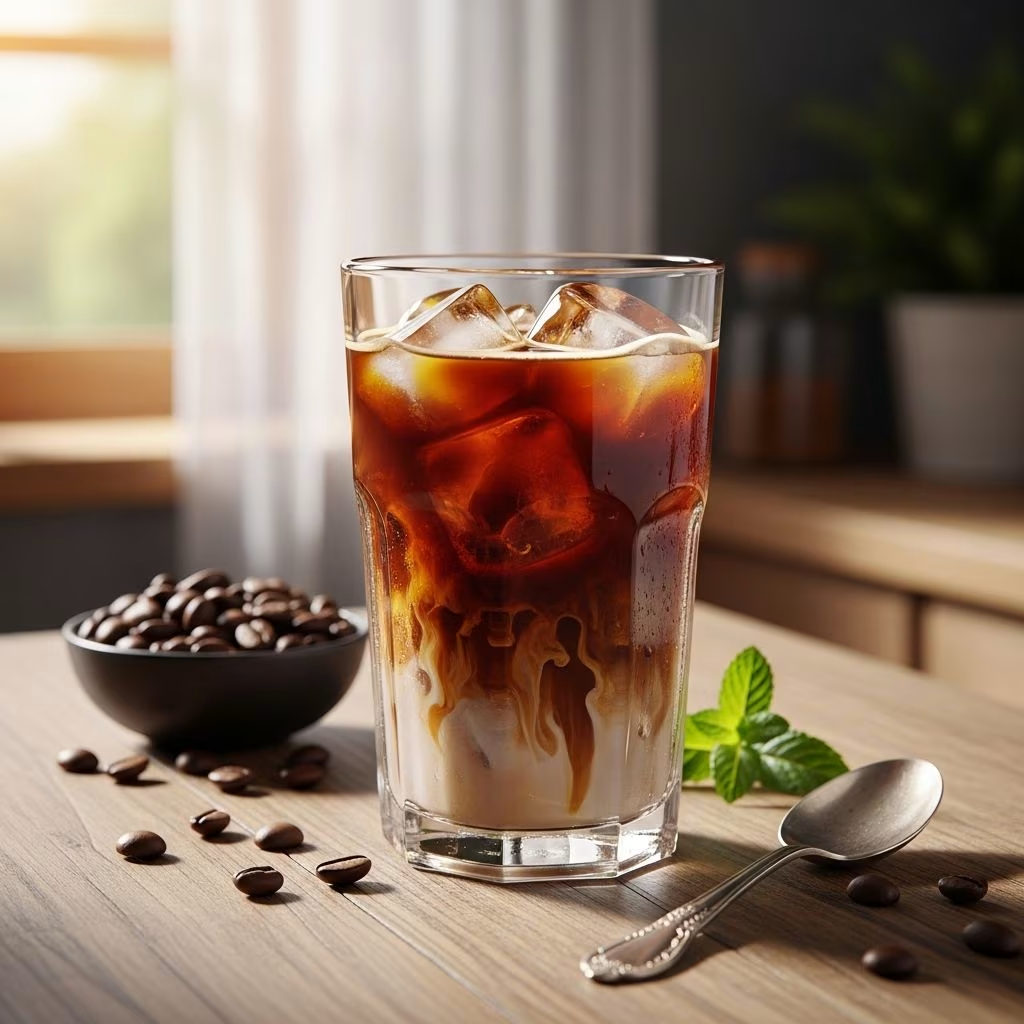
For those without access to an espresso machine, cold brew concentrate offers an acceptable substitute, though this alternative sacrifices the signature foam layer that characterizes the drink.
Coffee Liqueur Options
Coffee liqueur adds sweetness, depth, and additional coffee character to balance the other components. Multiple options exist in the marketplace, each bringing distinct qualities. Kahlúa, a rum-based coffee liqueur, represents the most traditional and widely available choice. Mr. Black, a coffee and vodka liqueur, offers a slightly lighter profile that some bartenders prefer for its refined character. Tia Maria provides another alternative, while Borghetti espresso liqueur delivers particularly robust coffee notes for those seeking intense flavor. Recipes typically call for ½ to 1 ounce of coffee liqueur, with the exact measurement depending on sweetness preference and the other ingredients used.
Simple Syrup for Balance
Simple syrup—equal parts sugar and water heated until the sugar dissolves—adds necessary sweetness and helps balance the bitter coffee and spirit components. Most recipes incorporate ½ to 1 ounce of simple syrup. Some bartenders create variations by infusing simple syrup with vanilla, maple, or other flavoring agents to introduce additional dimension.
The Science Behind the Signature Foam
The distinctive creamy foam layer that crowns an expertly crafted espresso martini results from two distinct processes working in concert.
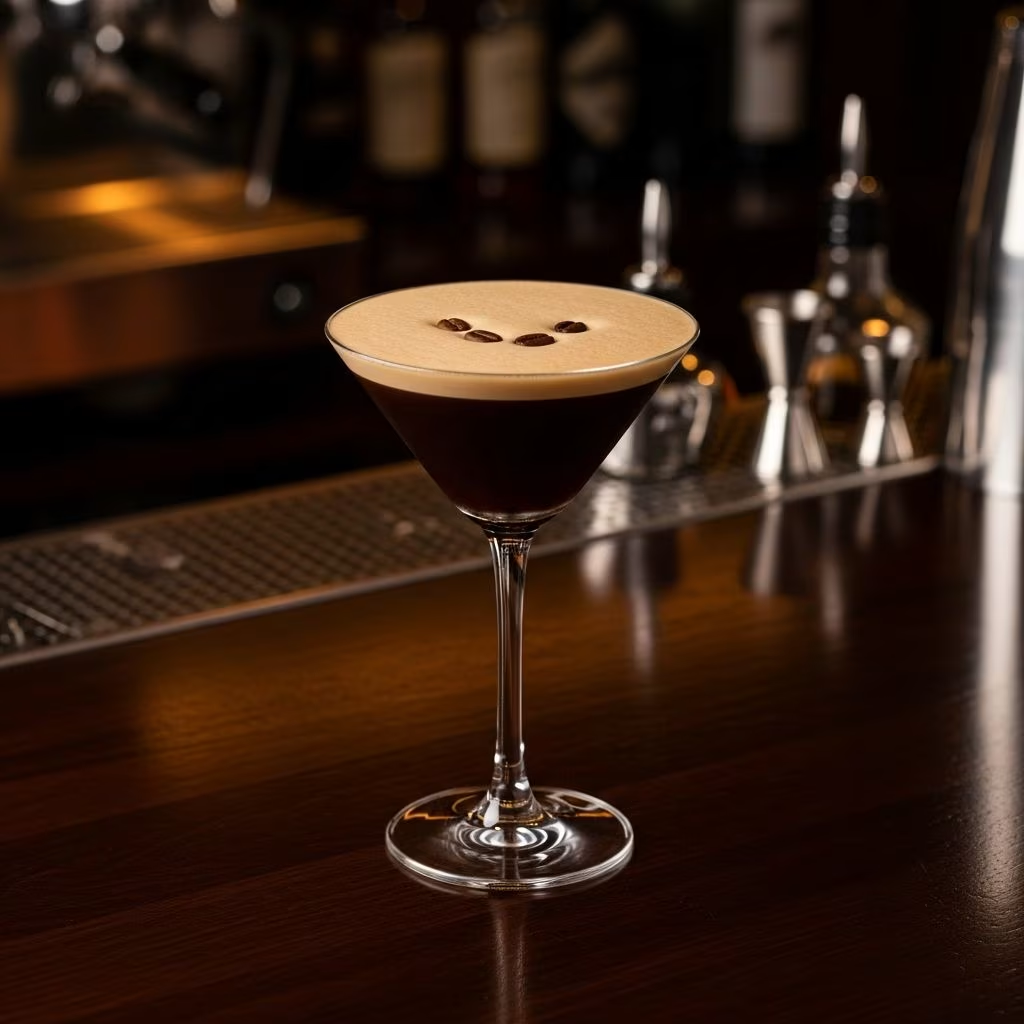
The Crema Foundation: When espresso is extracted under high pressure, carbon dioxide gas becomes emulsified with the natural oils present in roasted coffee beans. This emulsification creates crema—the light brown, foam-like layer that sits atop freshly pulled espresso shots. This crema provides the foundational foam structure for the martini.
Vigorous Aeration Through Shaking: The second component involves the mechanical action of shaking. When a bartender shakes the cocktail mixture with ice using sufficient force and duration, this agitation aerates the liquid by introducing tiny air bubbles throughout. The proteins and other compounds in the espresso, combined with the vigorous shaking motion, stabilize these bubbles, creating the characteristic dense foam layer. The intensity of shaking directly correlates with foam quality—gentle mixing produces minimal foam, while powerful, sustained shaking generates the luxurious head that defines a properly made espresso martini.
This combination of factors explains why fresh espresso and aggressive shaking prove essential to the drink’s signature presentation. The quality of foam separates an exceptional espresso martini from a mediocre version, making technique as important as ingredient selection.
Preparation Techniques and Best Practices
Equipment Essentials
Creating an espresso martini demands specific tools: a cocktail shaker (Boston shaker or cobbler style), a bar jigger for accurate measurement, a strainer, an espresso machine or access to fresh espresso, and chilled martini or coupe glasses. The glassware should be pre-chilled in a freezer for at least 15 minutes before use.
Step-by-Step Preparation
Begin by brewing a fresh espresso shot, ensuring it has the characteristic crema layer on top. While the espresso cools slightly (or immediately, depending on preference), add vodka, coffee liqueur, and simple syrup to a cocktail shaker filled with ice. Pour the espresso into the shaker and seal it securely. Execute vigorous, powerful shaking motions for approximately 10-15 seconds—the goal is to hear the ice rattling forcefully and feel the shaker becoming cold to the touch. Double-strain the mixture through a fine mesh strainer into a pre-chilled martini or coupe glass. This double-straining prevents ice chips and foam particles from clouding the cocktail. Garnish with three espresso beans, a traditional presentation symbolizing health, wealth, and happiness.
Creative Variations and Flavor Explorations
While the classic espresso martini remains timeless, bartenders and home cocktail enthusiasts have developed numerous sophisticated variations that expand the drink’s possibilities.
Vanilla-Infused Interpretation
The vanilla espresso martini represents one of the most popular variations, introducing floral sweetness that complements coffee’s natural bitterness. This adaptation calls for substituting vanilla syrup in place of standard simple syrup, creating a drink with subtle complexity. Alternatively, bartenders can infuse vodka with real vanilla beans for several days before use, then combine it with traditional simple syrup.
Chocolate Orange Combination
This modern take incorporates citrus vodka, crème de cacao, coffee liqueur, and fresh espresso alongside bitters, creating a sophisticated dessert-like experience that bridges flavors found in chocolate truffles. The citrus element brightens what might otherwise be an overly sweet combination, while the crème de cacao adds silky texture and chocolate depth.
Mint Chocolate Rendition
For those preferring cooler, herbaceous undertones, the mint chocolate variation combines vodka, coffee liqueur, fresh espresso, and a mint spirit, presenting a palate-refreshing alternative to the classic recipe. This version evokes after-dinner mint candies while maintaining coffee’s distinctive character.
Banana Rum Adaptation
This creative variation substitutes banana rum for traditional vodka, pairs it with coffee liqueur like Borghetti espresso liqueur, incorporates a single espresso shot for balance, and adds falernum syrup for tropical sweetness. The result bridges coffee and fruit flavors in an unconventional yet surprisingly harmonious way.
Smoky Grappa Variation
For adventurous palates, smoked grappa aged 12-18 months in toasted French oak barrels creates a sophisticated variation when combined with walnut amaro, espresso, and maple syrup. This interpretation transforms the espresso martini into a complex, warming drink suitable for contemplative moments.
Tequila-Based Mexican Interpretation
The Benevolent variation incorporates blanco tequila, Averna amaro, cold-brewed coffee, egg white, simple syrup, and bitters, creating a drink with Mexican flair and velvety texture from the egg white component. This demonstrates how the espresso martini template adapts successfully to alternative spirit bases.
Serving and Celebration
The espresso martini has achieved sufficient cultural prominence to warrant its own international celebration. Espresso Martini Day, observed annually on March 15th, honors this cocktail’s significance in modern mixology. Whether served at sophisticated cocktail lounges, vibrant nightclubs, or home gatherings, the espresso martini continues attracting enthusiasts seeking drinks that provide both stimulation and refinement.
Frequently Asked Questions
Can I make an espresso martini without an espresso machine?
Yes, cold brew concentrate can substitute for fresh espresso, though the resulting drink will lack the signature crema foam layer that characterizes the classic version.
Why is my espresso martini not foamy?
Insufficient shaking intensity represents the most common cause. Shake vigorously for 10-15 seconds with enough force to chill the shaker noticeably. Additionally, ensure your espresso is fresh and has visible crema.
Can I prepare espresso martinis in advance?
No—espresso martinis must be prepared to order. The foam dissipates quickly, and pre-mixing compromises the drink’s signature texture and carbonation.
What glassware works best?
Traditional martini glasses and coupe glasses both work effectively, provided they are pre-chilled before serving.
Is egg white ever used in espresso martinis?
While not traditional, some variations incorporate egg white to create additional silky foam and body, as demonstrated in some contemporary recipes.
References
- The Perfect Espresso Martini at Home — Preppy Kitchen. 2024. https://preppykitchen.com/espresso-martini/
- Espresso Martini — The Defined Dish. 2024. https://thedefineddish.com/espresso-martini/
- Creative Espresso Martini Variations: Unique Recipes to Try — The Mixer. 2024. https://www.themixer.com/en-us/learn/espresso-martini-variations/
- 6 Delicious Espresso Martini Recipes — On the Sauce Again. February 23, 2024. https://onthesauceagain.com/2024/02/23/6-delicious-espresso-martini-recipes/