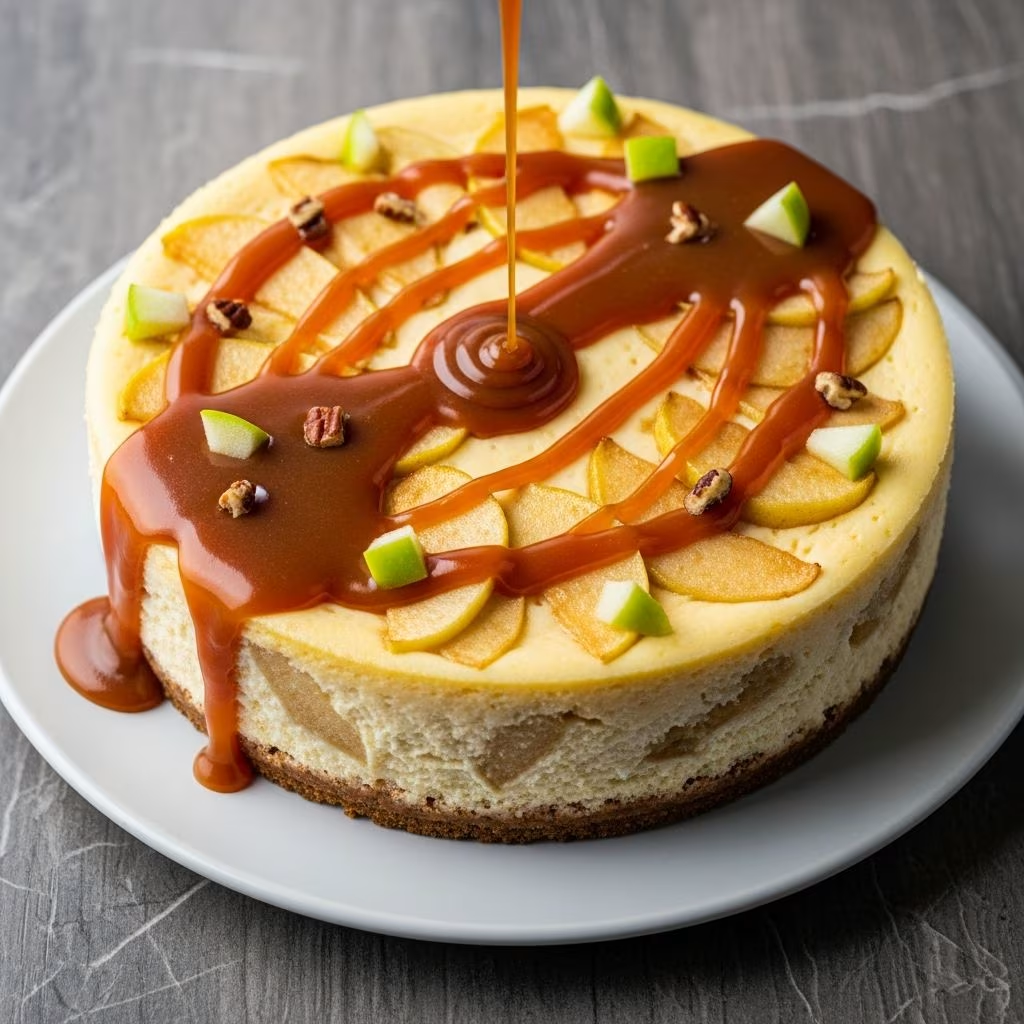
Creating a memorable dessert that impresses guests requires both technical skill and quality ingredients. Apple cheesecake with caramel sauce represents one of the most elegant and satisfying desserts you can prepare in your home kitchen. This classic combination brings together creamy, rich cheesecake, tart and slightly sweet apples, and luxurious caramel, creating layers of complementary flavors and textures that work in perfect harmony.
Whether you’re planning a holiday gathering, celebrating a special occasion, or simply want to master a sophisticated dessert technique, this guide will walk you through every stage of the process. From selecting the finest ingredients to mastering the baking techniques that prevent common pitfalls, you’ll gain the knowledge needed to create a showstopping dessert that tastes as professional as any bakery creation.
Understanding the Components of This Classic Dessert
A successful apple cheesecake with caramel sauce comprises several distinct components that must work together seamlessly. Each element contributes its own texture, flavor profile, and structural integrity to the finished dessert.
The foundation begins with a graham cracker crust that provides a satisfying crunch and buttery flavor that anchors the creamy cheesecake above it. This crust serves both functional and flavor purposes, preventing the cheesecake from becoming too heavy while adding textural contrast.
The main cheesecake layer delivers the signature smooth, dense creaminess that defines this dessert category. Built on a foundation of softened cream cheese, this layer incorporates warm spices that complement the apples, creating an integrated flavor experience rather than distinct elements.
Fresh apples provide essential tartness and textural variation, cutting through the richness of the cheese and caramel. The fruit layer bridges the sweet caramel with the tangy cheesecake, creating flavor balance throughout each bite.
Finally, the caramel sauce brings glossy richness and complex sweetness that ties all components together. Homemade caramel delivers superior flavor complexity compared to store-bought versions, with a sophisticated depth that elevates the entire dessert.
Selecting and Preparing Your Ingredients
The quality of your finished dessert depends directly on the ingredients you choose. Taking time to select premium components pays dividends in the final result.
Cream Cheese: The Foundation of Quality
Full-fat cream cheese forms the structural and flavor backbone of your cheesecake. Purchase the highest quality available, as cream cheese with additives or reduced fat content will produce a grainy, less creamy texture. Allow cream cheese to sit at room temperature for several hours before mixing, as cold cream cheese incorporates air bubbles that cause cracking during baking. Block cream cheese works better than whipped varieties, which contain incorporated air from packaging.
Apple Selection and Preparation
The choice of apple variety dramatically affects your dessert’s flavor profile. Tart varieties such as Granny Smith provide the necessary acidity to balance sweetness, while slightly sweeter varieties like Jonagold or Gala offer more complex flavor. Many bakers prefer a combination of varieties to achieve optimal flavor depth. Select firm apples without soft spots, and prepare them close to assembly time to prevent oxidation and maintain texture. Slice apples thinly and consistently for even cooking throughout the cheesecake.
Spices and Flavor Enhancers
Ground cinnamon appears throughout this recipe, warming the cheesecake filling and complementing the apples’ tartness. Use freshly ground cinnamon rather than stale spice for superior flavor. A touch of vanilla extract adds depth and complexity, while brown sugar provides molasses notes that enhance the overall flavor profile beyond simple sweetness.
Mastering the Caramel Sauce Technique
Homemade caramel sauce requires attention and precision, but the results justify the effort. Understanding the science behind caramel creation prevents common mistakes and ensures consistent results.
The Wet Method for Reliable Results
While dry caramel methods exist, the wet method combining sugar with water offers more forgiveness and control. Begin by combining granulated sugar with water in a heavy-bottomed saucepan, stirring until the sugar dissolves completely. Once dissolved, increase heat and stop stirring, allowing the mixture to cook undisturbed. Watch carefully as the sugar transforms from clear to light amber, which indicates proper caramelization without bitterness.
Remove the pan from heat the moment the desired amber color appears, as residual heat continues cooking the caramel. Immediately whisk in cold butter in small pieces, standing back slightly as the mixture will bubble vigorously. Once the butter incorporates completely, slowly add heavy cream while whisking constantly. The caramel will seize and bubble dramatically, but continued whisking incorporates the cream smoothly.
Achieving the Perfect Consistency
The finished caramel should flow like thick honey, coating the back of a spoon but still pourable. If your caramel sets too firmly as it cools, gently reheat it with additional cream to reach the desired consistency. A pinch of sea salt, added after cream incorporation, enhances the caramel’s complexity and balances its sweetness. Allow caramel to cool completely before using, as warm caramel will melt into the cheesecake filling rather than resting on top.
Building the Cheesecake Filling
Creating a smooth, lump-free filling requires proper mixing technique and ingredient order. The method you follow matters as much as the ingredients themselves.
Combining Dry Ingredients
Whisk together flour, cinnamon, and sugar separately before adding to the cream cheese. This preliminary mixing distributes the dry ingredients evenly throughout the filling, preventing pockets of unmixed flour that create texture problems in the baked cheesecake.
Building Flavor Layers
Beat the softened cream cheese with the dry ingredient mixture on low speed until completely smooth and uniform. Scrape the bowl frequently to ensure ingredients at the edges incorporate fully. Overbeating at this stage introduces air, which causes the characteristic cracks that bakers seek to avoid.
Next, add sour cream, which provides tang and helps achieve the ideal creamy texture. Some recipes incorporate applesauce, which adds moisture and subtle apple flavor to the cheesecake itself rather than relying solely on the apple topping. Mix these ingredients on low speed until fully incorporated, again scraping the bowl as needed.
Incorporating Eggs Properly
Eggs bind the cheesecake and provide structure, but improper incorporation creates problems. Add eggs individually, mixing briefly after each addition. This prevents overbeating while ensuring complete incorporation. Overmixed eggs develop excess foam, which translates into cracking during baking.
Finally, gently fold in cooled caramel sauce, which will be incorporated into the batter itself for some recipes, or layered during assembly for others. Check your specific recipe for the intended method, as this affects both flavor distribution and visual presentation.
Preparation and Assembly Steps
| Step | Action | Time Required |
|---|---|---|
| 1 | Prepare graham cracker crust and pre-bake | 15 minutes |
| 2 | Arrange apple layer on crust | 10 minutes |
| 3 | Pour caramel sauce over apples | 5 minutes |
| 4 | Prepare cheesecake filling mixture | 20 minutes |
| 5 | Pour filling over apple and caramel layer | 5 minutes |
| 6 | Set up water bath and bake | 65-75 minutes |
| 7 | Cool and refrigerate overnight | 12+ hours |
Creating the Crust Foundation
Mix graham cracker crumbs with melted butter and a touch of brown sugar for enhanced flavor. Press this mixture firmly into the bottom of a springform pan, using the bottom of a measuring cup to create an even, compact layer. Pre-bake this crust at 325°F for approximately eight minutes to set it before adding the filling. A properly prepared crust prevents the cheesecake from becoming soggy while maintaining structural integrity.
Layering the Apple Component
After the crust cools slightly, arrange thinly sliced apples tossed with cinnamon across the entire surface. Create an even layer that covers the crust without gaps, as this apple layer provides both flavor and texture contrast throughout the cheesecake.
Applying the Caramel Base
Once apples are arranged, drizzle the cooled caramel sauce evenly over the apple layer. The caramel will flow into crevices between apple slices, creating pockets of concentrated flavor and richness throughout the cheesecake.
The Baking Process and Critical Techniques
Proper baking technique separates successful cheesecakes from disappointing failures. Temperature control and cooking method matter significantly.
Using a Water Bath for Even Cooking
A water bath, or bain-marie, provides gentle, even heat that prevents the cheesecake surface from cracking. Place the filled springform pan inside a larger roasting pan, then add hot water until it reaches halfway up the sides of the springform pan. This water bath moderates temperature fluctuations, ensuring gentle, even cooking throughout the cheesecake.
Temperature Management
Begin baking at 350°F for approximately 15 minutes to set the edges, then reduce heat to 300°F for the remainder of the baking time. This two-temperature method creates a gentle cooking environment that allows the cheesecake to set properly without overcooking the edges. Total baking time typically ranges from 60 to 75 minutes, depending on your specific oven and cheesecake thickness.
Recognizing Doneness
A perfectly baked cheesecake should have a slight jiggle in the very center, approximately the size of a quarter. The edges should feel set and firm when gently pressed. Use an instant-read thermometer if desired, looking for an internal temperature of 150°F in the center. Overbaking results in a dense, grainy texture, while underbaking leaves the center soft and custardy.
Cooling and Setting: The Critical Final Steps
How you cool your cheesecake after baking determines its final texture and prevents cracking.
Once the baking time completes, turn off the oven and crack the door open slightly. Leave the cheesecake in the cooling oven for approximately one hour. This gradual temperature change prevents thermal shock, which causes the characteristic cracks across the cheesecake surface.
After one hour, remove the cheesecake from the oven and allow it to cool to room temperature on the counter for another hour. Only then should you place it in the refrigerator for at least eight hours, preferably overnight. This extended chilling time allows the cheesecake to set completely, making it easier to slice cleanly while developing the ideal texture.
Assembling and Serving Your Creation
Presentation dramatically affects how your guests perceive your creation. Final assembly transforms a good cheesecake into an impressive showpiece.
Once thoroughly chilled, release the springform pan carefully by running a thin knife around the edges. Transfer the cheesecake to your serving plate or cake stand. Arrange the prepared cinnamon apples in an attractive mound on the cheesecake surface, then drizzle generously with additional caramel sauce. Letting some caramel cascade down the sides creates visual drama and indicates the layers within.
Slice the cheesecake with a long, sharp knife dipped in hot water and wiped dry between each cut. This technique produces clean slices that showcase the beautiful layers you’ve created. Serve each slice with additional caramel sauce drizzled over the top or alongside for dipping.
Common Questions About Apple Cheesecake with Caramel
Can I prepare this cheesecake ahead of time?
Yes, this dessert benefits from advance preparation. Bake the cheesecake up to two days ahead, cover it with plastic wrap once completely chilled, and store it in the refrigerator. Prepare the apple topping on the day you plan to serve, as freshly cooked apples maintain better texture than those prepared in advance.
What should I do if my cheesecake develops cracks?
Cracks typically result from overbaking or too-rapid temperature changes. While you cannot repair existing cracks, covering them with caramel sauce and apples during assembly effectively hides any imperfections. For future attempts, ensure you follow the water bath method and gradual cooling process carefully.
Can I freeze leftover cheesecake?
Cheesecake freezes well for up to one month when wrapped securely in plastic wrap and aluminum foil. Thaw in the refrigerator overnight before serving. Do not add the apple topping or caramel drizzle until after thawing, as these components do not freeze well.
What apple varieties work best?
Tart varieties like Granny Smith provide essential acidity that balances the rich cheesecake and sweet caramel. Sweeter varieties like Honeycrisp can work when combined with a tart apple, creating more complex flavor. Avoid mealy apples that become mushy during cooking.
Storage and Food Safety Guidelines
Proper storage ensures your cheesecake remains safe and delicious for several days. Keep refrigerated cheesecake covered to prevent it from absorbing odors from other foods. The cheesecake will keep safely in the refrigerator for up to five days. Never leave the cheesecake at room temperature for more than two hours, as the cream cheese base is highly perishable.
If you’ve added fresh apples as a topping, consume the cheesecake within two days for best texture, as the apples soften and release moisture as they age. The caramel sauce itself stores in the refrigerator for up to two weeks, making it useful for other desserts as well.
Conclusion
Mastering apple cheesecake with caramel sauce provides a dessert you can confidently prepare for any occasion. By understanding the purpose of each component and following proper techniques for mixing, baking, and cooling, you’ll create a showstopping dessert that rivals professional bakery versions. The combination of creamy cheesecake, tart apples, and luxurious caramel creates a multi-sensory experience that delights guests and demonstrates your baking mastery. With practice and attention to technique, this elegant dessert becomes part of your reliable repertoire.
References
- Grandbaby Cakes – Caramel Apple Cheesecake Recipe — Grandbaby Cakes. 2024. https://grandbaby-cakes.com/caramel-apple-cheesecake-recipe/
- Caramel Apple Cheesecake – Glorious Treats — Glorious Treats. 2024. https://www.glorioustreats.com/caramel-apple-cheesecake-recipe/
- Caramel Apple Cheesecake – Chocolate Moossey — Chocolate Moossey. 2024. https://www.chocolatemoosey.com/caramel-apple-pecan-cheesecake/
- Caramel Apple Cheesecake Recipe – Life Love and Sugar — Life Love and Sugar. 2024. https://www.lifeloveandsugar.com/caramel-apple-cheesecake/
- Caramel Apple Cheesecake – Bunsen Burner Bakery — Bunsen Burner Bakery. 2024. https://www.bunsenburnerbakery.com/caramel-apple-cheesecake/
- Caramel Apple Cheesecake Pie – Sally’s Baking Addiction — Sally’s Baking Addiction. 2024. https://sallysbakingaddiction.com/caramel-apple-cheesecake-pie/
- Apple Crumble Cheesecake with Salted Caramel Sauce – Ana’s Baking Chronicles — Ana’s Baking Chronicles. 2024. https://www.anasbakingchronicles.com/apple-crumble-caramel-cheesecake/