Apple cake represents one of the most beloved and versatile desserts in home baking, offering bakers of all skill levels the opportunity to create something both impressive and deeply satisfying. Whether you’re preparing a casual weeknight treat or a centerpiece for a special gathering, understanding the fundamentals of apple cake construction transforms this simple dessert into an exhibition of baking mastery. This comprehensive guide explores every aspect of creating a memorable apple cake, from selecting the right ingredients to mastering advanced techniques that elevate your final product.
Understanding the Foundation: Essential Ingredients for Success
The success of any apple cake begins with comprehending the purpose and contribution of each ingredient. Rather than viewing a recipe as a rigid formula, experienced bakers recognize how individual components work in concert to produce the desired texture, flavor, and structure.
Flour Selection and Its Impact plays a crucial role in determining your cake’s final texture. All-purpose flour provides the ideal structure for apple cakes, offering enough protein to create a sturdy crumb without producing a dense or heavy result. The protein content in all-purpose flour, typically ranging from 10-12%, creates gluten networks that trap moisture and support the weight of added apples and mix-ins. For this reason, cake flour—with its lower protein content—is generally not recommended for traditional apple cakes, as it cannot adequately support the substantial liquid content that fresh apples contribute to the batter.
The dry ingredients work together synergistically: baking powder and baking soda serve as chemical leavening agents that create lift throughout the cake. Baking powder activates when it encounters moisture and heat, while baking soda requires an acidic component to function effectively. Many apple cake recipes combine both agents to ensure consistent and thorough rising. The ratio of these leavening agents directly affects how the cake rises and sets—too little results in a dense, sunken cake, while excessive amounts produce an overly risen surface that collapses during cooling.
Sugar serves multiple functions beyond simple sweetening. Granulated sugar crystals help aerate the batter during the mixing process, creating tiny pockets that become the cake’s crumb structure. Brown sugar, when included, adds moisture and creates a tender crumb due to its molasses content, though using brown sugar exclusively can weigh down the cake. Many expert bakers combine both white and brown sugars to balance sweetness, moisture, and structure.
The Apple Selection: Choosing Your Primary Ingredient
- Tart Baking Apples: Granny Smith apples maintain their structure during baking and provide sharp, acidic notes that balance sweetness. These apples cut through rich frosting and prevent the cake from tasting cloying.
- Sweet Varieties: Honeycrisp, Gala, or Pink Lady apples add natural sweetness and juiciness. These work well when combined with tart varieties to achieve flavor complexity.
- Texture Consideration: Firmer apple varieties hold their shape during mixing and baking, creating visible apple chunks throughout the cake. Softer apples tend to break down, distributing apple flavor more evenly but creating a less textured result.
- Moisture Content: Some recipes incorporate both chopped apple pieces and applesauce—the applesauce adds moisture and creates an apple-forward flavor while chunks provide texture variation.
Preparation matters as much as selection: peeling apples before incorporating them prevents tough skin pieces in the finished cake, while cutting them into uniform ½-inch chunks ensures even cooking and distribution throughout the batter.
Building Complexity Through Spice Integration
While apples provide the primary flavor, carefully selected spices create the depth and warmth that distinguishes exceptional apple cake from mediocre versions. Cinnamon forms the aromatic backbone, its warm notes naturally complementing apple’s subtle tartness. However, sophisticated apple cakes layer additional spices to create multidimensional flavor profiles.
Nutmeg, ginger, and allspice work together to enhance the apple experience without overwhelming the palate. These spices activate different taste receptors and create perceived complexity that makes diners pause and contemplate what makes the cake so compelling. The key involves using genuine spices rather than their imitation counterparts—pure vanilla extract, real cinnamon, and fresh nutmeg noticeably elevate the final product compared to synthetic alternatives.
Wet Ingredients: Moisture, Richness, and Tender Crumb
The wet ingredient category encompasses components that provide moisture and fat, both essential for achieving a cake with tender crumb and appealing mouthfeel. Eggs serve as both binder and enricher—they provide structure through their proteins while contributing richness through their yolks. Room-temperature eggs incorporate more smoothly into batter, ensuring even distribution and better emulsification with fat and liquid components.
Fat sources vary across recipes: some traditional approaches rely exclusively on butter for its rich flavor and superior texture development, while modern recipes often incorporate vegetable oil or Greek yogurt to reduce heaviness while maintaining moisture. Oil creates a more tender crumb than butter alone, as fat coats flour particles and inhibits gluten development. When Greek yogurt appears in apple cake recipes, it adds moisture and subtle tanginess while reducing overall fat content.
Additional moisture often comes from applesauce, buttermilk, or fruit juices like orange juice. These acidic components activate baking soda while adding flavor nuance and ensuring the cake remains moist for several days after baking.
The Mixing Method: Technique Determines Texture
How you combine ingredients matters as much as which ingredients you select. Traditional apple cake recipes typically follow one of two approaches: the creaming method or the quick-bread method.
The Creaming Method begins by beating room-temperature butter with sugar until light and fluffy—typically 3-5 minutes. This process aerates the mixture, creating tiny air pockets that form the cake’s crumb structure. Eggs are added one at a time, with vigorous beating after each addition to ensure thorough incorporation and emulsification. This method produces a fine, delicate crumb structure and works best when you want a more refined, tender cake texture.
The Quick-Bread Method streamlines the process by combining dry ingredients separately, then mixing them briefly with wet ingredients to just combine. This approach reduces gluten development, resulting in a coarser, more rustic crumb. Apples are typically folded in gently at the end to prevent bruising and gluten overdevelopment. This method produces excellent results for rustic apple cakes and requires less active mixing time.
Critical Tip: Overmixing at any stage develops too much gluten, resulting in a tough, dense cake. Mix only until ingredients are just combined, and fold apples in by hand using a rubber spatula to maintain tender apple pieces and an overall tender crumb.
Pan Selection and Preparation: Setting Up for Success
The vessel in which your cake bakes influences both baking time and browning pattern. Traditional round cake pans (8 or 9 inches) produce cakes suitable for layer assembly or single-serving presentations, while rectangular sheet pans (9×13 inches) accommodate generous quantities of batter and are ideal for crowd-feeding occasions.
Proper pan preparation prevents sticking and ensures clean cake removal:
- Grease pans thoroughly with butter or cooking spray, ensuring complete coverage on the bottom and sides
- Line the bottom with parchment paper for additional insurance against sticking
- Flour the greased pan or use flour-and-cocoa combination for dark pans (cocoa prevents white flour residue on chocolate cakes)
Many experienced bakers prefer springform pans for apple cakes, as the removable sides provide easy access and reduce the risk of cake damage during unmolding.
Baking Science: Temperature and Timing
Apple cakes typically bake at 350°F (177°C), a temperature that allows gentle, even cooking without excessive surface browning before the interior sets. Baking time ranges from 35-45 minutes depending on pan size, oven characteristics, and batter thickness.
Doneness indicators include:
- A toothpick inserted in the center emerges with a few moist crumbs but no batter
- The cake springs back when gently pressed in the center
- The top achieves golden-brown color and feels set to light touch
- The cake pulls slightly away from the pan edges
Each oven has individual hot spots and temperature variations, making visual inspection more reliable than strict time adherence. Begin checking for doneness 5 minutes before the recommended time, then check every 2-3 minutes thereafter.
Optional Enhancements: Toppings, Frostings, and Garnishes
While apple cake stands beautifully on its own, optional toppings transform it into different presentations for various occasions.
Cinnamon-Sugar Crumb Topping creates textural contrast—a mixture of flour, brown sugar, cinnamon, and melted butter sprinkled over batter before baking produces a crunchy exterior layer. Simple Glazes combine confectioners’ sugar with milk or juice, creating a light sweetness without overwhelming richness. Cream Cheese Frosting provides tangy contrast to sweet apple cake, while Whipped Cream or vanilla ice cream serves as an elegant room-temperature or warm-weather accompaniment.
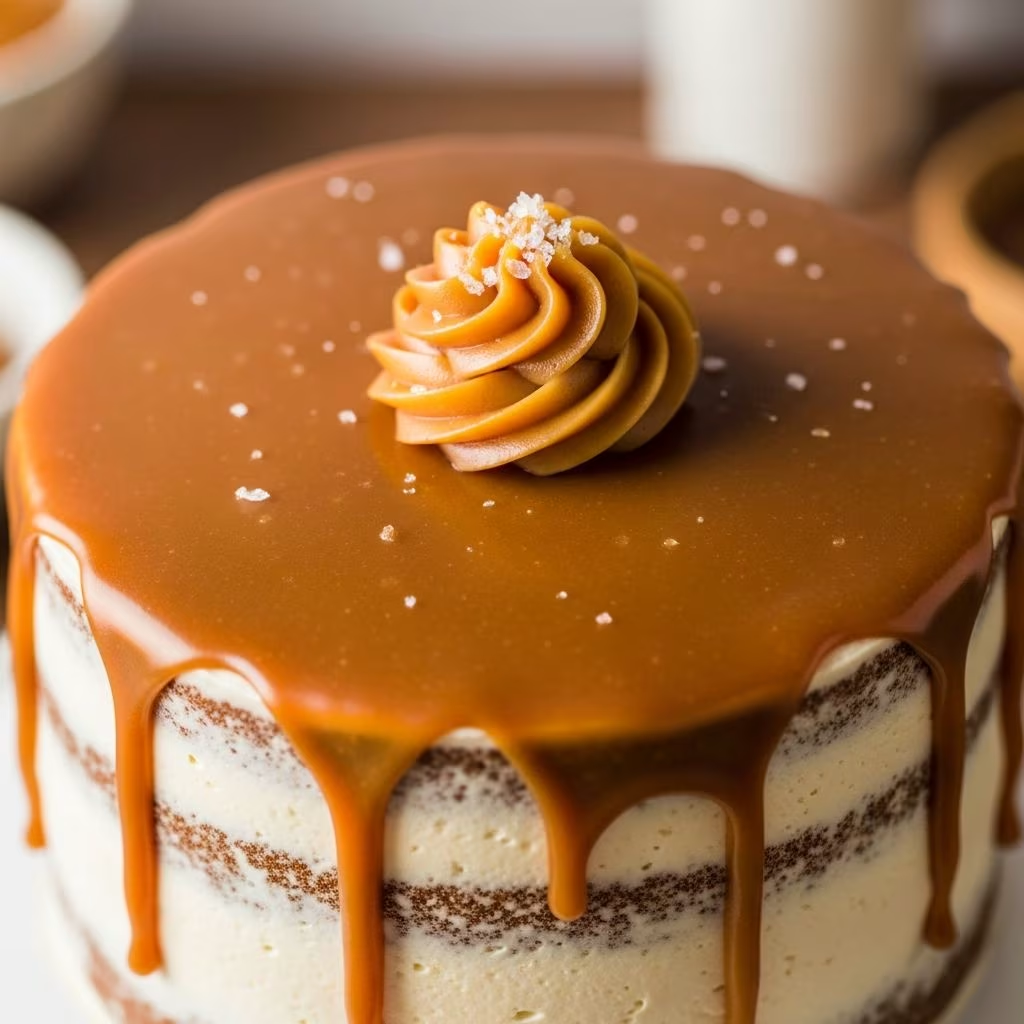
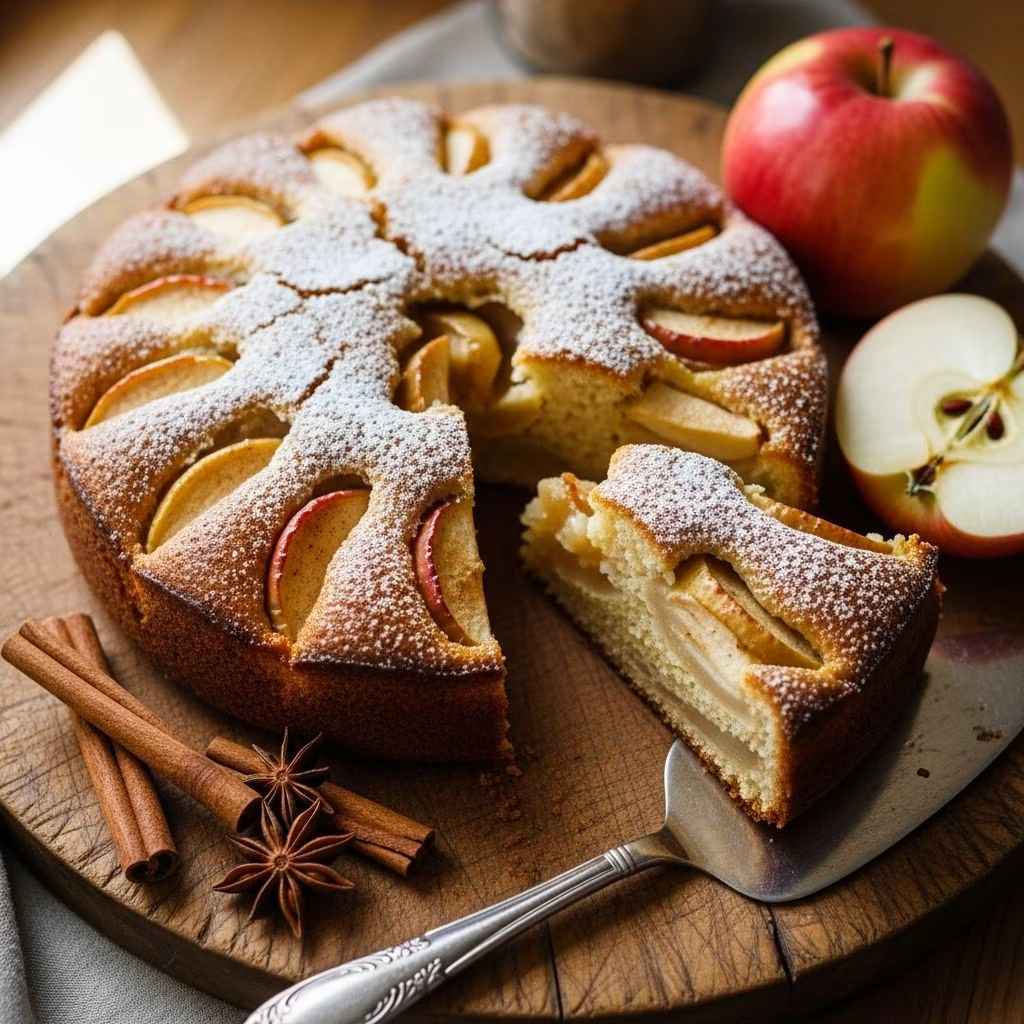
Confectioners’ sugar dusting adds visual interest without additional sweetness, while Caramel Drizzle creates sophisticated presentation suitable for special occasions.
Storage and Make-Ahead Strategies
Apple cake’s moisture content allows it to remain fresh for several days, making it an ideal make-ahead dessert. Room-temperature storage in an airtight container keeps cake fresh for 2-3 days, while refrigeration extends shelf life to 5-7 days. Many bakers report that apple cake actually improves after one day of storage, as flavors continue developing and moisture distributes evenly.
Freezing extends longevity significantly: unfrosted cake wrapped in plastic wrap and aluminum foil freezes successfully for up to three months. Frosted cakes should freeze solid before wrapping to prevent frosting damage. Thaw cakes at room temperature for 2-3 hours before serving to restore optimal texture and flavor.
Troubleshooting Common Apple Cake Challenges
| Problem | Likely Cause | Solution |
|---|---|---|
| Dense, Heavy Cake | Overmixing, incorrect leavening ratio, or apples too wet | Mix only until ingredients combine; drain apples if using applesauce; verify baking powder/soda quantities |
| Dry Cake | Overbaking, insufficient fat or liquid, or using whole wheat flour | Check for doneness early; verify ingredient measurements; ensure room-temperature eggs and dairy |
| Sunken Center | Oven temperature too high, underbaking, or excessive leavening | Use oven thermometer; bake until toothpick test shows done; measure leavening carefully |
| Burnt Edges, Raw Center | Oven hot spots or uneven heat distribution | Use oven thermometer; rotate pan halfway through baking; shield edges with foil if browning too quickly |
| Apple Pieces Disintegrate | Overmixing, cutting apples too small, or using overly soft varieties | Fold apples gently by hand; cut into ½-inch chunks; use firmer apple varieties |
Frequently Asked Questions
Can I Use Different Apple Varieties Together?
Absolutely—combining tart and sweet apples creates complexity. A 50/50 mixture of Granny Smith and Honeycrisp, for example, provides both tartness and natural sweetness with varied texture contributions.
What’s the Difference Between Apple Cake and Apple Pie?
Apple cakes incorporate apples throughout the batter, creating a uniform texture and consistent apple presence in every bite. Pie confines apples to a filling, creating distinct layers. Cake offers greater versatility for flavor combinations and easier portioning.
Can I Make This Recipe Dairy-Free?
Yes—substitute buttermilk with non-dairy alternatives, replace butter with vegetable oil, and use flax or aquafaba instead of eggs. Results may vary slightly from traditional versions.
How Far in Advance Can I Prepare This Cake?
Unfrosted apple cake remains fresh for 2-3 days at room temperature or up to a week refrigerated. Freeze unfrosted cakes for up to three months. Frost cakes no more than 24 hours before serving for best texture.
Should I Peel the Apples?
Yes—apple skin becomes tough during baking. Peeling ensures uniform texture throughout the cake and eliminates chewy pieces that interrupt the eating experience.
Conclusion: Mastering Apple Cake Baking
Creating an exceptional apple cake combines ingredient knowledge, proper technique, and attention to detail. By understanding how each component contributes to the final product—from flour’s role in structure to spices’ flavor complexity—you develop the foundation for consistent success. Whether you follow a traditional creaming method or embrace quick-bread simplicity, the principles remain constant: use quality ingredients, mix with intention, bake with awareness, and trust the process. As you develop comfort with apple cake construction, you’ll discover opportunities for personalization and creative exploration, transforming a classic recipe into your signature dessert.
References
- Sally’s Baking Addiction — Apple Cake Recipe — Sally McKenney. Accessed April 2026. https://sallysbakingaddiction.com/apple-cake/
- Sweetest Menu — Cinnamon Apple Cake — Sweetest Menu. Accessed April 2026. https://www.sweetestmenu.com/cinnamon-apple-cake/
- Once Upon a Chef — Apple Cake Recipe (A French Classic) — Jennifer Segal. Accessed April 2026. https://www.onceuponachef.com/recipes/french-apple-cake.html