Blueberry cobbler represents one of the most accessible yet satisfying desserts you can prepare in a home kitchen. With its warm, fruit-filled base and tender biscuit-like topping, this classic treat combines simplicity with genuine elegance. Whether you’re planning a casual family dinner or hosting a special gathering, understanding the fundamentals of cobbler construction will help you achieve consistently impressive results.
Understanding the Essence of Cobbler Baking
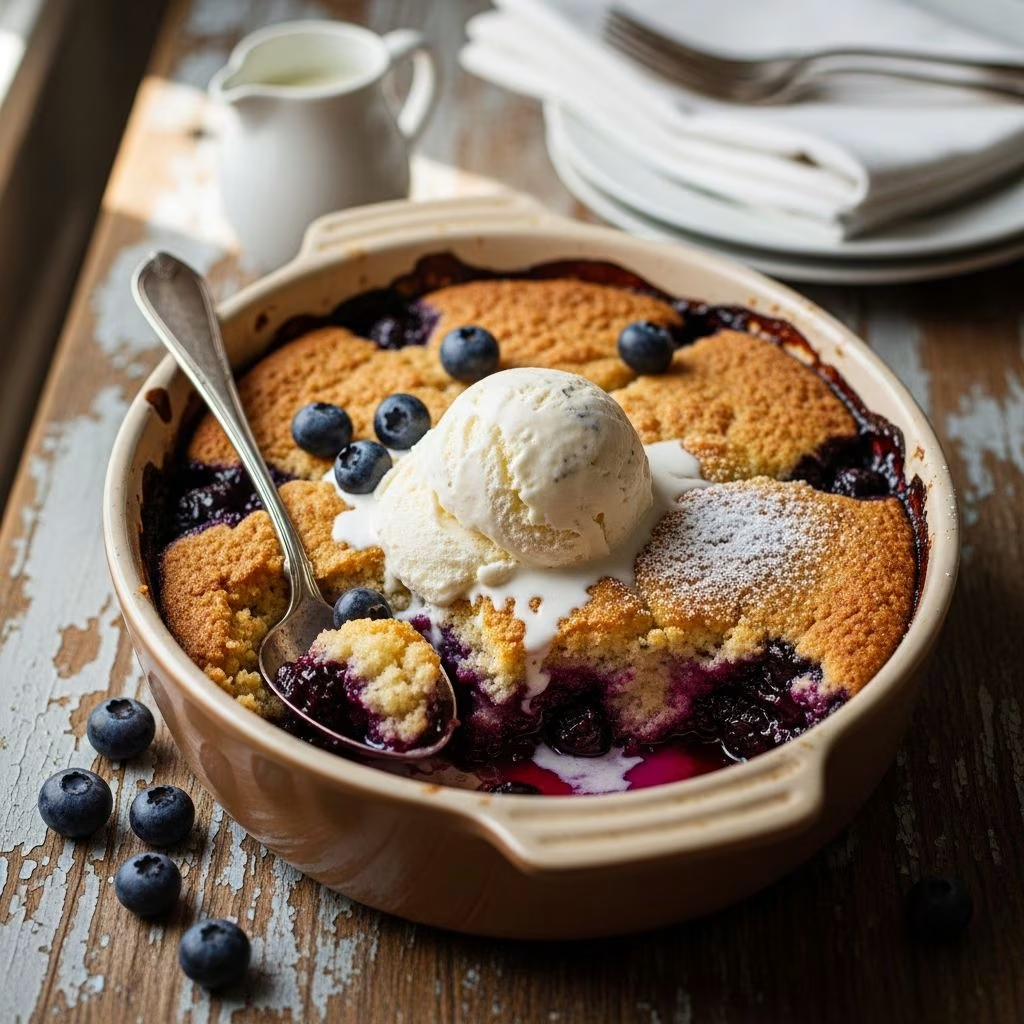
A cobbler differs from other fruit desserts in its distinctive structure and preparation method. The dessert features a generous filling of cooked fruit that bubbles beneath a thick, drop-style topping rather than a full crust. This particular design allows the fruit to maintain its moisture while developing concentrated flavors during baking. The name ‘cobbler’ itself likely derives from the appearance of its rustic, uneven topping, which resembles cobblestones when baked.
The beauty of cobbler-making lies in its forgiving nature. Unlike precisely measured pie doughs or delicate soufflés, cobblers welcome slight variations and adaptations. This accessibility makes the dessert particularly appealing to both novice bakers and experienced cooks seeking a reliable crowd-pleaser.
Essential Components and Their Functions
The Fruit Foundation
Blueberries form the core of this dessert, whether fresh or frozen. Fresh blueberries offer vibrant color and concentrated flavor, reaching peak availability during summer months. They release their juices gradually during baking, creating a naturally thickened sauce that clings to the fruit. Frozen blueberries provide year-round availability and often contain less juice initially, making them excellent for preventing excessive liquid in your finished cobbler. If using frozen berries, add them directly to the pan without thawing, as this prevents excess moisture from accumulating in the filling.
The typical proportion uses four to five cups of blueberries per cobbler, creating a fruit-to-topping ratio that ensures substantial berry flavor in every serving. Some bakers prefer adding a small amount of cornstarch or arrowroot to the fruit mixture to help achieve the ideal consistency—neither too watery nor overly thick.
Flavor Enhancement Ingredients
While blueberries deliver inherent sweetness, complementary flavors elevate the entire dessert experience. Lemon zest provides brightness that cuts through richness and emphasizes the fruit’s natural characteristics. A single teaspoon of finely grated lemon zest from a fresh lemon proves sufficient for most recipes. Some preparations include fresh lemon juice as well, typically one to two tablespoons, which adds both brightness and slight acidity.
A pinch of vanilla extract in either the fruit mixture or topping adds complexity without announcing itself as a distinct flavor. Ground cinnamon sprinkled over the topping creates visual appeal and warming spice notes that harmonize with blueberries particularly well.
The Binding and Liquid Components
Butter serves multiple purposes in cobbler construction: it prevents sticking to the baking dish, creates richness in the batter, and develops a golden crust during baking. Typically, six to twelve tablespoons of butter distributed between the pan base and topping creates the ideal texture. Melting this butter before adding other ingredients helps distribute it evenly throughout the batter.
Milk acts as the primary liquid in the topping mixture, combining with dry ingredients to create a thick, pourable batter. Whole milk produces richer results than lower-fat alternatives, though any milk type will work. The batter should have a consistency resembling thick pancake batter—pourable but substantial enough to partially submerge the fruit.
Building Your Cobbler: A Step-by-Step Process
Preparation Phase
Begin by preheating your oven to 350 degrees Fahrenheit, allowing adequate time for even heat distribution. Select a baking dish measuring either 8×8 inches or 9×13 inches, depending on your preferred cobbler depth and serving size. Nine by thirteen inch dishes yield approximately nine servings, while smaller dishes create thicker cobblers with a higher topping-to-filling ratio.
Place the measured butter into your chosen baking dish and position it in the preheating oven. Allow the butter to melt completely, watching carefully to prevent browning. Once melted, carefully remove the hot pan and set it aside.
Fruit Preparation
In a separate mixing bowl, combine your blueberries with sugar—typically one-quarter to one-half cup depending on berry sweetness and personal preference. Add your lemon zest and any optional juice. Stir gently to distribute sugar evenly without crushing the berries. If your berries are particularly large, slightly mashing a small portion creates natural thickening without requiring additional cornstarch.
Some recipes recommend allowing the fruit mixture to rest for several minutes, allowing the berries to release initial juices. This step isn’t mandatory but can help develop deeper flavors.
Topping Assembly
In a large mixing bowl, whisk together your dry topping ingredients: all-purpose flour, sugar, baking powder, and salt. The typical proportion uses one cup each of flour and sugar with two teaspoons of baking powder and one-quarter teaspoon of salt. These measurements can adjust slightly based on your specific recipe variation.
Create a well in the center of your dry mixture and pour in your milk and melted butter. Stir until just combined—the batter should appear slightly lumpy rather than completely smooth. Overmixing develops too much gluten, resulting in a dense, tough topping rather than the tender crumb desired in cobblers.
Assembly and Baking
Pour your fruit mixture directly into the pan containing melted butter, spreading it into an even layer. Drizzle or spoon your batter over the fruit surface, allowing it to partially sink while leaving gaps for steam to escape and fruit to bubble through. Don’t attempt to spread the batter into complete coverage—the rustic, uneven appearance is intentional.
Sprinkle ground cinnamon across the topping surface, adding both visual interest and aromatic warmth. For extra appeal, some bakers sprinkle coarse turbinado sugar over the topping before baking, creating subtle crunch and visual sparkle.
Place the cobbler in your preheated oven and bake for thirty-five to forty minutes, until the topping achieves light golden brown color and fruit juices bubble visibly around the edges. The exact timing depends on your oven’s characteristics and the dish size—smaller cobblers may finish closer to thirty-five minutes while larger ones might require forty minutes or slightly longer.
Variations and Creative Adaptations
Alternative Topping Approaches
While the pourable batter topping represents the most common preparation, biscuit-style toppings offer textural contrast. This method involves creating a thicker dough that’s formed into biscuits or dropped pieces, creating distinct layers between fruit and topping. These variations typically require additional dry ingredients and less milk, resulting in a dough that holds its shape rather than flowing across the fruit.
Mixed Berry Combinations
Blueberries pair beautifully with other berries, creating complex flavor profiles. Blackberries contribute earthiness, raspberries add tartness, and strawberries provide sweetness. Using two to three cups blueberries combined with one to two cups additional berries creates interesting flavor combinations while maintaining the cobbler structure.
Dietary Accommodations
Gluten-free flour blends substitute successfully for all-purpose flour when using one-to-one replacement varieties. Vegan preparations replace milk with plant-based alternatives and substitute butter with coconut oil or vegan butter. These adaptations require no technique adjustments and produce equally satisfying results.
Serving and Storage Considerations
Optimal Serving Approaches
Blueberry cobbler reaches peak flavor when served warm, approximately fifteen to twenty minutes after removal from the oven. This timing allows the topping to set slightly while the filling remains warm and fragrant. Serve directly from the baking dish into individual bowls, topping each portion with vanilla ice cream, whipped cream, or Greek yogurt for textural contrast.
Storage and Reheating
Covered cobbler maintains quality for three to four days when refrigerated. Reheat individual portions in a microwave for one to two minutes or warm the entire cobbler in a 300-degree oven for ten to fifteen minutes, covered with foil to prevent excessive browning. Frozen cobblers maintain quality for up to three months when properly wrapped, though the topping texture changes slightly upon thawing.
Troubleshooting Common Challenges
| Challenge | Likely Cause | Solution |
|---|---|---|
| Topping remains pale and dense | Oven temperature too low or underbaking | Verify oven temperature with separate thermometer; bake additional 5-10 minutes |
| Excessive liquid pooling in dish | Too much fruit juice or excess sugar | Reduce fruit quantity by half cup or add 1-2 tablespoons cornstarch to filling |
| Topping separates from fruit | Insufficient batter or fruit not evenly distributed | Ensure adequate batter quantity and level fruit layer before topping application |
| Burnt bottom crust | Oven rack position too low | Position rack in middle of oven; use baking sheet underneath if needed |
| Rubbery topping texture | Overmixing batter or overcooking | Mix only until ingredients combine; reduce baking time by 3-5 minutes |
Frequently Asked Questions About Blueberry Cobbler
Can I prepare cobbler batter in advance?
Yes, the topping batter maintains quality for up to twenty-four hours when refrigerated in an airtight container. The fruit filling also stores well overnight, though freshly combined filling offers superior texture. Assemble and bake when ready to serve.
What’s the difference between cobbler and crisp?
Cobblers feature thick, biscuit-like or cake-style toppings, while crisps use oat and nut crumble toppings. Cobblers bake longer and develop softer, more cake-like textures, while crisps remain crunchy throughout.
How do I prevent a soggy bottom crust?
Melting butter directly in the baking dish before adding fruit and topping helps create a protective layer. Alternatively, preheating an empty baking dish in the oven for five minutes before assembly prevents moisture absorption.
Can I use canned blueberries?
Canned blueberries work in cobblers, though fresh or frozen offer superior flavor and texture. If using canned berries, drain them thoroughly and reduce additional sugar by one-quarter cup to account for syrup.
What baking dish material works best?
Glass and ceramic dishes conduct heat evenly and allow monitoring of bottom browning. Metal pans heat faster and may require temperature reduction by twenty-five degrees. Avoid dark nonstick pans, which brown the bottom excessively.
Final Thoughts on Blueberry Cobbler Mastery
Creating an exceptional blueberry cobbler requires understanding basic principles rather than strict adherence to complex techniques. The flexibility of cobbler recipes encourages experimentation while fundamental proportions remain consistent. Whether preparing your first cobbler or refining techniques developed over years, this classic dessert rewards attention to detail with warm, satisfying results that appeal to virtually every palate. The combination of simple ingredients, straightforward preparation, and impressive presentation makes blueberry cobbler an ideal choice for both everyday family meals and special occasions.
References
- Old Fashioned Blueberry Cobbler — Tastes Better from Scratch. 2024. https://tastesbetterfromscratch.com/blueberry-cobbler/
- Blueberry Cobbler (the BEST topping) — Celebrating Sweets. 2024. https://celebratingsweets.com/blueberry-cobbler/
- Texas-Style Blueberry Cobbler — Modern Honey. 2024. https://www.modernhoney.com/texas-style-blueberry-cobbler/
- Healthy Blueberry Cobbler — Erin Lives Whole. 2024. https://www.erinliveswhole.com/healthy-blueberry-cobbler/
- Easy Blueberry Cobbler Recipe — The Kitchen Docs. 2024. https://kitchendocs.com/blueberry-cobbler/