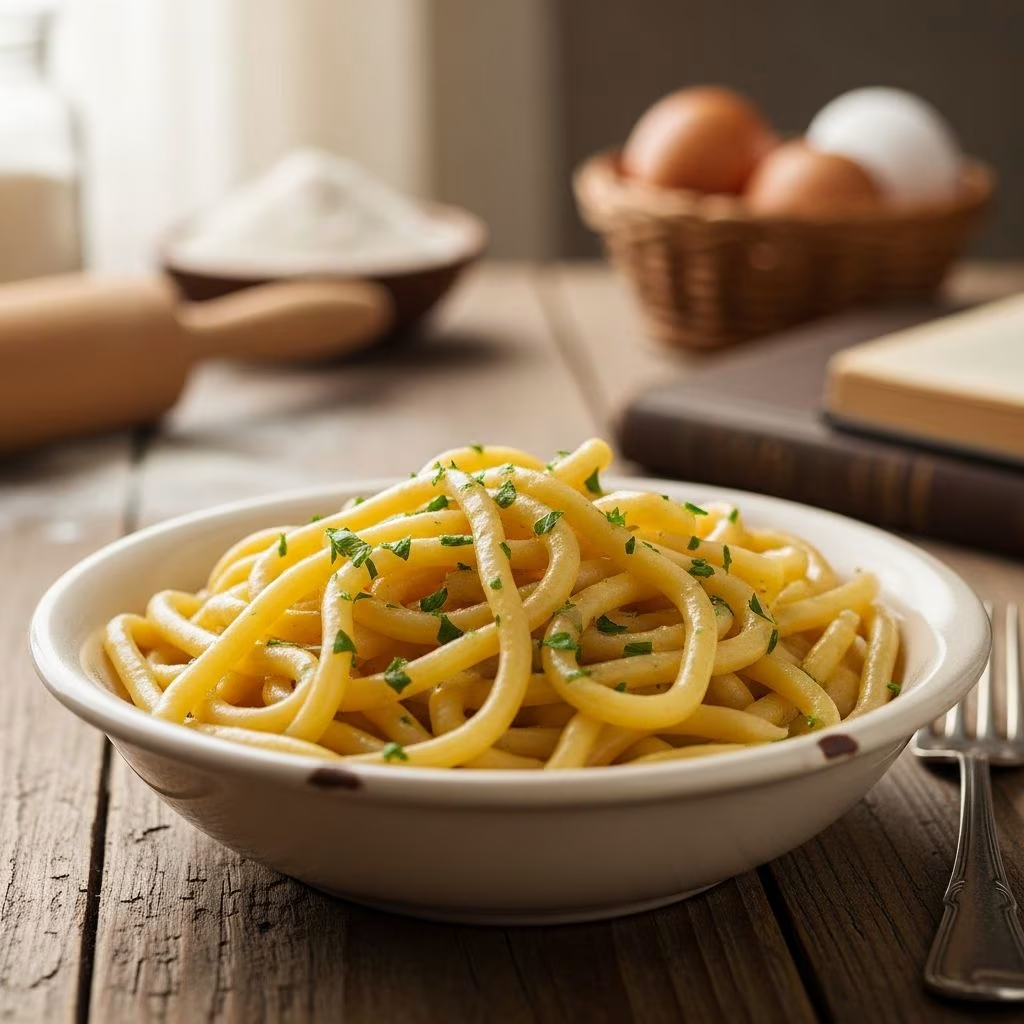
Amish cuisine represents generations of culinary tradition centered around wholesome ingredients and straightforward preparation methods. Among the most beloved dishes from this heritage is the buttered egg noodle recipe, a dish that exemplifies how minimal ingredients can create maximum flavor and satisfaction. This particular preparation method has been passed through families for decades, gaining popularity beyond Amish communities as people discover its remarkable simplicity and comforting appeal.
The beauty of Amish buttered egg noodles lies in its philosophy of cooking. Rather than relying on complex techniques or exotic components, this dish demonstrates how proper method and quality basics can transform a humble meal into something truly memorable. The recipe requires only a handful of ingredients found in virtually every pantry, yet produces results that rival more complicated preparations.
Core Components and Ingredient Selection
Creating authentic Amish buttered egg noodles begins with understanding the role each ingredient plays in the final dish. While the ingredient list appears minimal, each component serves a distinct purpose in building layers of flavor and achieving the characteristic texture.
Butter as a Foundational Element
Butter serves as more than just a cooking medium in this recipe. The preparation involves browning the butter, which intensifies its flavor profile significantly. This browning process, typically lasting 4-5 minutes, transforms butter from a neutral fat into a complex ingredient with nutty, caramelized notes. The browning requires attention and care, as the line between golden brown and burnt happens quickly. Once the butter achieves that golden hue and releases its distinctive nutty aroma, it becomes ready for the next cooking phase.
Chicken Broth and Bouillon
These two components work together to infuse the noodles with savory depth. The bouillon cube concentrates chicken flavor into a compact form, acting as a flavor amplifier that would be difficult to achieve with broth alone. The combination of both creates a cooking liquid that penetrates the pasta during the standing phase, resulting in noodles that are seasoned throughout rather than simply coated on the surface.
Egg Noodles: The Foundation
Standard egg noodles, whether purchased from conventional grocery stores or specialty sources, work equally well in this preparation. The recipe accommodates both regular and extra-wide varieties. The key is using pasta that can absorb liquid without becoming mushy, which egg noodles handle particularly well due to their composition and structure.
The Distinctive Cooking Methodology
What separates this recipe from typical pasta dishes is the unconventional cooking method. Rather than boiling noodles in rapidly rolling water and draining them, this approach uses a residual heat technique that creates a distinctly different texture and flavor outcome.
Initial Preparation and Browning Phase
Begin by placing butter in a large saucepan and heating over medium temperature. As the butter melts, it progresses through several stages. Initially, it becomes translucent, then begins to foam. This foaming indicates water evaporating from the butter. Continual attention—swirling or stirring occasionally—prevents uneven browning and burning. The process takes approximately 4-5 minutes, at which point the butter develops a rich golden-brown color and characteristic nutty fragrance.
Building the Cooking Liquid
Once the butter reaches proper browning, remove the pan from heat and add the bouillon cube. Stir thoroughly until the cube dissolves completely into the broth. This step ensures even distribution of flavor throughout the cooking liquid. Then add the chicken broth and return the pan to the burner, bringing the mixture to a boil. This boiling point ensures the liquid reaches the right temperature for the noodles.
The Critical Resting Phase
After adding the uncooked egg noodles and bringing the mixture to a boil again, cover the pot with a lid and immediately turn off the heat. This is where the method diverges significantly from conventional pasta cooking. Rather than maintaining a boil, the noodles cook in the residual heat with the pot remaining on the burner. This gentler cooking environment, lasting approximately 30 minutes, allows the noodles to absorb the flavored broth gradually while remaining on the warm burner.
The standing phase requires periodic attention. Stirring every 10 minutes prevents sticking and ensures even cooking throughout the pot. This gentle agitation, combined with the covered environment trapping steam, creates the signature fluffy texture Amish noodles are known for achieving.
Ingredient Specifications and Measurements
| Ingredient | Amount | Notes |
|---|---|---|
| Butter | 2-6 tablespoons | Use more for enhanced richness; brown for nutty flavor |
| Chicken Broth | 28 ounces | Approximately 3.5 cups; can substitute vegetable broth |
| Chicken Bouillon Cube | 1 cube | Provides concentrated chicken flavor |
| Egg Noodles | 12 ounces | Regular or extra-wide varieties work well |
| Salt | To taste | Add after cooking based on preference |
Equipment Requirements
This recipe demands minimal equipment, making it accessible for any cook. A large saucepan or pot with a well-fitting lid is essential. The pot must be large enough to accommodate the noodles and liquid without overflowing during the boiling phase. A wooden spoon for stirring helps prevent scratching non-stick surfaces if applicable.
Timing and Meal Planning
From start to finish, this recipe typically requires 45 minutes, with the majority of that time being passive cooking during the standing phase. Actual active preparation and monitoring takes only about 10-15 minutes. This makes it an excellent choice for weeknight dinners or meal planning when time is limited. The preparation can begin shortly before other meal components need attention, with minimal interruption required once the noodles begin resting.
Flavor Development and Variations
While the basic recipe remains simple, several approaches can enhance or modify the flavors. Adding fresh herbs such as parsley, thyme, or dill after cooking introduces color and additional layers of taste. Grated Parmesan cheese stirred in after cooking adds umami depth. Some preparations include caramelized onions cooked separately and folded in just before serving.
For those seeking protein integration, cooked and shredded chicken easily converts this side dish into a complete main course. Similarly, sautéed mushrooms complement the buttery broth beautifully. These variations maintain the recipe’s simplicity while expanding its versatility.
Serving Strategies and Pairing Suggestions
Amish buttered egg noodles function beautifully as a side dish accompanying various entrees. They pair particularly well with braised meats, roasted poultry, or simple grilled proteins. The buttery richness complements rather than competes with main dishes. The warm, comforting nature of the noodles makes them especially suitable for cooler months and family-style dining.
The noodles retain warmth well after cooking, staying suitable for serving for approximately 20 minutes when left covered in the pot. This quality makes them practical for households with staggered meal times or when cooking multiple components.
Storage and Make-Ahead Considerations
Leftover Amish buttered noodles store well in airtight containers in the refrigerator for up to four days. Reheating can be accomplished by gently warming on the stovetop over low heat with a splash of additional broth to restore moisture. Microwave reheating works but may result in uneven warming. These noodles do not freeze well due to texture changes that occur during freezing and thawing.
Troubleshooting Common Challenges
If noodles finish cooking before 30 minutes have elapsed, they may be slightly softer than desired. Testing for doneness after 25 minutes allows for early removal if necessary. Conversely, if noodles remain firm after the full 30 minutes, turning the heat on briefly for 1-2 minutes completes the cooking process. This flexibility accommodates different pasta brands and thickness variations.
Burning the butter during the browning phase represents the most common mishap. Maintaining medium heat and removing from heat immediately upon achieving the golden color prevents this issue. If butter does burn, simply start over with a fresh batch rather than attempting to salvage burnt butter.
Uneven cooking sometimes results from insufficient stirring during the resting phase. Regular stirring every 10 minutes ensures all noodles experience consistent exposure to the flavorful broth and heat.
Understanding the Heritage Behind This Dish
Amish cooking traditions emphasize seasonal ingredients, minimal waste, and cooking methods that maximize resource efficiency. This noodle recipe reflects those values perfectly. The method of cooking pasta in broth rather than water eliminates the need to discard starchy water while simultaneously infusing the noodles with flavor. This approach conserves both resources and time while creating superior flavor compared to traditional pasta cooking.
Frequently Asked Questions
Can I use store-bought broth alternatives?
Yes, vegetable broth works as a substitute, though it will produce a subtly different flavor profile. Homemade broth provides the deepest flavor but requires advance preparation. The quality of broth chosen directly impacts the final dish’s taste.
What if I don’t have chicken bouillon cubes?
Powdered bouillon or liquid chicken base can substitute, though adjusting quantities may be necessary to prevent over-salting. The concentrated flavor of bouillon cubes is harder to replace, but these alternatives provide acceptable results.
Can this recipe scale for larger gatherings?
Yes, proportions maintain consistency when doubled or tripled. Ensure the cooking pot is sufficiently large, and extend the standing time slightly if cooking much larger quantities.
Are there dietary modifications available?
Vegan butter and vegetable broth create a plant-based version. Gluten-free egg noodles accommodate those with celiac disease or gluten sensitivity.
References
- Amish Buttered Egg Noodles — Brooklyn Farm Girl. 2024. https://brooklynfarmgirl.com/amish-buttered-noodles/
- Creamy Amish Butter Noodles are Old Fashioned Goodness — Upstate Ramblings. 2024. https://www.upstateramblings.com/amish-noodles/
- The Easiest Amish Egg Noodles Recipe — Buns In My Oven. 2024. https://www.bunsinmyoven.com/amish-egg-noodles/