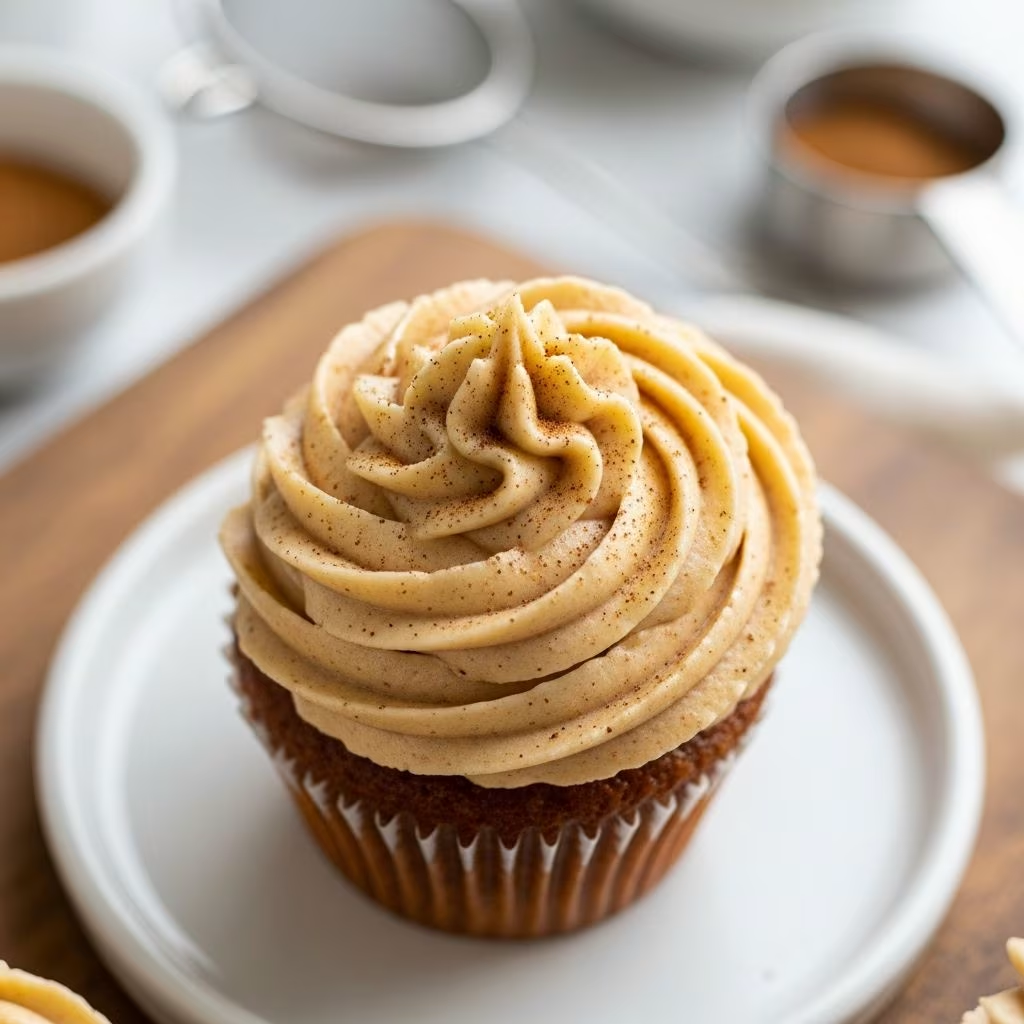
Allspice cream cheese frosting represents a sophisticated fusion of tangy richness and warm spice notes that transforms ordinary baked goods into memorable treats. This versatile frosting combines the characteristic brightness of cream cheese with the complex flavor profile of allspice, creating a topping that works beautifully on spice cakes, cupcakes, cookies, and layer cakes. Whether you’re a seasoned baker or beginning your frosting journey, understanding the fundamentals of this recipe ensures consistent, professional-quality results.
Understanding the Core Components
The foundation of exceptional allspice cream cheese frosting rests on understanding each ingredient’s role in the final product. Cream cheese provides the essential tangy undertone and creamy texture that distinguishes this frosting from traditional buttercream options. The dairy component contributes moisture and a slight acidity that balances sweetness while creating a luxurious mouthfeel. Butter adds richness and helps establish the frosting’s structure, allowing it to hold its shape when piped or spread. Powdered sugar sweetens the mixture while its fine texture dissolves seamlessly into the base ingredients. Allspice brings complexity through its unique blend of cinnamon, nutmeg, and clove notes, adding warmth without overwhelming the cream cheese’s distinctive character.
Essential Ingredients and Precise Measurements
Creating consistent, delicious frosting begins with accurate ingredient selection and measurement. The following ingredients form the foundation of a standard batch suitable for frosting a 9×13 inch cake or approximately two dozen cupcakes:
- 8 ounces cream cheese, brought to room temperature
- ½ cup unsalted butter, softened completely
- 3 to 4 cups powdered sugar, sifted if lumpy
- 1½ to 2 teaspoons ground allspice, measured accurately
- 1 teaspoon vanilla extract or vanilla bean paste
- ¼ teaspoon fine sea salt or kosher salt
- 1 to 2 tablespoons heavy cream or whole milk, as needed for consistency
Temperature control represents a critical factor often overlooked by novice bakers. Both cream cheese and butter must reach room temperature before combining. Cold ingredients fail to blend smoothly, resulting in lumpy, grainy frosting with an unappealing texture. Remove these items from refrigeration 30 to 60 minutes before beginning your frosting preparation, depending on your kitchen’s ambient temperature.
Step-by-Step Preparation Method
Successful frosting creation follows a methodical progression that builds flavor and texture systematically. Begin by adding softened butter and cream cheese to a large mixing bowl. Using an electric hand mixer set to medium-high speed or a stand mixer fitted with the paddle attachment, beat the two base ingredients for approximately one minute. This initial phase incorporates air and creates a light, fluffy foundation. The mixture should appear smooth and creamy without any visible cream cheese or butter streaks.
Next, reduce mixer speed to low and gradually introduce half of your measured powdered sugar. This gradual approach prevents powdered sugar clouds from escaping the bowl and ensures even distribution. Continue mixing for 30 to 45 seconds until the sugar fully incorporates and the mixture returns to a smooth consistency. Increase speed to medium and add vanilla extract, allspice, and salt simultaneously. Mix thoroughly for 15 to 20 seconds, ensuring the spices distribute evenly throughout the frosting base.
Finally, on low speed, add the remaining powdered sugar gradually while monitoring the frosting’s consistency. Stop adding sugar when you reach your desired texture. If the frosting appears too thick, incorporate heavy cream or milk one tablespoon at a time. Conversely, if the frosting seems too soft, add additional powdered sugar in small increments. Scrape down the bowl’s sides and bottom with a rubber spatula every 30 seconds to ensure even mixing and prevent ingredient pockets.
Texture and Consistency Optimization
Achieving the perfect frosting consistency depends on your intended application and personal preference. For spreading applications on layer cakes, a slightly stiffer consistency prevents crumb penetration and layers from shifting. For piping decorative borders or rosettes on cupcakes, a medium-firm texture that holds peaks without becoming rigid works optimally. Drop-consistency frosting, which flows from a spoon slowly, suits filling applications and smoother, less structured decorative styles.
The ambient temperature of your workspace influences frosting behavior significantly. Warm kitchens may require refrigeration intervals during application, while cool environments allow extended working time. If your frosting becomes too soft during preparation, refrigerate it for 10 to 15 minutes and re-beat lightly before continuing. Conversely, if refrigerated frosting becomes too firm for application, allow it to rest at room temperature for 5 to 10 minutes and stir gently to restore workability.
Customizing Flavor Profiles
While traditional allspice cream cheese frosting excels on its own, several modifications enhance its versatility for different baked goods and personal preferences. Increasing allspice content to 2 teaspoons creates a more pronounced spiced character suitable for bold fall-themed cakes. Reducing allspice to 1 teaspoon and incorporating ¼ teaspoon ground nutmeg or ⅛ teaspoon ground cloves introduces subtle complexity while maintaining balance.
For brown butter variations, melt butter separately, allow it to cool slightly while the solids settle, and use only the clarified liquid portion combined with the desired volume of solid butter. This modification adds nutty undertones that complement allspice beautifully. Citrus-inspired versions incorporate 1 to 2 teaspoons of fresh lemon or orange zest, adding brightness that cuts through richness and accentuates spice notes.
Storage and Shelf Life Considerations
Proper storage extends frosting usability and maintains quality. Refrigerated frosting keeps safely for up to two weeks in an airtight container. Before using refrigerated frosting, remove it from cold storage and allow it to reach room temperature, approximately 30 to 45 minutes depending on thickness. Gently stir or re-beat on low speed to restore smooth texture and working consistency. Frosting applied to cakes or cupcakes should have those items refrigerated as well, as the cream cheese base requires cold temperatures to prevent spoilage.
Freezer storage extends shelf life to three months. Transfer frosting to freezer-safe containers, leaving minimal headspace to prevent crystallization. Thaw frozen frosting overnight in the refrigerator before allowing it to return to room temperature. Some separation may occur during thawing; gentle stirring or brief re-beating restores homogeneity. Cakes frosted with this topping freeze exceptionally well, maintaining quality for two to three months when wrapped properly in plastic wrap and aluminum foil.
Common Challenges and Solutions
| Challenge | Cause | Solution |
|---|---|---|
| Grainy or lumpy texture | Cold or incompletely softened cream cheese and butter | Allow ingredients to reach room temperature before mixing; re-beat mixture gently after adding room-temperature ingredients |
| Frosting too soft or runny | Excessive liquid or warm environment | Refrigerate for 15-20 minutes; add additional powdered sugar gradually |
| Frosting too thick or stiff | Insufficient liquid or over-mixing | Add cream or milk one teaspoon at a time; gently fold additions into frosting |
| Separation or weeping | Over-beating or temperature fluctuation | Avoid mixing on high speed; maintain consistent temperatures during preparation and storage |
| Dull spice flavor | Old allspice or insufficient quantity | Use fresh allspice; increase measurement to 1.5-2 teaspoons for enhanced flavor |
Application Techniques for Different Baked Goods
Different desserts benefit from tailored application approaches. For layer cakes, use an offset spatula to spread frosting evenly between layers, applying approximately ¾ cup per layer. Crumb-coating—applying a thin initial frosting layer followed by refrigeration before final frosting—prevents cake particles from mixing with visible frosting. For cupcakes, piping frosting into decorative swirls and peaks creates professional presentation. Using a piping bag fitted with a large star tip creates traditional rustic swirls, while smaller round tips allow precise detailing.
Cookie frosting benefits from slightly thinner consistency achieved by incorporating additional milk or cream. This allows frosting to spread smoothly without leaving visible piping marks. For filled pastries or sandwich cookies, achieve a stiffer consistency by reducing liquid additions, ensuring frosting remains between layers without squeezing out during assembly.
Pairing with Complementary Baked Goods
Allspice cream cheese frosting complements numerous baking applications beyond spice cakes. Rich carrot cakes benefit from this frosting’s tanginess, which balances sweetness and natural vegetable notes. Apple cakes and applesauce cakes create harmonious flavor combinations where spice elements reinforce one another. Ginger-based cakes, including traditional gingerbread, develop greater complexity when topped with allspice-infused frosting.
Pumpkin desserts transition seamlessly from traditional cream cheese frostings to allspice variations, maintaining seasonal character while introducing nuanced flavor depth. Pecan and walnut cakes gain sophistication through this frosting’s warm spice profile. Even chocolate cakes featuring warm spices—particularly those incorporating cinnamon or chili powder—pair beautifully with allspice cream cheese frosting, creating unexpected flavor harmonies.
Professional Baking Tips and Best Practices
Elevating frosting quality requires attention to detail and consistent technique. Sifting powdered sugar before measuring prevents lumps and ensures even sweetness distribution throughout the frosting. Using a kitchen scale for ingredient measurement rather than volume cups improves consistency, as powdered sugar density varies based on packing and humidity. Vanilla bean paste, substituted for extract in equal portions, provides superior vanilla flavor and creates aesthetic appeal through visible vanilla specks.
Microplaning fresh nutmeg into frosting adds aromatic complexity beyond commercial ground spices. Toasting whole allspice berries and grinding them fresh intensifies flavor compared to pre-ground varieties. Keeping a damp kitchen towel nearby allows quick cleanup around the bowl’s rim and mixer attachments, preventing dried frosting from interfering with texture and consistency observations.
Frequently Asked Questions
Can allspice cream cheese frosting be made without a mixer?
Yes, though it requires more effort. Allow ingredients to reach room temperature completely. Using a wooden spoon and vigorous hand-mixing for 3-5 minutes creates acceptable frosting, though slight lumps may remain. Electric mixers produce superior texture and incorporate air more efficiently, resulting in lighter, fluffier frosting.
What causes frosting to become grainy after refrigeration?
Grainy texture typically results from moisture separation or crystallization during temperature fluctuation. Ensure ingredients were at proper temperature before mixing. Avoid opening the refrigerator frequently, which causes temperature fluctuations. If graininess occurs, gently re-beat the frosting at room temperature for 30-60 seconds to restore smoothness.
Can this frosting be tinted with food coloring?
Absolutely. Gel-based food coloring works best, as liquid colorings may alter frosting consistency. Add coloring one drop at a time, mixing thoroughly between additions until desired shade appears. The cream cheese base accepts color evenly, creating pastel tones suitable for decorative applications.
How does this frosting compare to traditional cream cheese frosting?
Allspice-infused frosting introduces warm spice complexity beyond standard cream cheese frostings while maintaining characteristic tanginess and creamy texture. The addition creates more pronounced flavor suitable for fall-themed and spiced baked goods. Standard frosting provides neutral versatility for broader applications.
Can dairy-free alternatives substitute for cream cheese and butter?
Dairy-free cream cheese and butter-substitutes produce acceptable frosting with modified flavor and texture characteristics. Plant-based alternatives generally lack the same tanginess as dairy cream cheese, requiring lemon juice or vinegar additions for balance. Results vary by product; testing small batches before full-scale use is recommended.
Conclusion
Allspice cream cheese frosting represents an accessible yet sophisticated frosting option that elevates baking projects through warm spice integration and creamy richness. Mastering this recipe’s fundamentals—proper ingredient temperature, methodical mixing, and appropriate consistency adjustment—produces professional-quality results suitable for home bakers and experienced decorators alike. Experimentation with flavor modifications and application techniques reveals frosting versatility across diverse baked goods. Whether adorning simple cupcakes or elaborate layered cakes, allspice cream cheese frosting consistently delivers memorable flavor combinations that celebrate the artistry of thoughtful baking.
References
- Understanding Cream Cheese Composition and Function in Baking — U.S. Food and Drug Administration (FDA). 2024. https://www.fda.gov/food
- Allspice: Flavor Chemistry and Culinary Applications — International Organization for Standardization (ISO). 2023. https://www.iso.org
- Temperature Effects on Emulsion Stability in Dairy Frostings — Journal of Food Science, Institute of Food Technologists. 2024. https://onlinelibrary.wiley.com/journal/1750-3841