Transform humble alliums like garlic, onions, leeks, and shallots into a versatile kitchen staple through the gentle art of confit. This slow-cooking technique, using low heat and oil, yields incredibly tender textures and intensified flavors that can elevate any dish. Whether you’re a home cook seeking pantry essentials or a chef experimenting with gourmet touches, allium confit offers endless possibilities.
Understanding the Essence of Allium Confit
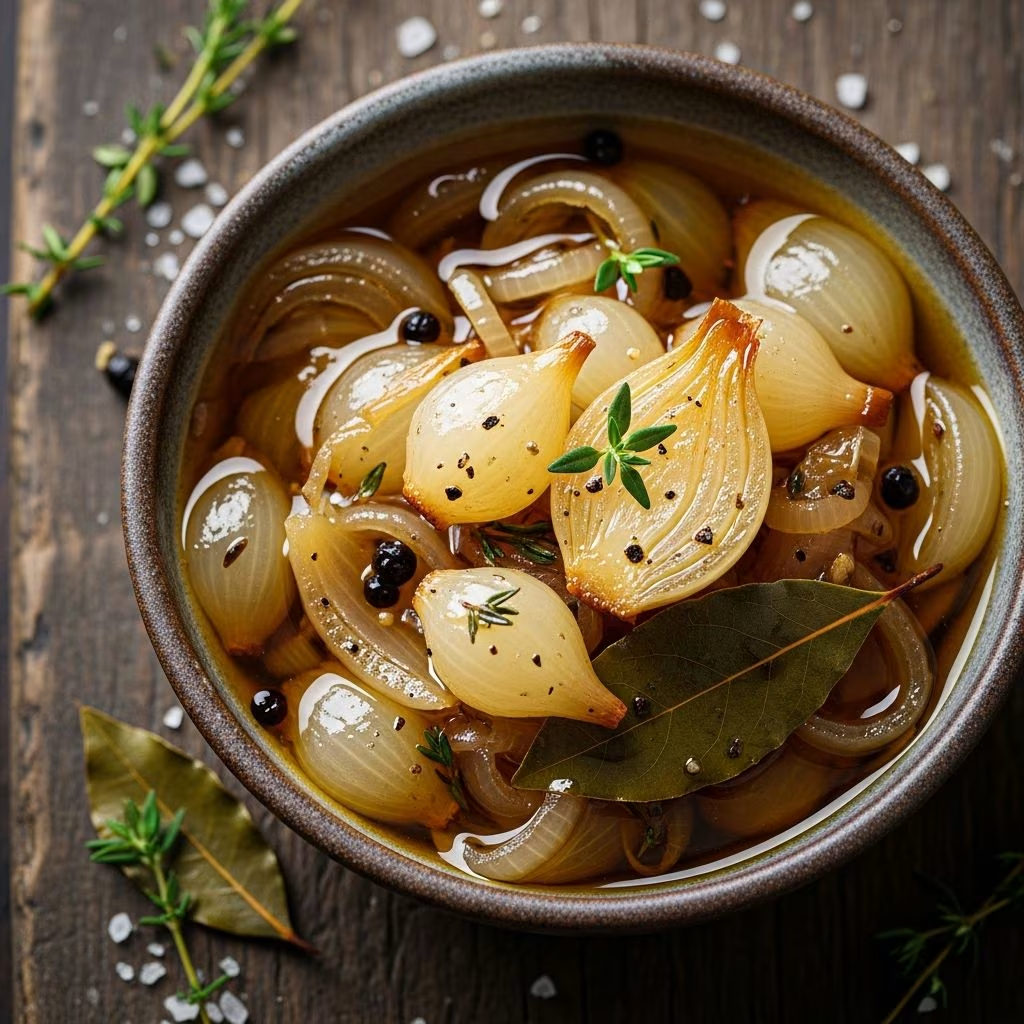
Alliums—members of the genus Allium, including garlic, onions, leeks, and shallots—share a pungent, savory profile that mellows beautifully when confit-ed. Confit, derived from the French word for ‘preserve,’ traditionally involves cooking in fat at low temperatures to achieve preservation and tenderness. For alliums, olive oil serves as the ideal medium, infusing the vegetables with richness while extracting their natural sugars and aromas.
This method dates back centuries, used for meats but perfectly suited to vegetables. The low-and-slow approach, typically around 200-250°F, breaks down tough fibers without browning, resulting in a spreadable consistency akin to luxurious butter. Unlike quick sautés, confit develops deep umami, making it a transformative preparation.
Essential Ingredients for Perfect Confit
Building a stellar allium confit starts with quality components. Focus on fresh, firm alliums for optimal flavor release.
- Primary Alliums: Whole garlic cloves (peeled or unpeeled), halved shallots, sliced leeks (white parts), pearl onions, or green onions.
- Oil Base: Extra-virgin olive oil is king for its fruity notes; neutral oils like avocado work for milder profiles.
- Aromatics: Fresh herbs (thyme, oregano, rosemary), citrus peels or slices, chili flakes, bay leaves, or spices like saffron for complexity.
- Seasonings: Sea salt, black peppercorns, or fennel seeds to enhance natural sweetness.
Quantities vary: aim for enough oil to submerge ingredients fully, typically 1-2 cups per pound of alliums. Freshness ensures vibrant results; avoid sprouted garlic or wilted leeks.
Step-by-Step Guide to Making Allium Confit
Mastery comes with practice. Here’s a foolproof method yielding about 2 cups.
- Prep Alliums: Peel garlic cloves, halve shallots lengthwise, slice leeks thinly (rinse thoroughly), trim green onions. Uniform sizing promotes even cooking.
- Sauté for Depth (Optional): In a skillet, warm 2 tablespoons oil over medium heat. Add leeks and shallots; cook 3-4 minutes until fragrant and lightly golden. This step, inspired by pro techniques, concentrates flavors.
- Assemble in Dish: Transfer to an oven-safe baking dish (8×6 inches works). Nestle in garlic halves, lemon slices, pricked cherry tomatoes if desired, herbs, and spices.
- Add Oil and Cover: Pour oil to cover (add more if needed). Seal tightly with foil.
- Bake Low and Slow: Preheat oven to 250°F (120°C). Bake 1.5-2 hours until alliums are fork-tender and oil is fragrant. Garlic should melt like butter; leeks fully softened.
- Cool and Store: Let rest 10 minutes covered. Cool to room temp, then refrigerate in a jar. Lasts 2 weeks chilled or months if sterilized.
Pro Tip: Use a rimmed sheet pan under the dish to catch drips.
Flavor Variations to Suit Every Palate
Customize your confit for seasonal or thematic meals. Experiment boldly—the oil becomes a flavored elixir.
| Variation | Key Additions | Best Pairings |
|---|---|---|
| Classic Garlic | Thyme sprigs, bay leaf | Bread dips, pasta |
| Spicy Leek | Red pepper flakes, garlic | Tacos, eggs |
| Citrus Shallot | Lemon slices, saffron pinch | Seafood, salads |
| Herbed Onion | Oregano, rosemary | Stews, roasts |
| Tomato-Allium | Pricked cherry tomatoes | Pizza, bruschetta |
These twists build on foundational recipes, adding layers without overpowering the alliums’ essence.
Storage, Safety, and Shelf Life
Proper storage is crucial for safety. Submerged in oil, confit resists bacteria, but follow guidelines:
- Refrigeration: Store in clean glass jars; oil solidifies—warm gently to use.
- Freezing: Portion into ice cube trays for easy access; thaw overnight.
- Botulism Prevention: Always refrigerate; discard if oil smells off or bubbles form. Use within 2 weeks for freshness.
- Reheating: Low oven (300°F) or stovetop simmer revives texture.
Home canning experts recommend acidifying with lemon juice for longer shelf life, aligning with USDA low-acid guidelines.
Creative Ways to Use Allium Confit in Your Kitchen
Allium confit’s versatility shines in daily cooking. The oil alone is a flavor bomb.
Appetizers and Snacks
Smear confit garlic on crusty bread with flaky salt. Mix mashed confit with cream cheese for a dip. Top flatbreads with shallot confit, tomatoes, and herbs for instant crostini.
Main Dishes and Sides
Stir into pasta sauces for silkiness. Blend leeks with yogurt for a tangy spread. Roast chicken with confit onions—juices mingle divinely. Elevate soups by swirling in at the end.
Sauces, Dressings, and Marinades
Puree garlic confit with tahini for aioli. Infuse vinaigrettes with shallot oil. Marinate fish in citrus confit oil before grilling.
Baking and Breakfast Boosts
Fold into focaccia dough. Crown avocado toast. Whisk into omelets for melt-in-mouth luxury.
Nutritional Profile and Health Benefits
Beyond taste, allium confit packs nutrition. Garlic’s allicin (anti-inflammatory) survives gentle cooking. Onions provide quercetin, an antioxidant. Olive oil adds heart-healthy monounsaturates. A 1-tablespoon serving offers fiber, vitamins C and B6, with modest calories (120 from oil). Moderation key due to fat content; enhances veggie intake creatively.
Troubleshooting Common Confit Pitfalls
Encounter issues? Fixes here:
- Too Firm: Extend bake time 30 minutes; ensure full submersion.
- Bitter Taste: Avoid high heat; preheat oil slowly.
- Oil Separation: Blend before storing; shake jar.
- Mushy Texture: Check sizes; larger pieces hold shape.
Scaling Up for Batch Cooking
Prep for holidays: Double recipes in larger pans. A 3-pound allium batch (garlic, leeks, shallots) with 4 cups oil and herbs like thyme (6 sprigs) and oregano yields feasts. Bake 2-3 hours at 250°F. Portion for gifts—sterilize jars first.
Pairing Confit with Global Cuisines
Adapt worldwide: Mediterranean (with feta), Mexican (tacos al pastor), Indian (dal swirl), French (escargot sub).
Frequently Asked Questions (FAQs)
What is allium confit?
A preservation technique slow-cooking alliums in oil for tenderness and flavor.
Can I use other oils?
Yes; olive best, but grapeseed or duck fat for variety.
How long does it last?
2 weeks refrigerated; freeze for months.
Is it safe at room temperature?
No—always refrigerate to prevent botulism.
Vegan-friendly?
Absolutely; plant-based throughout.
Advanced Techniques for Confit Enthusiasts
Sous-vide at 185°F for 4 hours offers precision. Infuse with smoked paprika post-cook. Dehydrate confit for powders—grind dried alliums for seasoning.
Experiment with hybrids: bean-allium confit for protein punch, echoing fresh spring dishes. This evolution keeps kitchens dynamic.
References
- Saffron Lemon Confit with Allium and Tomatoes — Nik Sharma Cooks. 2023. https://niksharmacooks.com/saffron-lemon-confit-with-allium-and-tomatoes/
- Allium Confit — Edible Michiana. 2022. https://ediblemichiana.ediblecommunities.com/recipe/recipes-allium-confit/
- Bean Confit with Lemon, Saffron — DeMedici. 2021. https://www.demedici.com/demedici-recipes/recipe/view/bean-confit/
- White Bean Confit With Lemon — Mackenzie’s Table. 2023. https://mackenziestable.com/white-bean-confit/