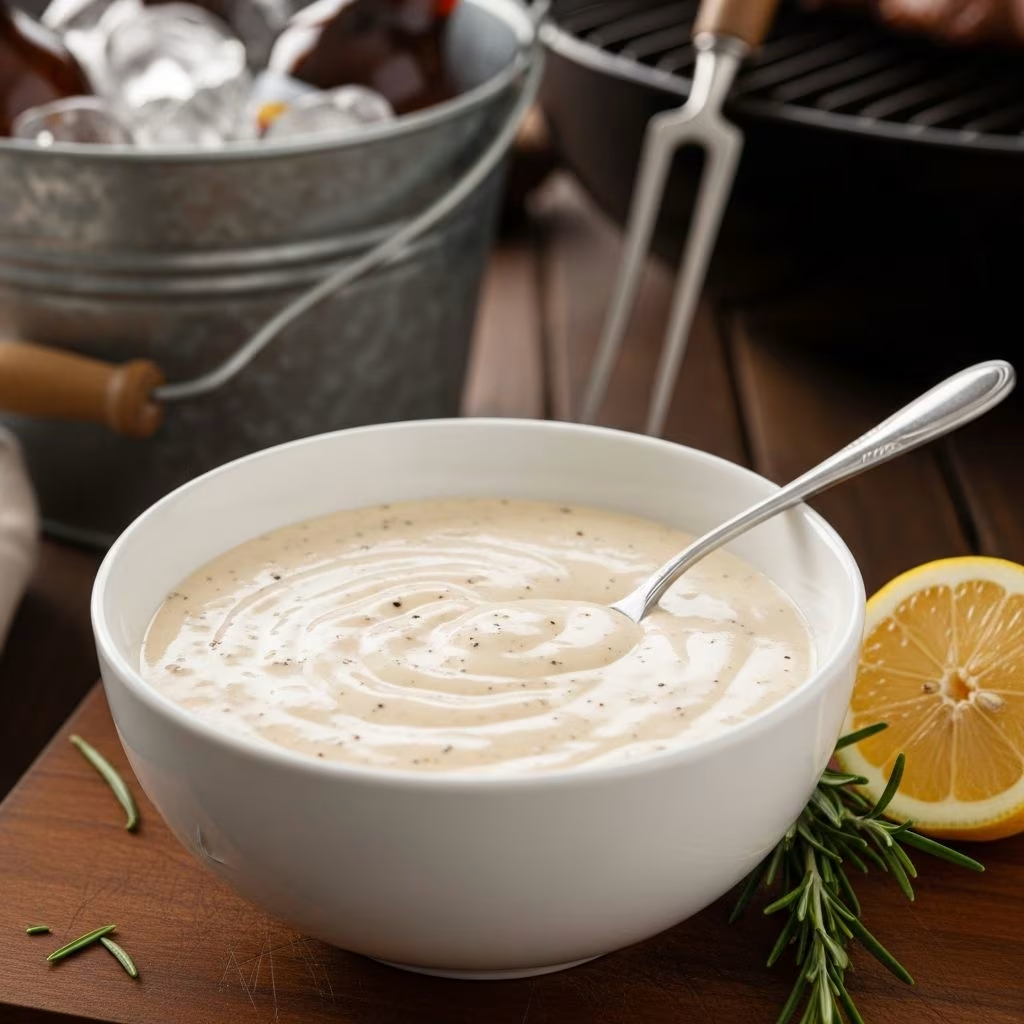
Alabama white sauce stands out in the world of barbecue condiments as a creamy, tangy alternative to traditional tomato-based varieties. This mayonnaise-driven creation delivers a unique blend of acidity, spice, and richness that elevates smoked meats and beyond. Originating in the heart of Southern cooking traditions, it has captivated palates since its debut nearly a century ago.
The Origins and Rise of a Southern Icon
Alabama white sauce traces its roots to 1925 at Big Bob Gibson Bar-B-Q in Decatur, Alabama, where it was first paired with smoked chicken to cut through the richness of the meat. Unlike the sweet, smoky sauces common elsewhere in the U.S., this version relies on mayonnaise as its base, infused with vinegar for tang and spices for depth. Its invention addressed the need for a cooling, moistening element during long smoking sessions, preventing dryness while adding bold flavor.
Over decades, the sauce spread beyond Alabama, gaining national acclaim through barbecue competitions and food media. Today, it’s a staple not just for chicken but for pork, fish, vegetables, and even fries. Chefs appreciate its versatility—serving as a marinade, baste, dip, or finishing drizzle. The sauce’s pale hue and peppery bite make it visually striking on golden-brown grilled fare.
Essential Ingredients for Authentic Flavor
At its core, Alabama white sauce hinges on a handful of pantry staples that balance creaminess with zing. Mayonnaise provides the smooth, emulsified foundation, while apple cider vinegar introduces a fruity sharpness. Prepared horseradish and Worcestershire sauce add subtle heat and umami, and spices like garlic powder, onion powder, black or white pepper, and a pinch of cayenne bring complexity.
Common variations tweak ratios or add-ins for personal taste. Here’s a breakdown of typical components:
| Ingredient | Role | Common Amount (1 cup mayo base) |
|---|---|---|
| Mayonnaise | Creamy base | 1 cup |
| Apple cider vinegar | Tangy acidity | ¼ – ⅓ cup |
| Prepared horseradish | Spicy kick | 1 Tbsp |
| Worcestershire sauce | Umami depth | 1-2 tsp |
| Garlic/onion powder | Aromatic savoriness | 1 tsp each |
| Black/white pepper | Peppery bite | 1 tsp |
| Salt | Flavor enhancer | ½ tsp |
| Cayenne pepper | Heat | ⅛ – ¼ tsp |
Some recipes incorporate lemon juice for brightness, Dijon or brown mustard for emulsification, or brown sugar for a touch of sweetness. Opt for full-fat mayo for optimal texture—light versions can make the sauce watery.
Step-by-Step Guide to Perfection
Whipping up Alabama white sauce takes under 10 minutes, with no cooking required. The key is thorough whisking to fully integrate flavors and achieve a smooth consistency.
- Gather ingredients: Measure out mayo, vinegar, horseradish, Worcestershire, mustards, and spices into a medium bowl.
- Combine wet elements: Start with mayo, then whisk in vinegar, lemon juice (if using), horseradish, Worcestershire, and mustard until creamy and uniform.
- Incorporate dry spices: Add salt, peppers, garlic powder, onion powder, and cayenne. Whisk vigorously for 1-2 minutes to avoid lumps and distribute seasonings evenly.
- Taste and adjust: Sample the sauce—add more vinegar for tang, horseradish for heat, or sugar for balance. It may taste sharp initially but mellows in the fridge.
- Rest for flavor development: Transfer to an airtight container and refrigerate 2-24 hours. This allows spices to bloom and flavors to harmonize.
Yield: About 1.5-2 cups from base recipe. Stores in the fridge up to 2 weeks; stir before use as separation can occur.
Pro Tips for Elevating Your Sauce
- Resting is crucial: Freshly made sauce lacks depth—overnight chilling transforms it into a flavor powerhouse.
- Customize heat levels: Dial cayenne or horseradish up for spice lovers or down for milder palates.
- Use quality mayo: Duke’s or similar Southern brands shine due to their tangier profile.
- Thin for basting: Add extra vinegar or water to make a pourable marinade.
- Fresh vs. prepared horseradish: Prepared works for convenience, but fresh grated intensifies pungency.
Best Uses: From Grill to Table
Traditionally slathered on smoked chicken straight off the pit, Alabama white sauce shines in multiple roles. Its cooling creaminess contrasts smoky char, while vinegar tenderizes proteins.
- Smoked or grilled chicken: Brush on during the last 10 minutes or serve as a dunking sauce.
- Pork and ribs: Drizzle over pulled pork sandwiches for creamy contrast to rich meat.
- Seafood: Pairs with grilled fish or shrimp, cutting through oils.
- Veggies and sides: Dip for fries, onion rings, or roasted vegetables; elevates coleslaw or potato salad.
- Wings and tenders: Game-changer for fried chicken—tangier than ranch.
Experiment with it as a pizza base, burger topper, or salad dressing. Its adaptability makes it a year-round essential.
Recipe Variations to Suit Every Taste
While purists stick to basics, tweaks keep the sauce exciting. Here’s a table of popular adaptations:
| Variation | Key Changes | Best For |
|---|---|---|
| Classic Tangy | Heavy vinegar, white pepper | Smoked chicken |
| Sweet Heat | Add 1 Tbsp brown sugar, extra cayenne | Pork ribs |
| Lemon Zest | Juice + zest of 1 lemon, white balsamic | Seafood |
| Mustard Kick | 2 tsp Dijon or Creole mustard | Wings |
| Herb-Infused | Chopped dill or parsley | Veggie dips |
These builds maintain the sauce’s identity while broadening appeal.
Storage, Shelf Life, and Freezing
Fresh sauce lasts 1-2 weeks in the fridge in a sealed jar. Freezing works for up to 3 months—thaw overnight and whisk to re-emulsify. Avoid metal containers to prevent reactions with vinegar. Always label with dates for freshness.
Common Mistakes and How to Avoid Them
- Over-whisking wet ingredients first: Mix everything gradually for best emulsion.
- Skipping the chill: Impatient use yields flat flavors—patience pays off.
- Using low-fat mayo: Leads to separation; full-fat is non-negotiable.
- Ignoring salt balance: Taste iteratively to prevent blandness.
Frequently Asked Questions (FAQs)
What makes Alabama white sauce different from other BBQ sauces?
It’s mayonnaise-based for creaminess, with vinegar tang instead of tomato sweetness or smokiness.
Can I substitute white vinegar for apple cider?
Yes, but apple cider adds subtle fruitiness; white is sharper.
Is it gluten-free?
Typically yes, if using gluten-free Worcestershire and mayo.
How spicy is it?
Mild with optional heat from horseradish/cayenne—adjust to preference.
Can I use it as a marinade?
Absolutely; thin with vinegar and marinate chicken 2-24 hours before grilling.
Pairing Ideas for Ultimate BBQs
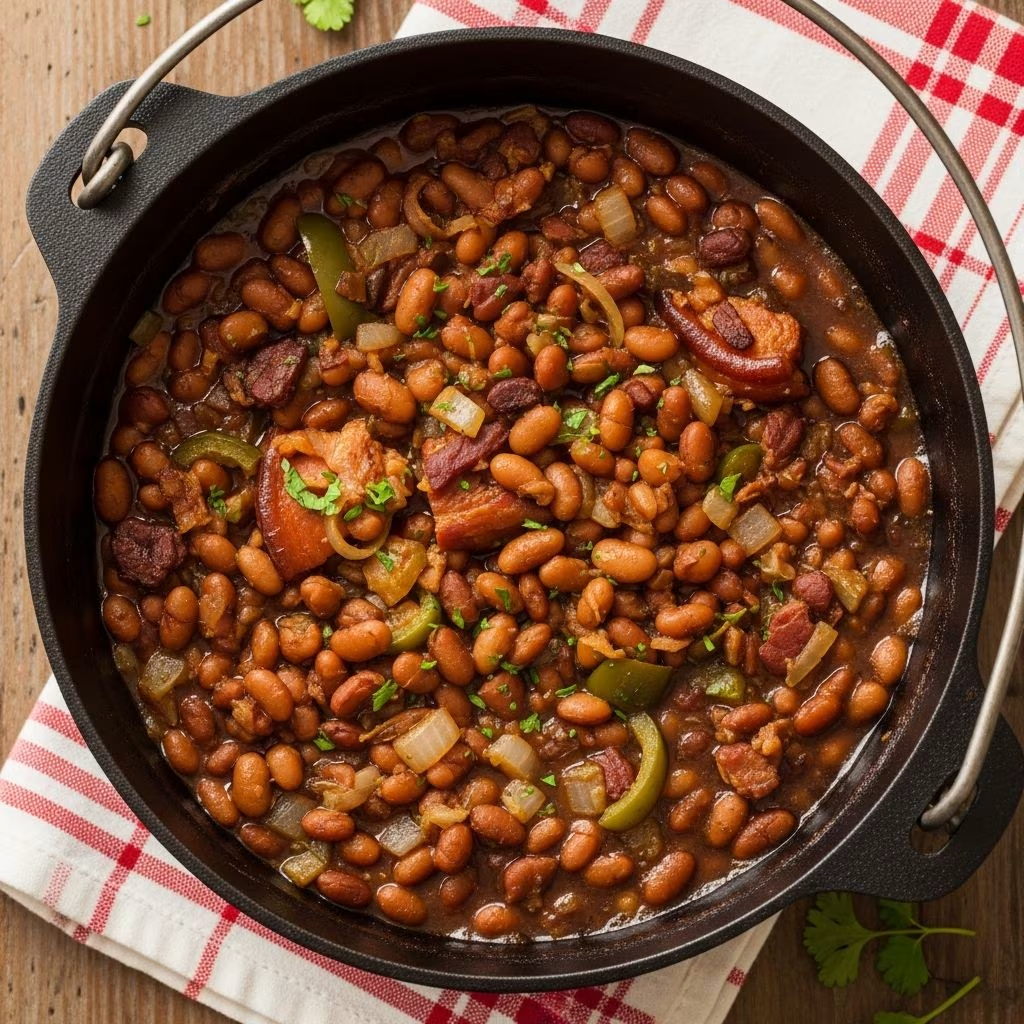
Complement with Southern sides like cornbread, baked beans, or vinegar-based coleslaw. For drinks, iced tea, beer, or bourbon cocktails cut the richness. In competitions, it’s a judge-pleaser on whole-hog presentations.
Mastering Alabama white sauce opens doors to authentic Southern grilling. Its simplicity belies profound impact—try it next cookout and taste the tradition.
References
- Alabama White Sauce {White BBQ Sauce} — Ask Chef Dennis. 2023-05-12. https://www.askchefdennis.com/alabama-white-sauce-white-bbq-sauce/
- Alabama White Sauce — Budget Bytes. 2022-06-15. https://www.budgetbytes.com/alabama-white-sauce/
- Alabama White BBQ Sauce — Kitchen Fun With My 3 Sons. 2021-07-20. https://kitchenfunwithmy3sons.com/alabama-white-bbq-sauce/
- Lolly’s Alabama White BBQ Sauce — Duke’s Mayo. 2023-01-10. https://dukesmayo.com/blogs/recipes/lollys-alabama-white-bbq-sauce-alabama-white-sauce
- White BBQ Sauce – YouTube — Stacy Lyn Harris. 2020-06-05. https://www.youtube.com/watch?v=9ZdAuDqDECY