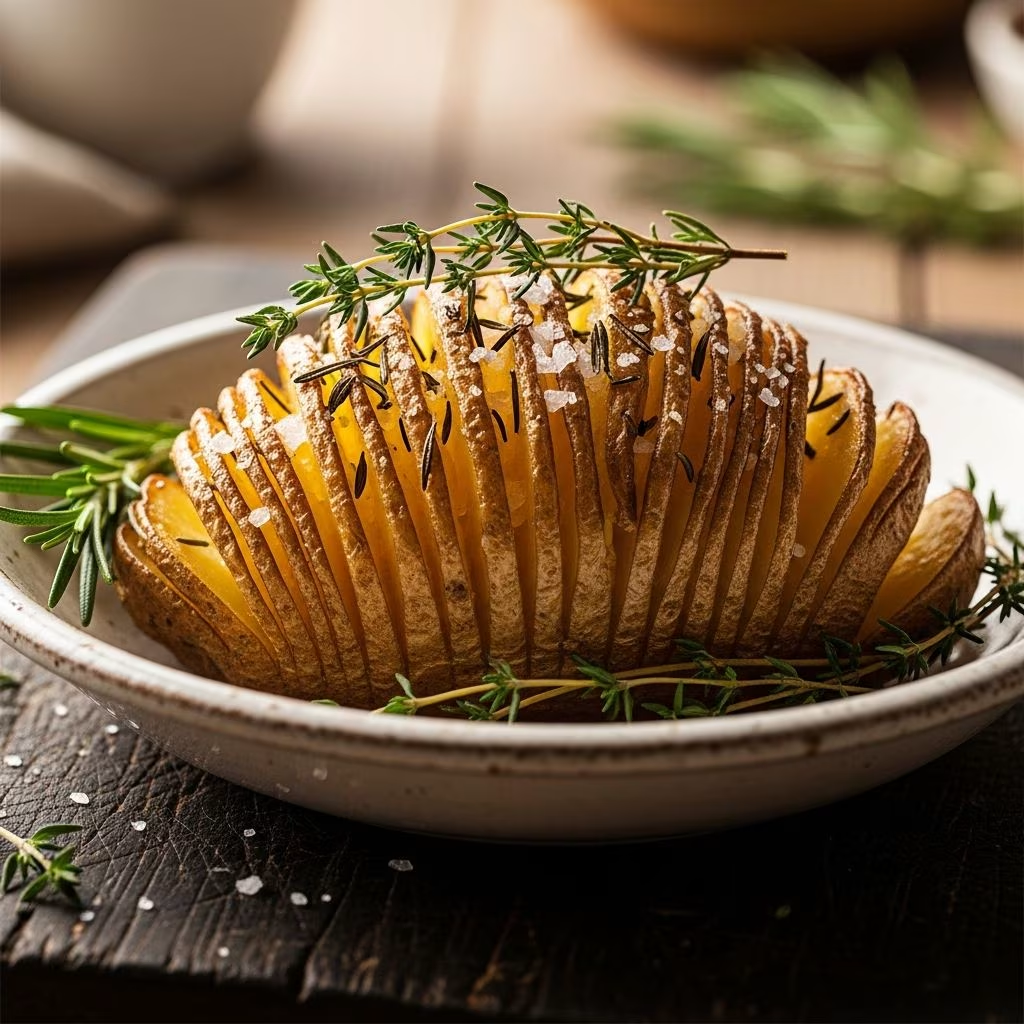
Hasselback potatoes represent an elegant yet surprisingly simple approach to preparing potatoes that transforms ordinary spuds into a showstopping side dish. The technique involves creating thin, parallel slices through the potato while keeping the base intact, creating an accordion-like structure that becomes incredibly crispy when cooked in an air fryer. This cooking method has revolutionized how home cooks approach potato preparation, delivering restaurant-quality results in a fraction of the time required by traditional oven roasting.
Understanding the Hasselback Potato Technique
The hasselback method originated in Sweden and has become increasingly popular among modern home cooks seeking elegant presentations without complex execution. The fundamental principle involves slicing potatoes partially through their thickness, creating multiple thin layers that maximize surface area exposure to heat. When these layers separate slightly during cooking, they develop enhanced crispiness on their exteriors while maintaining tender, creamy interiors. The air fryer amplifies this effect through its rapid circulation of hot air, which crisps every exposed surface efficiently.
The beauty of this technique lies in its versatility. Whether you prefer herb-infused preparations, cheesy variations, or simple garlic and salt seasonings, hasselback potatoes serve as an adaptable canvas for culinary creativity. The sliced structure also allows seasonings and fats to penetrate between layers, distributing flavor throughout the potato rather than just coating the exterior.
Selecting and Preparing Your Potatoes
Choosing the right potatoes forms the foundation of successful hasselback potato preparation. Medium-sized russet or golden potatoes work exceptionally well due to their starch content and structural integrity. These varieties maintain their shape during cooking while developing the desired texture contrast between crispy edges and fluffy centers. Avoid waxy potatoes like fingerlings or new potatoes, as their lower starch content results in a less impressive textural outcome.
Proper potato preparation significantly impacts final results. Begin by thoroughly washing and scrubbing potatoes under running water to remove all soil and debris. Pat them completely dry using paper towels or a clean kitchen cloth—moisture remaining on the surface interferes with browning and can cause uneven cooking. Some preparation methods recommend removing a thin lengthwise slice from one side of each potato, creating a flat surface that prevents rolling during slicing and cooking. This optional step provides stability on the cutting board and within the air fryer basket.
Perfecting Your Slicing Technique
Achieving uniformly thin slices represents the most critical aspect of hasselback potato preparation. Inconsistent slice thickness results in uneven cooking, where thin sections become overdone while thicker portions remain undercooked. The standard target thickness ranges between ⅛ and ¼ inch, depending on your preferred level of crispiness. Thinner slices develop more surface area and crisp more thoroughly, while slightly thicker slices offer a more substantial potato texture.
Professional cooks employ several methods to prevent slicing completely through potatoes. The chopstick method involves placing wooden chopsticks or skewers along both sides of the potato lengthwise, preventing the knife from descending beyond their height. Alternatively, placing the handle of a wooden spoon at the base of the potato serves as a stopper for your knife blade. These techniques ensure the knife cuts precisely to the desired depth without separating the potato into individual slices.
Maintaining consistent pressure while slicing proves equally important as technique selection. Use a sharp, long-bladed knife to create smooth cuts without crushing potato flesh. Gentle, controlled slicing motions produce superior results compared to aggressive or sawing-style cutting. Many cooks find that rotating the potato slightly between cuts—rather than keeping the knife in one position—produces more uniform slices.
Building Flavor Through Seasoning and Coating
The seasoning mixture elevates hasselback potatoes from simple starches into truly memorable dishes. The most effective approach combines melted butter or oil with complementary herbs and spices, creating a liquid coating that penetrates the potato’s layers while promoting exterior crisping. Traditional combinations include Italian seasoning paired with garlic powder and fresh cracked pepper, but personalization encourages experimentation.
A typical seasoning base consists of:
- ¼ to ½ cup melted butter or olive oil (or a combination)
- 1 to 2 teaspoons fresh or dried Italian seasoning
- ¼ to ½ teaspoon garlic powder
- ½ teaspoon smoked paprika (optional, for depth)
- Salt and freshly ground black pepper to taste
Preparing this mixture in advance allows flavors to meld briefly before application. Whisking the ingredients together thoroughly ensures even distribution of all seasonings throughout the coating. For enhanced flavor complexity, some cooks add minced fresh garlic, fresh thyme, or rosemary sprigs to their butter mixtures, though powdered versions work reliably when fresh alternatives aren’t available.
The Two-Stage Application Strategy
Applying the seasoning mixture in two stages rather than all at once produces superior results. The first application, performed before cooking, allows some fat and seasoning to settle between the potato slices and coat the exterior. However, applying the complete mixture before cooking often results in excess fat pooling at the bottom of the air fryer basket, preventing the maximum amount from being absorbed by the potatoes themselves.
The optimal approach involves:
- Brushing approximately half the butter-seasoning mixture over and between the potato slices before cooking begins
- Cooking for the first portion of time (typically 10-15 minutes at 375-400°F)
- Opening the air fryer and brushing the remaining mixture over and between all slices midway through cooking
- Continuing to cook until the potatoes achieve the desired crispiness and tenderness
This staged application ensures maximum flavor penetration and promotes even crisping throughout the cooking process. The second brushing also rejuvenates the exterior, preventing excessive browning before the interior reaches proper tenderness.
Air Fryer Temperature and Timing Guidelines
Temperature selection for air fryer hasselback potatoes typically falls within the 375-400°F range, with most recipes converging on 380-390°F as the optimal setting. This temperature range provides sufficient heat to crisp exteriors while allowing the interior to cook through completely without burning. Cooking times vary based on potato size, air fryer model, and desired level of crispiness, generally ranging from 25 to 40 minutes for medium-sized potatoes.
A general timeline for medium russet potatoes includes:
- Preheat air fryer to 380-390°F for 3-5 minutes
- Place prepared potatoes in basket with space between them
- Cook for 15-20 minutes before applying second seasoning layer
- Continue cooking for an additional 10-20 minutes until edges are golden and interiors are fork-tender
Smaller potatoes may finish in 25-30 minutes total, while larger specimens might require 35-40 minutes. The “fork-tender” test—piercing the thickest part of the potato easily with a fork—confirms when cooking is complete. Some potatoes brown faster than others due to natural sugar variations; if browning accelerates quickly, reduce temperature by 10-15°F and continue cooking.
Troubleshooting Common Issues
Unevenly Cooked Potatoes: Inconsistent results usually stem from uneven slice thickness or overcrowded basket conditions. Ensuring adequate air circulation space between potatoes and maintaining uniform slice thickness resolve most issues.
Insufficient Crispiness: Inadequate fat coating or moisture remaining on the potato surface prevents proper crisping. Thoroughly drying potatoes before cooking and ensuring generous application of the butter-seasoning mixture in both stages addresses this problem.
Excessive Browning or Burning: Reduce temperature by 15-25°F if potatoes brown too quickly before interiors cook through. Alternatively, covering potatoes loosely with foil during initial cooking stages allows interior cooking to progress while exterior browning slows.
Potatoes Stick to Basket: A light coating of cooking spray on the basket before adding potatoes prevents sticking. Alternatively, using an air fryer tray or parchment paper (with small drainage holes to allow air circulation) eliminates this issue entirely.
Topping and Serving Recommendations
Hasselback potatoes’ elegant presentation pairs beautifully with both simple and elaborate toppings, making them suitable for casual weeknight dinners or formal entertaining. The key to successful topping application involves adding garnishes after cooking while potatoes remain warm, allowing flavors to meld without compromising crispiness.
Popular topping combinations include:
- Sour cream, fresh chives, and crispy bacon bits
- Grated Parmesan cheese, fresh parsley, and cracked black pepper
- Greek yogurt, dill, and thinly sliced red onion
- Cheddar cheese, green onions, and a dollop of sour cream
- Fresh rosemary, fleur de sel, and shaved Parmesan
For reheating pre-prepared hasselback potatoes, place them in the air fryer at 400°F for 3-5 minutes until warmed through and edges recrisp, then apply fresh toppings immediately before serving.
Storage and Make-Ahead Considerations
Hasselback potatoes are best enjoyed immediately after cooking when crispiness is at maximum. However, they store successfully in airtight containers in the refrigerator for up to 3 days. Reheating in the air fryer restores much of the original texture and crispiness better than alternative methods.
For make-ahead convenience, potatoes can be fully sliced, seasoned, and prepared up to 4 hours in advance. Store prepared potatoes in the refrigerator on a plate covered with plastic wrap. Cooking times may increase slightly when starting from refrigerated temperatures—add 5-10 minutes to the total cooking time. Alternatively, allow potatoes to reach room temperature for 15-20 minutes before cooking for more consistent results.
Frequently Asked Questions
Can I use red or fingerling potatoes instead of russets?
While you can technically use any potato variety, russets and golden potatoes deliver superior results due to their starch content and texture. Red and fingerling potatoes contain less starch and may result in a grainier texture or insufficient crispiness. For best outcomes, stick with russets or golden potatoes.
What air fryer temperature works best?
Most recipes recommend 375-390°F as the sweet spot. This temperature range crisps the exterior effectively while allowing the interior adequate time to become tender. Temperature preferences vary slightly between air fryer models, so you may need to adjust by 10-15°F based on your specific machine’s performance.
How do I prevent potatoes from sticking to the basket?
Lightly coating the air fryer basket with cooking spray before adding potatoes prevents sticking. Alternatively, you can use an air fryer-safe tray or parchment paper with small drainage holes. Ensuring the potatoes’ cut sides face upward also minimizes contact with the basket surface.
Can I add cheese during cooking?
While you can sprinkle cheese before cooking, adding it during the last 5 minutes of cooking prevents excessive browning and maintains better cheese texture. For the crispiest results, add cheese as a topping after cooking completes.
How do I know when hasselback potatoes are fully cooked?
The fork-tender test proves most reliable. Pierce the thickest part of the potato with a fork; it should slide through easily without resistance. Additionally, edges should appear golden brown and crispy, while the exterior feels firm to touch.
Can I make hasselback potatoes in a regular oven?
Yes, though air fryer results are superior. In a conventional oven, bake at 400°F for 40-50 minutes, brushing with seasoning mixture midway through. Air fryers’ superior heat circulation typically produces crispier results in less time.
Expanding Your Hasselback Potato Repertoire
Once you master basic hasselback potato preparation, numerous variations invite experimentation. Herb-infused butter creates sophisticated flavor profiles, while garlic lovers can apply minced fresh garlic between slices before cooking. Smoky paprika adds depth, while herb blends incorporating thyme, oregano, and basil suit Mediterranean-inspired menus.
Cheese enthusiasts can experiment with different varieties. Sharp cheddar provides robust flavor, while Gruyère adds sophisticated nuttiness. Blue cheese crumbles or goat cheese introduce bold character, though these work better as post-cooking toppings to prevent flavor loss during extended cooking.
Hasselback potatoes pair excellently with grilled meats, roasted poultry, and vegetarian main courses alike. Their elegant presentation transforms simple proteins into memorable meals, while their relatively hands-off cooking method allows simultaneous preparation of complementary dishes.
References
- United States Department of Agriculture: Potatoes, raw, with skin (including flesh and seeds) — USDA FoodData Central. Accessed April 2026. https://fdc.nal.usda.gov/fdc-app.html
- American Potato Council: Potato Varieties and Cooking Methods — American Potato Council. 2024. https://www.americanpotato.org/
- Food Safety and Inspection Service: Safe Food Handling Guidelines — USDA FSIS. 2024. https://www.fsis.usda.gov/