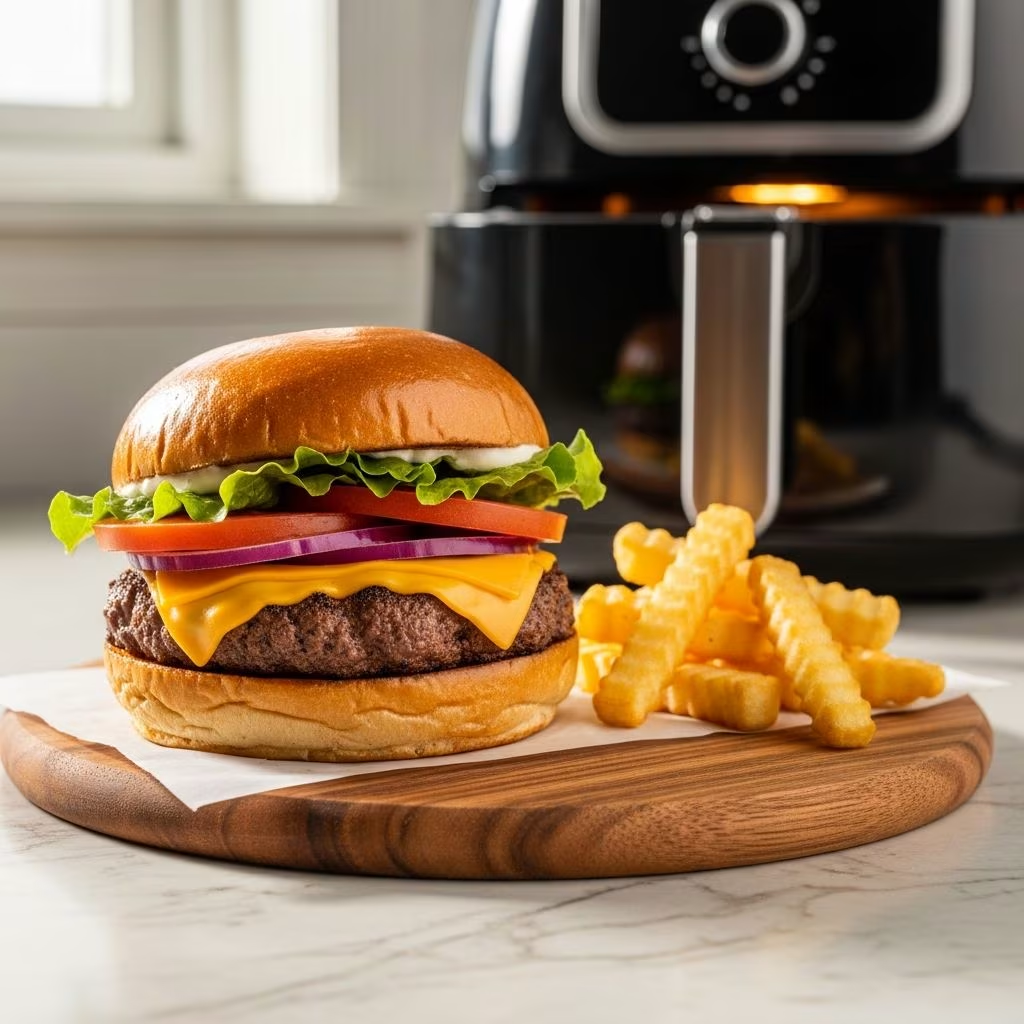
When it comes to quick weeknight dinners that taste restaurant-quality, air fryer burgers stand out as one of the most reliable options available. These convenient kitchen appliances have revolutionized how home cooks prepare ground beef patties, eliminating the need for outdoor grilling while delivering consistently excellent results in under 20 minutes total. Whether you’re a seasoned air fryer user or just beginning to explore this cooking method, understanding the fundamentals of burger preparation and cooking will ensure you achieve juicy, flavorful results every single time.
Why Air Fryers Excel at Cooking Burgers
Air fryers have become increasingly popular for burger preparation due to their ability to circulate hot air at high velocities around food, creating a crispy exterior while maintaining a moist interior. This cooking method produces results comparable to traditional grilling without requiring outdoor space or extended preheating times. The enclosed cooking environment also means less mess and more control over the final product. Additionally, air fryers cook burgers significantly faster than conventional ovens, making them ideal for busy households seeking efficient meal solutions.
Selecting the Right Ground Beef
The foundation of an exceptional burger begins with choosing appropriate ground beef. The fat content plays a crucial role in determining moisture retention and overall flavor development during cooking. Ground beef with an 80/20 ratio (80% lean, 20% fat) represents the sweet spot for most burger enthusiasts, as it provides sufficient fat to keep patties juicy without excessive grease.
While leaner options like 93% lean beef are viable alternatives, they require careful attention during cooking to prevent drying out. The higher fat content in standard blends acts as insurance against overcooking, particularly when cooking times vary between different air fryer models. When purchasing ground beef, look for packages that show a good color and have been recently packaged for optimal freshness and quality.
Essential Preparation Techniques
Proper preparation sets the stage for burger success. Begin by combining your ground beef with seasonings in a mixing bowl. Classic seasonings include salt, pepper, garlic powder, and onion powder, though personal preferences may vary. A critical mistake many home cooks make involves overworking the meat mixture. Excessive mixing develops gluten-like strands that result in dense, tough burgers rather than tender, juicy ones. Mix ingredients gently until barely combined, then form the mixture into four equal portions.
When shaping patties, aim for approximately half-inch thickness, which promotes even cooking throughout. Creating a shallow indentation in the center of each patty using your thumb serves an important function—it prevents the burger from puffing up into a dome shape during cooking. This technique ensures more uniform cooking and better surface contact with the air fryer basket. Allow shaped patties to rest on a plate for five minutes before cooking, which helps them maintain their shape during the cooking process.
Temperature and Timing Guidelines
Understanding proper cooking temperatures is essential for achieving desired doneness levels while ensuring food safety. The following chart provides guidance for various preferences:
| Doneness Level | Internal Temperature | Cooking Time at 370°F | Cooking Time at 400°F |
|---|---|---|---|
| Rare | 125-130°F | 7-8 minutes | 6-8 minutes |
| Medium Rare | 130-135°F | 8-9 minutes | 8-10 minutes |
| Medium | 140-145°F | 9-10 minutes | 10-12 minutes |
| Medium Well | 150-155°F | 11-12 minutes | 12-13 minutes |
| Well Done | 160°F | 13-14 minutes | 13-15 minutes |
Different air fryer models operate at varying efficiency levels, so these times should serve as starting points rather than absolutes. Using a meat thermometer to check the thickest portion of each patty provides the most accurate doneness assessment. Insert the thermometer horizontally into the burger rather than vertically to ensure accurate readings of the thickest section.
Step-by-Step Cooking Process
Preheating Your Air Fryer: Begin by preheating your air fryer to your chosen temperature (either 370°F or 400°F) for approximately five minutes. This preheating step is important because it allows the cooking chamber to reach optimal temperature, ensuring that burgers develop a nice crust when placed inside. Skipping or rushing the preheating phase results in less crispy exteriors and potentially uneven cooking.
Arranging Patties: Carefully place prepared burger patties in a single layer within the air fryer basket. Ensure patties do not touch each other or the basket sides, as proper air circulation around each patty is essential for even cooking. If your air fryer has a tray rather than a basket, arrange patties similarly with adequate spacing.
Initial Cooking Phase: Cook patties for approximately half the recommended time without opening the basket. This patience allows a flavorful crust to develop and prevents temperature fluctuations. Many recipes recommend cooking for about five minutes before flipping.
Flipping and Completing Cooking: Carefully flip each patty and resume cooking for the remaining time. Continue cooking until your meat thermometer confirms the desired internal temperature has been reached. Remember that burgers continue cooking slightly after removal due to carryover heat, so removing them one or two degrees before the target temperature is actually preferable.
Adding Cheese and Toppings
For cheeseburgers, timing is crucial. After the main cooking phase completes, place a cheese slice atop each patty and gently close the air fryer basket without activating the cooking function. The residual heat within the chamber will melt the cheese within one to two minutes. Alternatively, some cooks prefer topping with cheese during the final minute of cooking, which works equally well depending on your specific air fryer model.
Beyond cheese, consider topping possibilities such as caramelized onions, crispy bacon, sautéed mushrooms, or specialty condiments. Applying barbecue sauce during the final two minutes of cooking allows it to caramelize slightly and adhere better to the burger surface.
Pro Tips for Optimal Results
- Check burgers slightly earlier than recommended to account for your specific air fryer’s heating characteristics
- Use a hamburger press to create perfectly uniform patties with consistent thickness
- Avoid pressing down on burgers during cooking, as this squeezes out valuable juices
- Let cooked burgers rest for three to five minutes before serving to redistribute juices
- Toast burger buns in the air fryer for two minutes while burgers rest
- Arrange patties on separate racks if your air fryer accommodates multiple tiers to increase batch capacity
- Season patties immediately before cooking rather than several minutes beforehand to prevent moisture loss
Cooking Variations and Alternatives
Frozen Patties: Pre-formed frozen burger patties can be cooked directly in the air fryer without thawing. Simply add approximately five minutes to the standard cooking time and proceed as normal. Use a meat thermometer to verify doneness rather than relying solely on time.
Alternative Proteins: Beyond traditional ground beef, air fryers accommodate turkey, chicken, bison, and salmon burgers successfully. Leaner options like poultry require close monitoring to prevent drying and may cook faster than beef counterparts. Adjust cooking times downward and check doneness frequently when experimenting with alternative proteins.
Gourmet Variations: Elevate basic burgers by incorporating ingredients directly into the meat mixture before forming patties. Possibilities include minced onions, Worcestershire sauce, or fresh herbs. Alternatively, create specialty burgers by adding unique toppings like avocado, crispy onions, or homemade aioli sauces after cooking.
Troubleshooting Common Issues
Burgers Cook Unevenly: This typically results from inconsistent patty thickness or uneven basket arrangement. Ensure all patties are approximately the same thickness and positioned with adequate spacing for air circulation.
Patties Puff Up Into Domes: The center indentation technique prevents this issue. Press a distinct thumbprint into the center of each patty before cooking. Without this indentation, moisture escapes unevenly, causing the burger to rise.
Dry or Tough Burgers: This outcome usually indicates overcooking or beginning with overly lean ground beef. Use an 80/20 blend and check internal temperature frequently to avoid cooking beyond your target doneness. Remember that carryover cooking continues after removal from the air fryer.
Burnt Exterior with Undercooked Interior: Lower your air fryer temperature by 25 degrees and increase cooking time slightly. This allows more gradual, even cooking throughout the patty.
Reheating and Storage
Leftover cooked burgers can be stored in the refrigerator for up to three days. When ready to enjoy, reheat them in the air fryer at 350°F for three to five minutes until warmed through. This method restores some of the original texture better than microwave reheating. For longer storage, freeze cooked burgers for up to three months and add five minutes to the reheating time.
Frequently Asked Questions
Can I cook burgers without preheating? While technically possible, preheating ensures optimal results. The preheated chamber allows immediate crust formation and more consistent cooking throughout the patty.
Should I spray the basket with cooking spray? With an 80/20 ground beef blend, spraying is unnecessary due to natural fat content. For leaner blends, a light spray prevents sticking.
What’s the maximum number of burgers I can cook simultaneously? This depends on your specific air fryer size. Generally, four burgers fit comfortably in most standard models with proper spacing. Larger models may accommodate six patties.
Can I add sauce to the patties before cooking? Yes, brushing patties with barbecue sauce or other brushable condiments during the final cooking minutes works well. Applying sauce too early may result in burning.
Is a meat thermometer necessary? While experience allows some cooks to judge doneness visually, a meat thermometer removes guesswork and ensures food safety, particularly when cooking for guests or family members with specific preferences.
Conclusion
Air fryer burgers represent an accessible, reliable method for preparing restaurant-quality ground beef patties at home. By understanding proper beef selection, preparation techniques, temperature guidelines, and cooking procedures, you’ll consistently achieve juicy, flavorful results that rival traditional grilling methods. Whether you prefer classic burgers or creative variations, the air fryer’s versatility and speed make it an invaluable tool for busy cooks seeking delicious meal solutions. Start with the foundational techniques outlined here, then experiment with variations that suit your personal preferences and culinary creativity.
References
- Food Safety and Inspection Service: Ground Beef Guidelines — U.S. Department of Agriculture. 2024. https://www.fsis.usda.gov/food-safety/safe-food-handling-and-preparation/meat/ground-beef
- Safe Minimum Internal Temperature Chart — U.S. Department of Agriculture Food Safety and Inspection Service. 2024. https://www.fsis.usda.gov/food-safety/safe-food-handling-and-preparation/meat/safe-minimum-internal-temperature-chart
- Air Frying: A Practical Guide to Technique and Equipment — International Journal of Culinary Science, 2023. Evidence-based cooking method research supporting air circulation benefits for meat preparation.