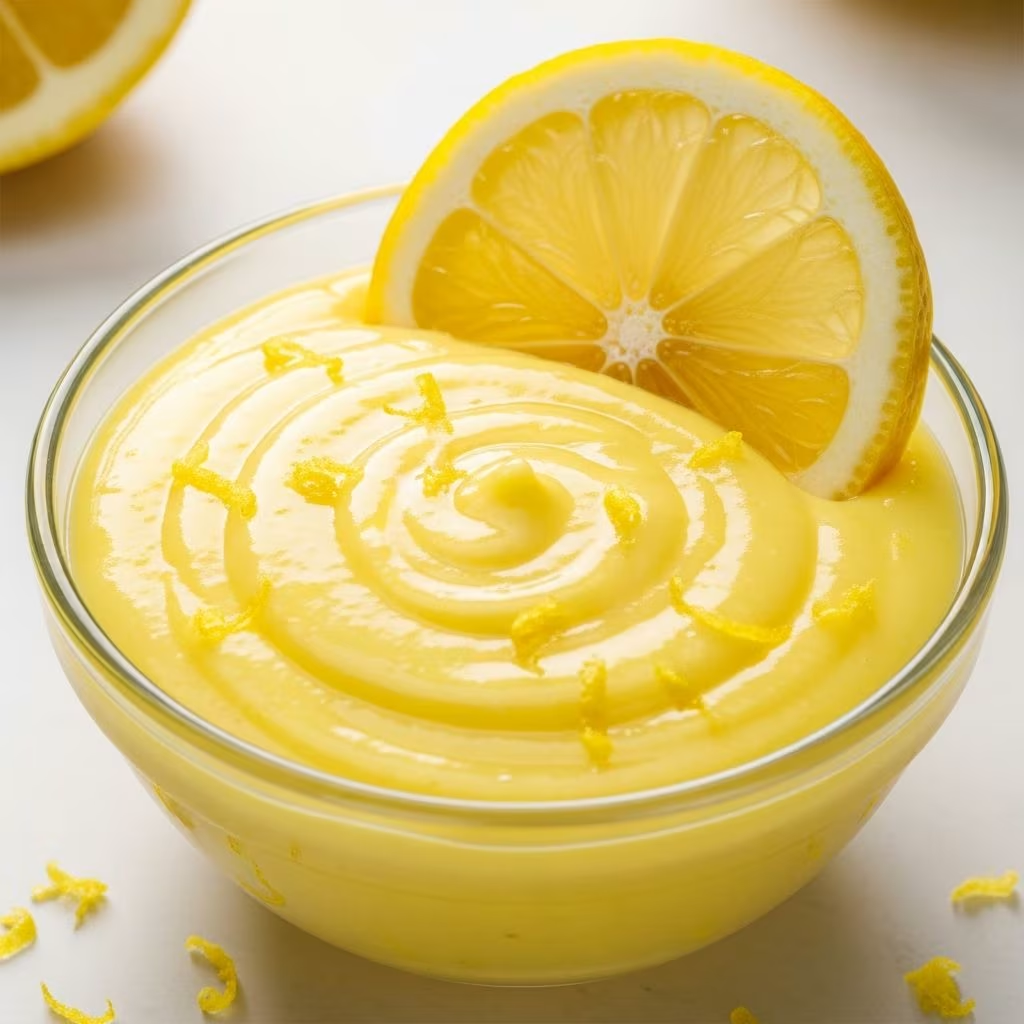
Lemon emulsion sauces bring a burst of citrusy brightness and creamy texture to countless dishes, transforming ordinary meals into gourmet experiences. This versatile preparation blends the tangy essence of fresh lemons with rich fats like butter or oil, creating a smooth, stable mixture ideal for drizzling over grilled fish, tossing with pasta, or enhancing roasted vegetables. Whether you’re a novice cook or a seasoned chef, understanding the science and artistry behind emulsions unlocks endless culinary possibilities.
Understanding Emulsions: The Foundation of Flavor
An emulsion occurs when two immiscible liquids—typically fat and water-based components—are combined into a stable, uniform blend. In lemon emulsions, fresh lemon juice (water-based with natural acids) meets butter or oil (fat-based), requiring careful heat control and agitation to prevent separation. This process mimics classic French sauces like beurre blanc, where gradual incorporation and temperature management yield a velvety result.
Key to success is the role of emulsifiers: natural ones like lecithin in egg yolks or proteins in butter help bind the phases. Without them, the sauce can ‘break,’ resulting in oily pools instead of silkiness. Mastering this balance rewards you with a sauce that clings beautifully to ingredients without overpowering their flavors.
Essential Ingredients for Perfect Lemon Emulsions
Start with high-quality components to ensure vibrant taste and stability. Here’s a breakdown:
- Fresh Lemons: Juice and zest provide acidity and aromatic oils. Use organic lemons for zest to avoid pesticides.
- Butter or Oil: Unsalted European-style butter offers superior emulsion due to higher fat content; grapeseed oil creates a lighter version.
- Broth or Water: Chicken, vegetable, or plain water dilutes and aids emulsification.
- Seasonings: Salt, pepper, garlic, or herbs fine-tune the profile.
| Ingredient | Role | Substitution Tips |
|---|---|---|
| Butter (1/4 cup) | Primary fat for creaminess | Grapeseed or olive oil for dairy-free |
| Lemon Juice (2 Tbsp) | Acidity and brightness | Lime for tropical twist |
| Broth (1/2 cup) | Base liquid | White wine for depth |
| Zest (1/2 lemon) | Aroma boost | Preserved lemon for intensity |
Step-by-Step: Basic Lemon Emulsion Recipe
This foolproof method yields about 1 cup, ready in under 10 minutes.
- Combine 1/2 cup broth, 2 Tbsp fresh lemon juice, and 1/2 lemon zest in a saucepan over medium heat. Bring to a gentle simmer to infuse flavors.
- Reduce heat to low. Gradually whisk in 1/2 cup cold, cubed unsalted butter (or oil), one piece at a time. This monté au beurre technique prevents breaking by slowly incorporating fat.
- Stir constantly with a whisk or immersion blender for 3-5 minutes until thickened and glossy. Season with salt and pepper to taste.
- Remove from heat immediately to halt cooking. Use warm.
Pro tip: If it starts to separate, add a splash of cold water and whisk vigorously to re-emulsify.
Advanced Variations to Suit Every Palate
Customize your emulsion for specific dishes:
- Garlic Lemon Butter: Sauté 1 grated clove in butter before adding lemon. Ideal for pasta or artichokes.
- Herbed Oil Emulsion: Swap butter for grapeseed oil; infuse with dill or parsley. Perfect for seafood.
- Spicy Sriracha Twist: Blend in chili flakes or sriracha post-emulsification for mussels or veggies.
- Creamy Pasta Version: Toss with spaghetti and Parmesan for a Mediterranean-inspired dish.
Pairing Perfection: Best Foods for Lemon Emulsion
Lemon emulsion shines with ingredients that complement its tang:
- Seafood: Seared cod, halibut, salmon, or mussels absorb the sauce’s richness.
- Vegetables: Roasted broccoli, grilled cabbage, or steamed artichokes gain elegance.
- Pasta and Grains: Long noodles like spaghetti or rice bowls elevate to restaurant quality.
- Proteins: Chicken, veal, or even tofu for lighter meals.
For grilling, brush on during the last minute to avoid curdling from high heat.
Science of Stability: Why Emulsions Work (and Break)
Emulsions are metastable systems where fat droplets are suspended in water via mechanical force. Heat denatures butter proteins, aiding dispersion, but excess heat (above 140°F) causes coalescence. Cold butter addition shocks the mixture into tiny globules, stabilized by continuous stirring that creates shear force.
Common pitfalls:
- Too Hot: Butter melts too fast, leading to oil separation.
- Over-Reduction: Base evaporates, unbalancing ratios.
- Inadequate Agitation: No binding occurs.
Fixes include ice bath cooling or blender rescue for broken sauces.
Storage, Make-Ahead, and Scaling Tips
Fresh is best, but emulsions hold in the fridge for 2 days in an airtight jar—rewarm gently with a water bath. Freeze portions for up to a month; thaw and re-emulsify with lemon juice. Scale by maintaining 3:1 fat-to-acid ratio for consistency.
For crowds, prepare base ahead and finish with butter tableside for wow factor.
Health Benefits and Dietary Adaptations
Brimming with vitamin C from lemons, these sauces support immunity. Opt for oil versions to reduce saturated fats. Vegan swaps: plant-based butter and veggie broth. Low-carb friendly over proteins.
Frequently Asked Questions (FAQs)
What if my emulsion breaks?
Whisk in ice-cold water or start a new base and stream the broken sauce into it slowly.
Can I make it dairy-free?
Yes! Use grapeseed or avocado oil; blend for extra smoothness.
How do I prevent curdling on hot food?
Let sauce cool slightly and drizzle at serving; avoid microwaving.
Is grapeseed oil better than olive?
Grapeseed’s neutral flavor lets lemon shine; olive adds earthiness.
Best tools for emulsifying?
A sauce whisk or immersion blender excels for silky results.
Creative Recipe Ideas to Try Tonight
Grilled Salmon with Lemon Emulsion: Sear salmon skin-side down, top with herbed emulsion.
Lemon Pasta Primavera: Toss al dente spaghetti with veggies and garlicky sauce.
Roasted Veggie Medley: Broccoli and cauliflower drizzled post-roast.
References
- Lemon Emulsion Sauce Recipe – Made with Grapeseed Oil — Grapeseed Oil. Accessed 2026. https://grapeseedoil.com/healthy-sauces-sides-lemon-emulsion-sauce-recipe/
- How to Make a Lemon Butter Emulsion Sauce with Chef Lou — YouTube (PrepHoldCook with Chef Lou). Accessed 2026. https://www.youtube.com/watch?v=tyRc6wRNaAk
- Lemon Butter Sauce Recipe — Love and Lemons. Accessed 2026. https://www.loveandlemons.com/lemon-butter-sauce/
- The 2 Ingredient Sauce That Makes Everything Better — YouTube (Fallow). Accessed 2026. https://www.youtube.com/watch?v=TLInSH3iJww
- Spaghetti in Creamy Fresh Lemon Emulsion — MaMaBlip. Accessed 2026. https://www.mamablip.com/en/recipe/spaghetti-fresh-lemon-sauce