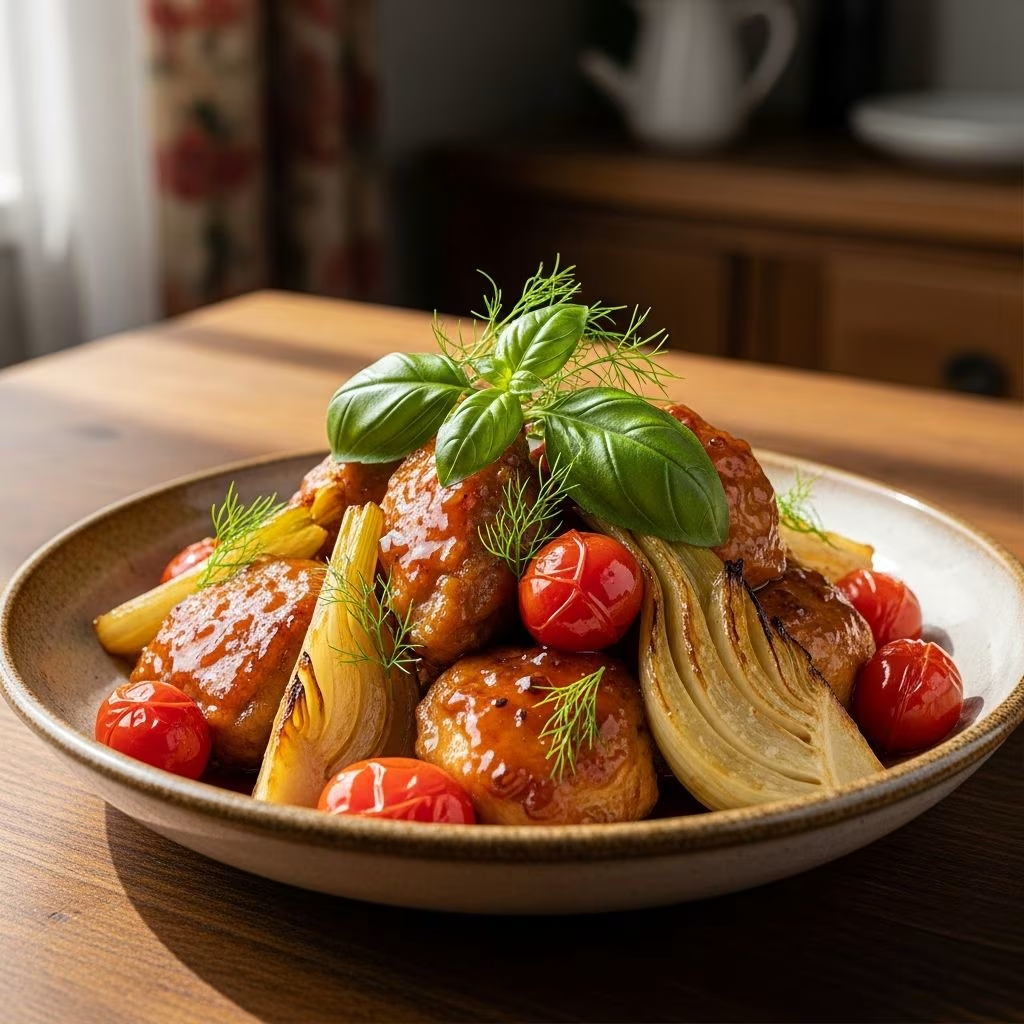
Understanding Agrodolce: The Foundation of Italian Sweet and Sour Cooking
Agrodolce represents one of Italy’s most distinctive flavor profiles, a technique that balances sweetness with acidity to create complex, memorable dishes. This traditional approach to cooking has roots in both Sicilian and broader Mediterranean cuisine, where the interplay between sugar and vinegar creates depth and sophistication on the palate. The term itself derives from Italian words meaning “sour-sweet,” and it embodies a culinary philosophy that embraces contrasting tastes rather than isolating them.
The beauty of agrodolce lies in its versatility. While many home cooks associate the technique primarily with vegetables or meat glazes, it serves as an excellent foundation for chicken preparations. When applied to poultry, the sweet and sour elements complement the mild, neutral flavor of chicken breast or thighs, allowing the sauce to become the star of the dish. The acidity cuts through any richness, while the subtle sweetness adds dimension without overwhelming the palate.
The Role of Fennel in Mediterranean Cuisine
Fennel has long been celebrated in Mediterranean cooking for its delicate anise-like flavor and tender texture when cooked properly. This versatile vegetable consists of a white bulb with layers that become increasingly tender as you move toward the center. When sliced and cooked, fennel develops a subtle sweetness that intensifies through carbohydrate caramelization, making it an ideal companion for acidic sauces and citrus-forward preparations.
In Italian kitchens, fennel appears in numerous regional dishes, from raw salads to slow-braised preparations. Its mild licorice undertones work particularly well with poultry, as they don’t compete with chicken’s delicate protein but rather enhance and amplify its natural flavors. The vegetable’s natural sweetness also complements the agrodolce technique, as both elements work harmoniously to create a balanced, elegant dish.
Beyond its culinary applications, fennel offers nutritional benefits. The vegetable contains fiber, vitamin C, and various antioxidants that contribute to overall wellness. Its digestive properties have made it valued in traditional medicine across Mediterranean regions for centuries.
Constructing the Perfect Agrodolce Sauce
Creating an authentic agrodolce sauce requires understanding the proper balance between its key components. The foundation typically includes:
- Vinegar (usually white wine or red wine vinegar) as the acidic element
- Sugar or honey to provide sweetness
- Chicken or vegetable stock for depth and body
- Aromatics including garlic, onion, or shallots
- Optional flavor enhancers such as tomato paste, dried fruits, or herbs
The cooking process begins with reducing the vinegar slightly to concentrate its flavor, then adding the sweetener to balance acidity. As the sauce simmers, these elements meld together, creating a glossy coating that clings beautifully to the chicken. The key to success involves tasting frequently during preparation, adjusting the ratio of sweet to sour based on your personal preference and the specific vinegar you’re using, as different vinegars vary in acidity levels.
Many Italian cooks prefer to finish their agrodolce sauce with a touch of butter or good quality olive oil, which adds richness and helps create a silky texture. This final enrichment transforms the sauce from merely tangy to luxuriously complex.
Preparing the Chicken for Maximum Flavor
Achieving properly cooked chicken requires attention to several factors. Whether you choose boneless, skinless breasts or bone-in thighs, the cooking method should ensure moist, tender results. Many chefs prefer thighs for this preparation, as they contain more fat and connective tissue, making them more forgiving than breasts and less prone to drying out during cooking.
Before cooking, allowing chicken to reach room temperature for approximately 15-20 minutes ensures even cooking throughout the protein. Seasoning generously with salt and pepper before searing creates a flavorful crust through the Maillard reaction, a chemical process that develops complex flavors during high-heat cooking.
Searing the chicken skin-side down in a hot pan creates a golden exterior while rendering some of the fat, which contributes significant flavor to the dish. This preliminary step takes only 3-4 minutes but makes an enormous difference in the final result’s depth and complexity.
Integrating Fennel Into Your Preparation
Fennel’s cooking time differs from chicken, requiring careful timing to ensure both components reach optimal doneness simultaneously. Most preparations involve cooking the fennel slightly ahead, allowing it to soften and begin developing its characteristic sweetness before combining with the chicken and sauce.
When preparing fennel, remove any brown or damaged outer layers and cut the bulb into manageable pieces. Some cooks prefer thin slices, while others cut fennel into wedges that maintain more structure during cooking. The cut size affects both cooking time and presentation, so consider your preferred final appearance when deciding on preparation method.
Sautéing fennel in olive oil over medium-high heat for 3-5 minutes develops color and flavor before the agrodolce sauce joins the pan. This technique, called “fond development,” builds flavor by concentrating the vegetable’s natural sugars through partial caramelization.
Creating Gremolata: The Bright Finishing Touch
Gremolata represents a classic Italian herb mixture that adds freshness and brightness to finished dishes. Traditionally composed of minced parsley, garlic, and lemon zest, this garnish provides textural contrast and aromatic complexity that elevates even simple preparations.
For a celery-centered variation of this traditional garnish, incorporate finely minced celery leaves along with fresh parsley, creating a more herbaceous profile. The celery adds a subtle vegetal note and additional freshness that complements both the fennel and the sweet-sour sauce.
Preparing gremolata fresh, just before serving, preserves its bright flavor and prevents oxidation that can occur when the mixture sits for extended periods. The citrus zest should be finely minced to distribute its oils evenly throughout the herb mixture, ensuring every bite carries its aromatic brightness.
Components of Celery-Forward Gremolata
- Fresh celery leaves, finely minced
- Flat-leaf parsley, minced into small pieces
- Citrus zest (lemon or orange)
- Minced garlic (used sparingly to avoid overpowering)
- Optional: fennel fronds for additional aromatic complexity
Timing and Assembly for Optimal Results
Success in this dish depends largely on coordinating multiple components that cook at different rates. Creating a structured timeline before beginning ensures everything reaches the table hot and perfectly cooked.
Begin by preparing all ingredients in advance—a technique chefs call “mise en place.” This includes mincing vegetables, preparing the gremolata, and measuring sauce components. Having everything ready prevents scrambling during the cooking process and allows you to focus on technique and timing.
The actual cooking sequence typically proceeds as follows: sear the chicken, set it aside, cook the fennel until partially tender, return the chicken to the pan, add the agrodolce sauce, and finish cooking until the chicken reaches safe internal temperature. The entire process generally takes 25-35 minutes, depending on chicken size and your preferred doneness level.
Flavor Development Through Cooking Techniques
Understanding how different cooking methods affect flavor development helps you achieve the best possible results. Dry-heat methods like searing and sautéing concentrate flavors through browning reactions. Wet-heat methods like simmering in sauce allow flavors to infuse and marry while keeping proteins moist.
The combination of both methods in this dish creates complexity: the initial searing develops deep chicken flavor, while the sauce cooking phase allows those flavors to integrate with the agrodolce and fennel components. The result is a harmonious dish where no single element dominates.
Temperature control throughout cooking prevents common pitfalls. High heat during searing ensures proper crust development but shouldn’t scorch the pan or burn delicate sauce components. Medium heat during the simmering phase allows gentle cooking that keeps chicken moist while concentrating the sauce through reduction.
Variations and Flavor Customizations
While the classic preparation provides an excellent foundation, numerous variations allow for personal creativity and experimentation. Different vinegars—from balsamic to apple cider—create subtly different flavor profiles. Some cooks add dried cranberries or raisins to the sauce for additional sweetness and texture.
Herb adjustments can reflect personal preference or seasonal availability. During summer months, fresh basil or oregano might replace some of the parsley in the gremolata. Winter preparations might benefit from the earthiness of sage or the warmth of thyme.
Regional Italian traditions inspire variations as well. Sicilian versions sometimes incorporate capers, olives, or almonds, reflecting the island’s diverse culinary influences. Mainland versions might emphasize fresh herbs and simpler presentations that highlight the quality of individual ingredients.
Serving Suggestions and Accompaniments
This chicken dish pairs beautifully with numerous side preparations that complement rather than compete with its complex flavors. Creamy polenta provides a neutral, luxurious base that soaks up the agrodolce sauce. Risotto offers similar richness while allowing the sauce’s acidity to cut through elegantly.
Lighter accompaniments work equally well for those seeking a more balanced plate. Simple pasta preparations dressed with olive oil and fresh herbs allow the chicken and sauce to remain the focal points. Roasted vegetables that mirror the fennel’s natural sweetness, such as carrots or onions, create thematic harmony on the plate.
Wine pairings should consider the sweet-sour profile of the dish. Italian whites with good acidity, such as Vermentino or Pinot Grigio, provide complementary brightness. Those preferring reds might select lighter options like Barbera, which offers acidity without heavy tannins that might clash with the sauce’s sweetness.
Storage and Make-Ahead Considerations
This dish develops even more complex flavors after a day of refrigeration, as ingredients continue to meld. Store the cooked chicken and fennel in the agrodolce sauce in an airtight container for up to three days. The sauce protects the chicken from drying out during storage, while the acidic environment inhibits bacterial growth.
Gremolata should be prepared fresh shortly before serving, as the mixture begins to oxidize and loses its bright character if made too far in advance. You can prepare the individual components earlier in the day and combine them just before plating.
Reheating should occur gently, preferably over low to medium heat, to prevent overcooking the chicken. Adding a splash of chicken stock or water to the sauce during reheating restores any moisture lost during refrigeration.
Essential Equipment and Ingredients Checklist
| Equipment | Key Ingredients |
|---|---|
| Large skillet or sauté pan | Chicken (breasts or thighs) |
| Cutting board and sharp knife | Fresh fennel bulbs |
| Measuring spoons and cups | Quality vinegar (white wine or red wine) |
| Wooden spoon or silicone spatula | Sugar or honey |
| Meat thermometer (optional) | Fresh herbs (parsley, celery leaves) |
Common Questions About Preparing Agrodolce Chicken
What vinegar works best for agrodolce sauce?
White wine vinegar provides a classic, delicate option that doesn’t overpower chicken. Red wine vinegar offers more assertive character and slightly deeper flavor. Balsamic vinegar adds sweetness and complexity but should be used cautiously, as its strong profile can dominate. Apple cider vinegar creates a slightly fruity undertone that many cooks enjoy. Choose based on your preference and what other Italian dishes you typically prepare.
Can I use boneless, skinless chicken breasts instead of thighs?
Yes, boneless, skinless breasts work well for this preparation, though they require more attention during cooking to prevent drying. Cook them to an internal temperature of 165°F (74°C) rather than allowing higher temperatures. Consider pounding them to uniform thickness before cooking to ensure even doneness throughout the meat.
How do I know when the chicken is properly cooked?
The most reliable method involves using a meat thermometer to check that the thickest part of the chicken reaches 165°F (74°C) for poultry safety. Visually, properly cooked chicken appears opaque throughout with no pink remaining in the center. When pierced, juices should run clear rather than showing any pink tint.
Can this dish be prepared in advance?
Absolutely. Cook the chicken and fennel completely, then store them in the agrodolce sauce in the refrigerator for up to three days. Reheat gently before serving and add the gremolata fresh at the last moment for maximum brightness and textural contrast.
What if the agrodolce sauce seems too thick or too thin?
If the sauce is too thick, add small amounts of chicken stock or water while simmering until you achieve the desired consistency. If it’s too thin, continue simmering to reduce and concentrate flavors. Remember that the sauce will thicken slightly as it cools, so slightly thinner consistency while hot is preferable.
References
- Agrodolce Chicken with Fennel and Celery Gremolata — Bon Appétit Magazine, October 2022. Cited via Eat Your Books recipe library.
- Italian Cooking Techniques: Sweet and Sour Sauces — The Culinary Institute of America. Traditional preparation methods for agrodolce in Italian cuisine.
- Fennel: Nutritional Composition and Culinary Applications — University of California Cooperative Extension. Retrieved from academic agricultural resources.