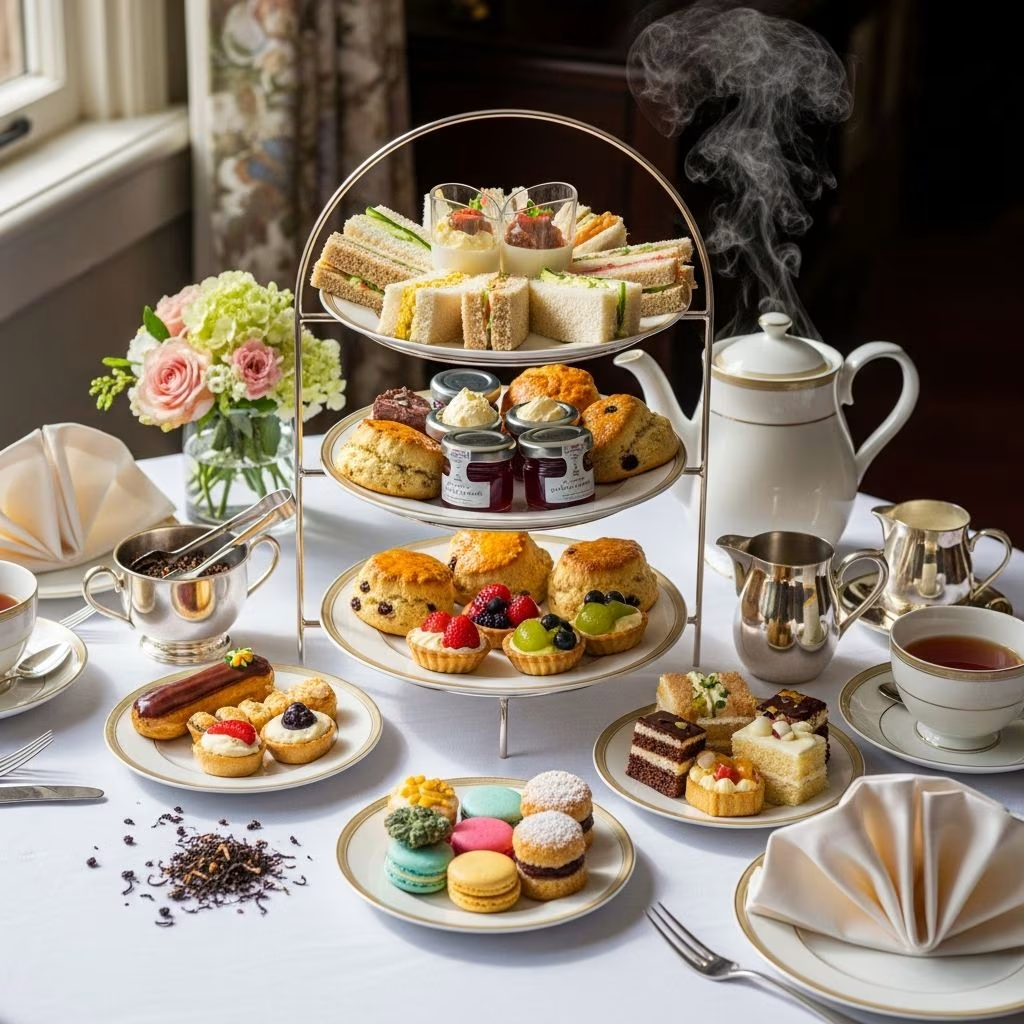
Afternoon tea represents one of the most charming and elegant traditions in social entertaining. Whether you’re planning an intimate gathering for close friends or a larger celebration, understanding the fundamentals of afternoon tea service transforms the experience from ordinary to extraordinary. This comprehensive guide explores how to curate menus, select recipes, and execute service that honors tradition while allowing room for personal creativity.
Understanding the Core Components of Afternoon Tea Service
The foundation of any successful afternoon tea rests on knowing what constitutes the traditional format. The classic progression moves from savory to sweet, beginning with small finger sandwiches, advancing to warm baked goods like scones with accompaniments, and concluding with cakes and pastries. This structured approach serves practical purposes beyond tradition—it allows guests to pace their consumption and ensures a balanced tasting experience throughout the service.
The beauty of this format lies in its flexibility. While traditionalists may insist on rigorous adherence to classical presentations, modern interpretations allow hosts to adapt the experience to their guests’ preferences, dietary requirements, and seasonal availability. Understanding the “rules” provides the foundation necessary to break them thoughtfully and create memorable variations.
Crafting an Impressive Savory Foundation with Tea Sandwiches
Tea sandwiches serve as the opening act in the afternoon tea performance, setting expectations and awakening palates. The key to exceptional finger sandwiches extends beyond ingredient selection to encompass presentation, texture contrast, and subtle flavor combinations that encourage guests to savor rather than rush through consumption.
Classic Sandwich Combinations Worth Mastering
- Cream Cheese and Smoked Salmon: The combination of rich, tangy cream cheese with delicate smoked salmon offers elegance and sophistication. Consider adding fresh dill or a whisper of lemon zest to enhance both components.
- Egg Salad Variations: Move beyond basic preparations by incorporating finely chopped fresh herbs, crispy bacon bits, or a touch of tarragon-infused mayonnaise. The richness of egg naturally complements mustard-based seasonings.
- Cucumber with Herbed Spreads: Rather than plain butter, experiment with cream cheese infused with fresh mint, basil, or chives. Thin cucumber slices benefit from these aromatic additions that transform a humble ingredient into something memorable.
- Cheddar Cheese and Preserve Pairings: Sharp cheddar paired with fruit chutneys or pickled vegetables creates interesting sweet-savory moments. The aged cheese’s intensity stands up well to bold condiments.
- Tender Proteins: Thinly sliced ham, roasted chicken, or rare roast beef layered with complementary spreads provide substance and satisfaction. The key involves slicing meat thin enough to fit comfortably in the mouth without requiring excessive chewing.
Presentation Principles for Maximum Impact
Remove crusts from bread to create refined triangles or rectangles, a visual marker that signals thoughtfulness and care. The act of crusting removes signals a departure from everyday dining. Layer ingredients strategically so that each bite contains balanced proportions of bread, spread, and filling. Consider height variation—some sandwiches cut diagonally, others cut straight—to create visual interest on the serving platter.
Elevating Your Service with Exceptional Scones
Scones occupy a special place in afternoon tea tradition, representing the transition point between savory and sweet courses. The quality of scones significantly impacts guests’ overall impression of the entire experience, making this component worthy of serious attention.
Foundational Techniques for Reliable Results
The difference between dense, heavy scones and light, tender specimens lies in technique rather than ingredients. Keeping all components cold until the moment of mixing preserves the structure necessary for proper rising. Gentle handling prevents overworking the dough, which develops gluten and toughens the finished product. The addition of liquid should be minimal—just enough to bring the mixture together without creating a sticky dough.
Resting time before baking allows the dough to relax and contributes to a more tender crumb structure. Most home bakers overlook this simple step despite its significant impact on final results. A fifteen-minute rest in a cool environment costs nothing in terms of time investment while yielding noticeable improvements in texture and rise.
Flavor Variations Beyond the Traditional Plain
- Citrus-infused scones incorporating orange zest or lemon extract add brightness and prevent the heavy feeling associated with butter-rich baked goods
- Fruit-studded versions using dried berries, raisins, or currants provide textural interest and natural sweetness
- Herbaceous scones featuring fresh rosemary, lavender, or earl grey tea create sophisticated variations suitable for themed celebrations
- Savory options like cheddar with herb combinations or scones incorporating crispy bacon appeal to guests preferring less sweet options
- Gluten-free alternatives ensure inclusivity without requiring separate service or making dietary-restricted guests feel excluded
Accompaniments That Complete the Experience
The traditional pairing of scones with clotted cream and jam represents more than decoration—these components create flavor and textural harmony. Offering multiple jam varieties allows guests to express preferences. Strawberry and blackcurrant provide contrasting flavors, while more unusual options like rhubarb or berry combinations surprise and delight. Ensure both clotted cream and jam reach room temperature slightly before service, as cold spreads resist distribution across warm scones.
Designing a Cake and Pastry Finale
The final course establishes lasting impressions, as guests depart with these flavors still fresh on their palates. Thoughtful selection of finishing sweets demonstrates respect for guests’ time and satisfaction levels, avoiding the mistake of overwhelming already-satiated diners.
Traditional Cakes Suited to Afternoon Tea Service
The Victoria sponge stands as the quintessential afternoon tea cake—a light two-layer structure filled with jam and sometimes buttercream or whipped cream. Its delicate crumb and subtle sweetness provide the perfect counterpoint to preceding courses without inducing heaviness. Lemon-based cakes offer brightness and palate-cleansing properties, with drizzle finishes adding visual appeal and subtle tartness. Fruit-forward cakes incorporating apples, rhubarb, or berries connect to seasonal availability and create coherent menu narratives.
Strategic Pastry Selections
Small pastries cut into bite-sized portions prove far more practical than full-sized desserts in the afternoon tea context. Raspberry Bakewell-inspired squares combine traditional flavors in manageable proportions. Lemon and almond combinations echo botanical garden themes while providing distinctive flavor profiles. Shortbread varieties, particularly those incorporating lavender, butter, or chocolate, offer elegant simplicity that appeals to sophisticated palates.
Menu Planning Strategies for Different Occasions
The most successful afternoon tea experiences reflect thoughtful menu planning that balances variety, seasonality, and guest preferences. Rather than attempting to offer everything, focus on curated selections that tell a coherent story through your food choices.
Traditional English Afternoon Tea Format
This approach emphasizes classic preparations with minimal intervention. Include three distinct sandwich varieties representing protein, vegetable, and cheese categories. Offer plain and flavored scone options alongside traditional accompaniments. Complete the menu with one or two signature cakes representing either sophisticated simplicity or elegant tradition. This format appeals to purists and ensures nothing alienates or surprises guests expecting conventional presentations.
Seasonal Celebration Menus
Summer afternoon tea celebrates fresh strawberries, light herbs, and bright flavors. Consider outdoor service when weather permits, creating an open-air garden party atmosphere. Spring menus incorporate tender vegetables, delicate herbs like tarragon, and pale color palettes. Autumn interpretations feature warm spices, apple and pear preparations, and richer flavor profiles. Winter celebrations embrace preserved fruits, chocolate, and warming spices like cinnamon and ginger.
Contemporary Interpretations with Global Influences
Southern American-inspired afternoon tea incorporates familiar comfort elements—ham spreads, devilled eggs, sweet corn preparations—within the traditional format. Scandinavian interpretations feature smørrebrød-style open sandwiches showcasing quality ingredients arranged artfully on single bread slices. These modern interpretations maintain the afternoon tea structure while honoring different culinary traditions, appealing to guests seeking novelty within familiar frameworks.
Practical Hosting Considerations
Successful afternoon tea service depends on thoughtful logistics alongside recipe selection. Timing proves critical—preparing components ahead without sacrificing freshness requires strategic planning. Scones benefit from baking shortly before service when possible, ensuring optimal warmth and texture. Sandwiches can be prepared several hours ahead and stored under damp cloths to maintain moisture. Cakes typically improve with advance preparation, allowing flavors to develop and structure to set properly.
Accommodating dietary restrictions demonstrates consideration without requiring complicated parallel menus. Gluten-free options available alongside traditional preparations ensure inclusivity. Dairy-free scone alternatives, egg-free sandwich spreads, and vegan cake options address common restrictions without singling out particular guests. Quality matters more than quantity when accommodating special needs—one excellent gluten-free scone surpasses multiple mediocre options.
Frequently Asked Questions About Afternoon Tea Service
What distinguishes afternoon tea from other tea services?
Afternoon tea specifically refers to the mid-afternoon service featuring light foods—sandwiches, scones, and small cakes—accompanied by tea. This differs from “high tea,” a more substantial early evening meal reflecting working-class dining traditions, and “cream tea,” which emphasizes scones with cream and jam without full sandwich courses.
How many guests can one host for afternoon tea?
Afternoon tea scales effectively from intimate gatherings of two or three people to celebrations accommodating twelve or more guests. Small gatherings allow more personalized attention and conversation, while larger events create festive atmospheres and economies of scale in preparation. The key involves adjusting quantity while maintaining quality.
What beverages pair appropriately with afternoon tea?
Traditional afternoon blend or English breakfast tea remains the classic choice, though lighter white or green teas work well during warmer months. Contemporary hosts offer variety including herbal options, specialty blends, and for non-tea drinkers, alternatives like sparkling beverages, rose lemonade, or flavored waters. The focus remains on tea as the primary beverage while accommodating individual preferences.
How should hosts manage presentation timing?
Present components in traditional succession—sandwiches first, scones second, cakes third—allowing conversation and pacing between courses. Alternatively, create a casual display allowing guests to select items as desired. Each approach offers distinct advantages; formal progression emphasizes tradition while self-service menus encourage exploration and suit mixed-preference groups.
Creating Your Signature Afternoon Tea Experience
The most memorable afternoon tea celebrations reflect the host’s personality, preferences, and creativity while honoring the tradition’s fundamental appeal. Whether adhering closely to classical formats or embracing modern interpretations, successful hosting prioritizes quality ingredients, thoughtful preparation, and genuine hospitality. By mastering foundational techniques and understanding menu planning principles, even novice hosts can create experiences that guests treasure and remember fondly. The investment in time and attention transforms simple food into meaningful memories, cementing afternoon tea’s enduring appeal across generations and cultures.
References
- Afternoon Tea Recipes and Ideas — April J Harris. Accessed April 2026. https://apriljharris.com/afternoon-tea-recipes-and-ideas/
- Planning an Afternoon Tea Menu — Crumbs on the Table. Accessed April 2026. https://www.crumbsonthetable.co.uk/planning-an-afternoon-tea-menu/
- Afternoon Tea Recipes — Jamie Oliver. Accessed April 2026. https://www.jamieoliver.com/recipes/baking/afternoon-tea/
- Afternoon Tea Recipes — BBC Good Food. Accessed April 2026. https://www.bbcgoodfood.com/recipes/collection/afternoon-tea-recipes
- Afternoon Tea Recipes — Great British Chefs. Accessed April 2026. https://www.greatbritishchefs.com/collections/afternoon-tea-recipes