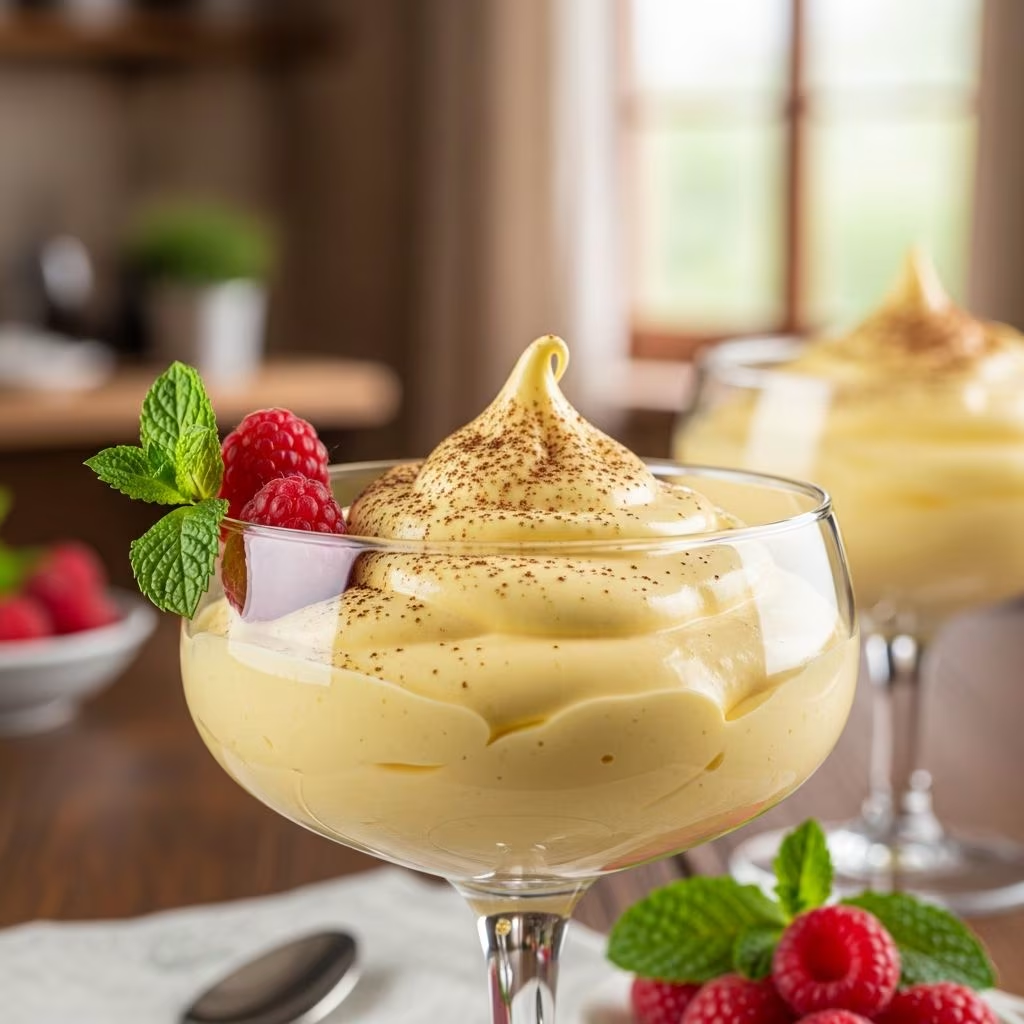
Zabaglione, a luxurious yet simple Italian dessert, transforms humble egg yolks, sugar, and fortified wine into a cloud-like custard. This treat, known for its airy texture and subtle boozy warmth, has captivated palates for centuries with minimal effort required in the kitchen.
The Allure of Zabaglione’s Simplicity
At its core, zabaglione relies on just three pantry staples: fresh egg yolks, granulated sugar, and a splash of sweet wine like Marsala. The magic happens through vigorous whisking over gentle heat, creating a frothy emulsion that defies its basic ingredients. This dessert stands out for its versatility—serve it solo in cups, layered with fruits, or as a sauce over cakes—making it ideal for both weeknight indulgences and dinner party finales.
Its preparation evokes old-world charm, reminiscent of nonnas stirring pots over open flames. The process not only builds volume but also infuses the custard with a velvety richness, balancing sweetness with the wine’s nutty depth. Home cooks appreciate how quickly it comes together, often in under 10 minutes, yet it delivers restaurant-worthy results.
Tracing Zabaglione’s Rich Heritage
Zabaglione traces its roots to Renaissance Italy, particularly Piedmont, where it emerged as a favored sweet. Legends attribute its invention to San Pasquale Baylon, a 16th-century friar who supposedly enhanced egg and sugar mixtures with Cypriot wine during a moment of culinary improvisation. Others link the name to the Croatian ‘zavajun,’ meaning ‘to beat,’ highlighting the essential whisking technique.
Historical cookbooks, like Bartolomeo Scappi’s 1570 Opera, feature early versions blending yolks with Muscat, cinnamon, and even savory broths—a nod to era-specific sweet-savory fusions. By the 17th century, Antonio Latini’s recipes refined it into a pure sweet, incorporating pistachios for added luxury. Over time, it spread across northern and central Italy, evolving into the elegant sabayon known in France.
Traditionally viewed as restorative, zabaglione was fed to children and the ailing for its supposed energizing qualities. Today, it embodies Italian resourcefulness, turning everyday items into something extraordinary.
Essential Ingredients for Authentic Flavor
The beauty of zabaglione lies in its purity. Start with room-temperature egg yolks for optimal emulsification—about 4-6 for 4 servings. Granulated sugar, roughly equal in volume to the yolks, provides structure and sweetness without overpowering. The star is the wine: Marsala offers caramel notes, but Vin Santo adds honeyed complexity, while Sherry or Port serve as fine substitutes.
- Egg Yolks: Fresh, vibrant orange yolks whip best, contributing creaminess and richness.
- Sugar: Fine white or raw varieties dissolve quickly; aim for 1-2 tablespoons per yolk.
- Wine: Sweet fortified wines (80-100ml per 4 yolks) impart depth; avoid cooking wines with additives.
Optional splashes of rum, brandy, or limoncello can elevate flavors, but classics shine brightest.
Step-by-Step Guide to Flawless Zabaglione
Success demands precision in heat and motion. Here’s a foolproof method:
Prepare a bain-marie: Fill a saucepan one-third with water and bring to a simmer. Use a heatproof bowl that nests without touching the water.
Whisk yolks and sugar: In the bowl, beat until pale, glossy, and ribbon-like—about 2 minutes by hand or 1 with electric mixers.
Incorporate wine: Gradually drizzle in while whisking vigorously to prevent curdling.
Cook and aerate: Position bowl over simmering water. Whisk in figure-8 patterns for 5-8 minutes until tripled in volume, thick like softly whipped cream, and reaching 160°F (71°C) for safety.
Chill swiftly: Remove from heat and set over an ice bath for 2-3 minutes to set the foam, preventing collapse.
Visual cues: The mixture froths, mounds on a spoon, and holds peaks. If it scrambles, strain and rescue with more yolks.
| Common Mistakes | Solutions |
|---|---|
| Overheating (curdling) | Keep water simmering, not boiling; constant whisking. |
| Flat texture | Whisk longer; use room-temp ingredients. |
| Too liquid | Cool immediately over ice; serve promptly. |
Creative Twists on the Classic Recipe
While traditionalists stick to basics, innovations abound. Pair with seasonal berries—strawberries, raspberries—for a fresh contrast. Drizzle over gelato, panna cotta, or panettone for decadence. Chocolate shavings or crushed amaretti cookies add crunch.
- Fruit Zabaglione: Fold in macerated berries post-cooking for a parfait.
- Boozy Variations: Swap Marsala for prosecco, coffee liqueur, or amaretto.
- Vegan Adapt: Aquafaba, plant milk, and white wine mimic the froth (experimental).
- Baked Version: Pour into ramekins, broil briefly for a crème brûlée hybrid.
For holidays, infuse with cinnamon or espresso. In Tuscany, Vin Santo reigns supreme, yielding a silkier result.
Perfect Pairings and Serving Suggestions
Serve zabaglione warm in chilled glasses for contrast, or cold as a dip for ladyfingers. It complements biscotti, fresh figs, or poached pears beautifully. Wine pairings favor sparkling Prosecco to cut richness or a late-harvest Riesling echoing the sweetness.
Portion generously—its lightness belies indulgence. For brunch, top waffles; at dinner, alongside sorbet. Storage tip: Enjoy within hours, as it deflates over time.
Nutritional Insights and Dietary Notes
One serving (about 1/2 cup) packs around 200 calories, mostly from yolks and sugar, with protein for satiety. It’s naturally gluten-free and low-carb adaptable with sugar substitutes. Pasteurized yolks ensure safety for vulnerable groups.
Frequently Asked Questions
What if I don’t have Marsala?
Use dry Sherry, Madeira, or sweet white wine; Vin Santo is authentic Tuscan alternative.
Can I make zabaglione ahead?
Best fresh, but chill up to 2 hours in an ice bath-stabilized bowl.
Why does my zabaglione separate?
Insufficient whisking or high heat; whisk relentlessly and monitor temperature.
Is zabaglione safe with raw eggs?
Gentle cooking pasteurizes; aim for 160°F. Use pasteurized eggs if concerned.
How to scale the recipe?
Maintain 1:1:1 yolk-sugar-wine ratio per serving; adjust heat time accordingly.
Advanced Techniques for Perfection
Chefs swear by copper bowls for stabilizing eggs via chemical reaction. Electric whisks speed aeration but risk overbeating—hand whisking builds finesse. Test doneness by trailing a ribbon that holds briefly on the surface. For ultra-fluff, sift sugar gradually.
Experiment with infusions: steep saffron or citrus zest in wine beforehand. In professional kitchens, it’s a base for gelati or modern foams via siphons.
References
- Zabaione (Zabaglione) – Memorie di Angelina — Memorie di Angelina. 2013-09-08. https://memoriediangelina.com/2013/09/08/zabaione-zabaglione/
- Zabaglione with Berries | Italian Custard Dessert — The Foodie and the Fix. N/A. https://thefoodieandthefix.com/zabaglione-sabayon-with-berries/
- Zabaione, sweet and easy — Emiko Davies. N/A. https://www.emikodavies.com/zabaione-sweet-and-easy/
- Zabaione, Fluffy and Easy: here’s my granny recipe — Cooking Classes in Tuscany. N/A. https://www.cookingclassesintuscany.net/zabaione-fluffy-easy-granny-recipe/
- Italian dessert: classic recipe and ideas for variations! — YouTube (Cucinando Fuorisede). N/A. https://www.youtube.com/watch?v=iiw57OykgWU
- In Cucina: Zabaione — Italy Segreta. N/A. https://italysegreta.com/zabaione/
- Zabaione (Egg cream) — Giallo Zafferano. N/A. https://www.giallozafferano.com/recipes/zabaione-egg-cream.html