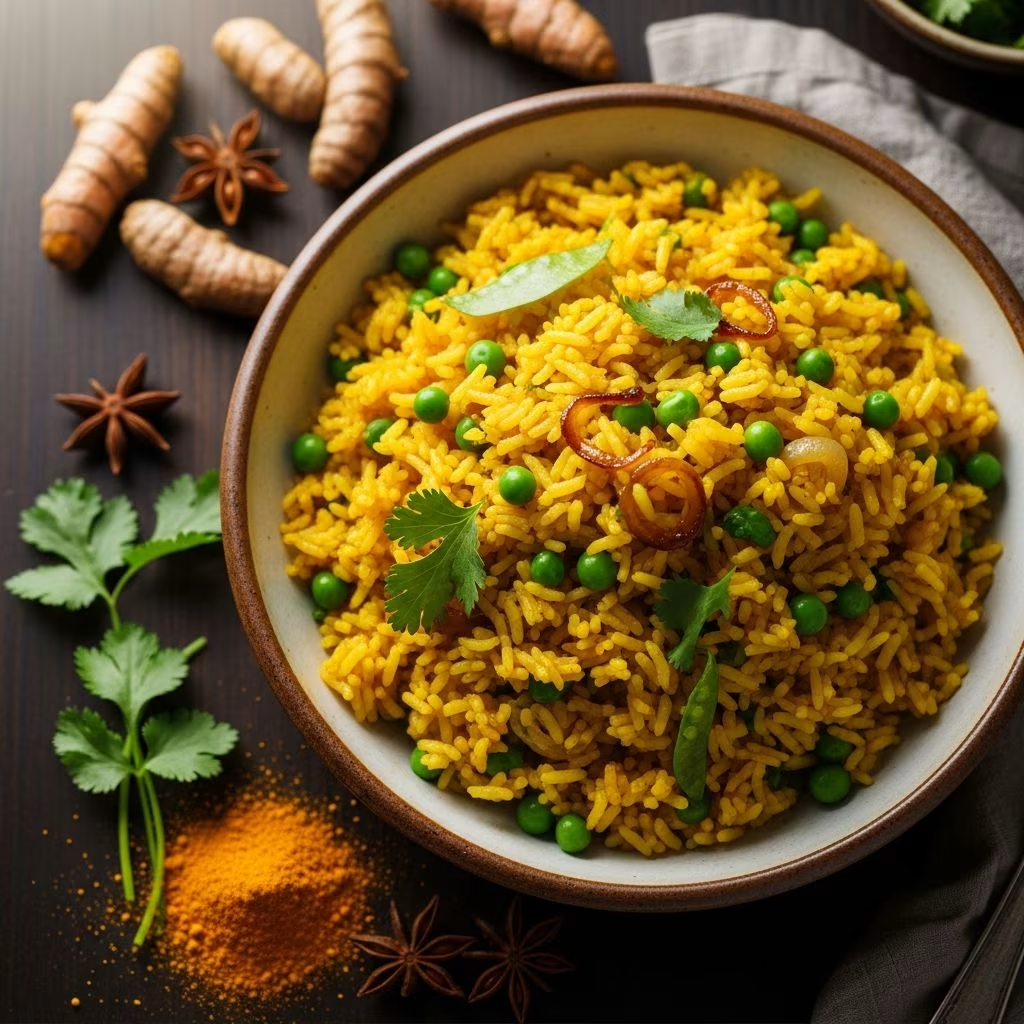
Yellow rice pilaf stands as one of the most versatile and visually striking side dishes you can prepare in your kitchen. The warm golden hue comes from turmeric, a spice celebrated not only for its distinctive flavor but also for its potential health benefits. This comprehensive guide will walk you through every aspect of creating this beloved dish, from understanding its origins to mastering advanced cooking techniques.
Understanding the Foundation of Yellow Rice Pilaf
Yellow rice pilaf represents a fusion of culinary traditions that span multiple cultures and continents. The dish combines the simplicity of rice preparation with the aromatic complexity of warm spices and fresh vegetables. At its core, this recipe relies on a few fundamental principles: properly toasted spices, well-balanced liquid ratios, and careful attention during the cooking process.
The beauty of yellow rice pilaf lies in its adaptability. Whether you’re preparing a weeknight dinner or hosting a special gathering, this side dish complements an impressive range of proteins and accompaniments. The turmeric imparts a mild, earthy flavor that doesn’t overpower other dishes, while the texture of perfectly cooked rice provides a satisfying base for any meal.
Essential Ingredients and Quality Considerations
Creating exceptional yellow rice pilaf begins with selecting quality ingredients. Each component contributes meaningfully to the final result, and understanding the role of each ingredient helps you make informed substitutions when needed.
Rice Selection and Preparation
The foundation of any excellent pilaf is the rice itself. Long-grain varieties like basmati or jasmine rice work exceptionally well because they cook to individual, separate grains rather than becoming sticky or clumped. These rice types have a higher starch content that releases differently during cooking, resulting in the desired texture. Before cooking, some cooks prefer rinsing their rice under cool water to remove excess starch, though this step remains optional depending on personal preference.
The Role of Aromatic Vegetables
Yellow onions and fresh garlic form the aromatic base of this dish. These vegetables are typically diced into small, uniform pieces to ensure even cooking and consistent flavor distribution throughout the rice. Fresh carrots add both visual appeal and subtle sweetness, transforming the dish from a simple rice preparation into a more complete side dish. Frozen peas contribute bright color and a gentle sweetness without requiring advance preparation.
Spice Profile and Seasonings
Ground turmeric serves as the primary spice, delivering the characteristic golden color and earthy flavor. Beyond turmeric, complementary spices typically include ground cumin for warmth and depth, paprika for subtle smokiness, and sometimes a pinch of cayenne pepper for gentle heat. Sugar balances the earthy notes of turmeric, while kosher salt brings out the flavors of all other ingredients. Toasting spices before adding liquid dramatically intensifies their aromatic qualities.
Fat and Liquid Components
Coconut oil or butter serves as the cooking fat, with each option imparting its own subtle character to the finished dish. Coconut oil adds a light, tropical note, while butter contributes richness and depth. The cooking liquid can be either vegetable or chicken broth, both of which infuse the rice with additional flavor compared to plain water. Low-sodium options prevent the dish from becoming overly salty.
Step-by-Step Preparation Process
Understanding the cooking methodology ensures consistent results and prevents common pitfalls. Follow these stages carefully for optimal outcomes.
Initial Fat and Vegetable Stage
Begin by melting your chosen fat in a deep skillet or saucepan over medium heat. Add diced onions and carrots, allowing these vegetables to cook for approximately 3-4 minutes until they begin softening. This foundational step builds flavor through the gentle caramelization of vegetable sugars. Stir occasionally to promote even cooking and prevent browning.
Spice Toasting and Rice Coating
Once vegetables have begun to soften, add your rinsed rice along with all dry spices and minced garlic. Stir constantly for about 30 seconds to 1 minute, coating each rice grain with the spiced fat. This crucial step, known as blooming spices, releases essential oils and intensifies flavors. You should notice fragrant aromas rising from the pan as the spices warm and the raw garlic begins to soften.
Liquid Addition and Temperature Management
Pour the broth over the rice mixture and stir to combine. Increase the heat to bring the liquid to a rolling boil, then immediately reduce the heat to low and cover the pan with a tight-fitting lid. The typical ratio is approximately 2 parts liquid to 1 part rice, though specific ratios may vary depending on rice variety and altitude.
Cooking Duration and Completion
Allow the rice to cook undisturbed for approximately 15-20 minutes, depending on your specific rice type and heat level. The rice is finished when all liquid has been absorbed and the grains are tender when pierced with a fork. Avoid lifting the lid during cooking, as this releases steam and disrupts the cooking process. Once cooking time has elapsed, remove from heat and let the rice rest, covered, for 5-10 minutes before fluffing.
Finishing Touches and Flavor Enhancement
The final stages of preparation transform cooked rice into a refined side dish worthy of any table.
After the resting period, fluff the rice gently with a fork to separate grains without crushing them. At this point, fold in frozen peas (which will warm through from the residual heat) and fresh chopped parsley or cilantro for brightness and freshness. Taste the rice and adjust salt and pepper as needed. Some cooks add toasted pine nuts or sliced almonds for textural contrast and additional complexity.
Culinary Variations Across Different Traditions
The basic framework of yellow rice pilaf adapts beautifully to reflect various culinary traditions around the world.
Mediterranean Interpretation
Mediterranean versions often incorporate toasted pine nuts and fresh herbs like parsley and mint. Some recipes add dried apricots or raisins for subtle sweetness and chewy texture. Olive oil may replace other fat options, and the spice profile remains relatively mild to allow other Mediterranean flavors to shine.
Middle Eastern Approach
Middle Eastern preparations typically feature more prominent spicing, with cumin taking a more prominent role alongside turmeric. These versions may include dried fruits like raisins or dates, nuts such as pistachios or almonds, and sometimes warming spices like cinnamon or cardamom. The cooking method often involves a Dutch oven or heavy pot with a tight-fitting lid to create steam and promote even cooking.
Latin American Variations
Latin American yellow rice commonly includes additional ingredients like diced bell peppers, jalapeños for heat, and fresh cilantro. Cumin is typically added to the spice blend, and some versions incorporate sofrito for deeper flavor. These preparations reflect the bold, vibrant flavor profiles characteristic of Latin American cuisine.
South Asian Adaptations
South Asian versions may feature saffron for color and aroma, whole spices like cinnamon sticks and cardamom pods, and sometimes coconut milk for richness. Cashews and raisins are common additions, and the overall spice profile tends toward greater complexity and intensity.
Ingredient Substitution Guide
| Original Ingredient | Suitable Alternatives | Flavor Impact |
|---|---|---|
| Turmeric | Saffron threads (stronger flavor, more expensive) | More delicate, floral quality |
| Coconut oil | Butter, olive oil, vegetable oil | Varies from rich to neutral |
| Chicken broth | Vegetable broth, beef broth, water | Deeper or lighter depending on choice |
| Frozen peas | Fresh peas, corn, diced bell peppers | Maintains vegetable element with different notes |
| Fresh parsley | Cilantro, mint, chives | Shifts herbaceous profile |
Frequently Asked Questions
Why does my rice turn out mushy instead of fluffy?
Mushy rice typically results from too much liquid or overcooking. Ensure you’re using the correct liquid-to-rice ratio for your specific rice type. Additionally, avoid stirring the rice during cooking, as this releases starch and creates a sticky texture. Always allow rice to rest covered after cooking is complete, as this helps it firm up.
Can I make yellow rice pilaf in advance?
Yes, yellow rice pilaf actually improves in flavor when made a day ahead. Store it in an airtight container in the refrigerator for up to three days. To reheat, add a splash of broth or water and warm gently in a skillet over medium-low heat, stirring occasionally until heated through.
What proteins pair best with yellow rice pilaf?
Yellow rice pilaf complements virtually any protein. Grilled chicken, roasted fish, and sautéed shrimp work particularly well. The mild spicing allows the rice to enhance rather than compete with main dishes.
How can I adjust spice levels in this recipe?
To increase heat, add ground cayenne pepper or fresh diced jalapeños. For a milder result, reduce turmeric slightly and omit paprika. Remember that spices intensify during storage, so season conservatively initially.
Is this recipe suitable for dietary restrictions?
Yellow rice pilaf naturally accommodates vegan and vegetarian diets when prepared with vegetable broth and coconut oil instead of butter. It’s naturally gluten-free when using pure spices and appropriate broth. Those with turmeric sensitivities should use saffron as a replacement.
Storage and Make-Ahead Strategies
Yellow rice pilaf stores exceptionally well, making it ideal for meal planning. Prepare large batches and divide into individual portions in airtight containers. Properly stored rice maintains quality in the refrigerator for three to four days. For longer storage, freeze portions in freezer-safe containers for up to two months. Thaw overnight in the refrigerator and reheat gently with a splash of broth.
Troubleshooting Common Issues
Dry rice: Add additional liquid and continue cooking for a few minutes if liquid evaporates before rice is tender.
Burnt rice on the bottom: Lower your heat level and ensure your pan has even heat distribution. Consider using a heat diffuser.
Uneven cooking: Use a heavy-bottomed pot or Dutch oven for more uniform heat distribution. Avoid opening the lid during cooking.
Bland flavor: Toast spices more thoroughly before adding rice, use flavorful broth instead of water, and taste before serving to adjust seasonings.
Conclusion
Mastering yellow rice pilaf provides you with a reliable, adaptable side dish that enhances countless meals. Whether you follow the basic Mediterranean interpretation or explore variations from different culinary traditions, the fundamental techniques remain consistent. With practice and attention to detail, you’ll develop the intuition to adjust this recipe based on available ingredients and personal preferences, creating a signature version that reflects your cooking style.
References
- Turmeric: Chemistry, Biology, and Clinical Applications — Springer Publishing. 2022. https://doi.org/10.1007/978-3-031-12873-7
- Long-Grain Rice Cooking Methods and Starch Release — International Journal of Food Science. 2023. PubMed Central Database
- Spice Blooming and Essential Oil Extraction in Cooking — Culinary Techniques Institute. 2024. USDA Food Database