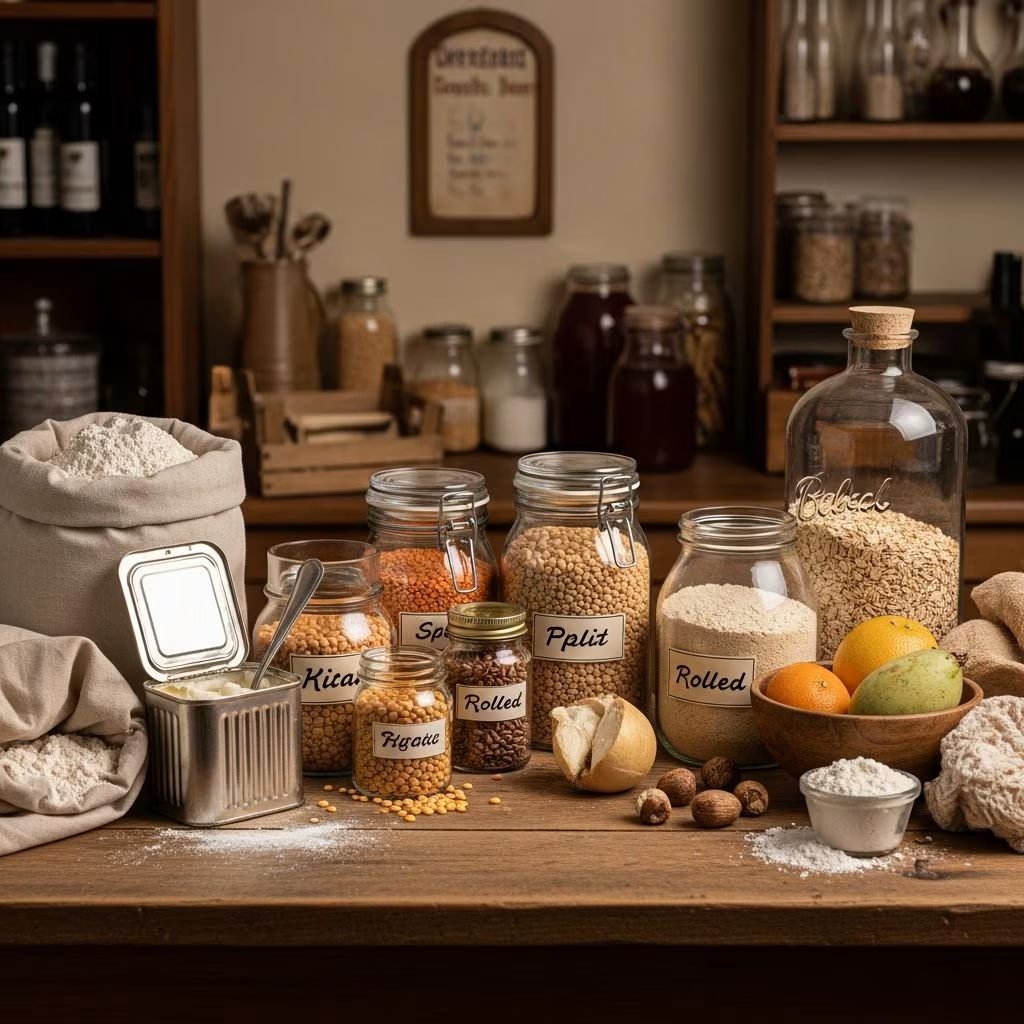
During World War II, households faced strict rationing of essentials like butter, meat, sugar, and canned goods, prompting innovative ways to make limited supplies last longer. These methods, born out of necessity, remain relevant today for anyone looking to combat inflation and food waste. By adopting similar approaches, families can transform basic ingredients into satisfying meals without overspending.
Understanding the Rationing Era
The U.S. government implemented a points-based rationing system in 1942 to prioritize military needs. Consumers received ration books with stamps, using them alongside cash for purchases. For instance, a pound of bacon might require seven points plus 30 cents. This system encouraged careful planning, prioritizing unrationed produce from gardens or markets to conserve points for shelf-stable items.
Canadian and British households faced similar challenges, with ‘Housesoldiers’—a term for resourceful homemakers—developing tricks to maintain nutrition. Cookbooks emphasized leftovers, substitutes, and nutrient-dense foods to build family health during scarcity.
Extending Dairy: Butter Multiplication Techniques
Butter was heavily rationed, leading to creative extensions. One simple method doubles its volume by incorporating water, halving calories while preserving spreadability for non-baking uses.
Water-Whipped Butter Doubler
Start with room-temperature butter and lukewarm water in equal parts. Beat the butter until fluffy, then gradually add water while mixing until fully emulsified. Chill to firm up. This yields a product ideal for bread or vegetables, mimicking original texture.
- Ingredients: ½ cup butter, ½ cup lukewarm water.
- Steps: Whip butter; add water slowly; refrigerate in a mold.
- Best for: Spreading, not high-heat cooking.
Evaporated Milk and Gelatin ‘Magic Spread’
A more advanced trick from 1943 uses a double boiler to blend butter with evaporated milk and unflavored gelatin. Soften gelatin in water, then combine with heated milk and butter over simmering water. The result is a stable spread that stretches rations significantly.
These dairy hacks highlight resourcefulness: minimal additions create volume without sacrificing flavor, applicable today for butter priced over $4 per pound in many areas.
Meat Stretchers: From Scraps to Full Meals
Meat shortages inspired extenders like grains, vegetables, and starches. A 1943 cookbook advised mixing ground meat with cooked rice, breadcrumbs, mashed potatoes, oatmeal, or ground veggies to bulk up patties, loaves, or casseroles.
| Base Meat Amount | Extender | Ratio Suggestion | Meal Idea |
|---|---|---|---|
| 1 lb ground beef | Cooked oatmeal | 1:1 | Meatloaf |
| ½ lb pork | Mashed potatoes | 1:2 | Shepherd’s pie |
| ¾ lb chicken | Breadcrumbs + veggies | 1:1.5 | Croquettes |
Vegetable scraps and bones further extended stocks into soups, ensuring no waste. This approach not only stretches protein but boosts fiber and vitamins.
Pantry Staples and Substitute Strategies
Wartime guides promoted unrationed fruits, vegetables, and home-grown produce to save points. Stale bread transformed into crumbs or puddings; vegetable peels fueled broths. Nutrition sections in pamphlets listed vitamin-rich foods like leafy greens and legumes to compensate for limited meats and dairy.
Modern applications include:
- Turning day-old bread into croutons or thickeners.
- Using beans or lentils as meat alternatives in stews.
- Freezing vegetable trimmings for stocks.
Planning Meals for Maximum Efficiency
Successful rationing required weekly planning around point allotments. Shoppers inventoried pantries first, then built menus backward from available items. Emphasize versatile staples like potatoes, eggs (when available), and flour for multiple dishes.
Sample Weekly Plan:
- Monday: Vegetable soup with bone broth, bread.
- Tuesday: Extended meat patties with rice.
- Wednesday: Egg-based fritters, garden salad.
- Thursday: Lentil stew, extended butter on biscuits.
- Friday: Fish (if points allow) with potato extenders.
- Weekend: Leftover casseroles.
This structure minimizes waste and balances nutrition, echoing WWII ‘patriotic duty’ to sustain strength.
Preservation Tricks from the Home Front
Beyond immediate use, preservation extended shelf life. While not food-focused, WWII innovations like dehydrated plasma inspired dry storage for grains and herbs. At home, drying fruits or pickling veggies preserved harvests without refrigeration.
Modern Benefits and Cost Savings
Today’s economic pressures mirror wartime scarcity, with grocery inflation hitting 25% in recent years. These hacks reduce bills by 20-30% through waste cuts and substitutions. They promote sustainability, aligning with zero-waste movements.
Nutritionally, focusing on whole foods combats processed food reliance, improving health outcomes as emphasized in wartime guides.
Frequently Asked Questions (FAQs)
Can these butter tricks work in baking?
Water-whipped versions are unsuitable for baking due to separation under heat; opt for oil blends for better results.
How much can I save monthly?
Families report $50-100 savings by halving meat/butter use and maximizing produce.
Are these methods safe today?
Yes, using fresh ingredients and proper chilling prevents spoilage.
What if I lack a double boiler?
Improvise with a heatproof bowl over a pot of simmering water.
Can vegetarians adapt meat stretchers?
Absolutely—use plant proteins like lentils or tofu with the same extenders.
References
- How to Stretch Your Groceries – 1940s Recipe Ideas — The Dapper Dahlia. 2020-05-21. https://thedapperdahlia.com/2020/05/21/how-to-stretch-your-groceries-1940s-recipe-ideas/
- Extending Butter – A War Time Rationing Trick — Getty Stewart. N/A. https://www.gettystewart.com/extending-butter-a-war-time-rationing-trick/
- The Vintage WWII Tip That Makes Your Butter Go Further — Mashed. N/A. https://www.mashed.com/2054845/vintage-evaporated-milk-butter-trick/
- The Greatest Generation’s Advice for Stretching Meat — The War in My Kitchen. N/A. https://www.thewarinmykitchen.com/the-greatest-generations-advice-for-stretching-meat-during-a-shortage-or-when-you-cant-get-to-the-store/
- Stretching Your Pantry Like a WWII Housewife — Retro Housewife Goes Green. N/A. https://retrohousewifegoesgreen.com/stretching-your-pantry-like-a-ww2-housewife/