Winter brings a bounty of **citrus fruits** that transform dreary days into bursts of color and flavor. These vibrant orbs, peaking from late fall through spring, offer sweetness, tartness, and nutritional powerhouses perfect for meals, snacks, and drinks. This guide uncovers their diversity, health advantages, selection tips, and inventive uses to maximize enjoyment.
Why Winter is Citrus Prime Time
Citrus harvest aligns with cooler months, delivering fruits at their juiciest and most aromatic. Grown in mild climates like California’s valleys or Florida’s groves, they thrive when summer’s heat fades. Their thick peels protect against frost, ensuring delivery of peak ripeness to markets. Nutritionally, they pack **vitamin C**—nearly a full daily dose per fruit—bolstering immunity during flu season. Fiber content aids digestion, while antioxidants combat cell damage, supporting skin and bone health.
- Seasonal Peak: December to April for most varieties.
- Flavor Edge: Chilling enhances sugars, muting acidity.
- Versatility: Eat fresh, juice, zest, or cook into endless dishes.
Essential Winter Citrus Varieties
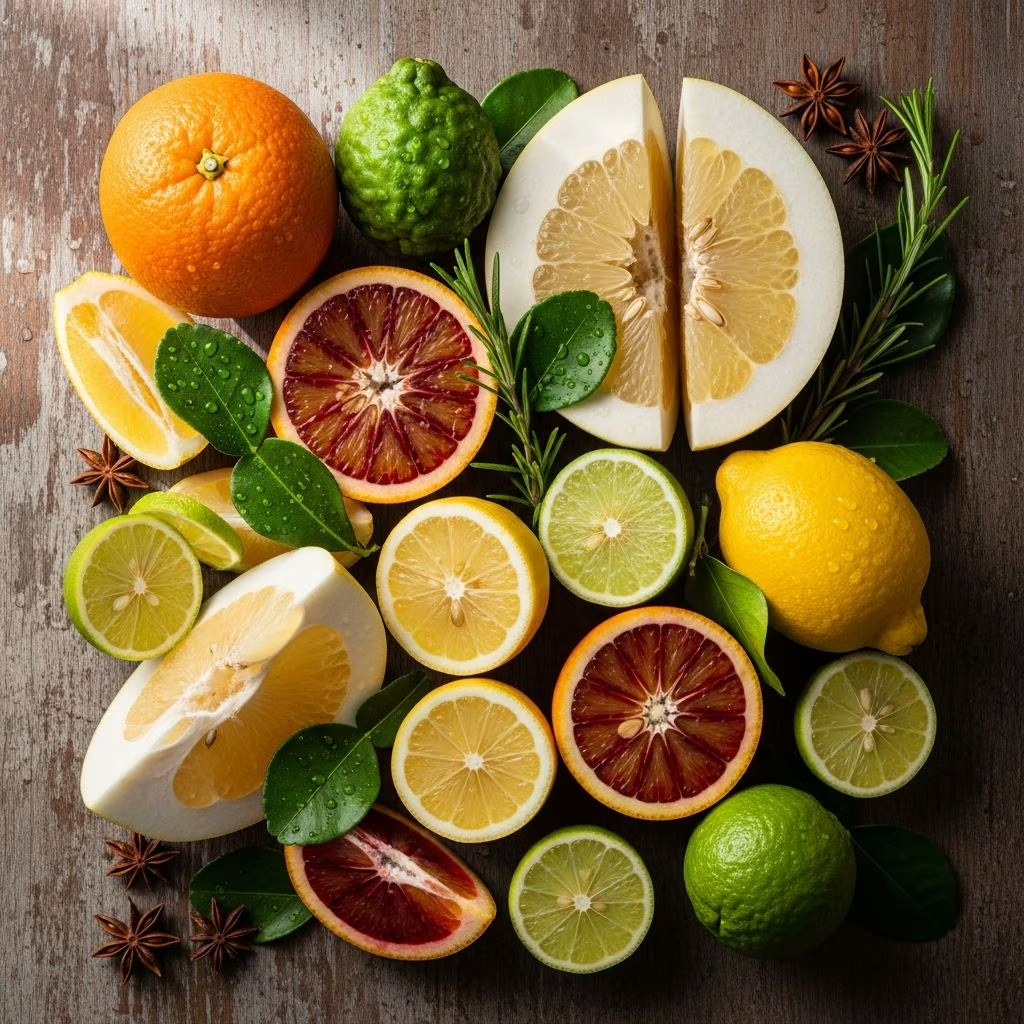
From familiar oranges to rarities, winter offers a spectrum. Here’s a breakdown of standout types, their traits, and best applications.
| Variety | Appearance & Flavor | Best Uses | Seasonal Availability |
|---|---|---|---|
| Tangerine | Bright orange, easy-peel skin; sweet, less tart than oranges | Salads, snacking, baking | November–March |
| Blood Orange | Red-streaked flesh; berry-like with floral hints | Desserts, fish pairings, cocktails | December–April |
| Grapefruit | Yellow/pink flesh; tart-sweet balance | Broiled breakfasts, salsas | November–May |
| Pomelo | Largest citrus; pale, milder than grapefruit | Salsas, salads, beverages | December–March |
| Sunburst Tangerine | Deep orange; intensely sweet, clementine-like | Fresh eating, marmalades | January–April |
Tangerines and Mandarins: The Easy-Peel Stars
**Tangerines** shine with loose skins that slip off effortlessly, revealing juicy segments. Sweeter than standard oranges, their vibrant taste refreshes salads or stands alone as snacks. Sunburst varieties amp up intensity, mimicking beloved clementines but with bolder zing—ideal for experimenting beyond basics.
Blood Oranges: Beauty and Complexity
These gems boast crimson interiors from anthocyanins, lending berry notes and subtle florals. Less acidic, they elevate dishes visually and taste-wise. Pair segments with fish or avocados for stunning contrasts, or juice for vivid cocktails.
Grapefruit and Pomelo: Bold and Bitter
**Grapefruit** ranges coral to yellow, balancing tartness with sweetness. Broil halves with sugar for warm breakfasts alongside yogurt. **Pomelos**, their giant cousins, mellow acidity into pear-like mildness but share medication interaction cautions. Dice into salsas for spicy-sweet tilapia toppers or muddle into drinks.
Health Boosts from Winter Citrus
Beyond delight, citrus fuels wellness. **Vitamin C** shields against oxidative stress, aiding collagen for skin and vessels. Fiber regulates cholesterol and blood sugar, promoting heart and gut health. Potassium balances electrolytes, while flavonoids reduce inflammation. Opt for whole fruits over juice to retain fiber’s benefits. Note: Grapefruit/pomelo may affect statins—consult doctors.
- Immunity support via antioxidants.
- Digestion aid from pectin fiber.
- Heart health through cholesterol management.
Selecting and Storing for Perfection
Choose heavy fruits for juiciness; smooth, firm skins signal ripeness. Avoid greens (unripe) or soft spots (spoilage). Blood oranges deepen redder with maturity. Store at room temp up to a week or refrigerate for a month—wash before cutting to preserve oils.
- Smell Test: Citrusy aroma at stem end.
- Weight Check: Heavier means more juice.
- Fridge Tip: Loose in crisper drawer, away from ethylene producers like apples.
Culinary Mastery: Recipes and Techniques
Harness citrus fully: zest for oils, segment for elegance, juice for bases. Winter’s stars suit savory, sweet, and sip-worthy creations.
Salads and Sides
Supreme (remove membranes) tangerines or blood oranges over greens with beets, nuts, and vinaigrette. Pomelo salsa with jalapeños, cilantro, and onion pairs with grilled fish.
Broiled and Baked Delights
Halve grapefruit, sprinkle sugar, broil until caramelized—top with yogurt. Tangerine zest brightens cakes or muffins.
Beverages and Cocktails
Muddle pomelo for mojitos or mix blood orange with gin. Non-alcoholic: Tangerine-ginger fizz with sparkling water.
Sweet Treats
Sunburst marmalade simmers peels with sugar. Blood orange sorbet chills pureed flesh with syrup.
Sample Recipe: Pomelo-Tangerine Salsa
Ingredients: 1 pomelo (supremed), 2 tangerines (segmented), 1/2 red onion (diced), 1 jalapeño (minced), cilantro, lime juice, salt.
Combine, rest 15 minutes. Yields 2 cups; serve with fish or chips.
Advanced Varieties for Experimenters
Beyond basics, try calamondin (tiny, kumquat-like for syrups) or yuzu (tart Japanese essential for dressings). Sunbursts offer novelty for clementine lovers, packing complex sweetness.
FAQs
What is the best way to cut citrus for salads?
Supreme by slicing off ends, cutting peel/membrane, then arcing knife between segments for clean, juice-free pieces.
Can I freeze citrus juice?
Yes, portion into ice cube trays for easy use in smoothies or cocktails—thaws quickly.
Are all citrus interchangeable in recipes?
No; match tartness—use milder pomelo where grapefruit’s bite overwhelms.
How does citrus aid winter health?
High vitamin C fights colds; fiber stabilizes energy amid short days.
Pairing Ideas for Winter Meals
| Dish Type | Citrus Pairing | Why It Works |
|---|---|---|
| Roasted Veggies | Blood Orange Zest | Cut richness with floral acidity |
| Grilled Poultry | Tangerine Glaze | Sweet caramelization |
| Seafood | Pomelo Salsa | Refreshing contrast |
| Yogurt Parfait | Grapefruit Broiled | Tart creaminess balance |
Winter citrus elevates everyday eating with minimal effort. Experiment boldly—their adaptability ensures endless inspiration.
References
- The Uncommon Winter Citrus You Should Experiment With Next — Mashed. 2023-10-15. https://www.mashed.com/1129562/the-uncommon-winter-citrus-you-should-experiment-with-next/
- Add Some Zest to Your Menu with Winter Citrus — Times News. 2022-12-01. https://timesnews.net/news/34140/food-city-add-some-zest-to-your-menu-with-winter-citrus/
- Trying Every Type Of Citrus | The Big Guide — Epicurious (YouTube). 2022-01-20. https://www.youtube.com/watch?v=6fFHWdCcQ_c
- Citrus Recipes to Help You Break Out of the Winter Blahs — The Dinner Plan (Substack). 2024-01-10. https://thedinnerplan.substack.com/p/citrus-recipes-lemon-recipes