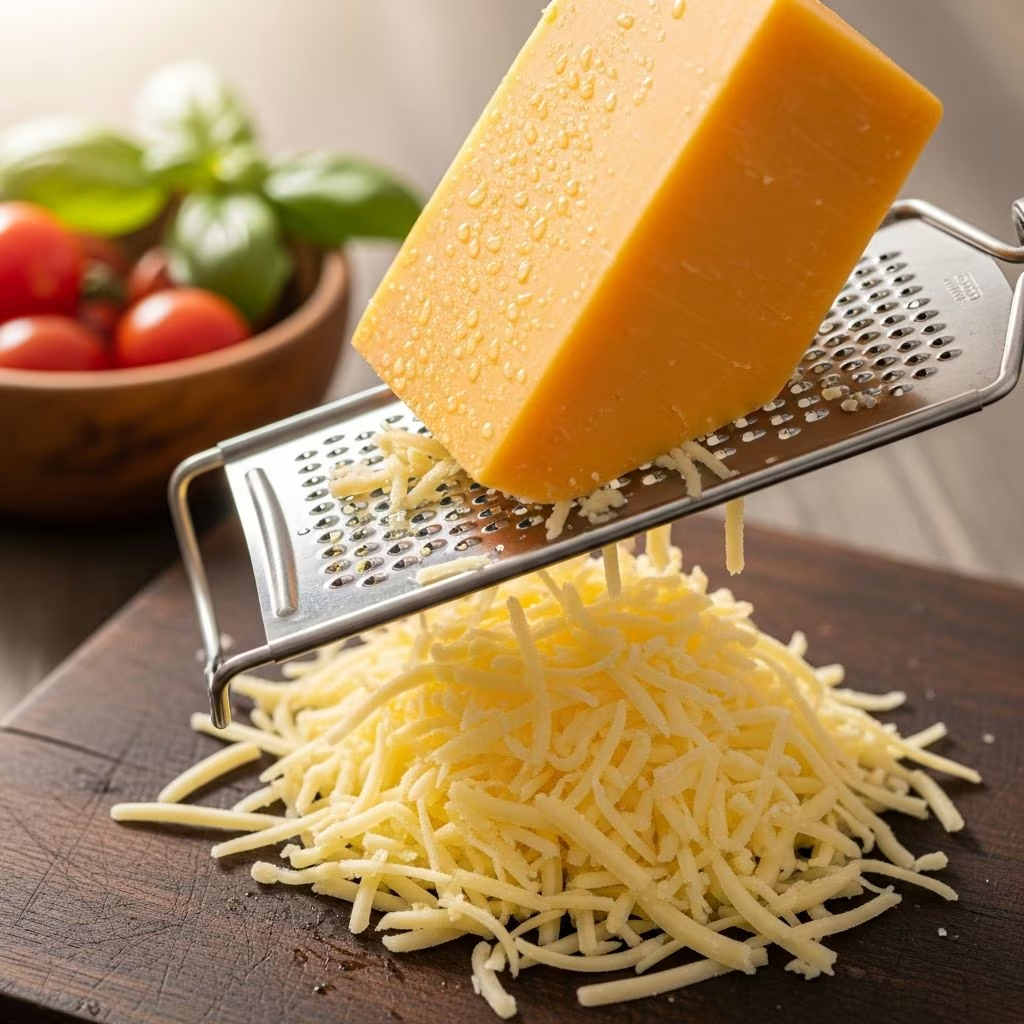
Grating cheese fresh from a block elevates everyday cooking with unmatched quality and control. Home cooks gain advantages in taste, performance, and value that pre-packaged shreds simply can’t match.
Unlocking Exceptional Flavor Profiles
Freshly grated cheese delivers a bold, authentic taste that pre-shredded versions often lack. Without anti-caking agents like cellulose, the natural flavors of cheddar, mozzarella, or parmesan shine through unhindered. These additives, while safe, coat the shreds and mute the cheese’s inherent richness.
Imagine the difference in a homemade lasagna: blocks yield shreds that release their full creamy, tangy essence during baking. Varieties like sharp cheddar or gouda offer nuanced notes—nutty, earthy, or buttery—that get lost in processed bags. Experimenting with artisanal or imported cheeses becomes feasible, expanding your culinary palette beyond standard supermarket options.
Superior Melting and Texture
One standout benefit is how freshly shredded cheese melts. Free from starch coatings that prevent clumping, it achieves a smooth, gooey consistency ideal for pizzas, quesadillas, and casseroles. Pre-shredded cheese often results in uneven melting or a rubbery finish due to those preservatives.
In dishes like nachos, grating your own ensures even coverage and perfect drape over chips, avoiding the waxy clumps from bags. For mac and cheese, the result is creamier sauce without separation. Texture tests in home kitchens consistently show blocks producing softer, more blendable shreds that integrate seamlessly into recipes.
Eliminating Unwanted Additives
Pre-shredded cheese relies on additives such as powdered cellulose or potato starch to stay free-flowing. These plant-based fillers are FDA-approved but unnecessary for those seeking pure ingredients. Shredding at home means zero extras, appealing to clean-eating enthusiasts or anyone with sensitivities.
- Common additives: Cellulose (anti-caking), natamycin (mold inhibitor), enzymes for shelf stability.
- Health angle: Reduces intake of processed fillers; ideal for whole-food diets.
- Allergy-friendly: Control over purity minimizes risk for dairy-sensitive individuals.
By grating yourself, you prioritize the cheese’s natural composition—milk, cultures, salt, and rennet—for a cleaner product.
Boosting Your Budget with Smart Savings
Financially, blocks outperform bags. An 8-ounce block costs less per pound than equivalent shredded cheese, as manufacturers charge for the convenience of prepping. You effectively get more edible cheese, since additives dilute the volume in bags.
| Product Type | Avg. Price (8 oz) | Cheese Yield | Value per oz |
|---|---|---|---|
| Cheese Block | $2.50 | 8 oz pure | $0.31 |
| Pre-Shredded Bag | $3.50 | ~7 oz pure | $0.50 |
Over a year, frequent users save significantly. Bulk buys from warehouse clubs amplify this, with blocks storing longer unopened.
Extending Freshness and Reducing Waste
Whole blocks resist spoilage better than exposed shreds. Air contact accelerates drying and molding in pre-shredded packs, shortening usability. Grate only what you need to maintain peak freshness, cutting food waste.
Pro tip: Freeze blocks whole, then shred frozen for quick use. This preserves quality for months, unlike bags that clump in the freezer.
Practical Tools for Effortless Grating
Modern tools make shredding simple. Food processors with grating disks handle large batches in seconds, perfect for family meals. Handheld box graters suit smaller amounts, while rotary graters speed repetitive tasks.
- Best for speed: Food processor—shreds 1 lb in under a minute.
- Precision pick: Microplane for fine, fluffy shreds on parmesan or hard cheeses.
- Budget option: Box grater with multiple sides for versatility.
Chill the block first for firmer shreds that won’t gum up the tool. Clean immediately to avoid hardening.
Storage Strategies for Peak Performance
Post-grating, store extras in airtight containers or zip bags to limit air exposure. Portion into recipe-sized amounts for grab-and-go convenience. In the fridge, use within a week; freezer lasts 6 months with minimal quality loss.
Reusable bags from previous batches work well—label with date and type. For soft cheeses like mozzarella, press out air to prevent moisture buildup.
Recipe Transformations with Fresh Shreds
Upgrade classics: Enchiladas gain oozy layers, stuffed shells bake cheesier, and grilled cheese sandwiches ooze perfectly. Baking benefits most—think bubbling toppings on homemade pizza or creamy au gratin potatoes.
Versatility shines in fusion dishes: grate manchego for tacos or asiago into pasta. The control allows custom blends, like cheddar-jack for ultimate nachos.
Comparing Shredded vs. Block Cheese
| Aspect | Pre-Shredded | Freshly Grated |
|---|---|---|
| Flavor | Muted by coatings | Intense and pure |
| Melt Quality | Uneven, waxy | Smooth, creamy |
| Additives | Present | None |
| Cost | Higher | Lower |
| Shelf Life | Shorter post-open | Longer as block |
Frequently Asked Questions
Does grating cheese myself really save money?
Yes—blocks are cheaper per ounce, yielding more usable cheese without processing premiums.
Why does pre-shredded cheese not melt well?
Additives like starch create barriers, preventing smooth fusion unlike pure shreds.
Can I freeze shredded cheese?
Absolutely; freeze in portions and thaw as needed. Shred from frozen blocks for best results.
What cheeses shred best at home?
Semi-hard like cheddar, colby, or mozzarella; avoid very soft or crumbly types without proper tools.
Is cellulose in cheese harmful?
It’s safe and fibrous, but many prefer avoiding it for natural purity.
Getting Started: Your First Shred
Buy a block of medium cheddar, chill 30 minutes, and use a food processor. Sprinkle on eggs or salads immediately to taste the upgrade. Build the habit for transformative results in every cheesy dish.
References
- 5 Reasons to Shred Your Own Cheese — Thriving Home Blog. 2023-05-15. https://thrivinghomeblog.com/why-shred-your-own-cheese/
- Why You Should Grate Your Own Cheese — An Affair from the Heart. 2022-08-10. https://anaffairfromtheheart.com/why-you-should-grate-your-own-cheese/
- Monday Mission: Shred Your Own Cheese — Kitchen Stewardship. 2021-03-22. https://www.kitchenstewardship.com/monday-mission-shred-your-own-cheese/
- Grate Your Own Cheese For Nachos—Here’s Why — YouTube (Babish). 2023-11-05. https://www.youtube.com/shorts/1T3qgkFydJE